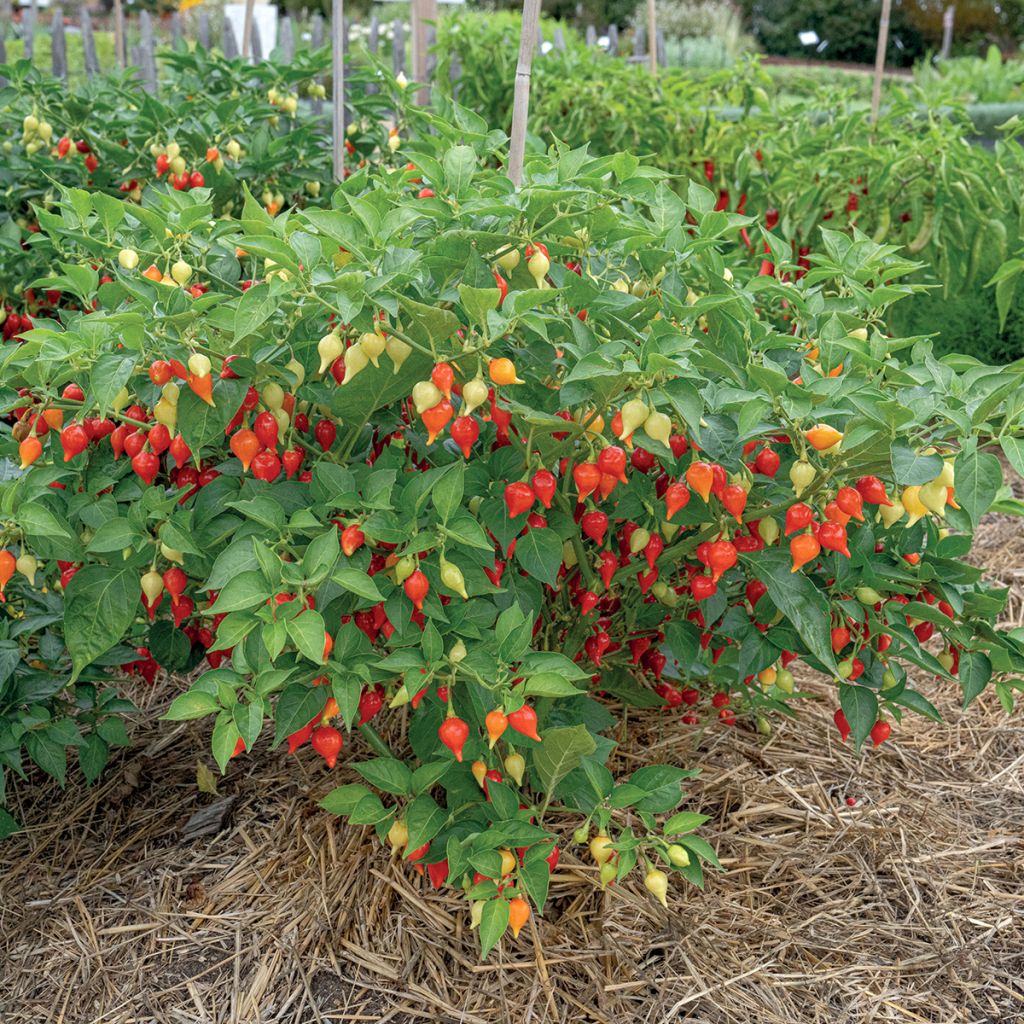
Biquinho, Button Red - Capsicum frutescens
Biquinho, Button Red - Capsicum frutescens
Capsicum frutescens Button Red
Bell pepper, Sweet pepper
Back-to-school special offer!
Get €10 off for every €50 you spend! And get up to €40 off on a single order.
How does it work?
1. Shop your favourites
Add your favourite plants to your basket. For every €50 you spend (excluding delivery charges, store credit and the plastic-free option), you’ll receive a €10 voucher.
€50 spent = €10 voucher
€100 spent = €20 voucher
€150 spent = €30 voucher
€200 spent = €40 voucher
2. Place your order
Once your basket reaches one of the spending thresholds, place your order. You can even choose your delivery date!
3. Receive your voucher
As soon as your order has been shipped, you’ll receive an email containing your personal voucher code and its value.
4. Use it on your next order
Your voucher is valid for 90 days from the date you receive it. It can be used once only, on a new order worth at least the value of the voucher, excluding delivery charges.
Please note: Vouchers can be combined with other offers, but cannot be split or refunded.
This plant carries a 6 months recovery warranty
More information
We guarantee the quality of our plants for a full growing cycle, and will replace at our expense any plant that fails to recover under normal climatic and planting conditions.
Description
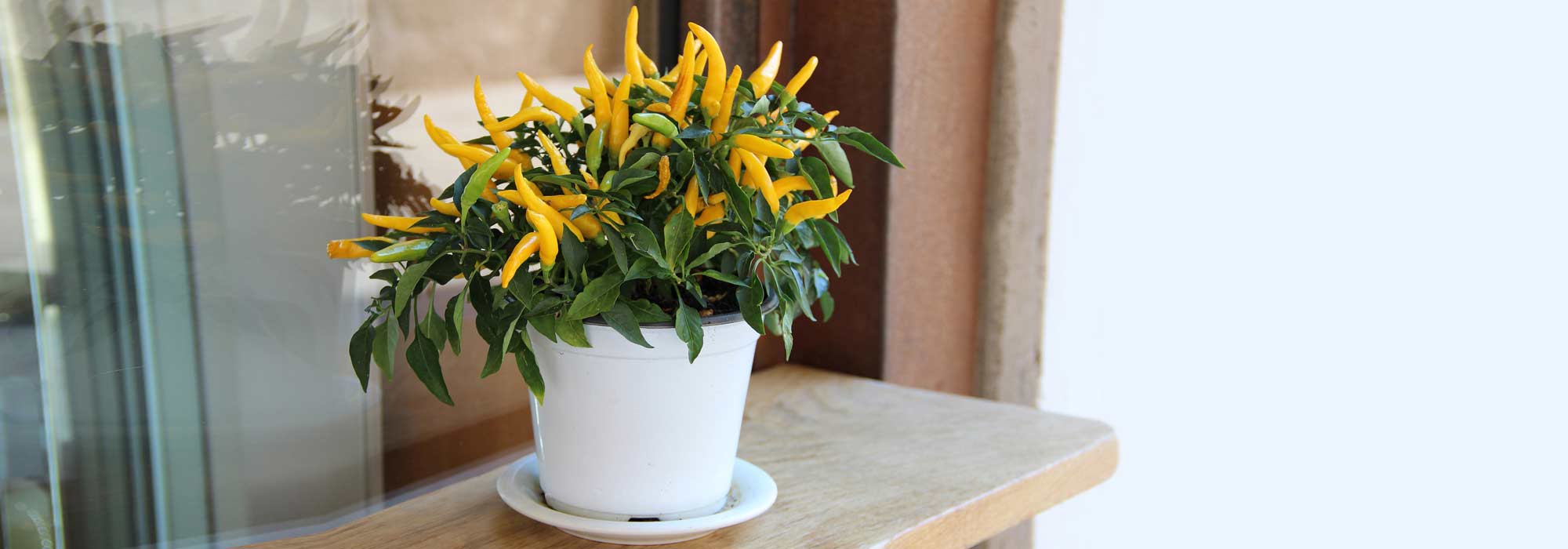
The Button Red Chilli (of the Biquinho type) is an ornamental and flavourful variety with a compact habit and very high yield, very well-suited to growing in a pot. Its small, teardrop-shaped fruits ripen to a shiny red, offering a fruity and mild flavour that suits sensitive palates. In cooking, it is excellent pickled in vinegar, but also as a condiment, in marinades, or to liven up a salad. To enjoy it fully, plant it in a sunny, sheltered, warm spot, in rich, moist, and well-drained soil.
The Chilli, like its very close relative the Bell Pepper, belongs to the Solanaceae family. It was consumed by the Incas from 7500 BC and has been cultivated since 3000 BC. The chilli is a perennial plant in a tropical climate, grown as an annual in our latitudes. It produces small, greenish-white flowers with anthers or seeds of different colours depending on the species.
The Button Red chilli is a horticultural selection of Capsicum, most often classified under the Capsicum chinense complex in "biquinho/button" catalogues. In practice, "Button Red" is considered a red biquinho: it is also found under the names Biquinho (Red), Little Beak, Chupetinho/Chupetinha, or Sweety Drop (for the pickled version). The "biquinho" type is strongly associated with Brazil. The plant forms a very compact, small undershrub, 45–60 cm tall, with dense branching. Its flowers are self-fertile and pollinated by insects.
The fruits of Button Red are fleshy berries, in a "mini" format: they are pendulous, with a rounded base ending in a small point, measuring approximately 2.5 cm long by 1.5 cm wide, and change from green to bright red when ripe. This variety is distinguished by a very high yield (75 fruits or more per plant under favourable conditions) and by a low level of heat, related to its capsaicin content. It is evaluated around 500 SHU on the Scoville scale. The flesh is rather thin, and the fruit can be consumed whole. Its aromatic profile is described as fruity, pleasant, with a chilli "kick" without being aggressive.
Chilli peppers are naturally rich in vitamin C, about twice as much as lemons or oranges. It is a very volatile substance whose content reduces considerably as the chilli dries. It becomes even scarcer when ground into powder. It is also very rich in vitamin A, which is more stable and whose content increases as the fruit dries.
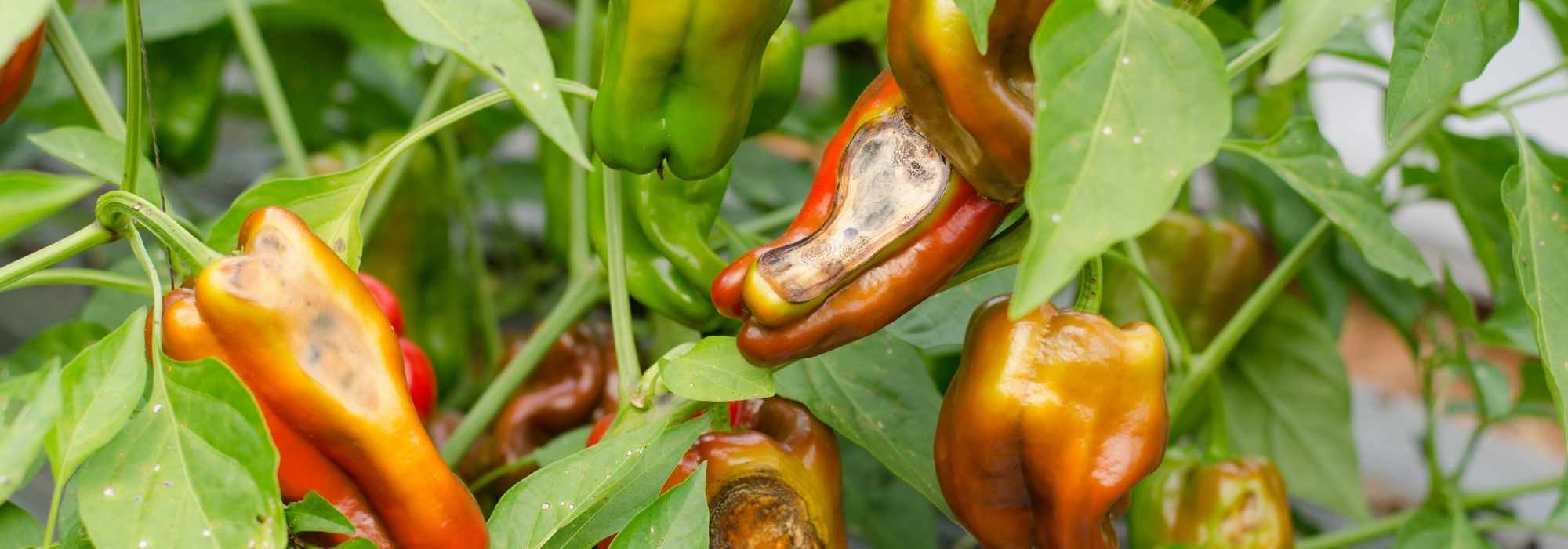
Harvest period and method. Harvest from July to October, continuously, as soon as the fruits have reached their full size and also their final colour (red for a more developed flavour). It is best to cut the stalk with secateurs, leaving a small piece of stem: this avoids tearing off a branch and stimulates further production.
Storage. For short-term storage, keep them in the salad drawer of the refrigerator: they will keep for 1 to 2 weeks. You can freeze them. And, of course, the classic biquinho method: pickling in vinegar, which keeps the crunch and makes a quick condiment.
Culinary uses. Button Red is a chilli "for flavour" more than "for heat": it can easily be eaten whole, in salads, as a topping for dishes, or to add a decorative red touch. Its best use remains pickles: these fruits are perfect for appetisers, on a cheeseboard, in a sandwich, or even as a cocktail garnish.
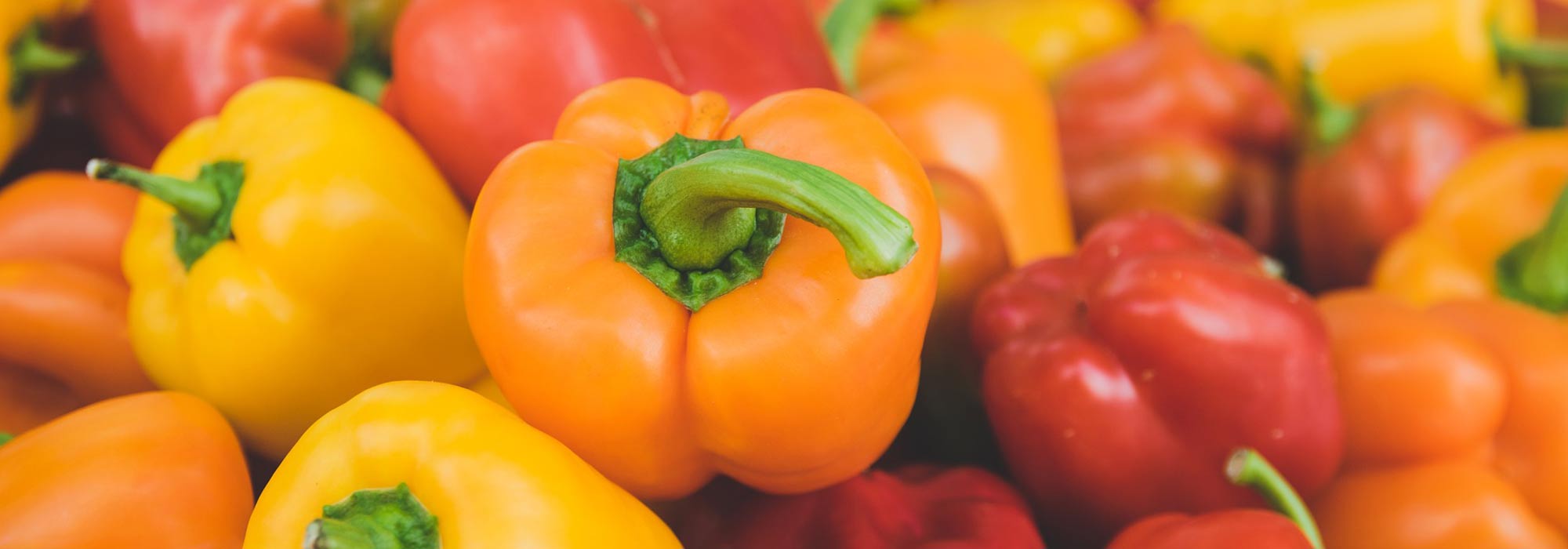
Biquinho, Button Red - Capsicum frutescens in pictures
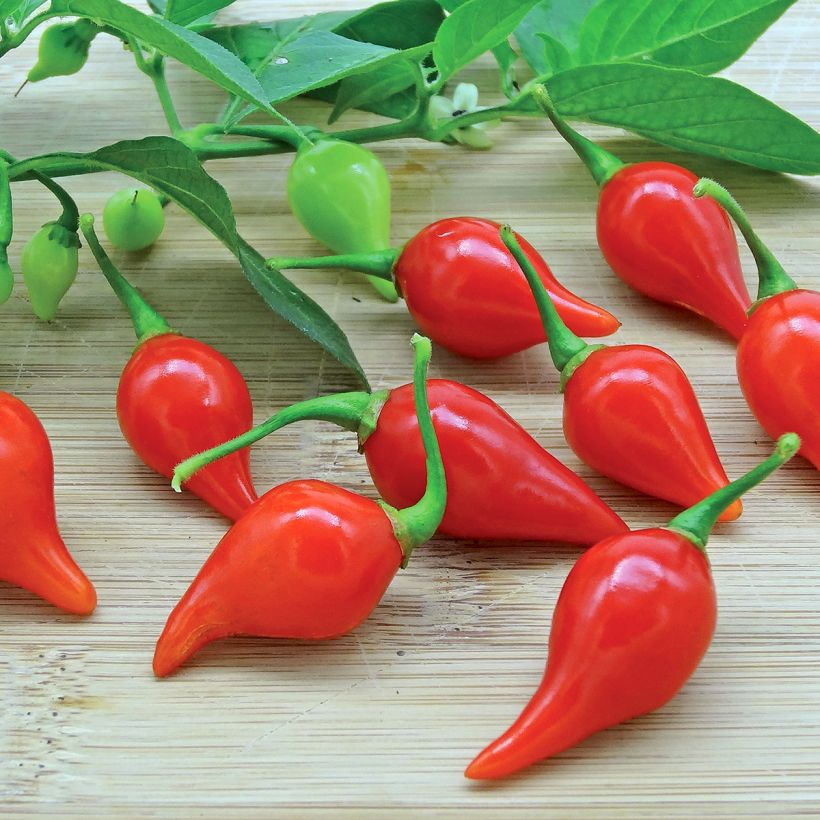
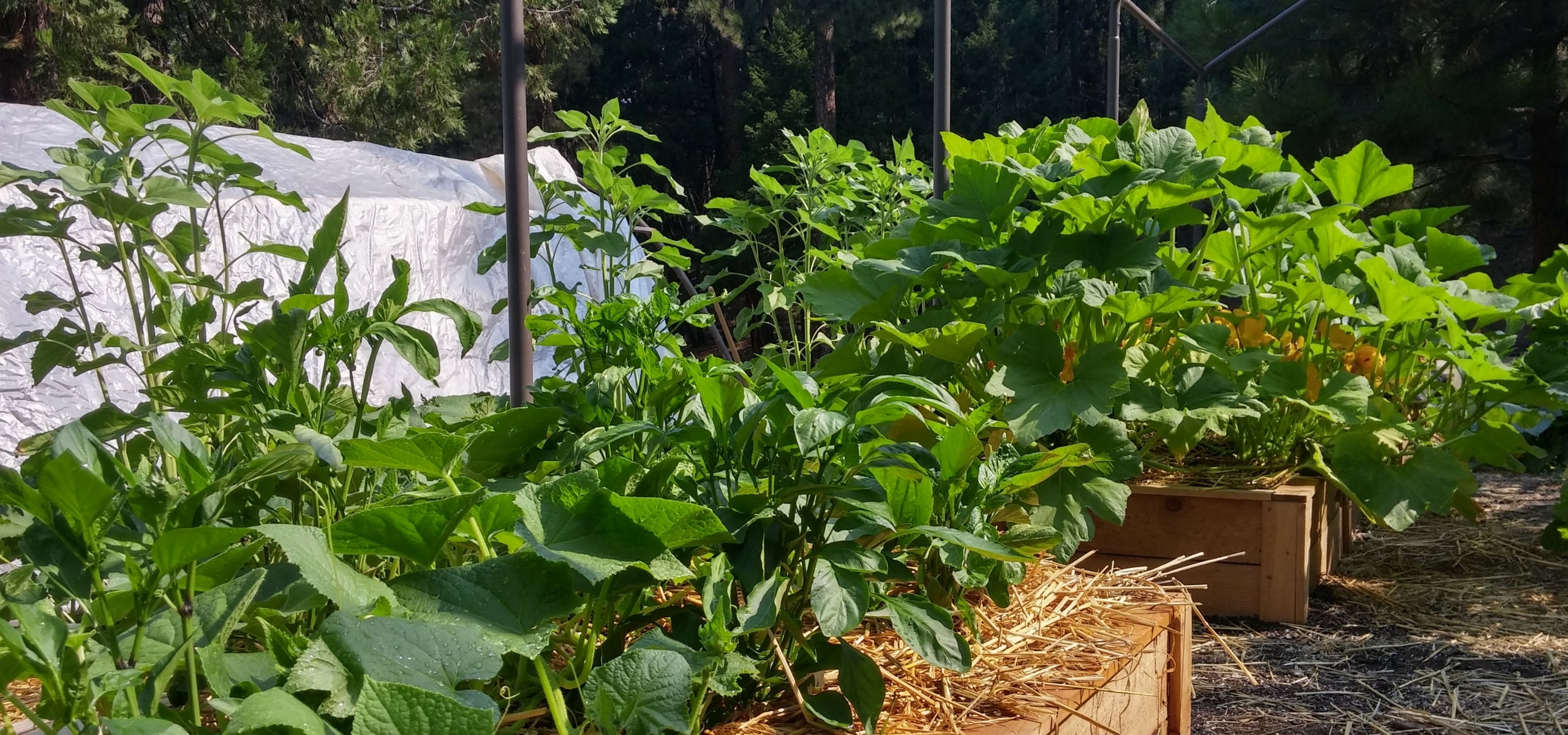
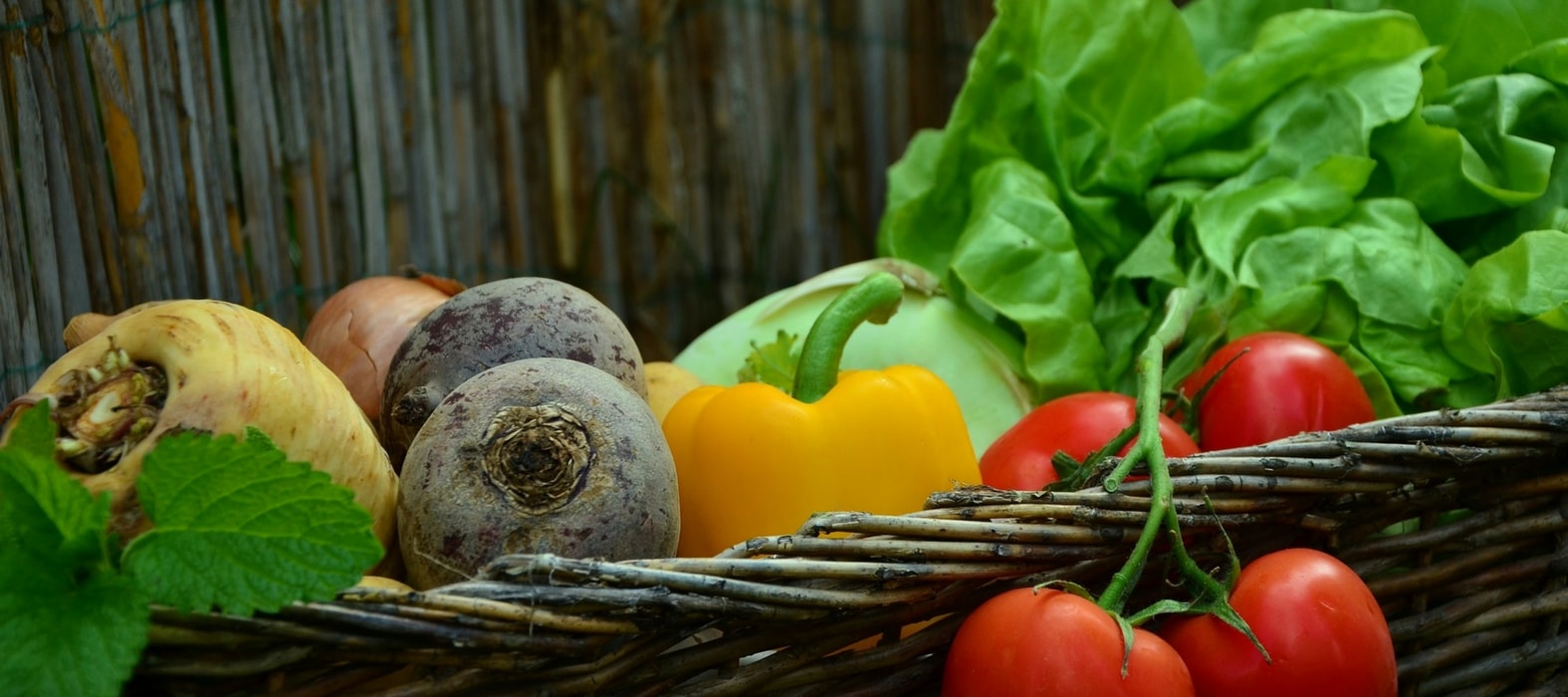
Harvest
Plant habit
Foliage
Planting and care
Growing a Button Red Chilli requires warmth. Plant in spring, from March-April under cover, or outdoors after the last frosts in spring.
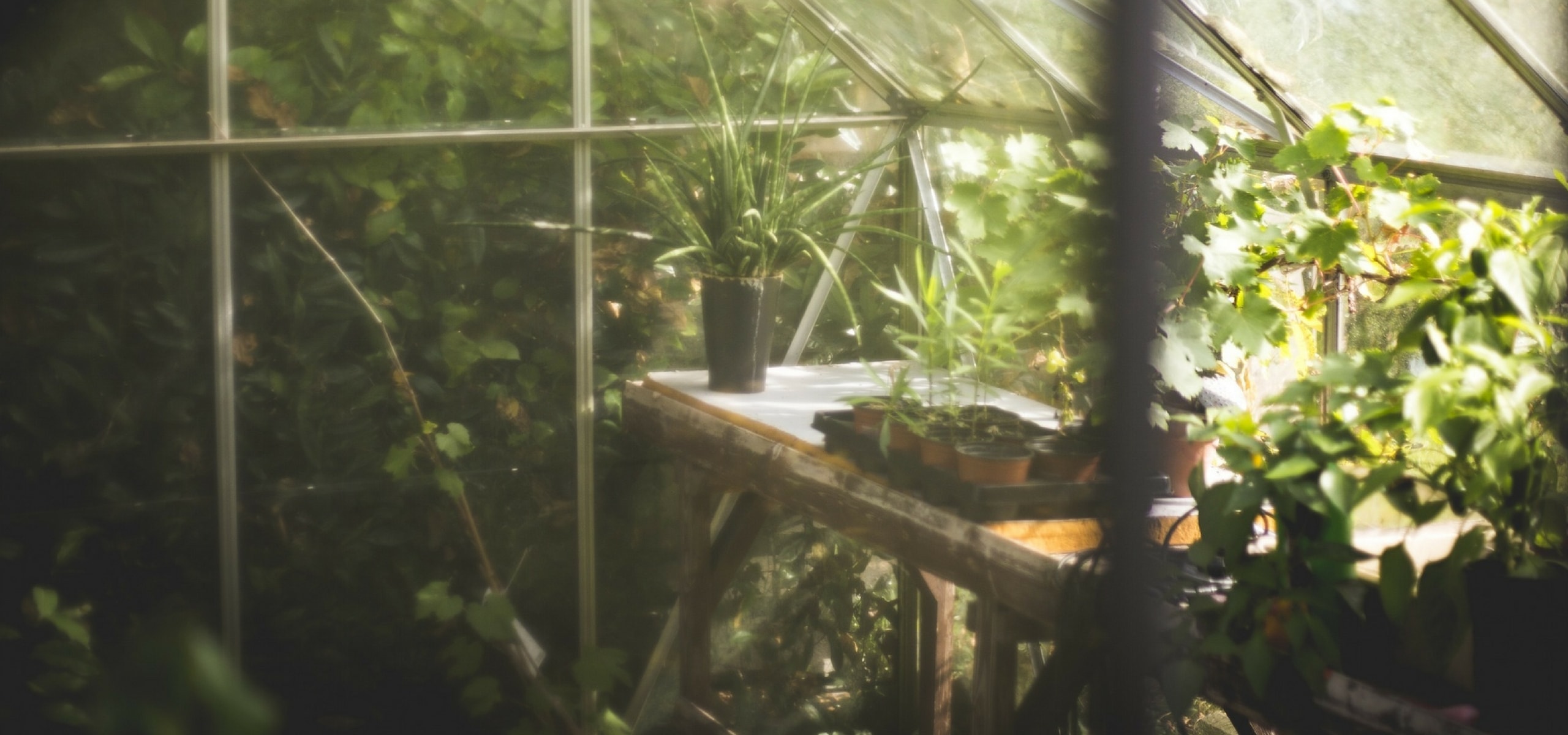
Initially, grow on the plug plants or young plants by transplanting them into trays or 8 to 13 cm diameter pots, filled with compost. Place them in a warm, bright location. Water regularly.
In the ground: Plant in the ground when the soil is sufficiently warmed, and the risk of frost has passed, around mid-May. Choose a very sunny and sheltered spot. Peppers and Chillies appreciate very rich, light, and well-drained soils. In the previous autumn, add well-rotted compost.
Space the young plants 50 cm apart in all directions. Dig a hole (3 times the volume of the root ball), add well-rotted compost to the bottom of the planting hole, place the root ball and cover with soil. Firm well and water.
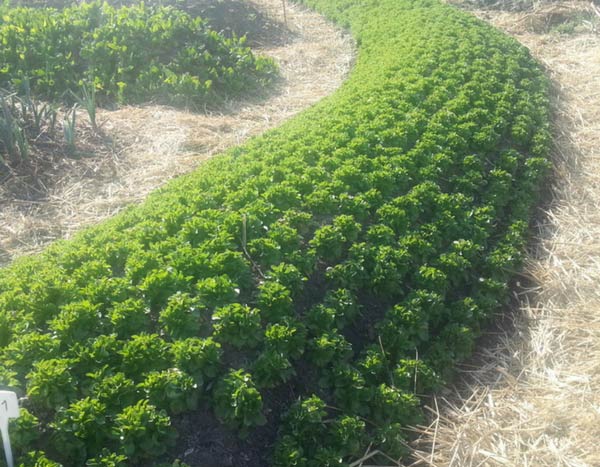
At the start of cultivation, cover with a removable tunnel to gain a few degrees, especially in cooler regions. Hoe and weed carefully as the roots are shallow. Then, install a mulch.
In a pot: Choose a pot at least 30 cm deep. Place a layer of gravel or clay pebbles at the bottom of the pot to aid drainage. Fill the pot with a mixture of compost and well-rotted compost. Place the root ball and cover with soil. Firm well and water. Place the pot in the sun. Feed regularly.
Install stakes. Water regularly at the base of the young plants.
It is advisable to pinch out Chilli and Pepper plants, especially in cool regions. When the plants have 10 to 15 fruits, cut the tips of the stems one leaf above the last fruit.
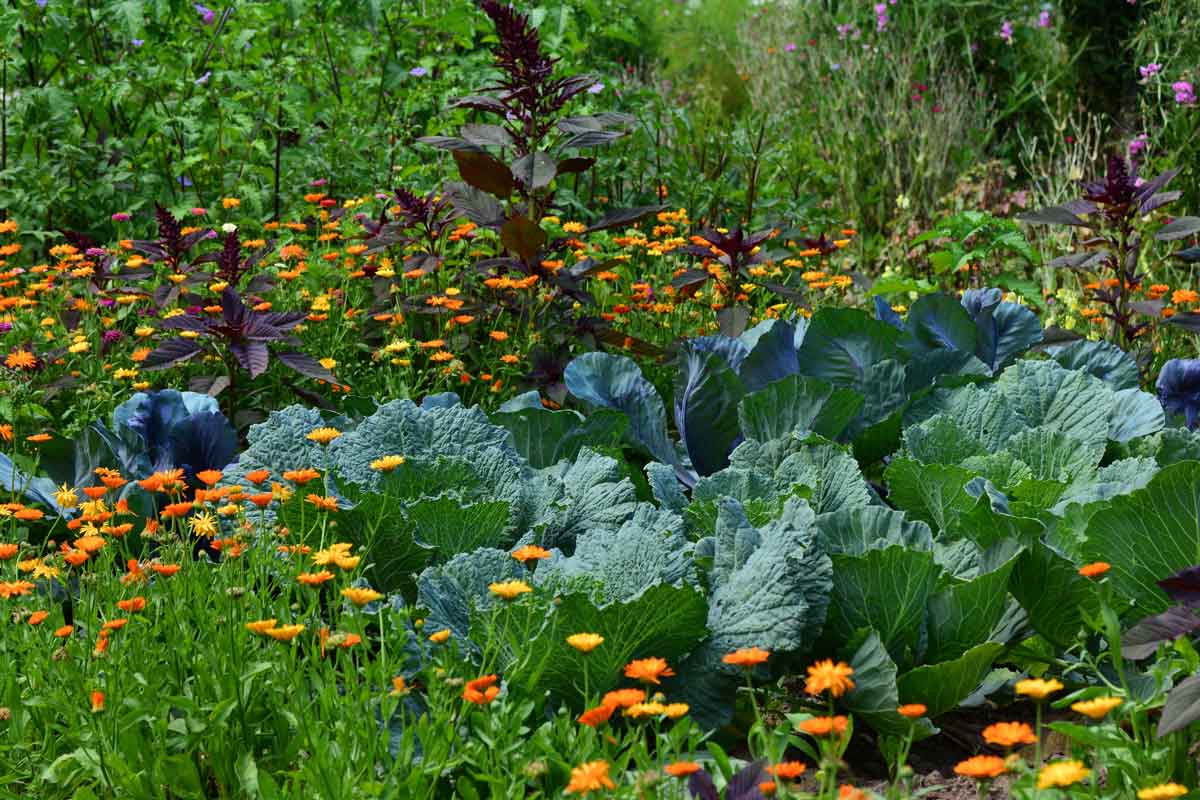
In the vegetable garden, plant flowers nearby to attract pollinating insects. In terms of crop rotation, wait 3 years before growing Solanaceae in the same place.
Cultivation
Care
Intended location
Planting & care advice
-
-
-
-
-
-
-
-
This item has not been reviewed yet - be the first to leave a review about it.
Recently viewed products
Haven't found what you were looking for?
Hardiness is the lowest winter temperature a plant can endure without suffering serious damage or even dying. However, hardiness is affected by location (a sheltered area, such as a patio), protection (winter cover) and soil type (hardiness is improved by well-drained soil).
In temperate climates, pruning of spring-flowering shrubs (forsythia, spireas, etc.) should be done just after flowering.
Pruning of summer-flowering shrubs (Indian Lilac, Perovskia, etc.) can be done in winter or spring.
In cold regions as well as with frost-sensitive plants, avoid pruning too early when severe frosts may still occur.
The harvesting period indicated on our website applies to countries and regions in USDA zone 8 (France, England, Ireland, the Netherlands).
In colder areas (Scandinavia, Poland, Austria...) fruit and vegetable harvests are likely to be delayed by 3-4 weeks.
In warmer areas (Italy, Spain, Greece, etc.), harvesting will probably take place earlier, depending on weather conditions.
The sowing periods indicated on our website apply to countries and regions within USDA Zone 8 (France, UK, Ireland, Netherlands).
In colder areas (Scandinavia, Poland, Austria...), delay any outdoor sowing by 3-4 weeks, or sow under glass.
In warmer climes (Italy, Spain, Greece, etc.), bring outdoor sowing forward by a few weeks.
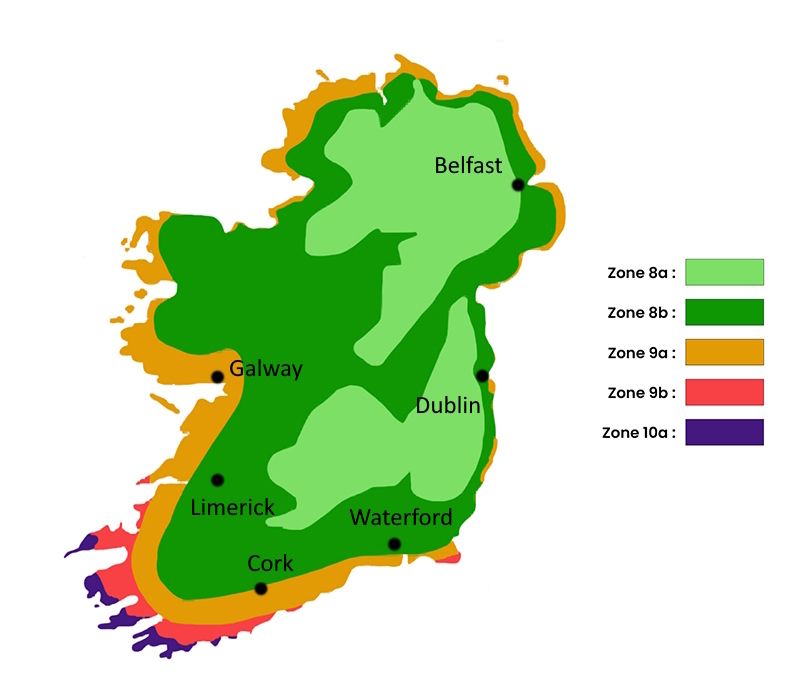
The planting period indicated on our website applies to regions in USDA Zone 9a (East Coast and Midlands: Dublin, Wexford, Waterford, Kilkenny, Portlaoise). It will vary depending on where you live:
- On the west coast and in the north-west (Galway, Limerick, Sligo, Donegal, Westport), delay planting by 1 to 2 weeks in spring and bring it forward by 1 to 2 weeks in autumn compared to the dates given, preferably choosing periods without strong winds.
- In the inland hills and plateaus (Wicklow Mountains, Macgillycuddy’s Reeks, Connemara, Killarney), it is best to plant in spring (April–May) or autumn (September–October), avoiding periods of waterlogged soil in winter and strong winds, which pose the main risk to newly planted trees in these areas.
The flowering period indicated on our website applies to regions in USDA Zone 9a, such as the East Coast and Midlands, including Dublin, Wexford, Waterford, Kilkenny and Portlaoise.
This will vary depending on where you live:
- On the west coast and in the northwest (Galway, Limerick, Sligo, Donegal and Westport), it will be delayed by one to two weeks compared to the given dates, due to stronger Atlantic winds and less spring sunshine.
- In the inland hills and plateaus (the Wicklow Mountains, the Macgillycuddy's Reeks, Connemara and Killarney), flowering will be delayed by two to three weeks. Flowering mainly occurs between May and July, with the limiting factors being less frost and more of the excessive humidity, strong winds and lack of sunshine that are characteristic of these areas.
Shipping country and language
Your country of residence may be:
Your country of residence is:
For a better user experience on our website, you can select:
Your shipping country:
-
 Austria
-
 Belgium
-
 Bosnia & Herzegovina
-
 Bulgaria
-
 Croatia
-
 Cyprus
-
 Czechia
-
 Denmark
-
 Estonia
-
 Finland
-
 France
-
 Germany
-
 Greece
-
 Hungary
-
 Iceland
-
 Ireland
-
 Italy
Italy
-
 Latvia
-
 Liechtenstein
-
 Lithuania
-
 Luxembourg
-
 Malta
Malta
-
 Netherlands
-
 Poland
-
 Portugal
-
 Romania
-
 Serbia
-
 Slovakia
-
 Slovenia
-
 Spain
Spain
-
 Sweden
-
 Switzerland
Language:
-
French
-
 English
-
Spanish
-
Italian
-
German
-
Portuguese
-
Dutch
-
Finnish
My Account
Hello
My wish lists
My cart
Log in / Register
Existing customer?
This form is protected by reCAPTCHA - the Google Privacy Policy and Terms of Service apply.
New customer?
Create an account to track your orders, access our customer service and, if you wish, make the most of our upcoming offers.