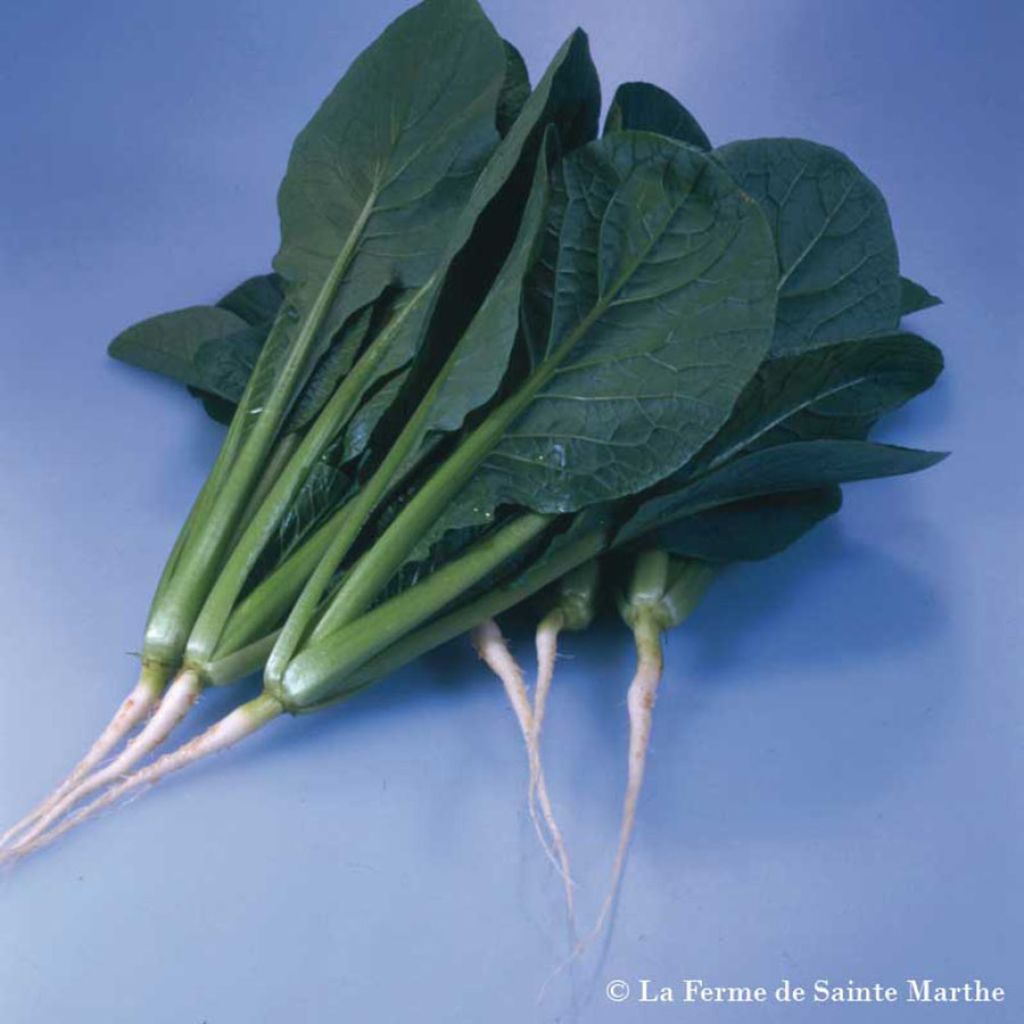
Komatsuna Riokai - Ferme de Sainte Marthe untreated seeds

Komatsuna Riokai - Ferme de Sainte Marthe untreated seeds
Komatsuna Riokai - Ferme de Sainte Marthe untreated seeds
Brassica rapa var. perviridis Riokai
Spinach mustard
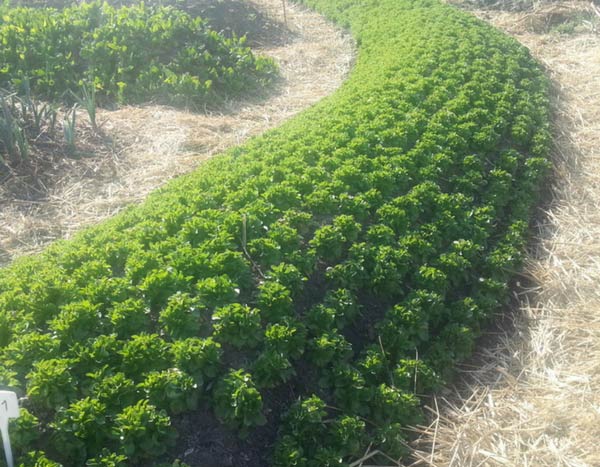
The seedlings are a bit fragile at first, but later form beautiful rosettes. Very tender raw, we liked them. At the end of the following winter, the unharvested rosettes transform into a bush covered with bright yellow flowers, much to the delight of all kinds of bees and bumblebees.
Cécile, 13/04/2020
Back-to-school special offer!
Get €10 off for every €50 you spend! And get up to €40 off on a single order.
How does it work?
1. Shop your favourites
Add your favourite plants to your basket. For every €50 you spend (excluding delivery charges, store credit and the plastic-free option), you’ll receive a €10 voucher.
€50 spent = €10 voucher
€100 spent = €20 voucher
€150 spent = €30 voucher
€200 spent = €40 voucher
2. Place your order
Once your basket reaches one of the spending thresholds, place your order. You can even choose your delivery date!
3. Receive your voucher
As soon as your order has been shipped, you’ll receive an email containing your personal voucher code and its value.
4. Use it on your next order
Your voucher is valid for 90 days from the date you receive it. It can be used once only, on a new order worth at least the value of the voucher, excluding delivery charges.
Please note: Vouchers can be combined with other offers, but cannot be split or refunded.
Why not try an alternative variety in stock?
View all →
Available in 1 sizes
Available in 1 sizes
Available in 1 sizes
Available in 1 sizes
Available in 1 sizes
Available in 1 sizes
Available in 1 sizes
Available in 1 sizes
Available in 1 sizes
Available in 1 sizes
This plant carries a 6 months recovery warranty
More information
We guarantee the quality of our plants for a full growing cycle, and will replace at our expense any plant that fails to recover under normal climatic and planting conditions.

Description
Komatsuna Riokai, also known as spinach mustard, is a leaf vegetable that is widely used in Japanese and Korean cuisine. The 20-30 cm high plants form fairly thick, dark green stems and leaves that have a mildly spicy flavour. Delicious eaten raw as salads greens, cooked like spinach or added to soups. This variety is particularly rich in calcium. Direct sow from March to September and harvest from June to October.
Komatsuna is a biennial plant, grown as an annual. It is remarkably healthy thanks to its high vitamin A, K and C content. It is also a good source of fibre and minerals such as calcium and potassium.
Komatsuna is very easy to grow, being both vigorous and cold-resistant. Ideal for winter crops! It requires full sun with rich, deep, well-drained soil and regular watering.
Harvest: Harvest the leaves as and when required by cutting them off at ground level. If the plant is well established, it will continue putting out new leaves for several months.
Storage: Komatsuna will keep for several days in the refrigerator.
Good to know: Mulching with grass clippings or dead leaves will help keep the soil moist whilst limiting weed growth.
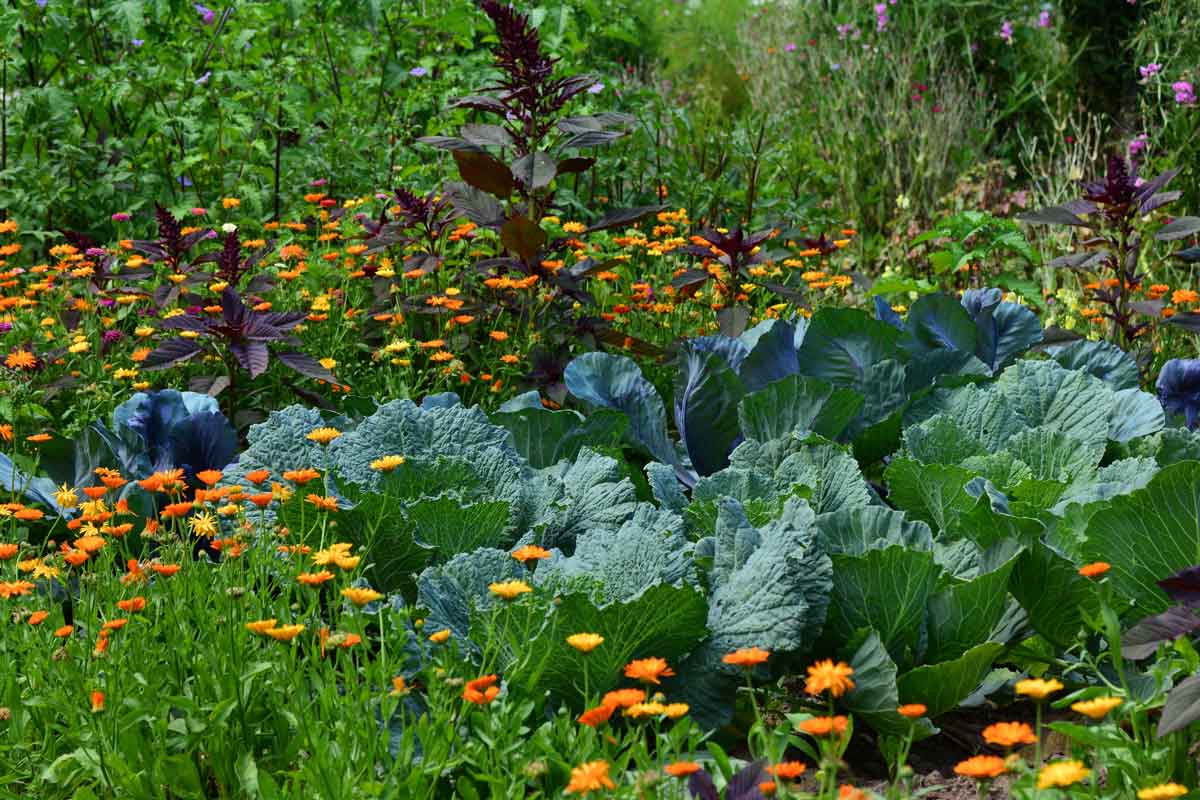
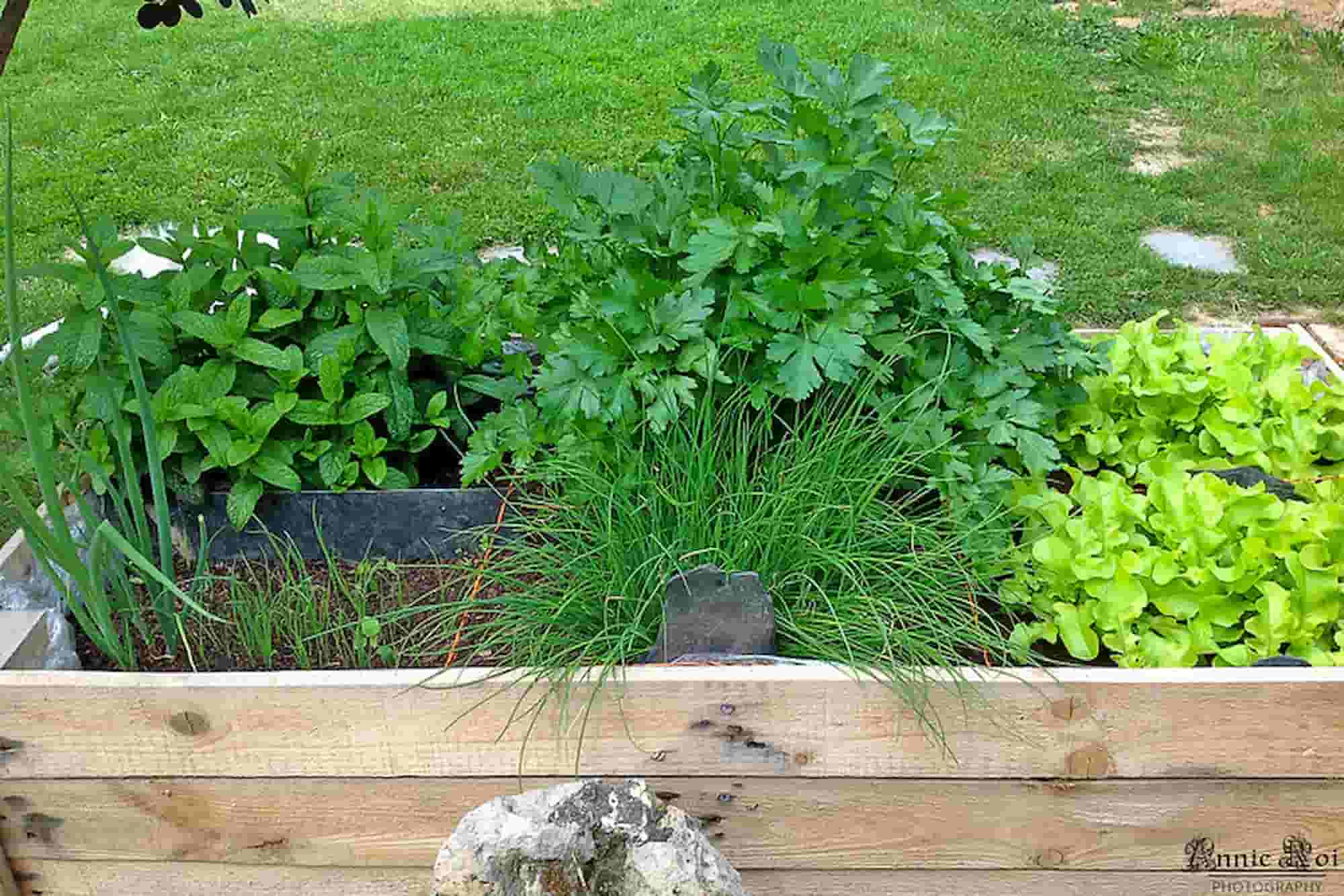
Even if the vegetable garden is first and foremost a place for growing great quality veg, it’s always a good idea to leave a bit of room for flowers. Growing flowers alongside your vegetable plants will make your general gardening experience more enjoyable and is a great way to attract pollinators and repel garden pests! Flowers such as gaillardia, marigolds, zinnias, cosmos or nasturtiums can be sown in and around the rows of vegetables. Herbs such as dill can be very useful also. Bear in mind that some companion plants self-seed easily and can be a bit invasive (borage, chives, lemon balm etc.)
NB. Untreated seeds are produced from conventionally grown plants (that are often treated with phytosanitary products); however they do not undergo any post-harvest treatment. These seeds are approved for organic market gardening when organic seeds are not available.
Report an error about the product description
Harvest
Plant habit
Foliage
Botanical data
Brassica
rapa var. perviridis
Riokai
Brassicaceae
Spinach mustard
East Asia
Annual
Planting and care
Sowing: the germination temperature is around 14°C and takes about 14 days.
You can proceed with direct sowing in place or prepare seedlings that will then be installed in the garden in their final position.
Preparing seedlings: under shelter or in a nursery in the garden for the rest of the year (according to the recommended sowing period), sow the seeds at a depth of 1 to 2 cm in a good seed compost or fine soil. Lightly cover with compost and remember to keep the substrate moist but not waterlogged.
When the young plants appear strong enough to be handled, transplant them into pots if necessary before transplanting them to the garden, when there is no longer any risk of frost. When planting, respect the recommended spacing for direct sowing.
Direct sowing: in properly amended and finely worked soil, create furrows with a depth of one or two centimeters, spaced 20 centimeters apart. Sow the seeds and cover them with a thin layer of fine soil. When the seedlings are well developed, thin them out, keeping one plant every 20 centimeters or so.
Cultivation: Japanese cabbage is grown in full sun. It is a demanding vegetable that requires well-rotted, nitrogen-rich and potassium-rich soil. It is advisable to make a generous compost application (about 3/4 kg per m2), by scratching the soil to a depth of 5 cm, preferably in autumn, after having thoroughly loosened the soil, as is the case with all vegetable crops. It is not very tolerant of soil pH, which should be between 5.6 and 6.5. In acidic soil, it will be necessary to gradually raise this pH by adding calcium in the form of Dolomite or Lime.
Beware of pests such as Cabbage White Butterfly or Flea Beetles and consider installing insect netting.
Seedlings
Care
Intended location
Planting & care advice
-
-
-
-
-

-
-
-

-
, onOrder confirmed
Reply from on Promesse de fleurs
Recently viewed products
Haven't found what you were looking for?
Hardiness is the lowest winter temperature a plant can endure without suffering serious damage or even dying. However, hardiness is affected by location (a sheltered area, such as a patio), protection (winter cover) and soil type (hardiness is improved by well-drained soil).
In temperate climates, pruning of spring-flowering shrubs (forsythia, spireas, etc.) should be done just after flowering.
Pruning of summer-flowering shrubs (Indian Lilac, Perovskia, etc.) can be done in winter or spring.
In cold regions as well as with frost-sensitive plants, avoid pruning too early when severe frosts may still occur.
The harvesting period indicated on our website applies to countries and regions in USDA zone 8 (France, England, Ireland, the Netherlands).
In colder areas (Scandinavia, Poland, Austria...) fruit and vegetable harvests are likely to be delayed by 3-4 weeks.
In warmer areas (Italy, Spain, Greece, etc.), harvesting will probably take place earlier, depending on weather conditions.
The sowing periods indicated on our website apply to countries and regions within USDA Zone 8 (France, UK, Ireland, Netherlands).
In colder areas (Scandinavia, Poland, Austria...), delay any outdoor sowing by 3-4 weeks, or sow under glass.
In warmer climes (Italy, Spain, Greece, etc.), bring outdoor sowing forward by a few weeks.
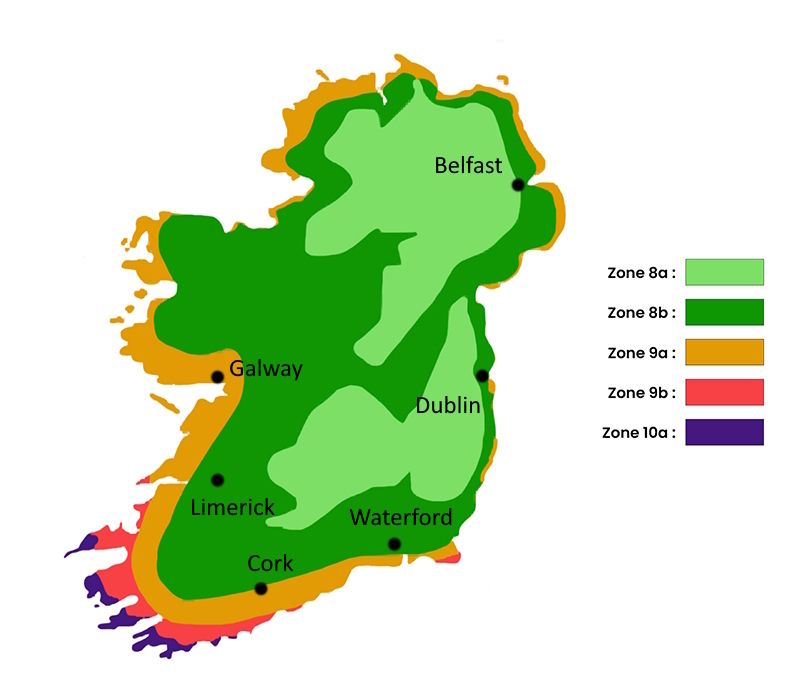
The planting period indicated on our website applies to regions in USDA Zone 9a (East Coast and Midlands: Dublin, Wexford, Waterford, Kilkenny, Portlaoise). It will vary depending on where you live:
- On the west coast and in the north-west (Galway, Limerick, Sligo, Donegal, Westport), delay planting by 1 to 2 weeks in spring and bring it forward by 1 to 2 weeks in autumn compared to the dates given, preferably choosing periods without strong winds.
- In the inland hills and plateaus (Wicklow Mountains, Macgillycuddy’s Reeks, Connemara, Killarney), it is best to plant in spring (April–May) or autumn (September–October), avoiding periods of waterlogged soil in winter and strong winds, which pose the main risk to newly planted trees in these areas.
The flowering period indicated on our website applies to regions in USDA Zone 9a, such as the East Coast and Midlands, including Dublin, Wexford, Waterford, Kilkenny and Portlaoise.
This will vary depending on where you live:
- On the west coast and in the northwest (Galway, Limerick, Sligo, Donegal and Westport), it will be delayed by one to two weeks compared to the given dates, due to stronger Atlantic winds and less spring sunshine.
- In the inland hills and plateaus (the Wicklow Mountains, the Macgillycuddy's Reeks, Connemara and Killarney), flowering will be delayed by two to three weeks. Flowering mainly occurs between May and July, with the limiting factors being less frost and more of the excessive humidity, strong winds and lack of sunshine that are characteristic of these areas.
Shipping country and language
Your country of residence may be:
Your country of residence is:
For a better user experience on our website, you can select:
Your shipping country:
-
 Austria
-
 Belgium
-
 Bosnia & Herzegovina
-
 Bulgaria
-
 Croatia
-
 Cyprus
-
 Czechia
-
 Denmark
-
 Estonia
-
 Finland
-
 France
-
 Germany
-
 Greece
-
 Hungary
-
 Iceland
-
 Ireland
-
 Italy
Italy
-
 Latvia
-
 Liechtenstein
-
 Lithuania
-
 Luxembourg
-
 Malta
Malta
-
 Netherlands
-
 Poland
-
 Portugal
-
 Romania
-
 Serbia
-
 Slovakia
-
 Slovenia
-
 Spain
Spain
-
 Sweden
-
 Switzerland
Language:
-
French
-
 English
-
Spanish
-
Italian
-
German
-
Portuguese
-
Dutch
-
Finnish
My Account
Hello
My wish lists
My cart
Log in / Register
Existing customer?
This form is protected by reCAPTCHA - the Google Privacy Policy and Terms of Service apply.
New customer?
Create an account to track your orders, access our customer service and, if you wish, make the most of our upcoming offers.