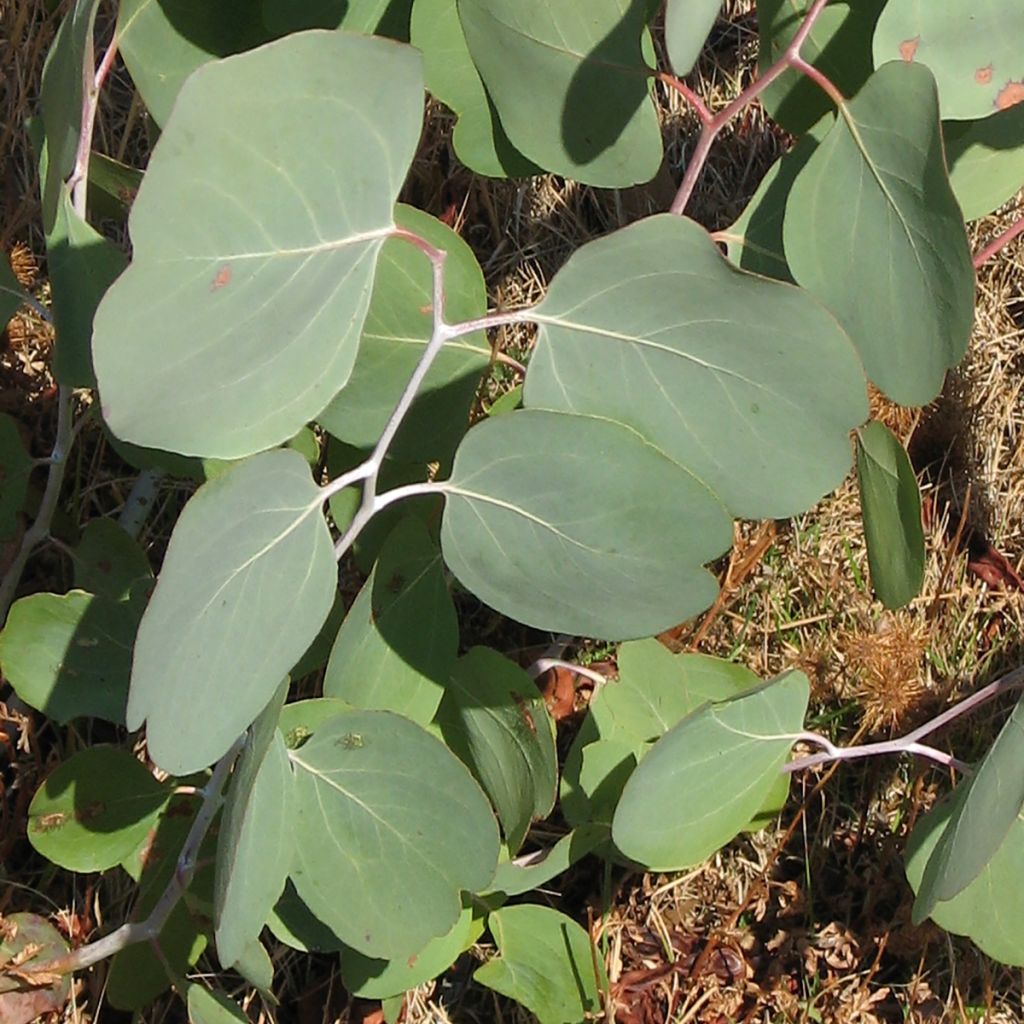
Eucalyptus polyanthemos seeds
Eucalyptus polyanthemos seeds
Eucalyptus polyanthemos
Red Box, Silver Dollar Tree, Australian beech
Back-to-school special offer!
Get €10 off for every €50 you spend! And get up to €40 off on a single order.
How does it work?
1. Shop your favourites
Add your favourite plants to your basket. For every €50 you spend (excluding delivery charges, store credit and the plastic-free option), you’ll receive a €10 voucher.
€50 spent = €10 voucher
€100 spent = €20 voucher
€150 spent = €30 voucher
€200 spent = €40 voucher
2. Place your order
Once your basket reaches one of the spending thresholds, place your order. You can even choose your delivery date!
3. Receive your voucher
As soon as your order has been shipped, you’ll receive an email containing your personal voucher code and its value.
4. Use it on your next order
Your voucher is valid for 90 days from the date you receive it. It can be used once only, on a new order worth at least the value of the voucher, excluding delivery charges.
Please note: Vouchers can be combined with other offers, but cannot be split or refunded.
Home or relay delivery (depending on size and destination)
Important: You may be charged customs duties by your country’s customs authorities upon delivery.
Schedule delivery date
and select date in basket
This plant carries a 6 months recovery warranty
More information
We guarantee the quality of our plants for a full growing cycle, and will replace at our expense any plant that fails to recover under normal climatic and planting conditions.
Does this plant fit my garden?
Set up your Plantfit profile →
Description
Eucalyptus polyanthemos is commonly known as the flowering gum, which highlights one of its ornamental attractions. This fast-growing tree of Australian origin reaches up to twenty metres in the wild. It is sought after for its beautiful, blue-green juvenile heart-shaped foliage. In addition to its cream-white flowers at the end of the year and in winter in our climates, it develops attractive decorative bark. Grown in full sun, it is relatively tolerant when it comes to soil, even coping with a little lime. Adapting to both somewhat dry and wetter soils (provided they are well-drained), it is, however, demanding when it comes to temperatures, only withstanding brief frosts of around -4°C to -5°C, which limits its viable outdoor zone to milder climates. Sowing is a little tricky, as the seeds are fine and sensitive to excess moisture.
Eucalyptus is a member of the Myrtaceae family, just like the mediteranean Common Myrtle, or Callistemon, its Australian cousin with the famous bottlebrush-shaped inflorescences. Eucalyptus polyanthemos is native to south-eastern Australia and has become naturalized in the west of the continent. Its natural range extends from the central plateaus and plains of western New South Wales to the eastern and central regions of the State of Victoria. It is generally found on sloping, shallow and poor terrain. In its native habitat, it can reach nearly 20 metres in height and is distinguished by rapid growth.
In our climates, Eucalyptus polyanthemos more commonly reaches 15 metres in height with an 8 to 10m spread, with a conical to rounded habit, or even spreading depending on age and available space. Equipped with a lignotuber, this species has a good capacity for regeneration, able to resprout from the stump after frost or fire damage. Its decorative bark is variable in appearance: sometimes smooth, sometimes dotted with greyish patches from to old layers that peel away. The base of the trunk generally remains rough and grey, while the smooth parts are adorned with light shades blending cream, white, grey and yellow.
Like many other Eucalyptus, this species develops both juvenile and adult foliage simultaneously on the same tree, sometimes with intermediate forms in the branching. The young foliage is particularly decorative: the heart-shaped leaves are always petiolate, opposite at the base of the shoots then alternate. The rounded to heart-shaped leaves measure about 2.5 to 6-7cm in length and width, and are grey-blue-green with a matt finish. The larger, elongated adult leaves measure up to 11cm in length and take on a deeper olive-green colour.
The ornamental flowering extends from September to January in our climates, depending on weather conditions, with a frequent peak in autumn. It is composed of large cream-white spherical clusters of numerous stamens surrounding a central pistil. These inflorescences, usually in groups of seven in small umbels are rich in nectar and attract bees. After flowering, woody fruits appear in the shape of small barrels, 5-6 mm long. The seeds are brown or grey and only 0.8 to 1.4mm in length. They must be sown fresh to achieve a good germination rate.
Eucalyptus polyanthemos withstands drought well once well established, but is not very hardy, tolerating only short and light frosts. Young specimens naturally tend to grow coppiced, which can give a slightly wilder look to a garden. This eucalyptus is perfectly at home in large gardens and parks along the Mediterranean coast. Plant it alongside other exotic-looking plants, such as the Cockspur Coral Tree with its spectacular coral-red flowering, the fascinating Orchid Tree, or the mythical Jacaranda mimosifolia, nicknamed the Blue Flamboyant due to the exuberance and azure colour of its flowering in large panicles.
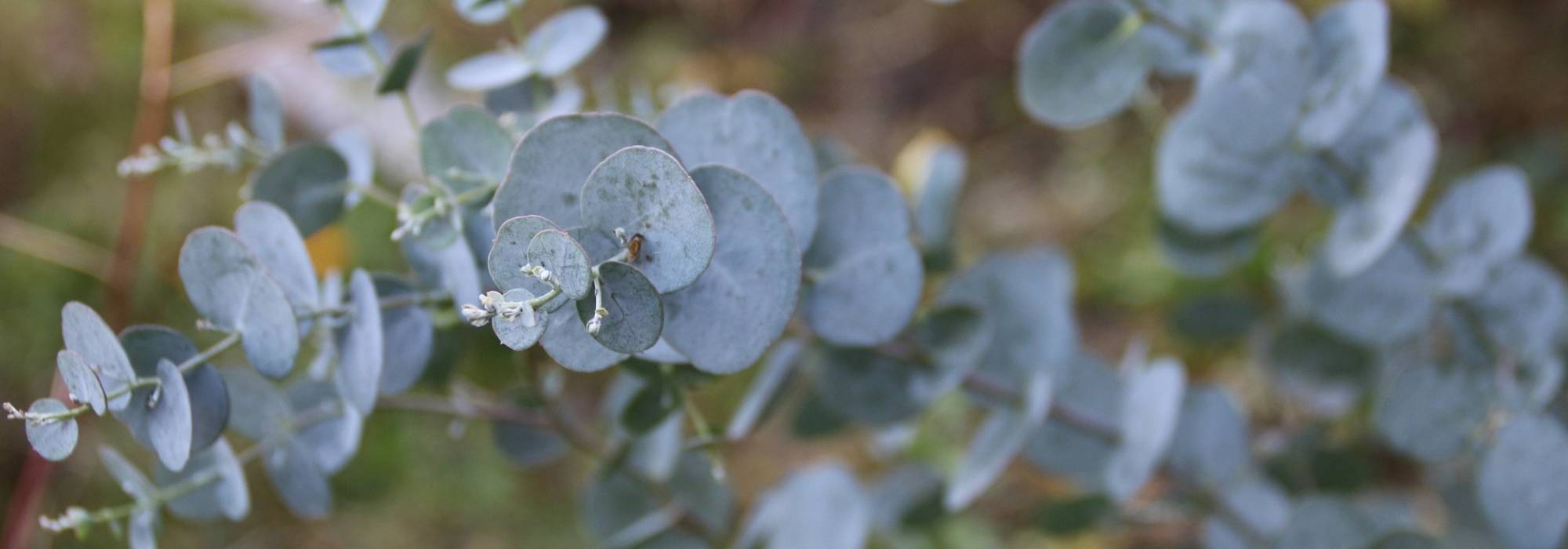
Flowering
Foliage
Plant habit
Botanical data
Eucalyptus
polyanthemos
Myrtaceae
Red Box, Silver Dollar Tree, Australian beech
Eucalyptus ovalifolia, Eucalyptus ovalifolia var. lanceolata, Eucalyptus ovalifolia var. ovalifolia, Eucalyptus polyanthema
Australia
Planting and care
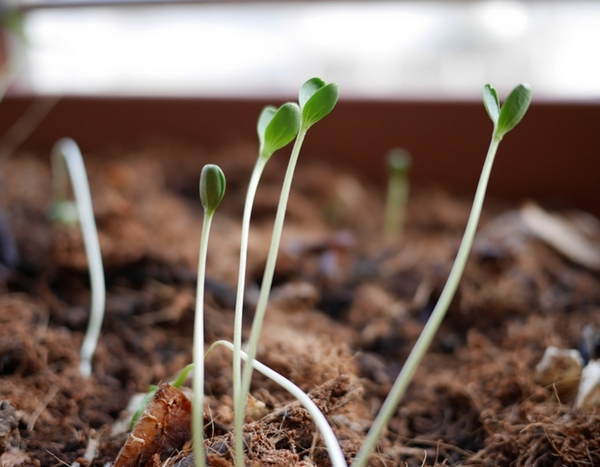
The ideal time to sow Eucalyptus polyanthemos seeds is from March to May under cover, or in late winter in a heated propagator. A temperature of 18 to 22°C is most suitable, with the success rate potentially dropping to below 20% if the growing medium is too cold.
The latter must be very well-draining; this is another key to success. Use a seed compost with a slightly acidic pH (6 to 6.5) and add 30% sand or perlite and 20% vermiculite. Place it in a seed tray or sowing tray, then sow the seeds on the surface, pressing them down gently with your fingers, but without covering them. You can dust a very fine layer of vermiculite over the top (max 1 mm), then spray a little water to moisten, but not too much! Keep the growing medium moist, but not waterlogged.
Ideally, place your tray in a mini propagator, which you should air daily to prevent excess humidity. It should be positioned in the light, avoiding direct sunlight. Germination will occur within 2 to 3 weeks, sometimes 30 days. Remove the lid as soon as the seedlings appear, then prick out the young plants once they have developed 3 to 4 true leaves. Take care when handling them, as the roots are fragile. Use individual pots to grow on your young Eucalyptus and gradually acclimatise them to outdoor conditions before planting them in their final position. This should be sunny, preferably in neutral to slightly acidic, moist to dry soil, above all well-drained.
The success rate of sowing generally ranges from 60 to 80% but can drop if you overwater the young plants, risking damping-off (a fungus attacks the collar of the seedlings, which then irreversibly collapse).
Sowing period
Intended location
Planting & care advice
-
-
-

-
-

-

-
-
This item has not been reviewed yet - be the first to leave a review about it.
Recently viewed products
Haven't found what you were looking for?
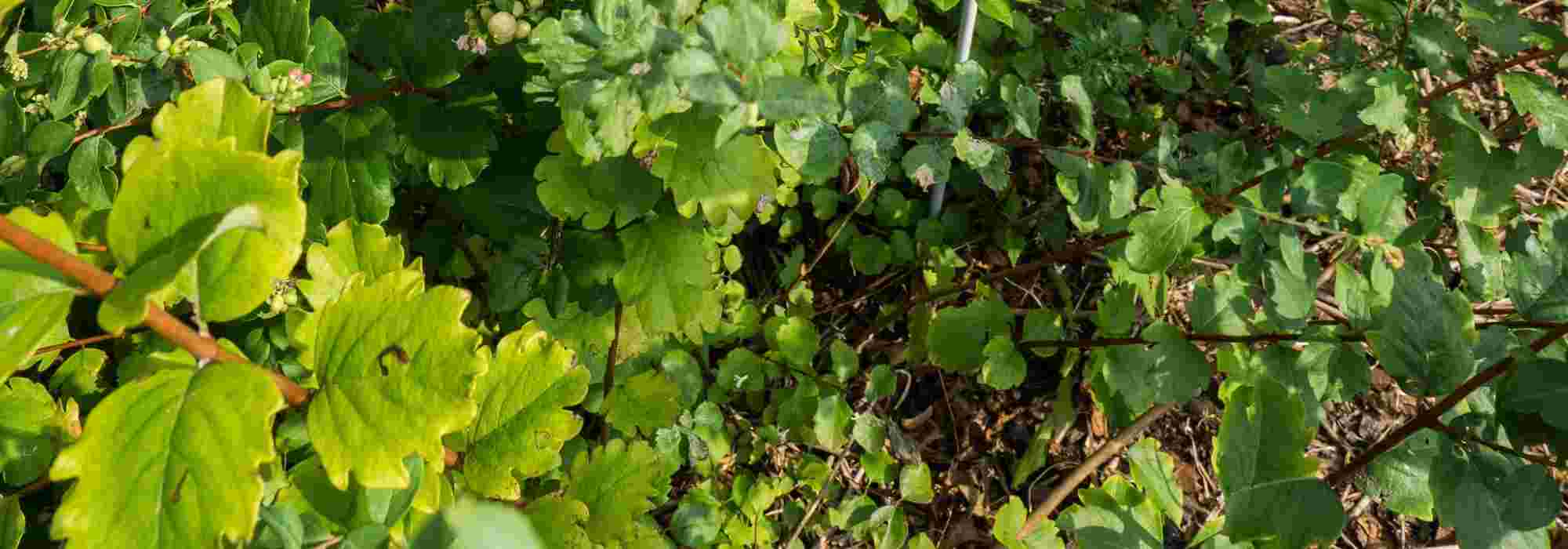
Hardiness is the lowest winter temperature a plant can endure without suffering serious damage or even dying. However, hardiness is affected by location (a sheltered area, such as a patio), protection (winter cover) and soil type (hardiness is improved by well-drained soil).
In temperate climates, pruning of spring-flowering shrubs (forsythia, spireas, etc.) should be done just after flowering.
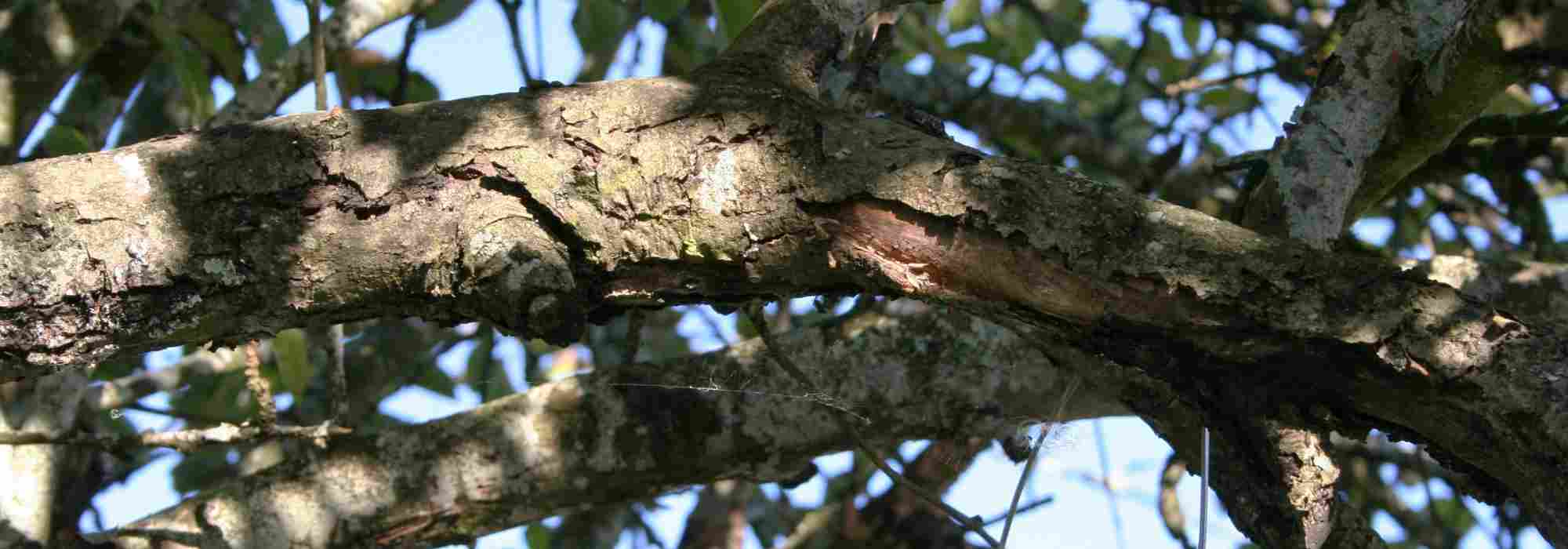
Pruning of summer-flowering shrubs (Indian Lilac, Perovskia, etc.) can be done in winter or spring.
In cold regions as well as with frost-sensitive plants, avoid pruning too early when severe frosts may still occur.
The harvesting period indicated on our website applies to countries and regions in USDA zone 8 (France, England, Ireland, the Netherlands).
In colder areas (Scandinavia, Poland, Austria...) fruit and vegetable harvests are likely to be delayed by 3-4 weeks.
In warmer areas (Italy, Spain, Greece, etc.), harvesting will probably take place earlier, depending on weather conditions.
The sowing periods indicated on our website apply to countries and regions within USDA Zone 8 (France, UK, Ireland, Netherlands).
In colder areas (Scandinavia, Poland, Austria...), delay any outdoor sowing by 3-4 weeks, or sow under glass.
In warmer climes (Italy, Spain, Greece, etc.), bring outdoor sowing forward by a few weeks.
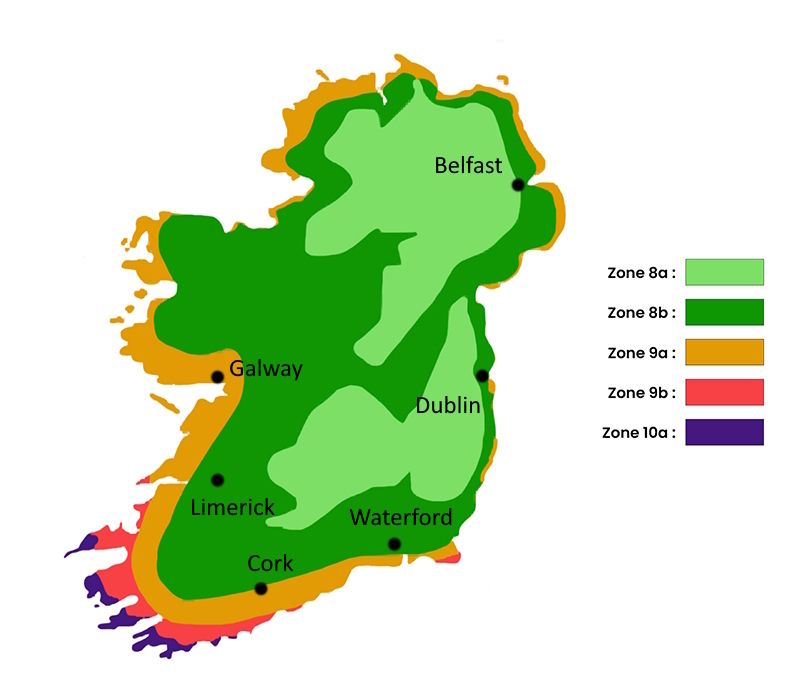
The planting period indicated on our website applies to regions in USDA Zone 9a (East Coast and Midlands: Dublin, Wexford, Waterford, Kilkenny, Portlaoise). It will vary depending on where you live:
- On the west coast and in the north-west (Galway, Limerick, Sligo, Donegal, Westport), delay planting by 1 to 2 weeks in spring and bring it forward by 1 to 2 weeks in autumn compared to the dates given, preferably choosing periods without strong winds.
- In the inland hills and plateaus (Wicklow Mountains, Macgillycuddy’s Reeks, Connemara, Killarney), it is best to plant in spring (April–May) or autumn (September–October), avoiding periods of waterlogged soil in winter and strong winds, which pose the main risk to newly planted trees in these areas.
The flowering period indicated on our website applies to regions in USDA Zone 9a, such as the East Coast and Midlands, including Dublin, Wexford, Waterford, Kilkenny and Portlaoise.
This will vary depending on where you live:
- On the west coast and in the northwest (Galway, Limerick, Sligo, Donegal and Westport), it will be delayed by one to two weeks compared to the given dates, due to stronger Atlantic winds and less spring sunshine.
- In the inland hills and plateaus (the Wicklow Mountains, the Macgillycuddy's Reeks, Connemara and Killarney), flowering will be delayed by two to three weeks. Flowering mainly occurs between May and July, with the limiting factors being less frost and more of the excessive humidity, strong winds and lack of sunshine that are characteristic of these areas.
Shipping country and language
Your country of residence may be:
Your country of residence is:
For a better user experience on our website, you can select:
Your shipping country:
-
 Austria
-
 Belgium
-
 Bosnia & Herzegovina
-
 Bulgaria
-
 Croatia
-
 Cyprus
-
 Czechia
-
 Denmark
-
 Estonia
-
 Finland
-
 France
-
 Germany
-
 Greece
-
 Hungary
-
 Iceland
-
 Ireland
-
 Italy
Italy
-
 Latvia
-
 Liechtenstein
-
 Lithuania
-
 Luxembourg
-
 Malta
Malta
-
 Netherlands
-
 Poland
-
 Portugal
-
 Romania
-
 Serbia
-
 Slovakia
-
 Slovenia
-
 Spain
Spain
-
 Sweden
-
 Switzerland
Language:
-
French
-
 English
-
Spanish
-
Italian
-
German
-
Portuguese
-
Dutch
-
Finnish
My Account
Hello
My wish lists
My cart
Log in / Register
Existing customer?
This form is protected by reCAPTCHA - the Google Privacy Policy and Terms of Service apply.
New customer?
Create an account to track your orders, access our customer service and, if you wish, make the most of our upcoming offers.