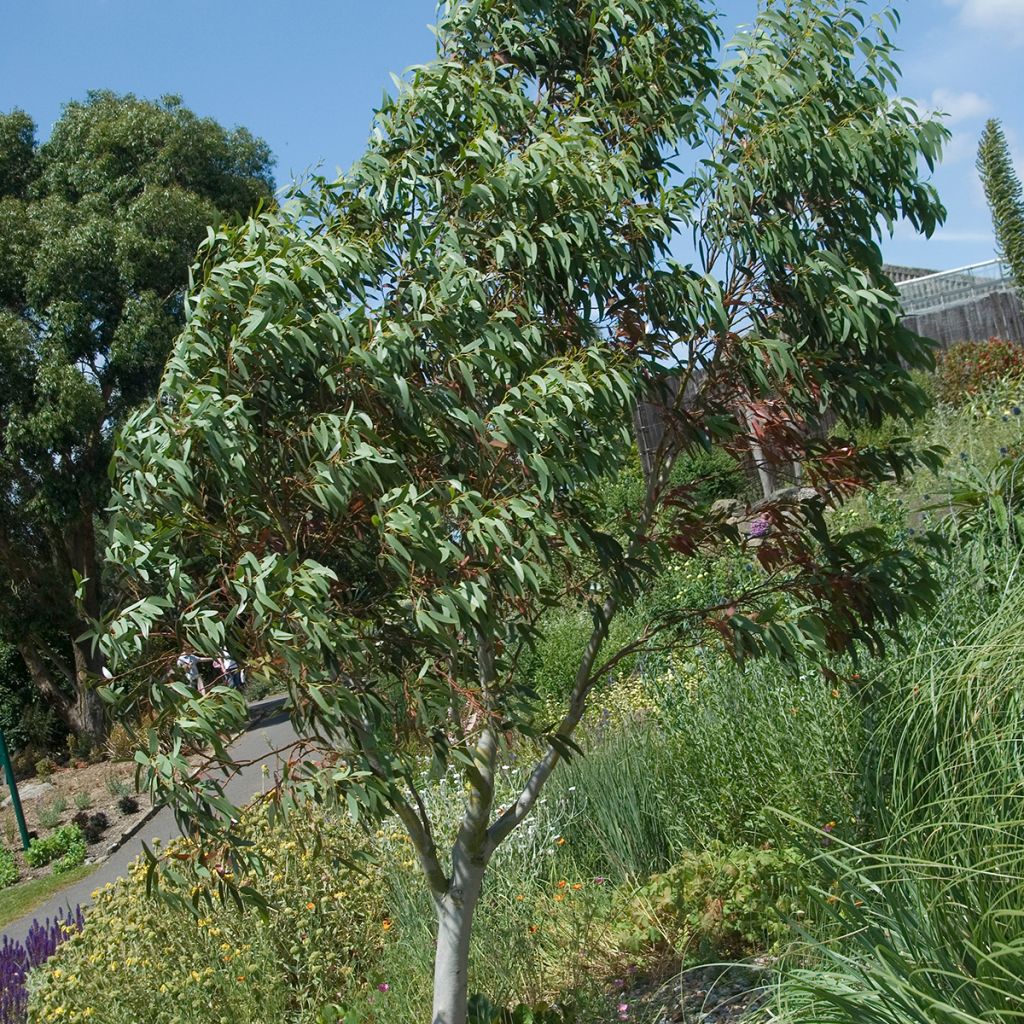
Eucalyptus niphophila seeds - Snow gum
Eucalyptus niphophila seeds - Snow gum
Eucalyptus niphophila
Back-to-school special offer!
Get €10 off for every €50 you spend! And get up to €40 off on a single order.
How does it work?
1. Shop your favourites
Add your favourite plants to your basket. For every €50 you spend (excluding delivery charges, store credit and the plastic-free option), you’ll receive a €10 voucher.
€50 spent = €10 voucher
€100 spent = €20 voucher
€150 spent = €30 voucher
€200 spent = €40 voucher
2. Place your order
Once your basket reaches one of the spending thresholds, place your order. You can even choose your delivery date!
3. Receive your voucher
As soon as your order has been shipped, you’ll receive an email containing your personal voucher code and its value.
4. Use it on your next order
Your voucher is valid for 90 days from the date you receive it. It can be used once only, on a new order worth at least the value of the voucher, excluding delivery charges.
Please note: Vouchers can be combined with other offers, but cannot be split or refunded.
Home or relay delivery (depending on size and destination)
Important: You may be charged customs duties by your country’s customs authorities upon delivery.
Schedule delivery date,
and select date in basket
This plant carries a 6 months recovery warranty
More information
We guarantee the quality of our plants for a full growing cycle, and will replace at our expense any plant that fails to recover under normal climatic and planting conditions.
Does this plant fit my garden?
Set up your Plantfit profile →
Description
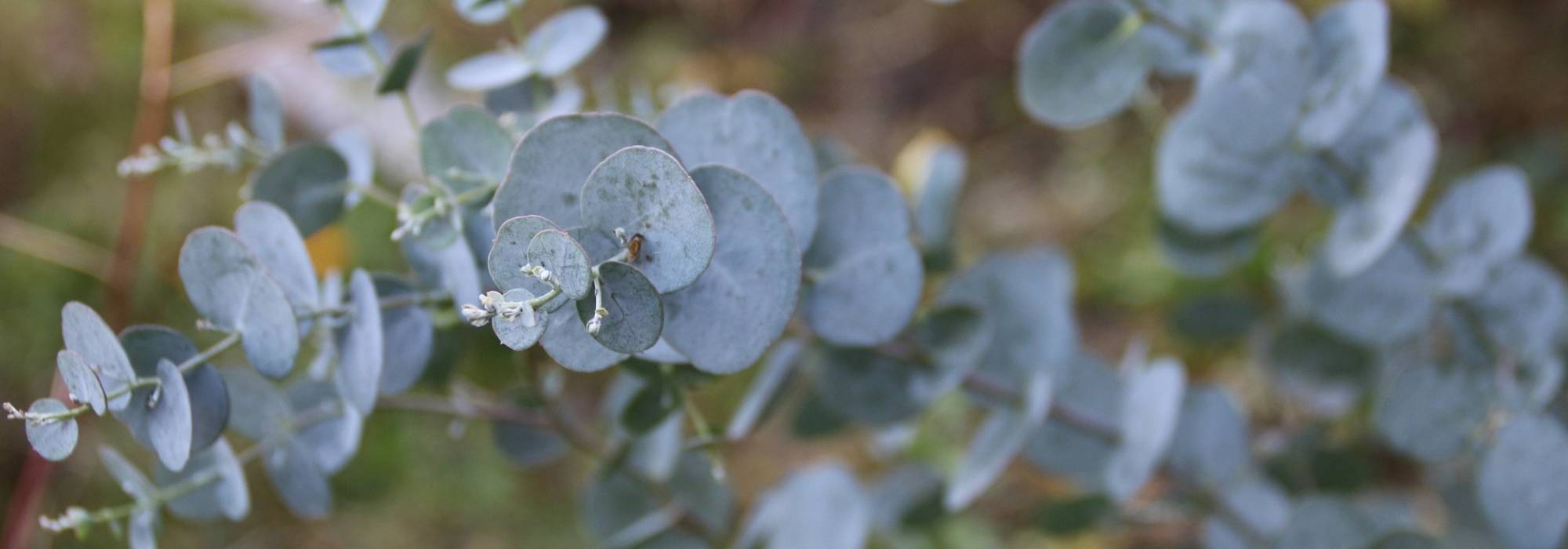
Eucalyptus niphophila is, thanks to its high hardiness, one of the most interesting species for our temperate climates. This small tree or large evergreen shrub has an expressive silhouette, marked by a trunk and branches with twisted forms, as well as highly decorative bark. This bark peels off in large strips over the years, creating a striking play of colours blending cream, grey, brown and red. In spring, it is adorned with a generous flowering of small white spheres, like pom-poms. Its dense foliage, formed of long, narrow, silvery-grey leaves, remains decorative all year round and makes an excellent evergreen screen in a hedge or border. Extremely cold-resistant, it can be grown in many regions, including at medium altitudes, provided it is planted in full sun in well-drained, low-lime soil. It is fairly easy to propagate by sowing indoors, in a bright room at medium temperature.
Eucalyptus is a member of the Myrtaceae family, which includes many other ornamental genera, such as Myrtle, widespread in Mediterranean regions, or the superb Leptospermum, or Tea Tree. Eucalyptus pauciflora subsp. niphophila, nicknamed the snow gum, is native to south-eastern Australia, more precisely the slopes of Mount Kosciuszko, where it grows in high-altitude valleys long covered in snow. This subspecies, awarded an Award of Garden Merit in 1993 for its many ornamental qualities, stands out for its moderate growth for an Eucalyptus. It forms a sinuous trunk, most often branched from the base, topped with a bushy, slightly spreading crown. More often shrubby in habit, it can, however, be pruned to give it the appearance of a small tree and thus highlight its trunk. At maturity, it generally reaches 6 to 8 metres in height for about 6 metres in width, with a medium growth rate, more moderate, particularly in cold climates, than that of the subtropical species.
The young shoots, tinged with red, bear evergreen foliage composed of long, narrow, pointed leaves, approximately 10cm long, with a firm and slightly glossy texture. Green when young, they evolve towards glaucous to silvery-grey shades and release a subtle fragrance when crushed. Flowering occurs between May and June in our latitudes, on well-established specimens. The flowers have no petals; they are made up of numerous creamy-white stamens gathered in compact balls, appearing in groups of three along the branches. These are followed by large conical green fruits, turning brown at maturity. Each year, the old reddish-brown bark peels off in large patches, revealing a new surface with luminous tones of bluish-white, cream, cinnamon and almond green. Unlike many eucalyptus, this species tolerates transplanting fairly well, even at an advanced age.
The Snow Gum is a true blessing for gardeners who love exoticism but live in cool or even cold regions in winter. This species adapts even to semi-mountain climates as well as regions with dry summers, which can be the case in continental climates. It can be hardy to –18 to –20°C, particularly in well-drained soil or under snow cover. Thanks to its dense branching, Eucalyptus niphophila makes an excellent evergreen screen and naturally finds a place in woodland plantings. In cold regions, have fun creating a tropical-inspired scene by selecting other hardy plants with an exotic look, such as Asimina, nicknamed the northern mango because of its fruits. Hardy in some climates, Cytisus battandieri has downy compound foliage and large clusters of yellow flowers that smell of pineapple! In a contemporary garden, you could also take the opportunity to grow many young plants from your seeds at little cost to plant as a screen, at the foot of which you can plant red-stemmed dogwoods such as Cornus alba 'Baton Rouge' to create a striking contrast.
Flowering
Foliage
Plant habit
Botanical data
Eucalyptus
niphophila
Myrtaceae
Eucalyptus pauciflora subsp. niphophila
Australia
Planting and care
Sow Eucalyptus niphophila seeds in late winter or early spring. Use a very free-draining substrate, for example, by adding coarse sand or perlite to a commercial seed compost (50/50). Choose a compost with a neutral or slightly acidic pH. As the seeds are very fine, do not bury them; simply scatter them on the surface and press them gently onto the substrate with your finger. Moisten with a small sprayer and maintain a consistently moderate humidity level, bearing in mind that excess water is particularly harmful.
Maintain a temperature of 15 to 20°C and fairly bright light, avoiding direct sunlight at first. The temperature of a normal room is perfectly suitable, as this species has lower requirements than tropical ones.
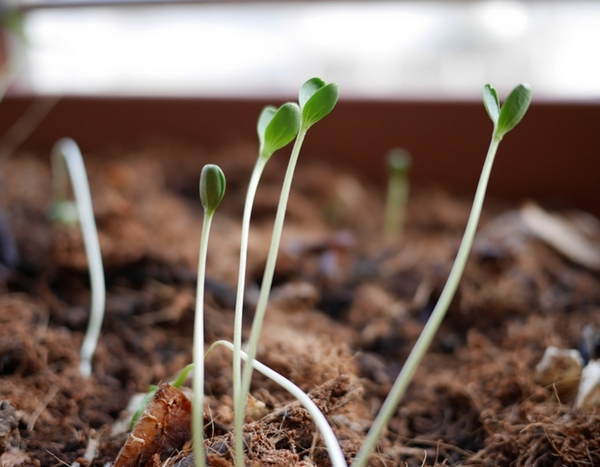
Germination occurs within 10 to 30 days, though sometimes longer. The success rate is generally between 50 and 70%. This result can be further improved by a light cold stratification, which involves placing the seeds in a bag in the refrigerator for 2 to 3 weeks.
Once the young plants have developed 4 or 5 true leaves, prick them out into individual pots or containers to grow them on. Be careful with the roots, as they are fragile! When your plants have reached a sufficient size (40cm or more), plant them directly into the ground in a sunny position and in well-drained soil. Protect them for the first two winters (with horticultural fleece, 30 g/m², for example), as although the mature tree is very cold-hardy, this is not the case in its juvenile state!
To succeed in sowing Eucalyptus regnans seeds, it is recommended to give them a cold treatment first, to obtain more even germination.
Mix the seeds with a little slightly moist sand or vermiculite and place in the refrigerator for about 3 to 4 weeks. In early spring, prepare a light, well-draining mix based on seed compost, possibly combined with a little sand or perlite. Sow the seeds on the surface, without covering them or barely covering them with a fine layer of substrate, as they need light to germinate. Keep the seed tray in a bright position at a gentle temperature of 15 to 20°C, keeping the substrate constantly moist but not waterlogged. Germination generally occurs within 2 to 6 weeks, sometimes somewhat unevenly.
When the seedlings reach a few centimetres in height and bear several true leaves, prick them out individually into larger pots filled with a substrate that is still light but more nutritious. Place them in a very bright position, in non-scorching sun, watering regularly so that the root ball never dries out completely. As soon as outdoor temperatures become milder, gradually acclimatise the plants to the outdoors (a few hours a day at first), sheltered from cold winds.
Plant in open ground only when the young trees are sufficiently robust and well-rooted, in a suitable climate (very mild oceanic zone, without severe frosts). This is best done in spring, after all risk of frost has passed, in deep, neutral to slightly acidic soil, well-drained but remaining moist, with regular rainfall or watering.
Eucalyptus regnans needs water to grow well and does not tolerate dry soils well. Plant it in full sun, giving it plenty of space, away from buildings and power lines, as it can become a very large tree. Water generously at planting time, mulch the base to retain moisture, and water regularly for the first few years, until the root system is established deeply.
Sowing period
Intended location
Planting & care advice
-
-
-

-
-

-

-
-
This item has not been reviewed yet - be the first to leave a review about it.
Recently viewed products
Haven't found what you were looking for?
Hardiness is the lowest winter temperature a plant can endure without suffering serious damage or even dying. However, hardiness is affected by location (a sheltered area, such as a patio), protection (winter cover) and soil type (hardiness is improved by well-drained soil).
In temperate climates, pruning of spring-flowering shrubs (forsythia, spireas, etc.) should be done just after flowering.
Pruning of summer-flowering shrubs (Indian Lilac, Perovskia, etc.) can be done in winter or spring.
In cold regions as well as with frost-sensitive plants, avoid pruning too early when severe frosts may still occur.
The harvesting period indicated on our website applies to countries and regions in USDA zone 8 (France, England, Ireland, the Netherlands).
In colder areas (Scandinavia, Poland, Austria...) fruit and vegetable harvests are likely to be delayed by 3-4 weeks.
In warmer areas (Italy, Spain, Greece, etc.), harvesting will probably take place earlier, depending on weather conditions.
The sowing periods indicated on our website apply to countries and regions within USDA Zone 8 (France, UK, Ireland, Netherlands).
In colder areas (Scandinavia, Poland, Austria...), delay any outdoor sowing by 3-4 weeks, or sow under glass.
In warmer climes (Italy, Spain, Greece, etc.), bring outdoor sowing forward by a few weeks.
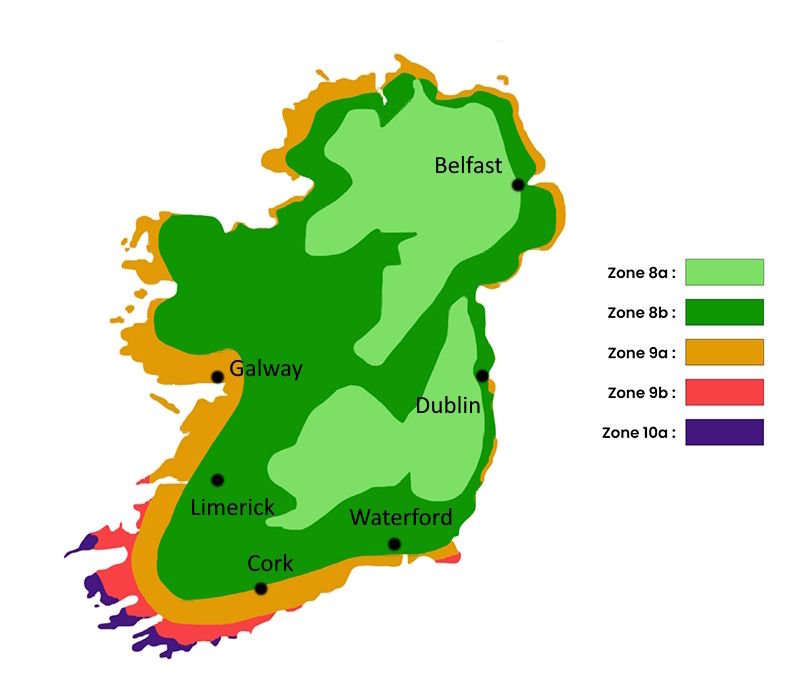
The planting period indicated on our website applies to regions in USDA Zone 9a (East Coast and Midlands: Dublin, Wexford, Waterford, Kilkenny, Portlaoise). It will vary depending on where you live:
- On the west coast and in the north-west (Galway, Limerick, Sligo, Donegal, Westport), delay planting by 1 to 2 weeks in spring and bring it forward by 1 to 2 weeks in autumn compared to the dates given, preferably choosing periods without strong winds.
- In the inland hills and plateaus (Wicklow Mountains, Macgillycuddy’s Reeks, Connemara, Killarney), it is best to plant in spring (April–May) or autumn (September–October), avoiding periods of waterlogged soil in winter and strong winds, which pose the main risk to newly planted trees in these areas.
The flowering period indicated on our website applies to regions in USDA Zone 9a, such as the East Coast and Midlands, including Dublin, Wexford, Waterford, Kilkenny and Portlaoise.
This will vary depending on where you live:
- On the west coast and in the northwest (Galway, Limerick, Sligo, Donegal and Westport), it will be delayed by one to two weeks compared to the given dates, due to stronger Atlantic winds and less spring sunshine.
- In the inland hills and plateaus (the Wicklow Mountains, the Macgillycuddy's Reeks, Connemara and Killarney), flowering will be delayed by two to three weeks. Flowering mainly occurs between May and July, with the limiting factors being less frost and more of the excessive humidity, strong winds and lack of sunshine that are characteristic of these areas.
Shipping country and language
Your country of residence may be:
Your country of residence is:
For a better user experience on our website, you can select:
Your shipping country:
-
 Austria
-
 Belgium
-
 Bosnia & Herzegovina
-
 Bulgaria
-
 Croatia
-
 Cyprus
-
 Czechia
-
 Denmark
-
 Estonia
-
 Finland
-
 France
-
 Germany
-
 Greece
-
 Hungary
-
 Iceland
-
 Ireland
-
 Italy
Italy
-
 Latvia
-
 Liechtenstein
-
 Lithuania
-
 Luxembourg
-
 Malta
Malta
-
 Netherlands
-
 Poland
-
 Portugal
-
 Romania
-
 Serbia
-
 Slovakia
-
 Slovenia
-
 Spain
Spain
-
 Sweden
-
 Switzerland
Language:
-
French
-
 English
-
Spanish
-
Italian
-
German
-
Portuguese
-
Dutch
-
Finnish
My Account
Hello
My wish lists
My cart
Log in / Register
Existing customer?
This form is protected by reCAPTCHA - the Google Privacy Policy and Terms of Service apply.
New customer?
Create an account to track your orders, access our customer service and, if you wish, make the most of our upcoming offers.