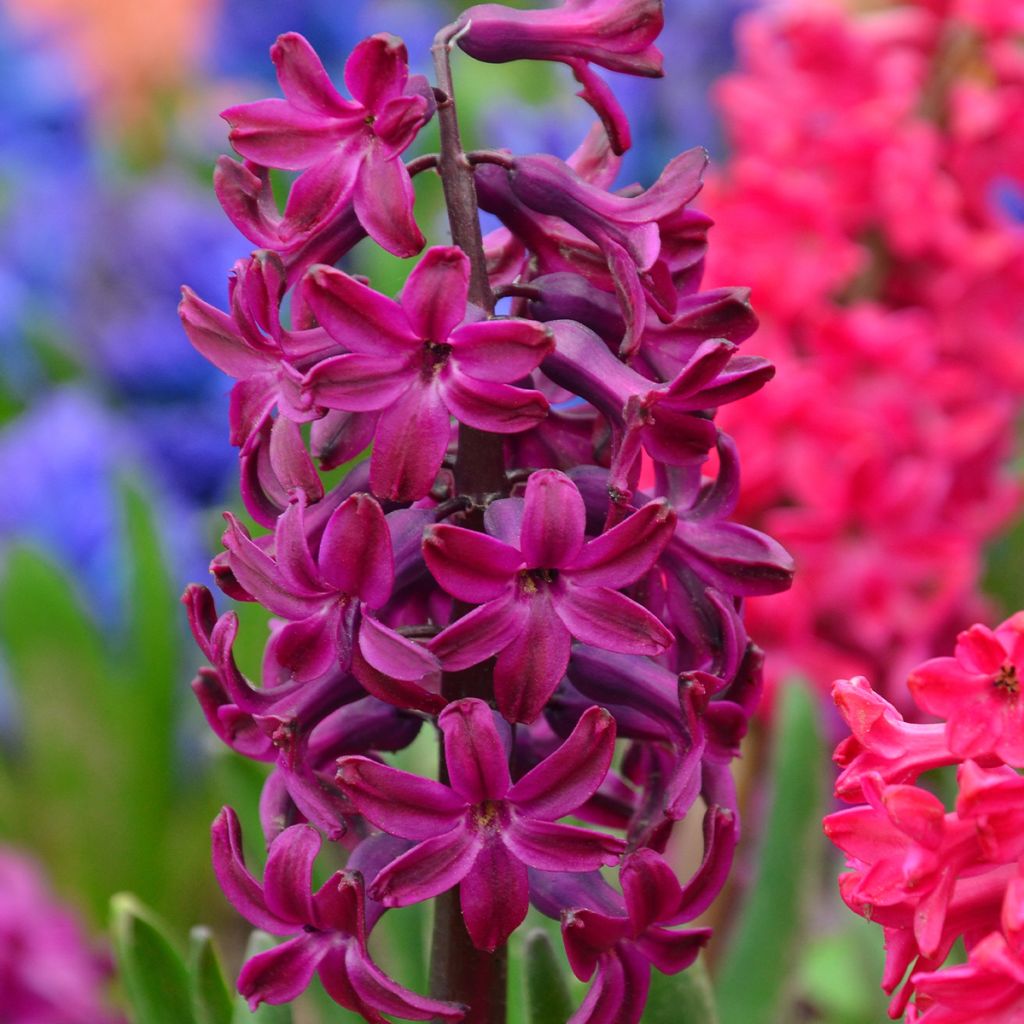
Hyacinthus Woodstock - Garden Hyacinth
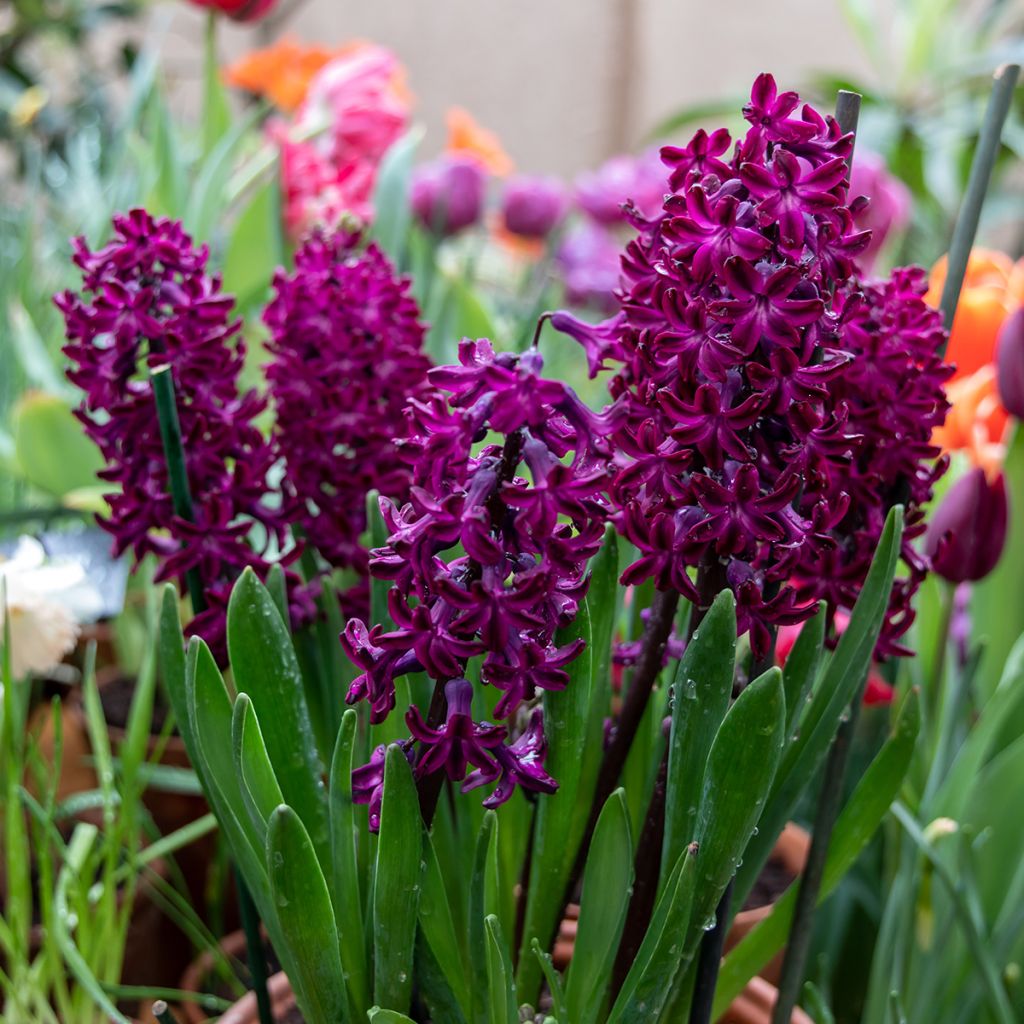
Hyacinthus Woodstock - Garden Hyacinth
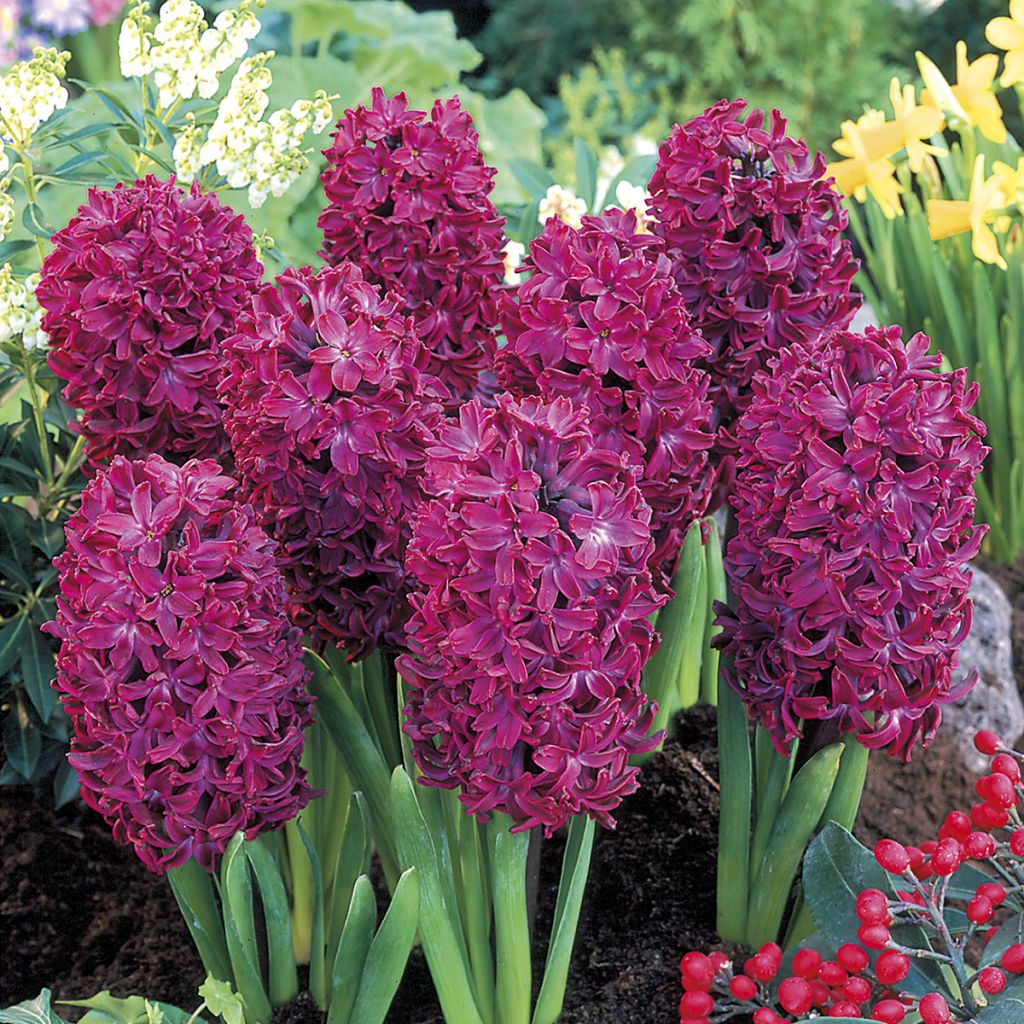
Hyacinthus Woodstock - Garden Hyacinth
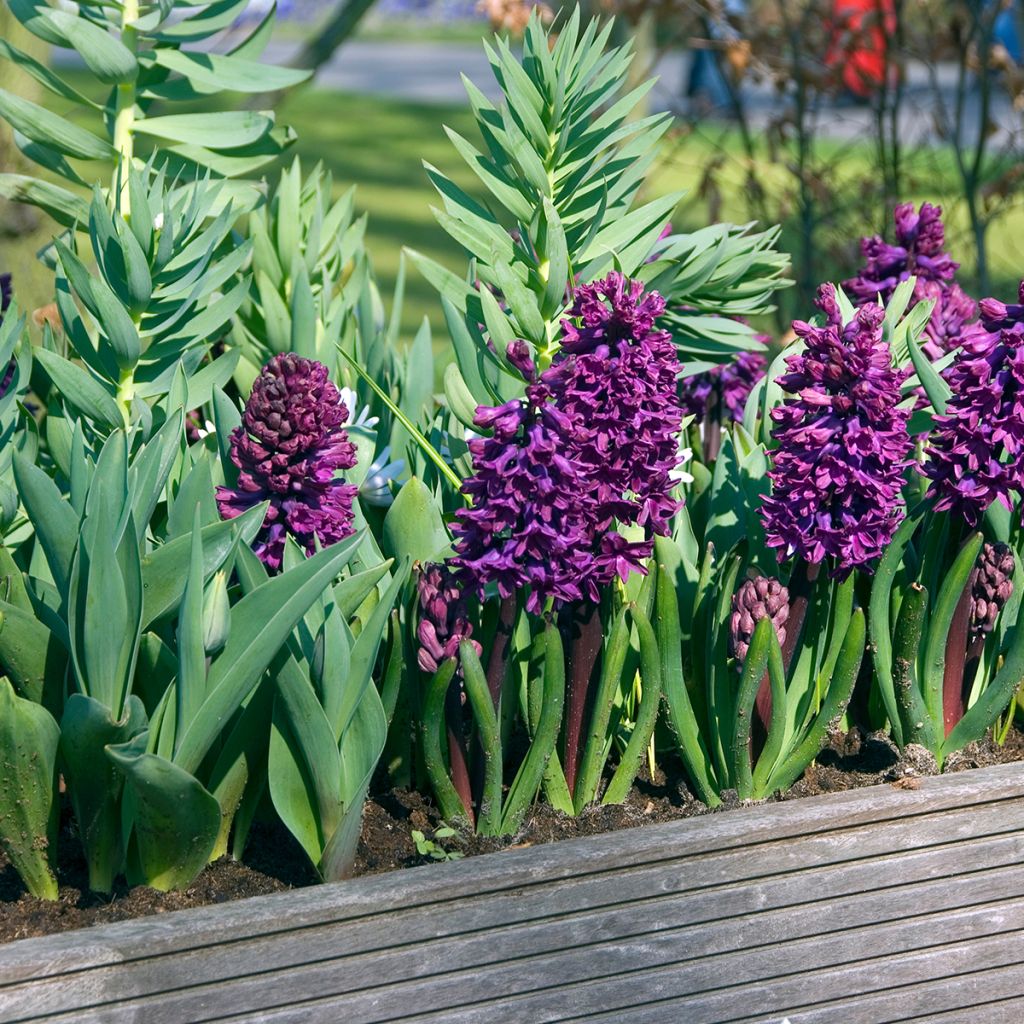
Hyacinthus Woodstock - Garden Hyacinth
Hyacinthus Woodstock - Garden Hyacinth
Hyacinthus Woodstock - Garden Hyacinth
Hyacinthus Woodstock - Garden Hyacinth
Hyacinthus Woodstock - Garden Hyacinth
Hyacinthus x orientalis Woodstock
Common Hyacinth, Garden Hyacinth
The bulbs didn't flower. They grew a few roots before rotting...
Pascal, 16/02/2026
Back-to-school special offer!
Get €10 off for every €50 you spend! And get up to €40 off on a single order.
How does it work?
1. Shop your favourites
Add your favourite plants to your basket. For every €50 you spend (excluding delivery charges, store credit and the plastic-free option), you’ll receive a €10 voucher.
€50 spent = €10 voucher
€100 spent = €20 voucher
€150 spent = €30 voucher
€200 spent = €40 voucher
2. Place your order
Once your basket reaches one of the spending thresholds, place your order. You can even choose your delivery date!
3. Receive your voucher
As soon as your order has been shipped, you’ll receive an email containing your personal voucher code and its value.
4. Use it on your next order
Your voucher is valid for 90 days from the date you receive it. It can be used once only, on a new order worth at least the value of the voucher, excluding delivery charges.
Please note: Vouchers can be combined with other offers, but cannot be split or refunded.
Why not try an alternative variety in stock?
View all →
Available in 1 sizes
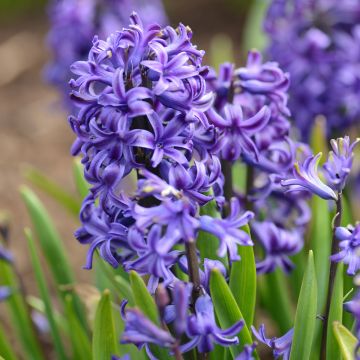
Available in 1 sizes
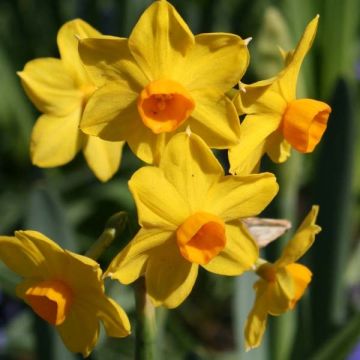
Available in 1 sizes
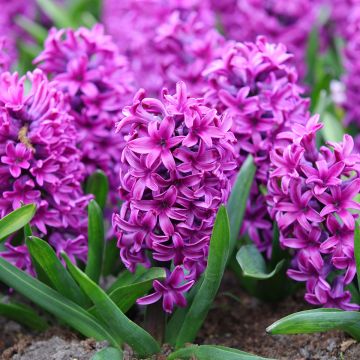
Available in 1 sizes
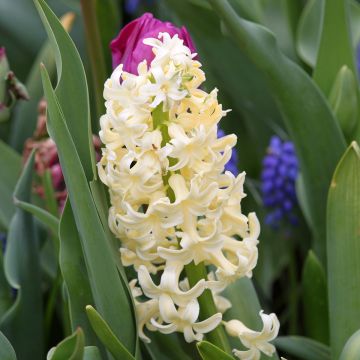
Available in 1 sizes
This plant carries a 6 months recovery warranty
More information
We guarantee the quality of our plants for a full growing cycle, and will replace at our expense any plant that fails to recover under normal climatic and planting conditions.
Does this plant fit my garden?
Set up your Plantfit profile →
Description
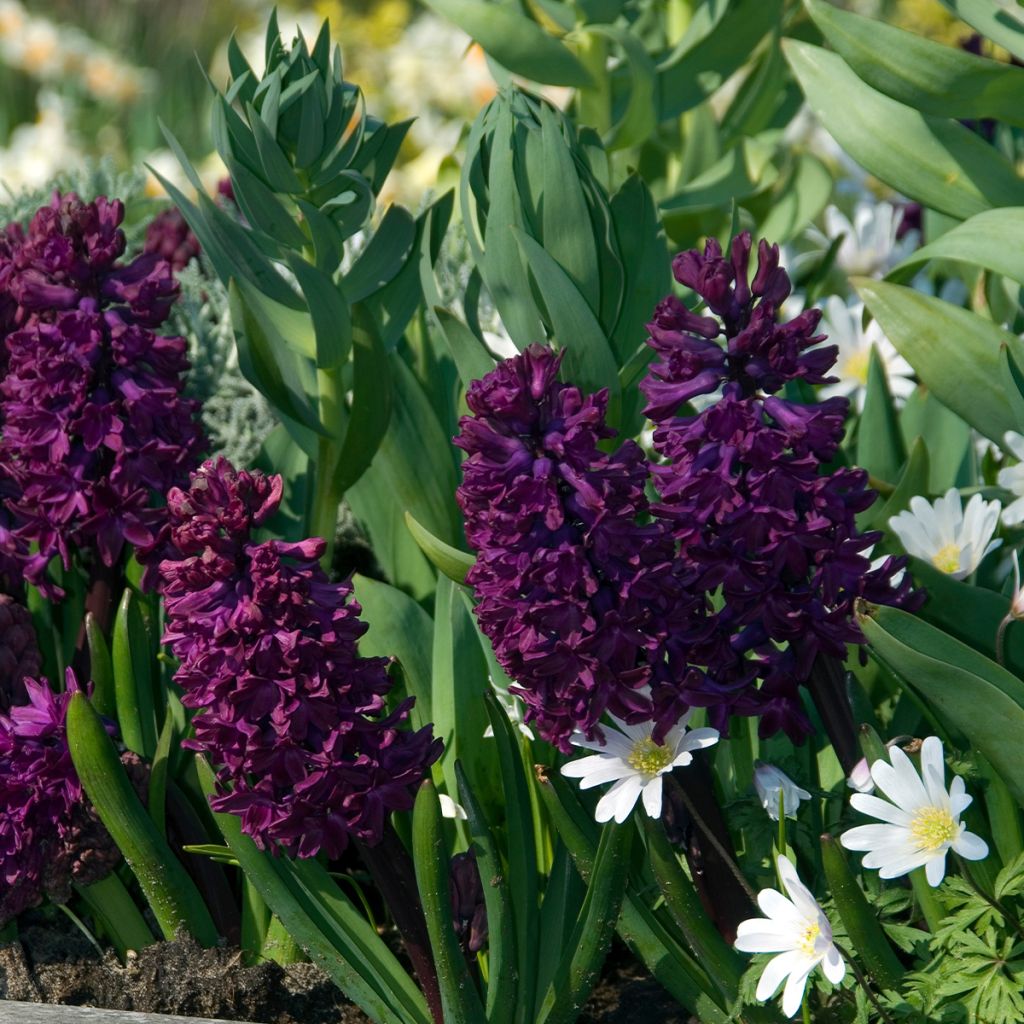
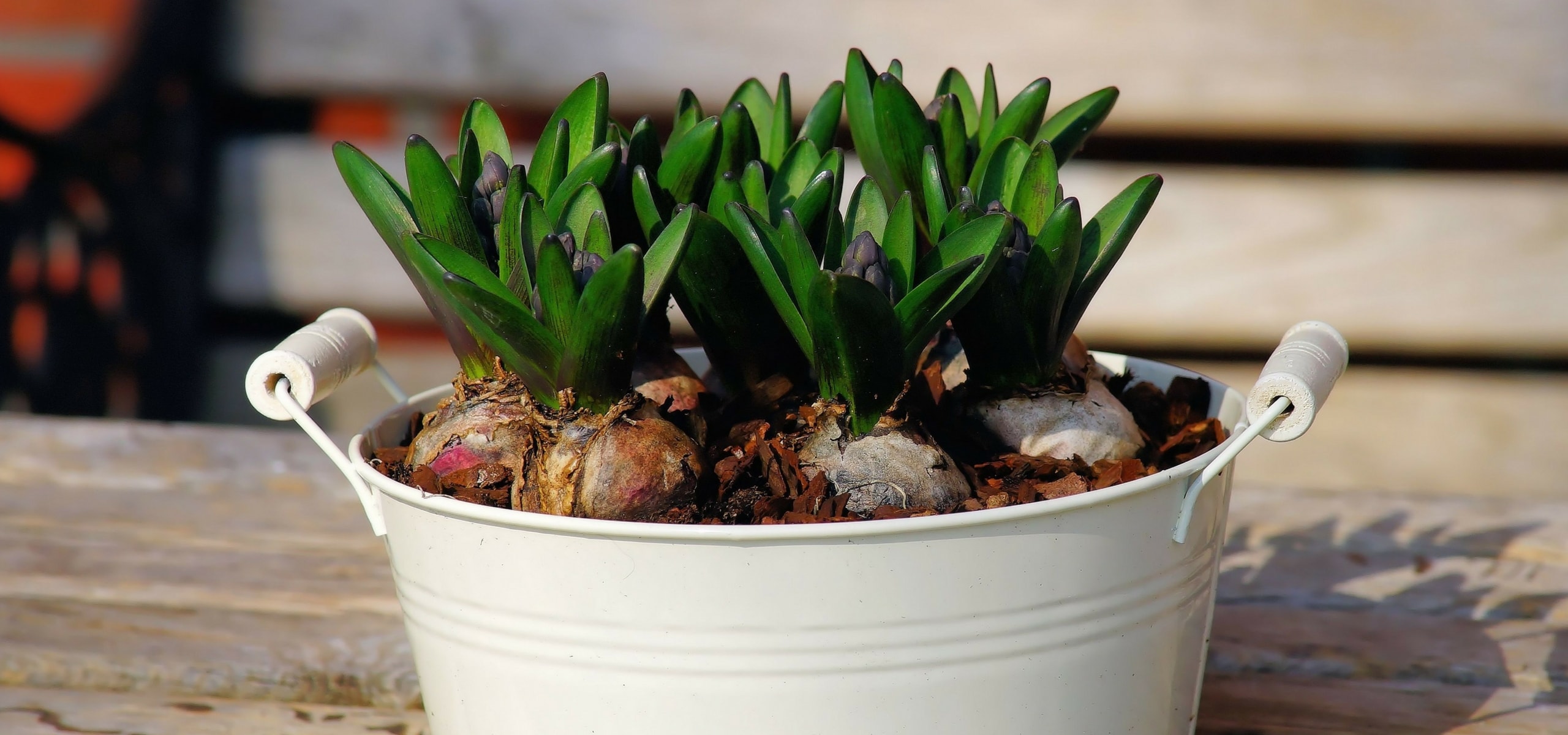
Hyacinthus orientalis 'Woodstock' is a garden Hyacinth, typically grown outdoors, and here specifically prepared to bloom early indoors. This allows its flowering to be shifted from March to January, in order to enjoy its beautiful flowers in the middle of winter! It then produces a large inflorescence of sumptuous purple, which also emits a very pleasant fragrance in the house. It will be perfectly at home in a bright and cool room, where it will enhance the space for a few weeks.
Although the Oriental Hyacinth is no longer widely cultivated, this species, native to the Middle East and Mediterranean regions, has given rise to countless cultivars, highly appreciated in gardens for their delightful spring flowering, or in floristry for their forcing ability.
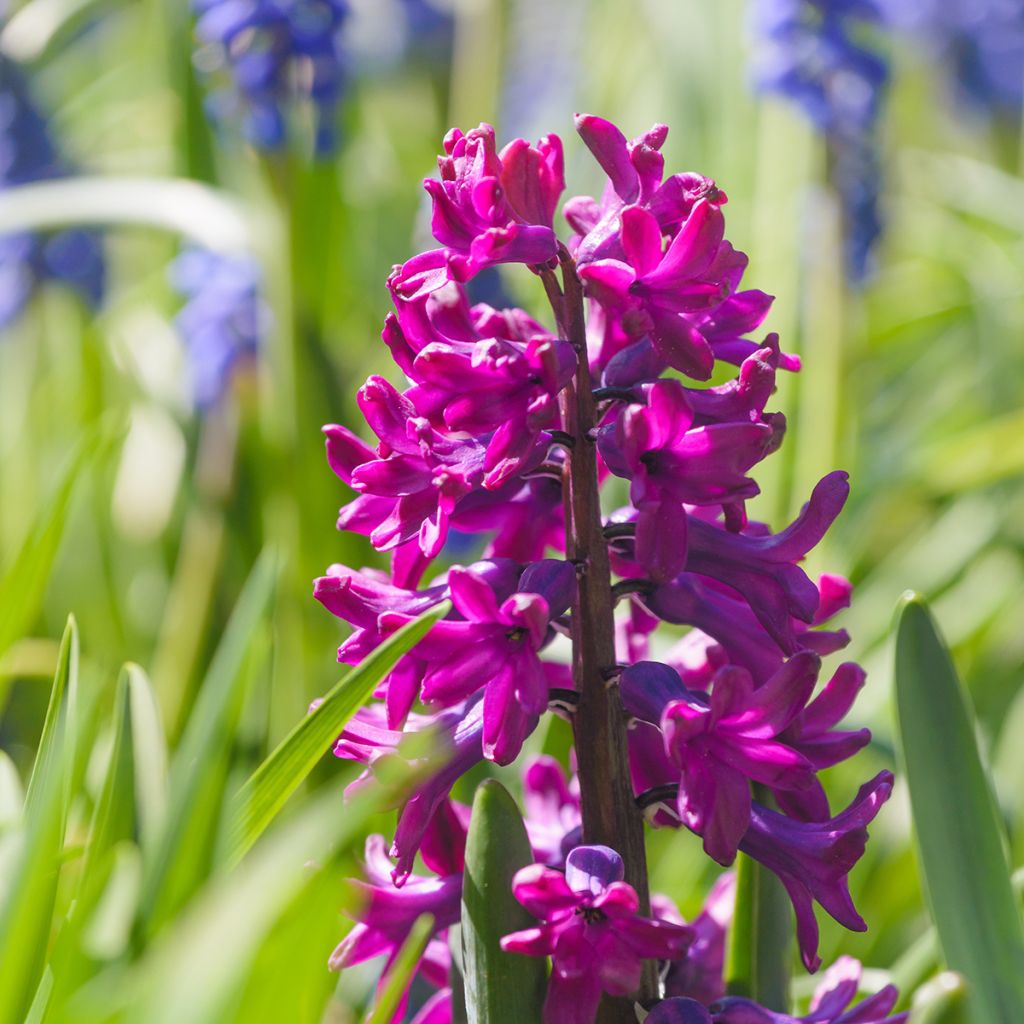
Formerly classified among the Liliaceae, the genus Hyacinthus is now classified in the Asparagaceae family, along with asparagus, as well as Agave or Yucca. This plant takes the form of a large oval bulb, from which a clump of ribbon-like leaves (narrow and elongated), of a shiny green colour, emerges. From January indoors, a robust floral stem, about twenty centimetres long, rises from the centre of the clump of leaves. It becomes covered with dozens of small star-shaped flowers, which cluster together to form a dense cluster, measuring 8 to 10cm (3 to 4in) in diameter. Each flower, borne on a short peduncle, consists of a tube at the base, which opens at the other end into a star-shaped corolla, made up of six elongated and pointed petals. The imposing inflorescence takes on a purple to burgundy colouration, adding a touch of distinction to the house during the dark days of winter. This bulbous plant not only captivates with its stylish aesthetics but also delights with its delightful floral fragrance. The foliage is deciduous after flowering, and it is at this time that the bulb, whose reserves are depleted, enters dormancy. The forcing technique involves exposing the bulbs to cold for several weeks, starting from the end of summer, in order to break their dormancy and induce the flowering process before the normal time.
The hyacinth is the easiest bulb to force, and horticulturists have been taking advantage of this for a long time. Thanks to the thermal treatment used, this 'Woodstock' hyacinth guarantees you winter flowering. It deserves a prominent place in a very bright room, away from any source of heat.
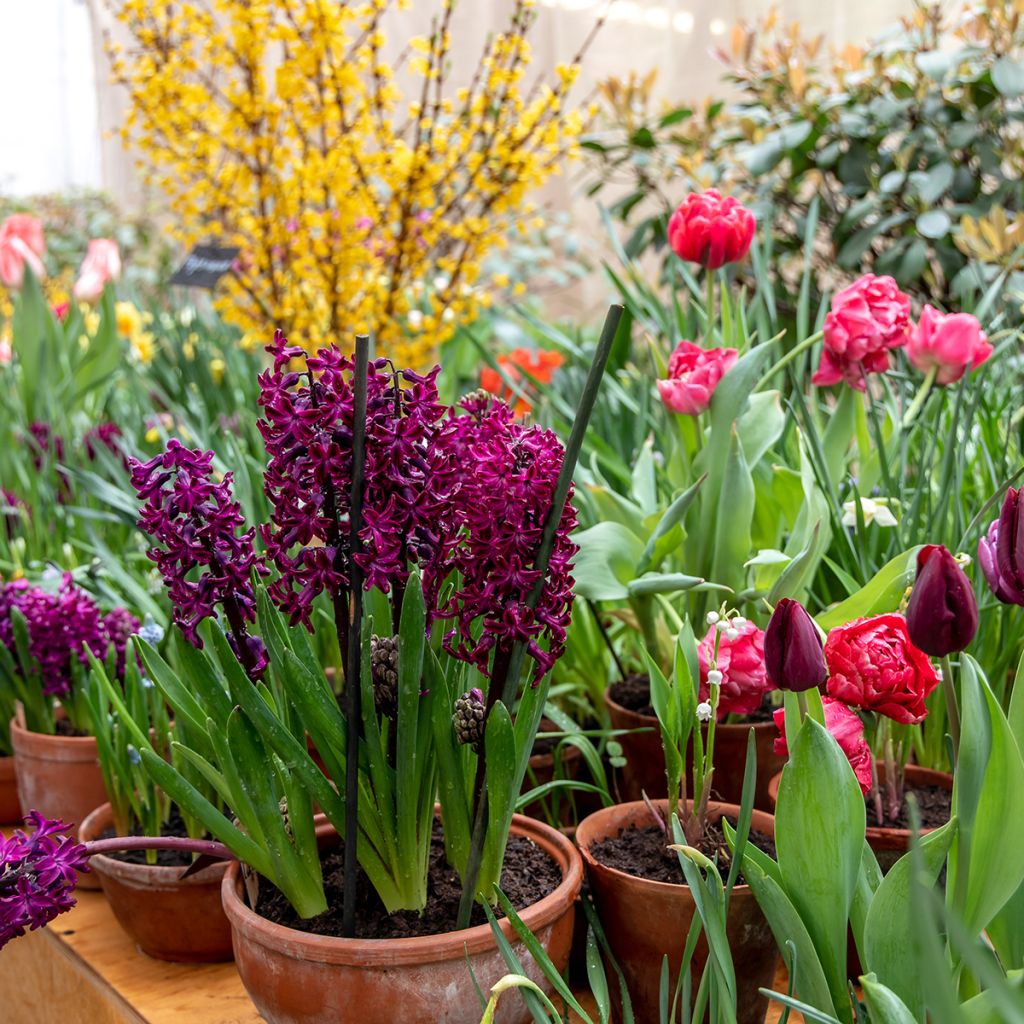
You can combine it with other bulbs to create a flowering winter scene. Crocuses are also very suitable for forcing, as are Narcissus, with their bright yellow, orange, or white flowers. Some woody shrubs are also valuable and will allow you to add volume to your flowering scene. Forsythia, which gets its nickname Paris Mimosa from its bright yellow flowering, or Prunus mume 'Beni Chidori' with its absolutely charming bright pink flowers, are good candidates for forcing. Also consider adding some branches with decorative bark, such as Cornus 'Baton rouge', a Cornelian Cherry with red coral wood, to play on all fronts.
Hyacinth flowers are edible, raw or cooked, and have a slightly mucilaginous texture. They can be crystallized with sugar or added to fruit salads, according to personal preferences. In the past, they were considered a delicacy and could be found under the name "confit de jacinthes de Constantinople".
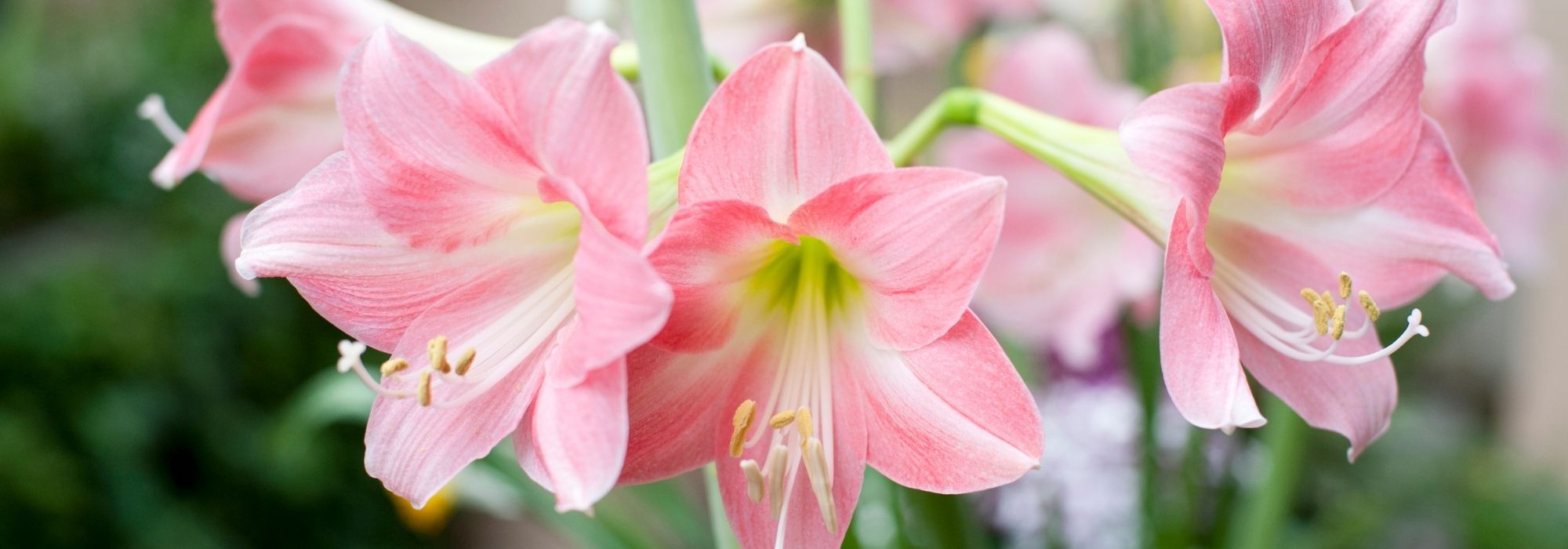
Hyacinthus Woodstock - Garden Hyacinth in pictures
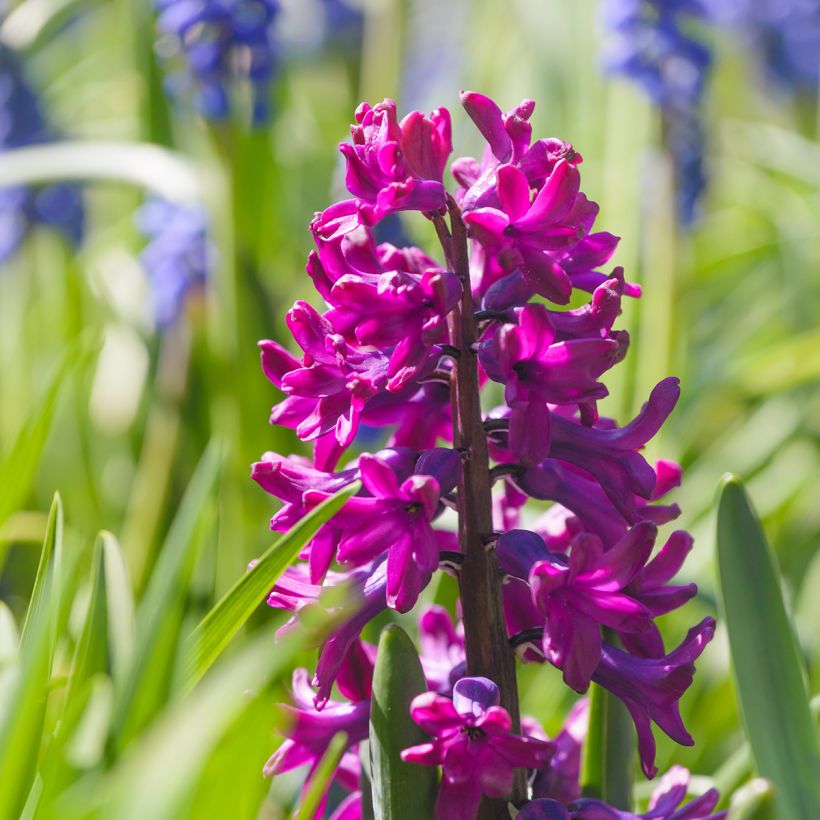
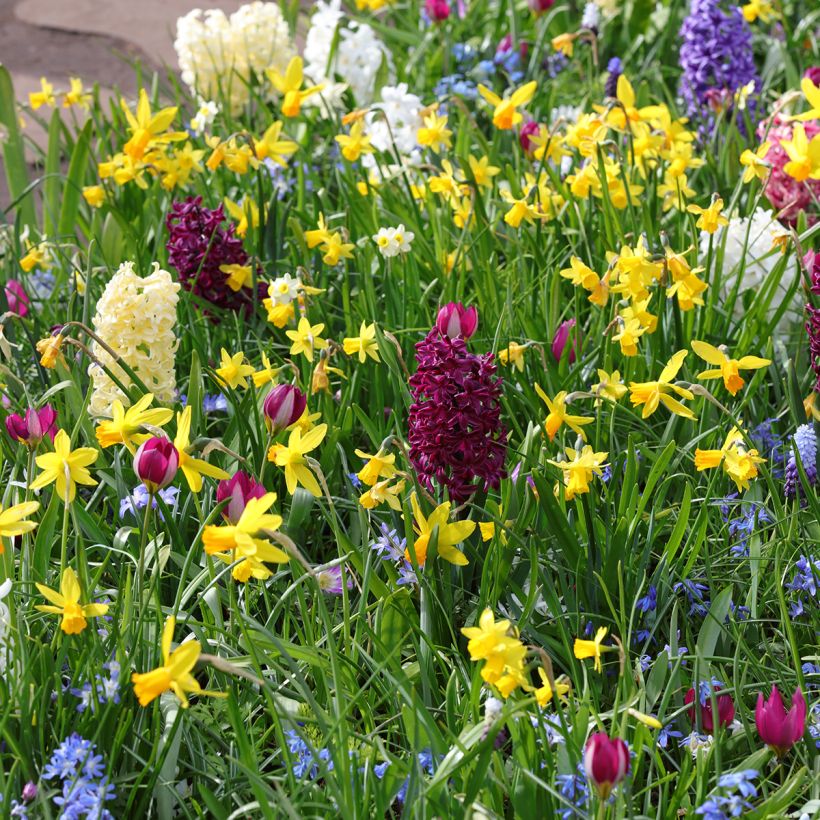
Plant habit
Flowering
Foliage
Botanical data
Hyacinthus
x orientalis
Woodstock
Asparagaceae
Common Hyacinth, Garden Hyacinth
Cultivar or hybrid
Planting and care
For forcing hyacinth bulbs, it is strongly recommended to obtain new bulbs specifically cultivated for this purpose every year.
Indeed, the bulbs are exhausted by forcing, and even a period of rest after the foliage has dried out will not allow them to replenish their reserves.
However, they can be stored, once the foliage has turned yellow, in a cool place until autumn, when they can be replanted in the garden. The bulbs that are replanted will ideally flower after two years, as a season of growth in open ground without flowering will allow them to replenish their reserves.
First method: pot cultivation:
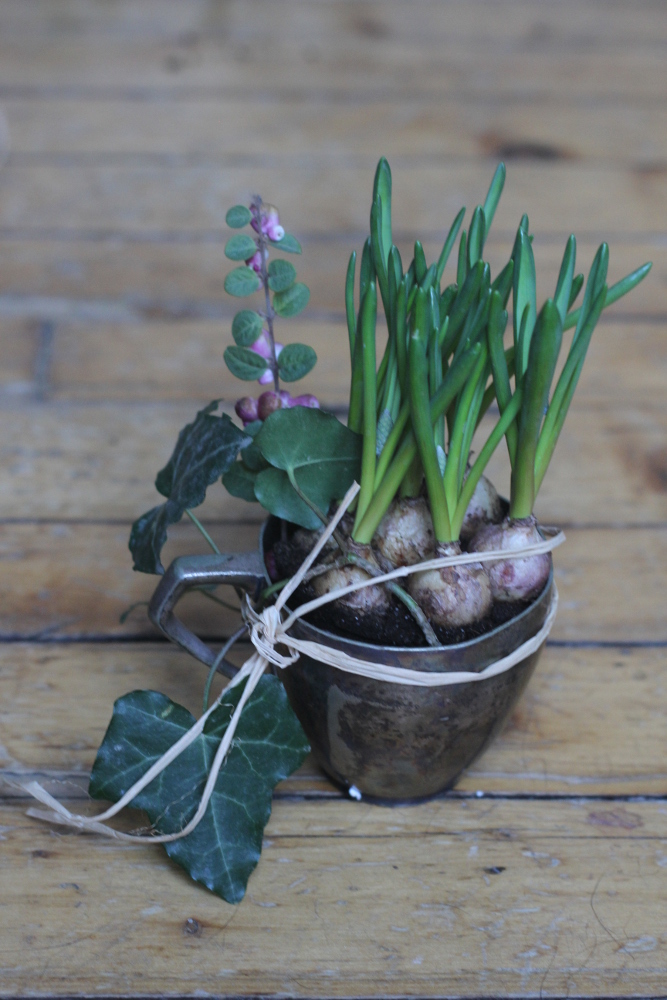
Upon receiving your bulbs, choose an attractive container with a drainage hole (terrine, planter...), the height of which should be at least twice the height of the bulbs. Place a layer of gravel at the bottom, followed by a mixture of soil or horticultural compost mixed with sand or a ready-to-use mixture. The substrate should be light and porous, a mixture of 2/3 garden soil and 1/3 sand works well.
The bulbs should be planted close together but should not touch each other, and the soil should cover them by 10cm (4in).
Place the pots outside in the garden or on a balcony.
When the bulb produces a shoot, bring the pot inside and place it in a dark and cool place for a period of four days to one week. Once the shoot reaches a height of eight to ten centimetres, move the pot indoors. It is advisable to allow for an adjustment period by first placing it in a slightly cool and bright room before placing it in a heated room, near a window in the living room for example, and regularly rotating the pot to prevent the twisting of the flower spike.
Second method: carafe cultivation:
In stores, forcing carafes or hyacinth carafes can be found, but it is possible to use a small vase, a jar, or any other transparent glass container with a diameter that matches the diameter of the bulb. In this case, the growing medium is water.
Place a piece of charcoal at the bottom of the carafe to prevent water rot and putrefaction.
Place the bulb in the carafe with the tip facing upwards.
Pour water into the carafe so that it reaches the base of the bulb without actually touching it, leaving 1 or 2 millimetres between the water surface and the base of the bulb.
Place everything outside or in a cool, frost-free place.
Maintain the water level at the base of the bulb scrupulously. The roots develop at the base, as well as small shoots at the top of the bulb.
Once the shoot measures approximately 8 centimetres (3 inches), the carafe can be brought indoors, even in a slightly heated, well-lit room.
Planting period
Intended location
Care
Planting & care advice
-
-
-
-
-
-
-

-
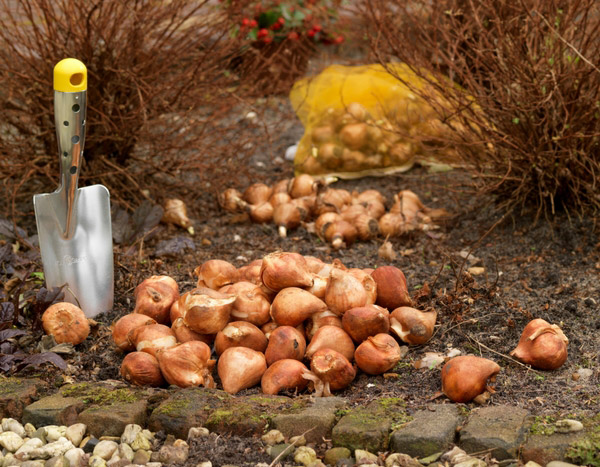
-
, onOrder confirmed
Reply from on Promesse de fleurs
Recently viewed products
Haven't found what you were looking for?
Hardiness is the lowest winter temperature a plant can endure without suffering serious damage or even dying. However, hardiness is affected by location (a sheltered area, such as a patio), protection (winter cover) and soil type (hardiness is improved by well-drained soil).
In temperate climates, pruning of spring-flowering shrubs (forsythia, spireas, etc.) should be done just after flowering.
Pruning of summer-flowering shrubs (Indian Lilac, Perovskia, etc.) can be done in winter or spring.
In cold regions as well as with frost-sensitive plants, avoid pruning too early when severe frosts may still occur.
The harvesting period indicated on our website applies to countries and regions in USDA zone 8 (France, England, Ireland, the Netherlands).
In colder areas (Scandinavia, Poland, Austria...) fruit and vegetable harvests are likely to be delayed by 3-4 weeks.
In warmer areas (Italy, Spain, Greece, etc.), harvesting will probably take place earlier, depending on weather conditions.
The sowing periods indicated on our website apply to countries and regions within USDA Zone 8 (France, UK, Ireland, Netherlands).
In colder areas (Scandinavia, Poland, Austria...), delay any outdoor sowing by 3-4 weeks, or sow under glass.
In warmer climes (Italy, Spain, Greece, etc.), bring outdoor sowing forward by a few weeks.
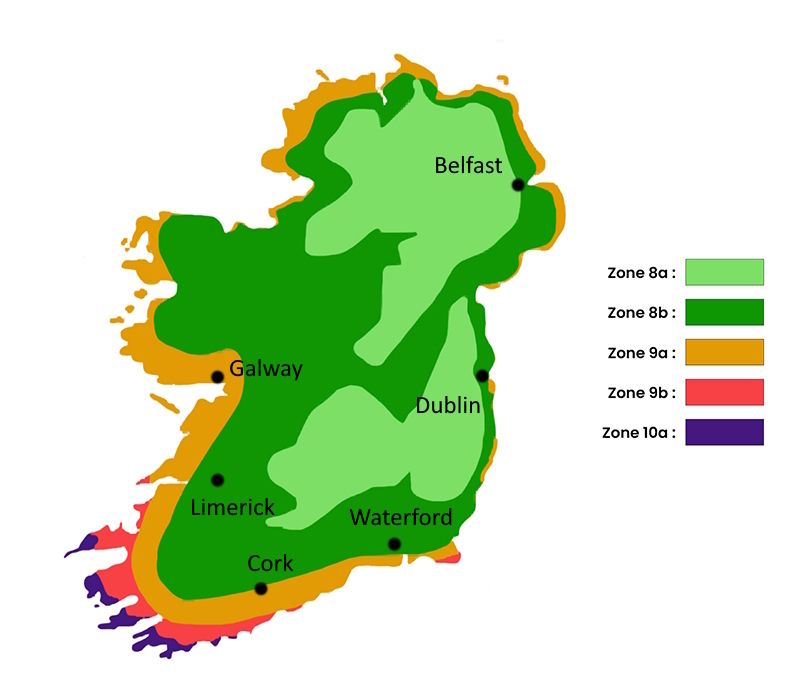
The planting period indicated on our website applies to regions in USDA Zone 9a (East Coast and Midlands: Dublin, Wexford, Waterford, Kilkenny, Portlaoise). It will vary depending on where you live:
- On the west coast and in the north-west (Galway, Limerick, Sligo, Donegal, Westport), delay planting by 1 to 2 weeks in spring and bring it forward by 1 to 2 weeks in autumn compared to the dates given, preferably choosing periods without strong winds.
- In the inland hills and plateaus (Wicklow Mountains, Macgillycuddy’s Reeks, Connemara, Killarney), it is best to plant in spring (April–May) or autumn (September–October), avoiding periods of waterlogged soil in winter and strong winds, which pose the main risk to newly planted trees in these areas.
The flowering period indicated on our website applies to regions in USDA Zone 9a, such as the East Coast and Midlands, including Dublin, Wexford, Waterford, Kilkenny and Portlaoise.
This will vary depending on where you live:
- On the west coast and in the northwest (Galway, Limerick, Sligo, Donegal and Westport), it will be delayed by one to two weeks compared to the given dates, due to stronger Atlantic winds and less spring sunshine.
- In the inland hills and plateaus (the Wicklow Mountains, the Macgillycuddy's Reeks, Connemara and Killarney), flowering will be delayed by two to three weeks. Flowering mainly occurs between May and July, with the limiting factors being less frost and more of the excessive humidity, strong winds and lack of sunshine that are characteristic of these areas.
Shipping country and language
Your country of residence may be:
Your country of residence is:
For a better user experience on our website, you can select:
Your shipping country:
-
 Austria
-
 Belgium
-
 Bosnia & Herzegovina
-
 Bulgaria
-
 Croatia
-
 Cyprus
-
 Czechia
-
 Denmark
-
 Estonia
-
 Finland
-
 France
-
 Germany
-
 Greece
-
 Hungary
-
 Iceland
-
 Ireland
-
 Italy
Italy
-
 Latvia
-
 Liechtenstein
-
 Lithuania
-
 Luxembourg
-
 Malta
Malta
-
 Netherlands
-
 Poland
-
 Portugal
-
 Romania
-
 Serbia
-
 Slovakia
-
 Slovenia
-
 Spain
Spain
-
 Sweden
-
 Switzerland
Language:
-
French
-
 English
-
Spanish
-
Italian
-
German
-
Portuguese
-
Dutch
-
Finnish
My Account
Hello
My wish lists
My cart
Log in / Register
Existing customer?
This form is protected by reCAPTCHA - the Google Privacy Policy and Terms of Service apply.
New customer?
Create an account to track your orders, access our customer service and, if you wish, make the most of our upcoming offers.