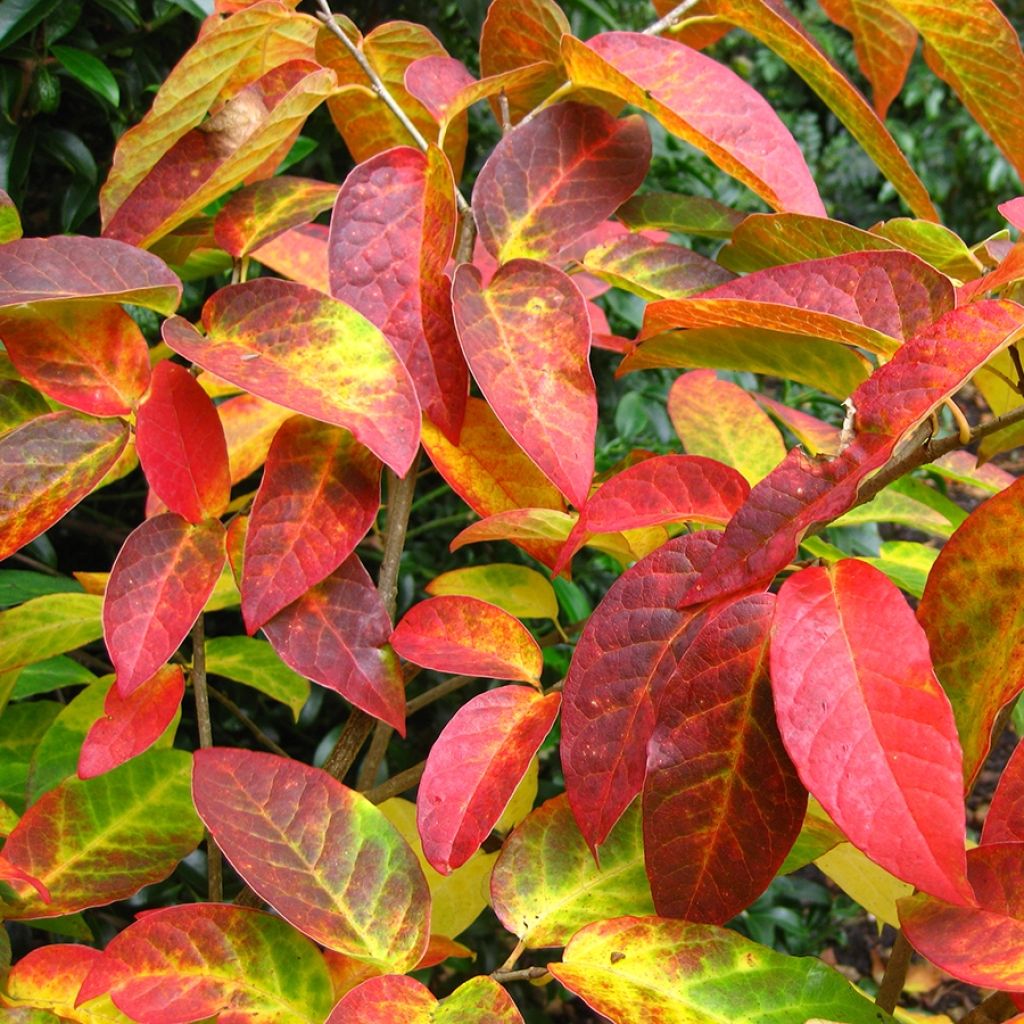
Sapium japonicum
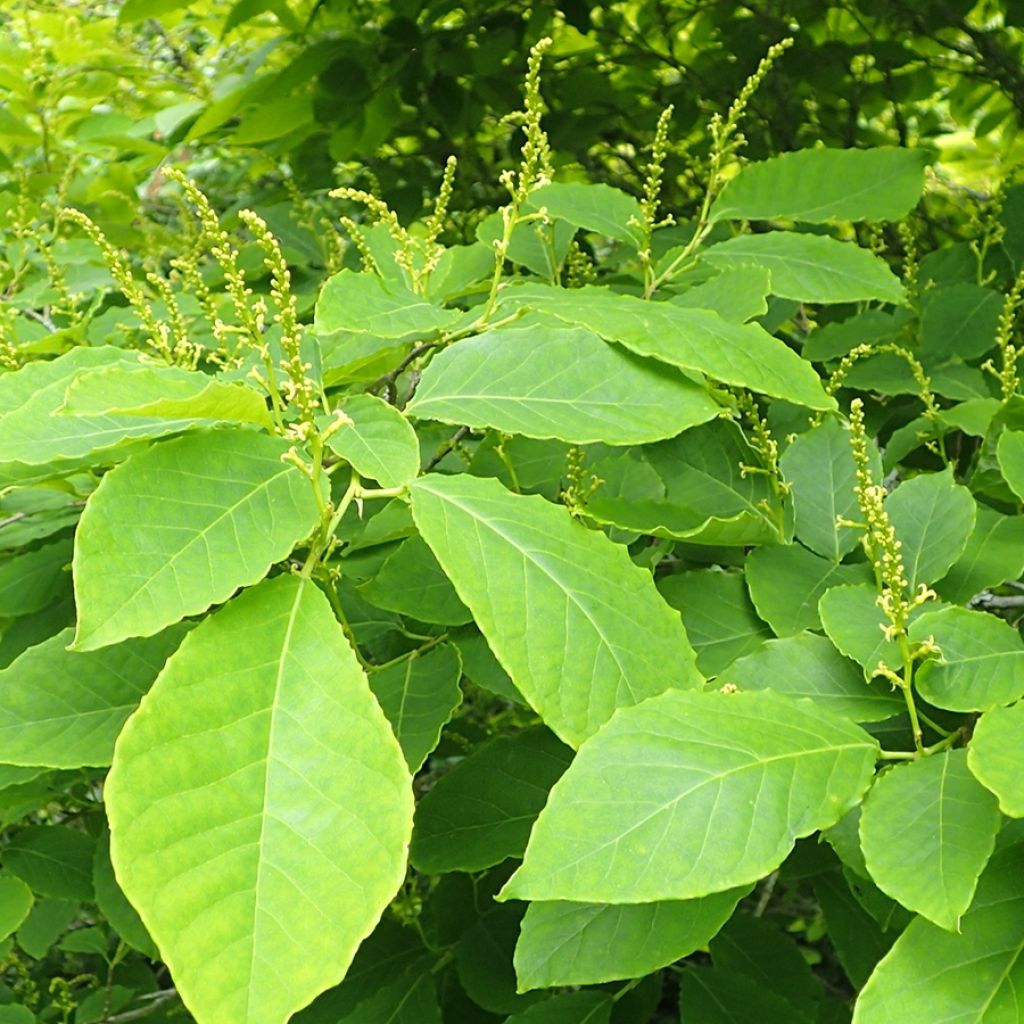
Sapium japonicum
Sapium japonicum
Sapium japonicum
Back-to-school special offer!
Get €10 off for every €50 you spend! And get up to €40 off on a single order.
How does it work?
1. Shop your favourites
Add your favourite plants to your basket. For every €50 you spend (excluding delivery charges, store credit and the plastic-free option), you’ll receive a €10 voucher.
€50 spent = €10 voucher
€100 spent = €20 voucher
€150 spent = €30 voucher
€200 spent = €40 voucher
2. Place your order
Once your basket reaches one of the spending thresholds, place your order. You can even choose your delivery date!
3. Receive your voucher
As soon as your order has been shipped, you’ll receive an email containing your personal voucher code and its value.
4. Use it on your next order
Your voucher is valid for 90 days from the date you receive it. It can be used once only, on a new order worth at least the value of the voucher, excluding delivery charges.
Please note: Vouchers can be combined with other offers, but cannot be split or refunded.
Home or relay delivery (depending on size and destination)
Important: You may be charged customs duties by your country’s customs authorities upon delivery.
Schedule delivery date,
and select date in basket
This plant carries a 24 months recovery warranty
More information
We guarantee the quality of our plants for a full growing cycle, and will replace at our expense any plant that fails to recover under normal climatic and planting conditions.
Does this plant fit my garden?
Set up your Plantfit profile →
Description
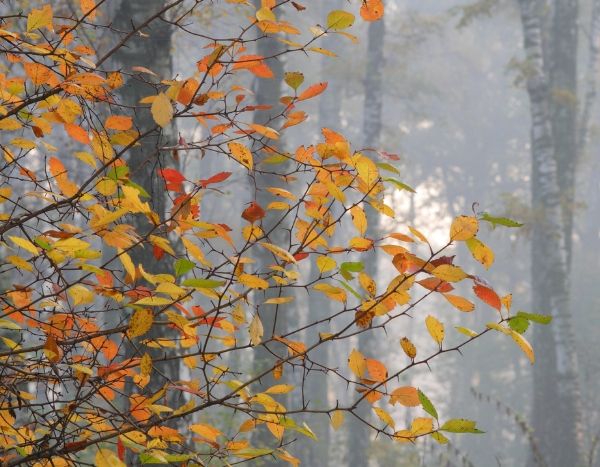
Sapium japonicum (synonym Neoshirakia japonica) is a relatively unknown bush that deserves to be planted more often for its fantastic autumn colours. Its green leaves turn crimson red during the first cold weather, making Sapium one of the best ornamental plants for autumn. Its summer flowering and its fruits are nondescript, but its autumn splendour is worthwhile. More hardy than frequently stated, this bush seems to resist, according to certain sources, down to approximately -12 °C, or even more, which is adequate for many regions. Humus-rich, acidic or neutral soil that remains slightly moist will suit it perfectly.
Sapium japonicum, sometimes nicknamed Japanese Tallow Tree, is a member of the very large Euphorbiaceae family. This family includes more than 6000 species distributed in all areas of the globe, except the Arctic and Antarctica. Euphorbiaceae produce latex that can be irritating or even toxic.
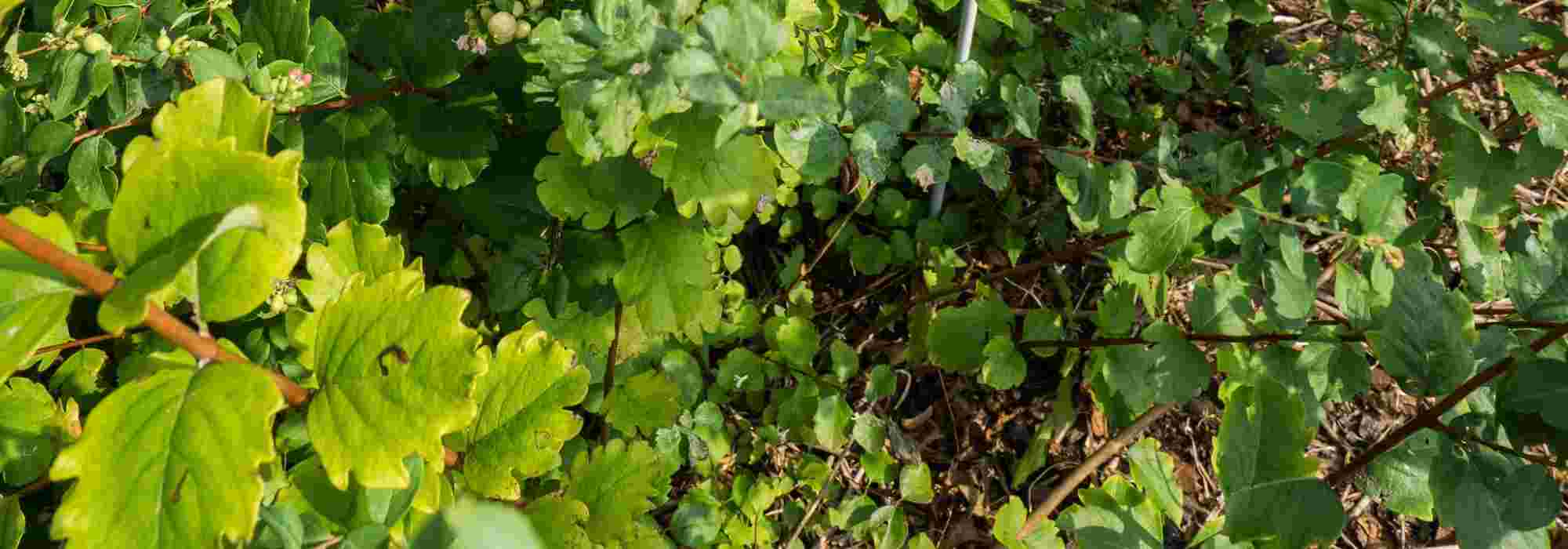
Originally from the Far East, Sapium comes to us from the humid forests of China, Korea, and Japan: it is a species of moist undergrowth. In its original habitat, it forms a small tree about 7 or 8 m (23 or 26ft) tall, with fairly slow growth, growing in low-altitude mountainous areas, from 100 to 400 m (328 to 1312ft). In our gardens, it is a bush that reaches a height of 3 m (10ft) with a spread of 2 m. Its leaves measure from 7 to 16 cm (3 to 6in) long, 4 to 8 cm (2 to 3in) wide, and are elliptical or ovate in shape. The upper surface is glossy green, the lower surface is paler. A short petiole (2-3 cm (1in)) connects them to the grey-brown, smooth, and slender branches. Between May and July, it produces inflorescences from 5 to 11 cm (2 to 4in) long, in the form of spikes consisting of numerous small male flowers at the top and a few female flowers at the base. These yellow-green inflorescences are graceful but quite insignificant. They develop into yellow fruits speckled with brown, small 3-lobed capsules measuring 10 to 15 mm (1in) in diameter, which ripen in September and then open to project their seeds a fair distance. When autumn and its cool nights arrive, the foliage turns crimson red, before falling. Caution, this plant contains toxic parts. It is generally free from any disease or insect attack.
This species appreciates moist soil and grows in acidic to neutral conditions, in humus-rich soil. These soil requirements are ultimately more limiting than its hardiness, which is better than often stated. This plant has been successfully tested in cold regions such as Burgundy or Pennsylvania in the United States, as well as in Belgium (Arboretum Wespelaar).
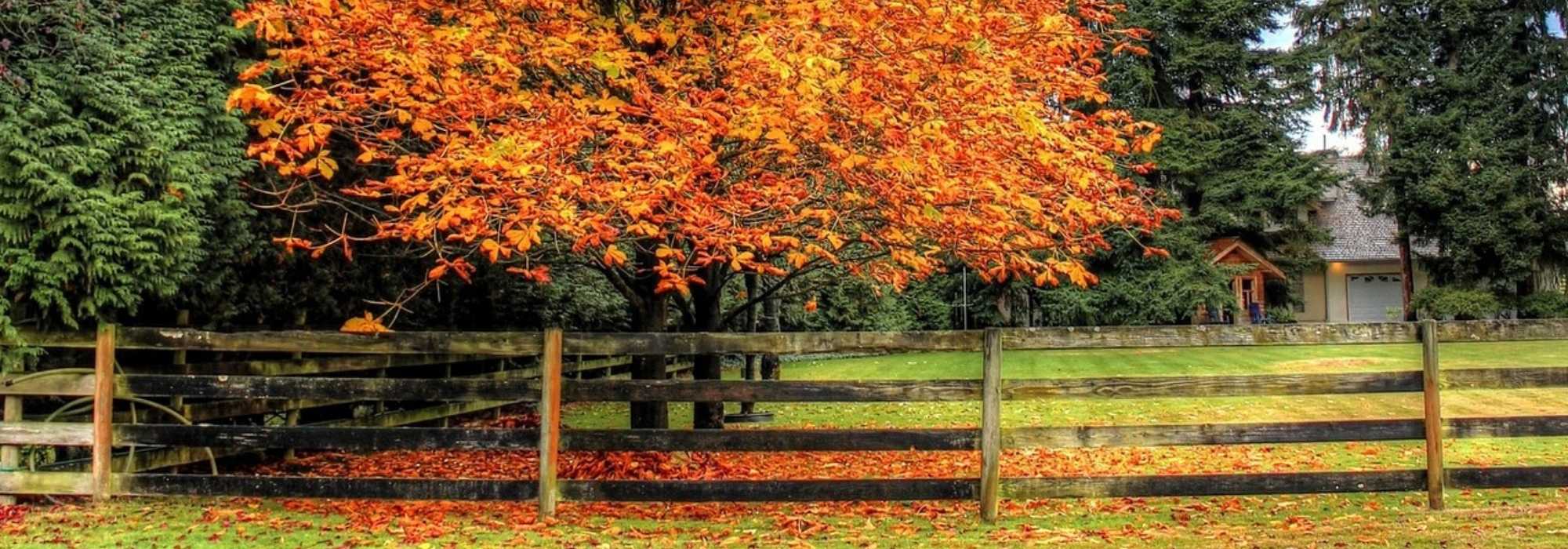
In the garden, Sapium japonicum enchants in autumn with its fiery colours. In a sufficiently large garden, it can be planted in the foreground of a Cercidiphyllum japonicum, the caramel tree, whose lovely heart-shaped leaves will associate with the explosion of colours from Sapium in autumn. In a smaller area, the Fothergilla major can be chosen, which shares the same cultural requirements as Sapium and turns red, orange, and yellow at the end of the season. Essential for yellow tones, the Ginkgo will perfectly complement the red of Sapium, especially with the dwarf variety Mariken, well-suited to small spaces.
Report an error about the product description
Sapium japonicum in pictures
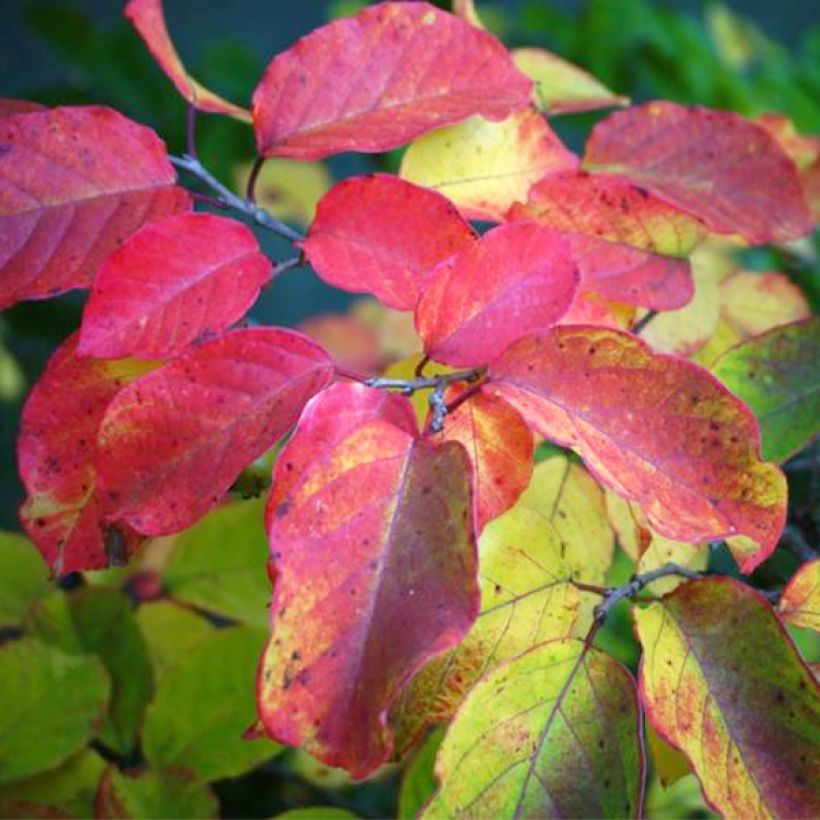
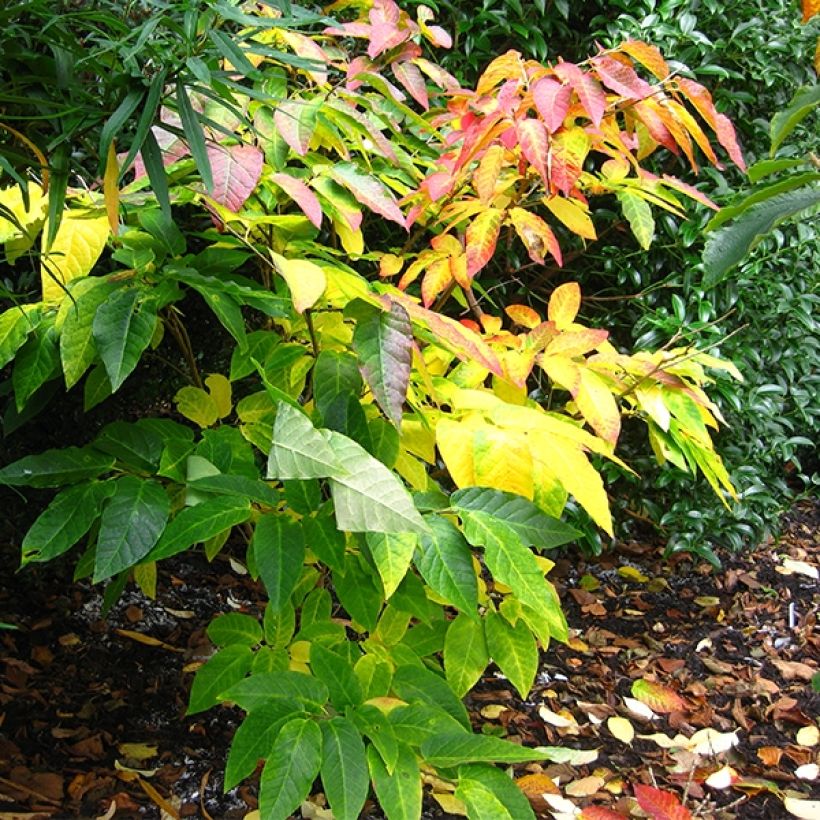
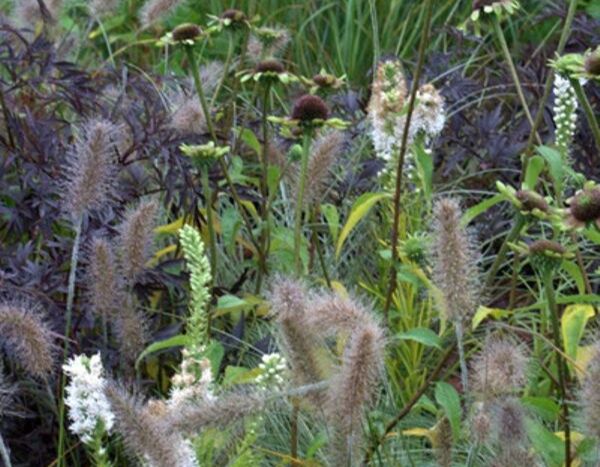
Plant habit
Flowering
Foliage
Botanical data
Sapium
japonicum
Euphorbiaceae
East Asia
Planting and care
Sapium japonicum grows in neutral to acidic soil, without limestone, remaining moist even in summer. It prefers rich, well-drained humus soils, and under these conditions, it proves easy to cultivate. Choose a location in semi-shade or not too intense sunlight. It will not grow well in too much shade. Its cultivation method is quite similar to that of a rhododendron. Dig a hole 50 cm (20in) on each side and at the bottom, incorporate a little compost mixed with the existing soil to enrich it. Soak the root ball in a bucket for 20 minutes, then plant it in the hole and backfill. Water it abundantly afterwards and monitor the watering (with non-limestone water if possible) during hot periods to prevent the soil from drying out.
The hardiness of this plant seems to be better than generally announced (-12°C (10.4°F)). This will depend on the growing conditions, exposure, and protection against the wind.
Planting period
Intended location
Care
Planting & care advice
-
-

-
-
-

-
-
-
This item has not been reviewed yet - be the first to leave a review about it.
Recently viewed products
Haven't found what you were looking for?
Hardiness is the lowest winter temperature a plant can endure without suffering serious damage or even dying. However, hardiness is affected by location (a sheltered area, such as a patio), protection (winter cover) and soil type (hardiness is improved by well-drained soil).
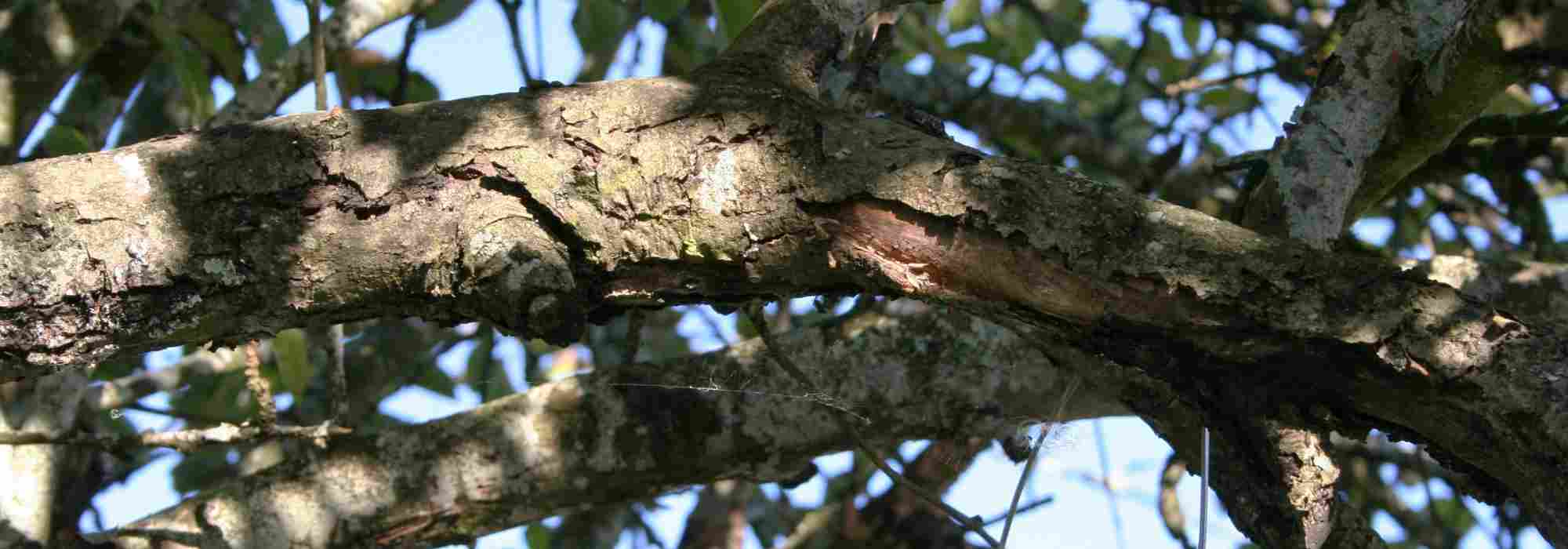
In temperate climates, pruning of spring-flowering shrubs (forsythia, spireas, etc.) should be done just after flowering.
Pruning of summer-flowering shrubs (Indian Lilac, Perovskia, etc.) can be done in winter or spring.
In cold regions as well as with frost-sensitive plants, avoid pruning too early when severe frosts may still occur.
The harvesting period indicated on our website applies to countries and regions in USDA zone 8 (France, England, Ireland, the Netherlands).
In colder areas (Scandinavia, Poland, Austria...) fruit and vegetable harvests are likely to be delayed by 3-4 weeks.
In warmer areas (Italy, Spain, Greece, etc.), harvesting will probably take place earlier, depending on weather conditions.
The sowing periods indicated on our website apply to countries and regions within USDA Zone 8 (France, UK, Ireland, Netherlands).
In colder areas (Scandinavia, Poland, Austria...), delay any outdoor sowing by 3-4 weeks, or sow under glass.
In warmer climes (Italy, Spain, Greece, etc.), bring outdoor sowing forward by a few weeks.
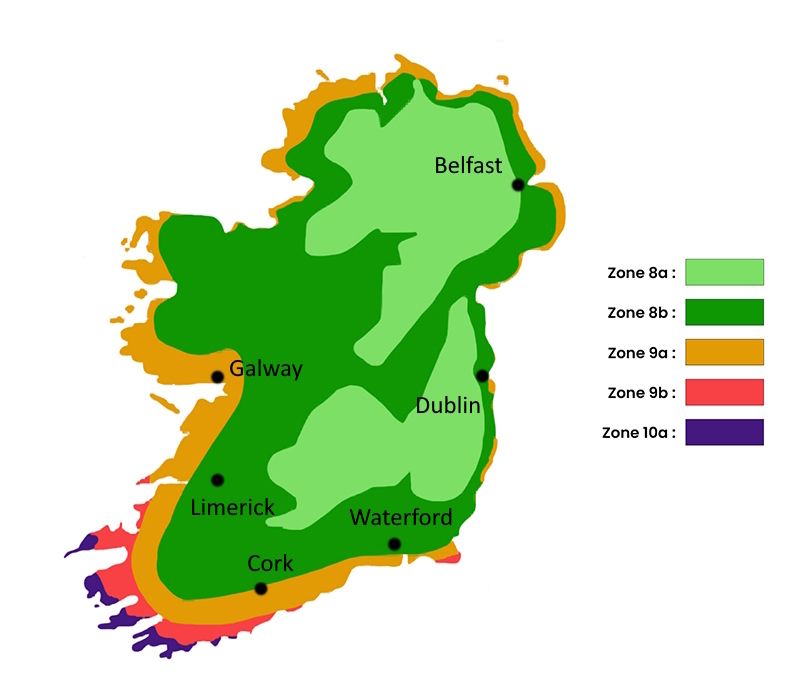
The planting period indicated on our website applies to regions in USDA Zone 9a (East Coast and Midlands: Dublin, Wexford, Waterford, Kilkenny, Portlaoise). It will vary depending on where you live:
- On the west coast and in the north-west (Galway, Limerick, Sligo, Donegal, Westport), delay planting by 1 to 2 weeks in spring and bring it forward by 1 to 2 weeks in autumn compared to the dates given, preferably choosing periods without strong winds.
- In the inland hills and plateaus (Wicklow Mountains, Macgillycuddy’s Reeks, Connemara, Killarney), it is best to plant in spring (April–May) or autumn (September–October), avoiding periods of waterlogged soil in winter and strong winds, which pose the main risk to newly planted trees in these areas.
The flowering period indicated on our website applies to regions in USDA Zone 9a, such as the East Coast and Midlands, including Dublin, Wexford, Waterford, Kilkenny and Portlaoise.
This will vary depending on where you live:
- On the west coast and in the northwest (Galway, Limerick, Sligo, Donegal and Westport), it will be delayed by one to two weeks compared to the given dates, due to stronger Atlantic winds and less spring sunshine.
- In the inland hills and plateaus (the Wicklow Mountains, the Macgillycuddy's Reeks, Connemara and Killarney), flowering will be delayed by two to three weeks. Flowering mainly occurs between May and July, with the limiting factors being less frost and more of the excessive humidity, strong winds and lack of sunshine that are characteristic of these areas.
Shipping country and language
Your country of residence may be:
Your country of residence is:
For a better user experience on our website, you can select:
Your shipping country:
-
 Austria
-
 Belgium
-
 Bosnia & Herzegovina
-
 Bulgaria
-
 Croatia
-
 Cyprus
-
 Czechia
-
 Denmark
-
 Estonia
-
 Finland
-
 France
-
 Germany
-
 Greece
-
 Hungary
-
 Iceland
-
 Ireland
-
 Italy
Italy
-
 Latvia
-
 Liechtenstein
-
 Lithuania
-
 Luxembourg
-
 Malta
Malta
-
 Netherlands
-
 Poland
-
 Portugal
-
 Romania
-
 Serbia
-
 Slovakia
-
 Slovenia
-
 Spain
Spain
-
 Sweden
-
 Switzerland
Language:
-
French
-
 English
-
Spanish
-
Italian
-
German
-
Portuguese
-
Dutch
-
Finnish
My Account
Hello
My wish lists
My cart
Log in / Register
Existing customer?
This form is protected by reCAPTCHA - the Google Privacy Policy and Terms of Service apply.
New customer?
Create an account to track your orders, access our customer service and, if you wish, make the most of our upcoming offers.