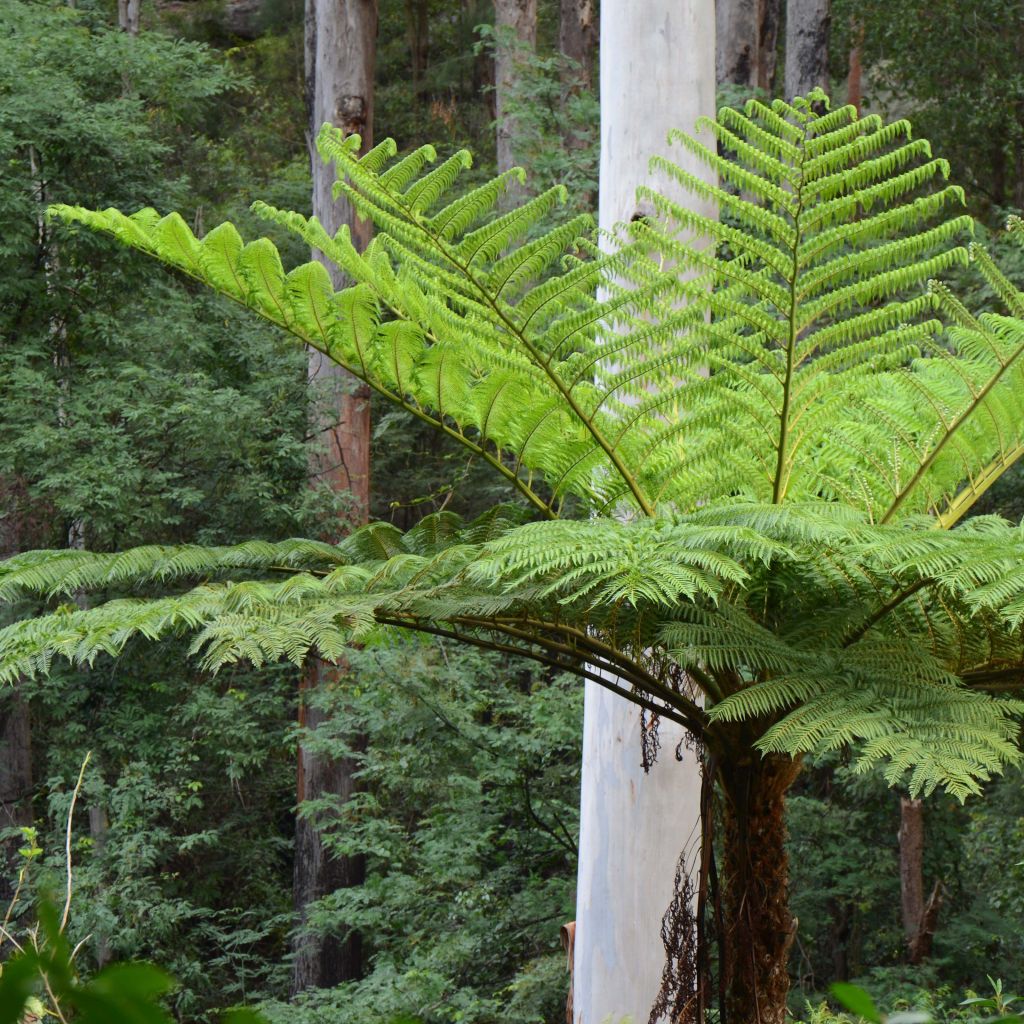
Cyathea cooperi - Australian Tree Fern
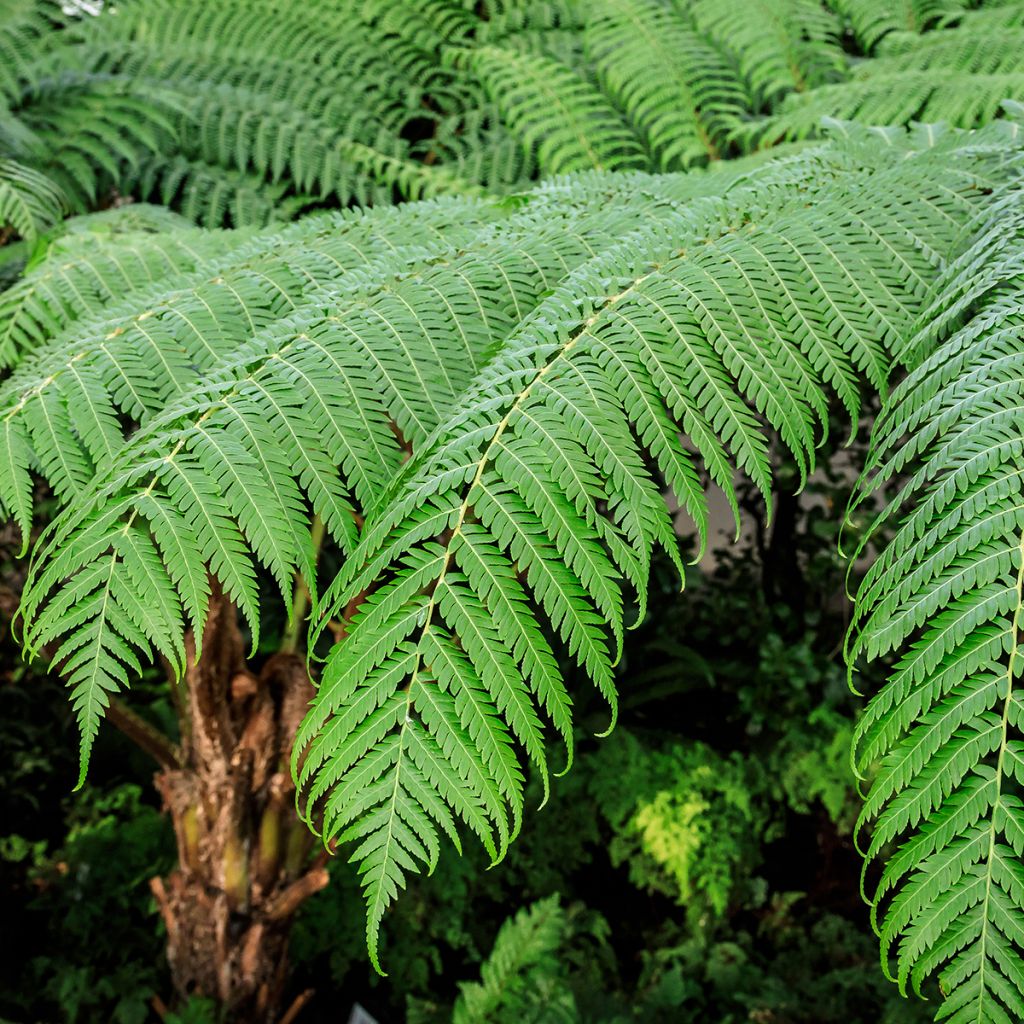
Cyathea cooperi - Australian Tree Fern
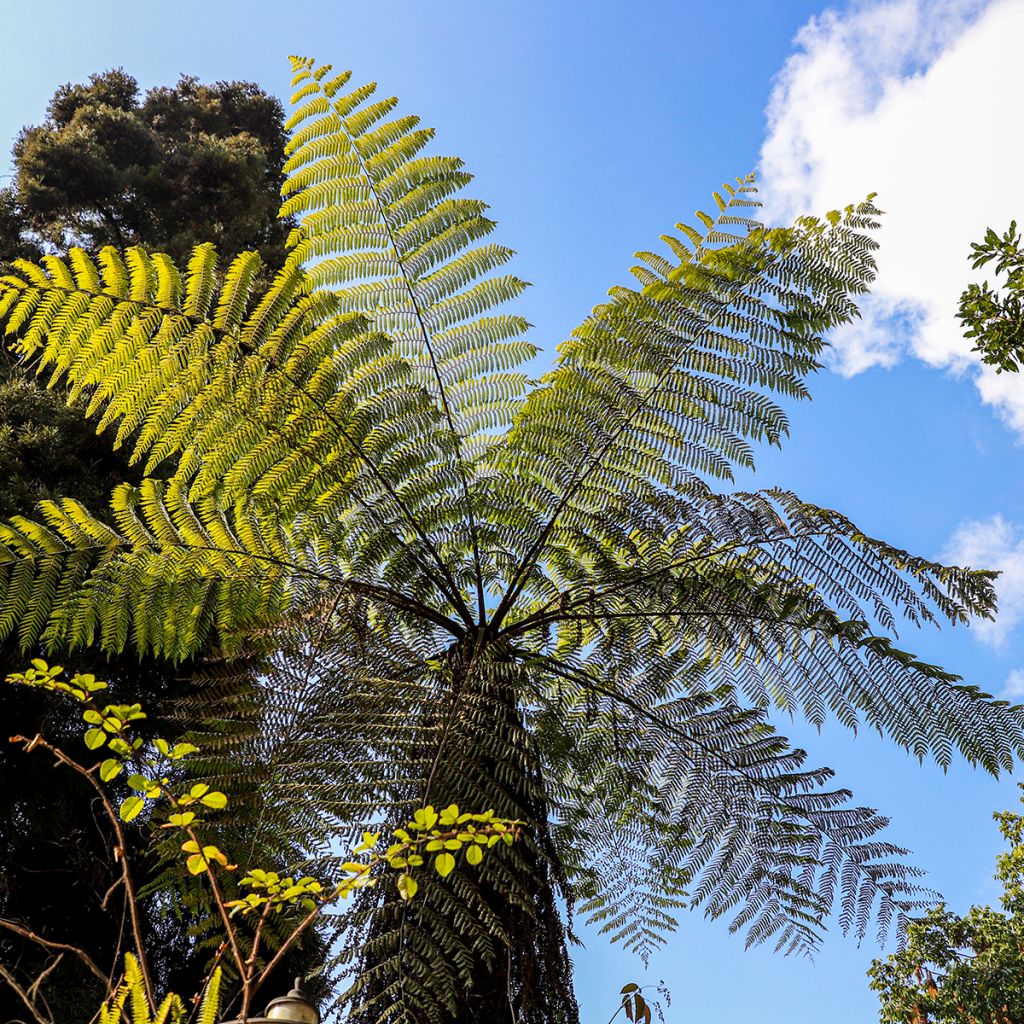
Cyathea cooperi - Australian Tree Fern
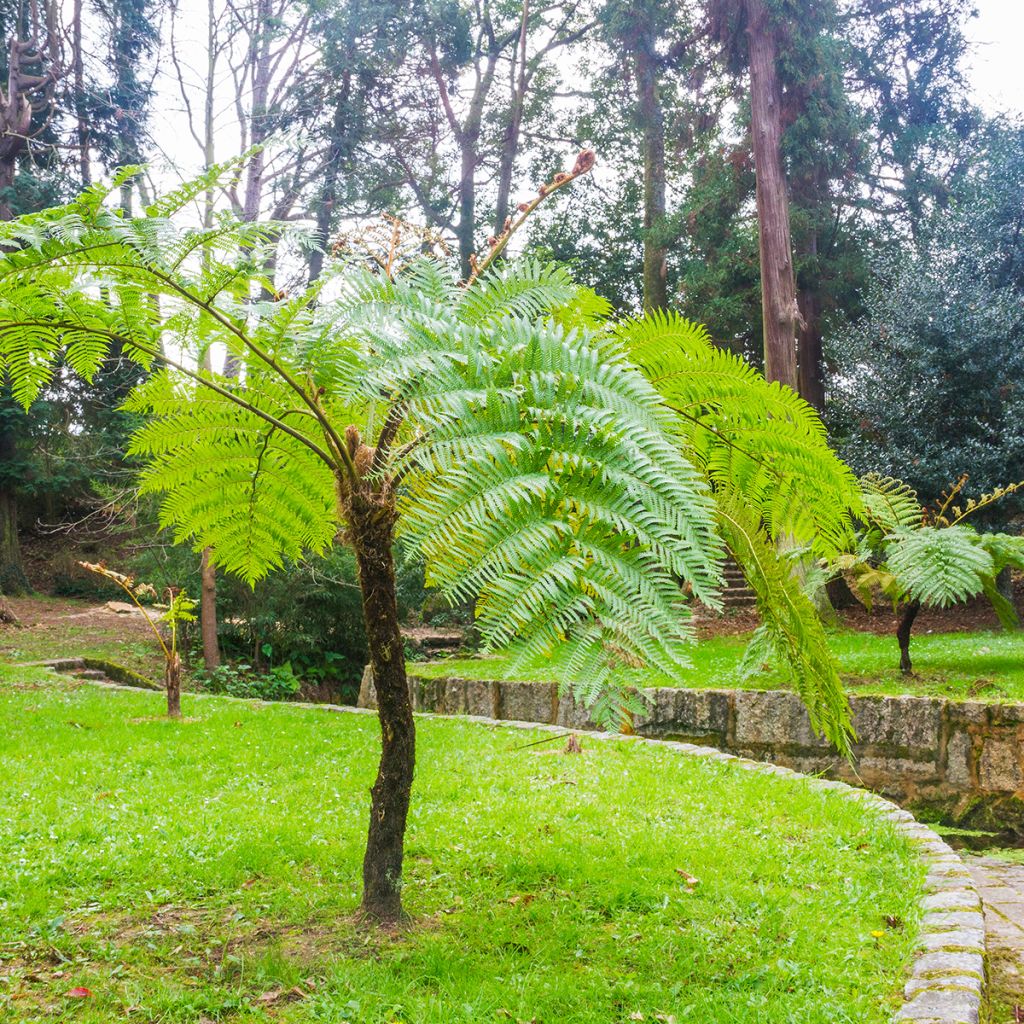
Cyathea cooperi - Australian Tree Fern

Cyathea cooperi - Australian Tree Fern
Cyathea cooperi - Australian Tree Fern
Cyathea cooperi - Australian Tree Fern
Cyathea cooperi - Australian Tree Fern
Cyathea cooperi - Australian Tree Fern
Cyathea cooperi - Australian Tree Fern
Cyathea cooperi
Australian Tree Fern, Scaly tree fern, Cooper's tree fern, Lacy tree fern
I was disappointed with the packaging and therefore with the quality of the products, because several leaves were broken. It was a gift for a colleague. However, the delivery was kindly brought forward at my request (by phone).
Lynn, 04/06/2025
Back-to-school special offer!
Get €10 off for every €50 you spend! And get up to €40 off on a single order.
How does it work?
1. Shop your favourites
Add your favourite plants to your basket. For every €50 you spend (excluding delivery charges, store credit and the plastic-free option), you’ll receive a €10 voucher.
€50 spent = €10 voucher
€100 spent = €20 voucher
€150 spent = €30 voucher
€200 spent = €40 voucher
2. Place your order
Once your basket reaches one of the spending thresholds, place your order. You can even choose your delivery date!
3. Receive your voucher
As soon as your order has been shipped, you’ll receive an email containing your personal voucher code and its value.
4. Use it on your next order
Your voucher is valid for 90 days from the date you receive it. It can be used once only, on a new order worth at least the value of the voucher, excluding delivery charges.
Please note: Vouchers can be combined with other offers, but cannot be split or refunded.
Home or relay delivery (depending on size and destination)
Important: You may be charged customs duties by your country’s customs authorities upon delivery.
Schedule delivery date
and select date in basket
This plant carries a 24 months recovery warranty
More information
We guarantee the quality of our plants for a full growing cycle, and will replace at our expense any plant that fails to recover under normal climatic and planting conditions.

Does this plant fit my garden?
Set up your Plantfit profile →
Description
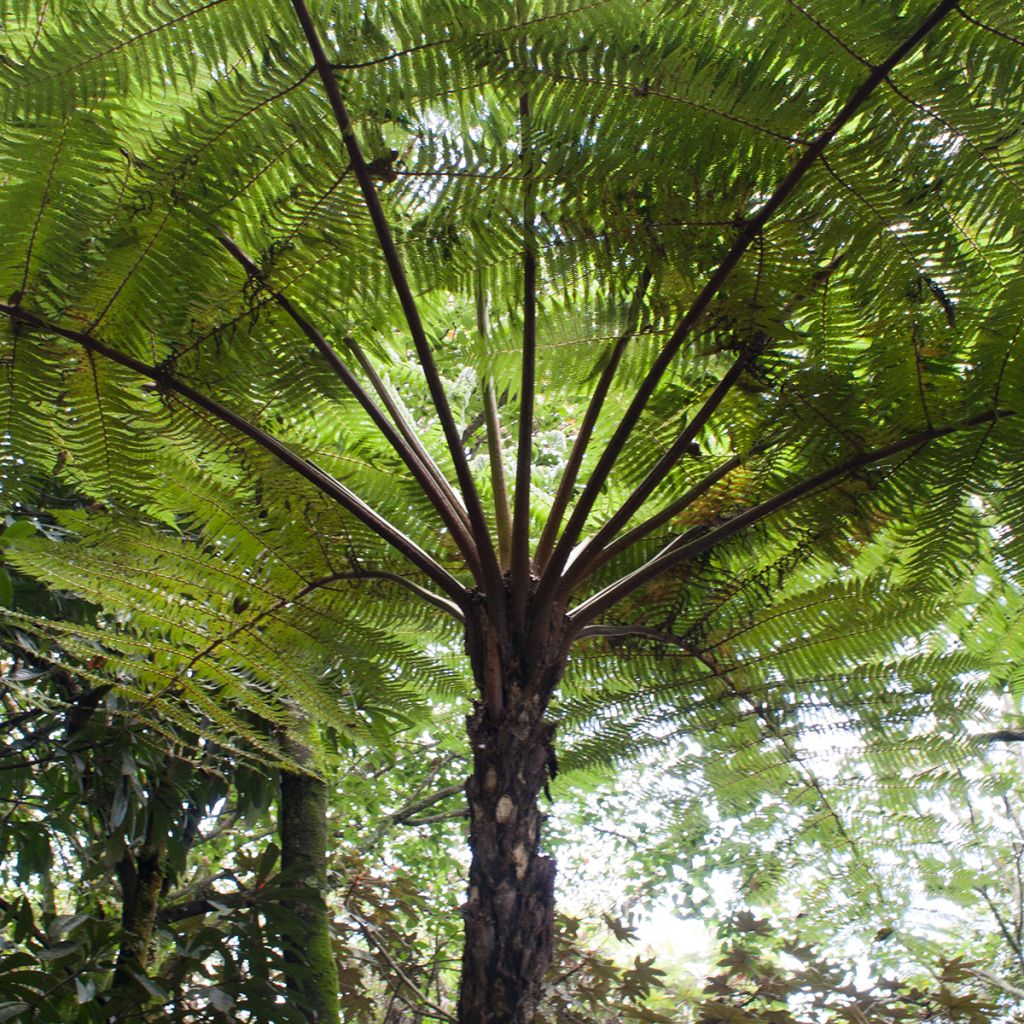
Cyathea cooperi, also known as Cooper's Cyathea, is an impressive, fast-growing tree fern. This beautiful species, native to the humid forests of Queensland, Victoria in Australia, and Tasmania, is a frost-sensitive plant, more suited for container cultivation than for open ground in our latitudes. The elegant fern forms a slender and dark false trunk (stipe) and carries an opulent crown of large light green fronds that are as luxuriant as they are graceful. Creating an exotic decor on its own, it will find its place on a semi-shaded terrace throughout summer and will be a centrepiece for the conservatory in winter. Always place in diffused light. The cultivation of this wonderful plant requires a certain expertise.
Cyathea cooperi belongs to the Cyatheaceae family. It is a species of warm and humid temperate climate that only tolerates weak and brief frosts. The fronds will be "burned" at -3°C (26.6°F), and the trunk will not survive below -6°C (21.2°F). In nature, this fern finds a constant climate throughout the year, characterised by regular and heavy rainfall and a temperature that varies seasonally by only 10 to 18°C (50 to 64.4°F), 15 to 20°C (59 to 68°F), or 18 to 25°C (64.4 to 77°F). It grows in semi-shade, in leached acidic soils, which are cool, light, and poor in organic matter but rich enough in minerals.
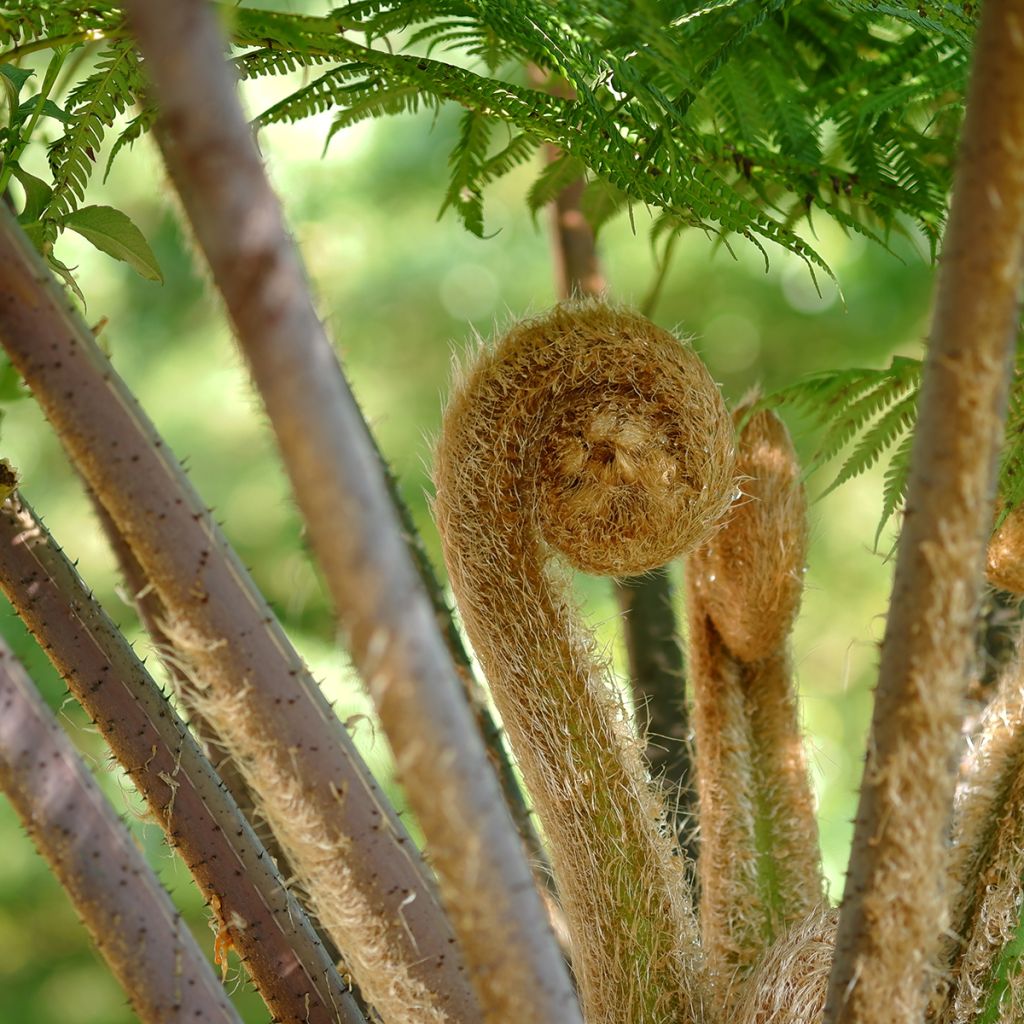
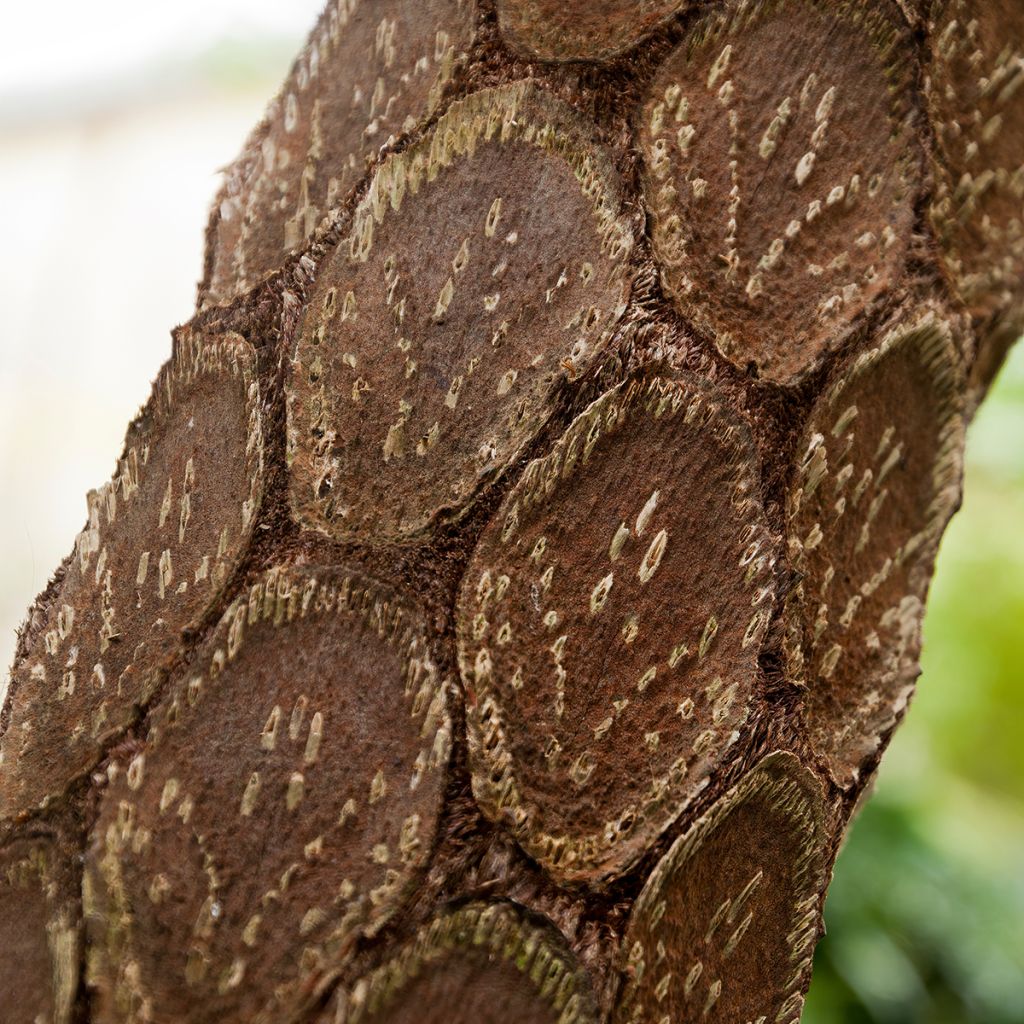
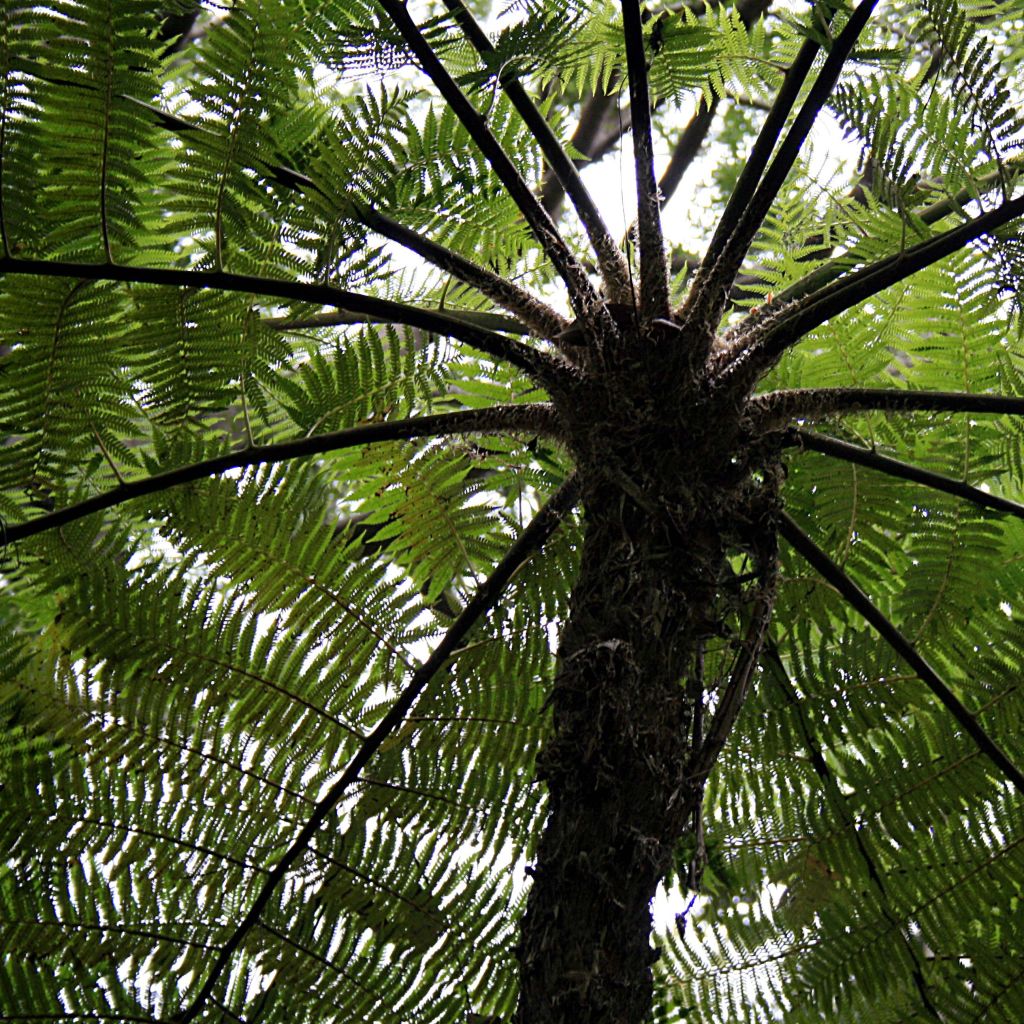
The plant shows rapid growth of about 25 to 40cm (10 to 16in) per year, more in a warm temperate greenhouse. It develops a slender (10 to 15cm (4 to 6in) in diameter) and tall false trunk that can reach 5 to 6m (16 to 20ft) in height. This false trunk is made up of intertwined rhizomes covered with dry adventitious roots and the brown, scaly, and papery remnants of the petioles of the old fronds. The base of the fronds is also covered with brown scales, giving them a coarse fur-like appearance. The young coiled fronds, called croziers, are scaly, and unfold into large fronds measuring 2 to 3m (7 to 10ft) in length, finely dissected, ranging from bright green to light green in colour. They are produced at the top of the trunk, one after the other, without interruption if the plant is kept above 10°C (50°F). Each frond is traversed by a reddish-brown rachis. The fronds are evergreen and each has an average lifespan of 2 years when frosts are not too severe.
Tree ferns are not known for their great hardiness, and Cyathea cooperi is no exception. The best solution is to grow it in a large pot and bring it indoors during winter to a frost-free or minimally heated conservatory. In addition to its low cold resistance, this tree fern only thrives in the diffused and humid atmosphere of an understory and in a light, cool soil with no trace of limestone. Therefore, its cultivation in open ground is reserved for the most temperate areas.

Cyathea cooperi - Australian Tree Fern in pictures
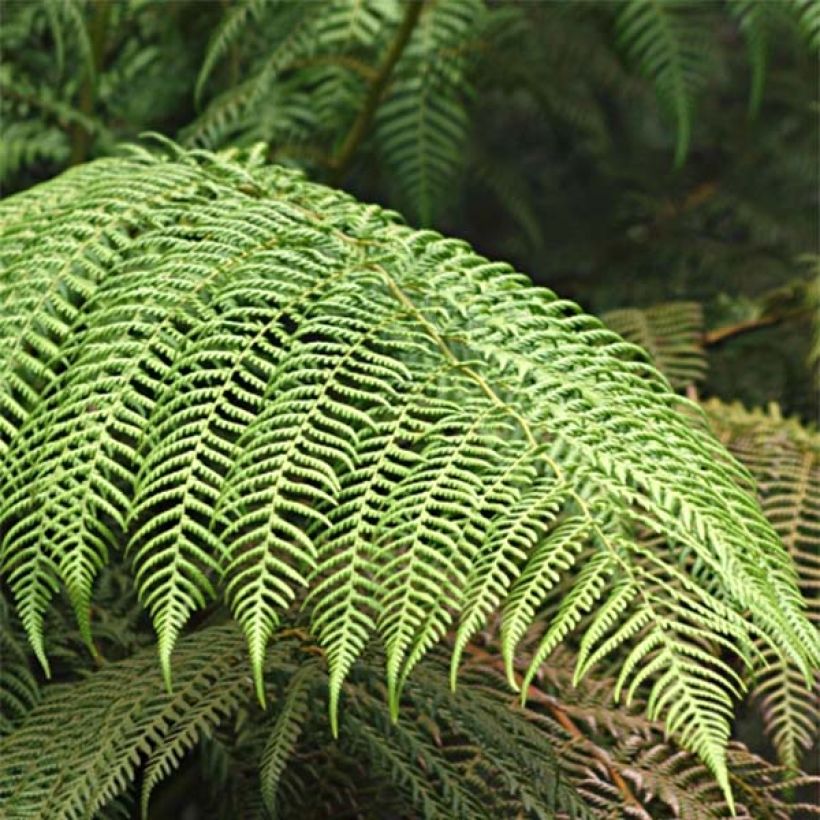
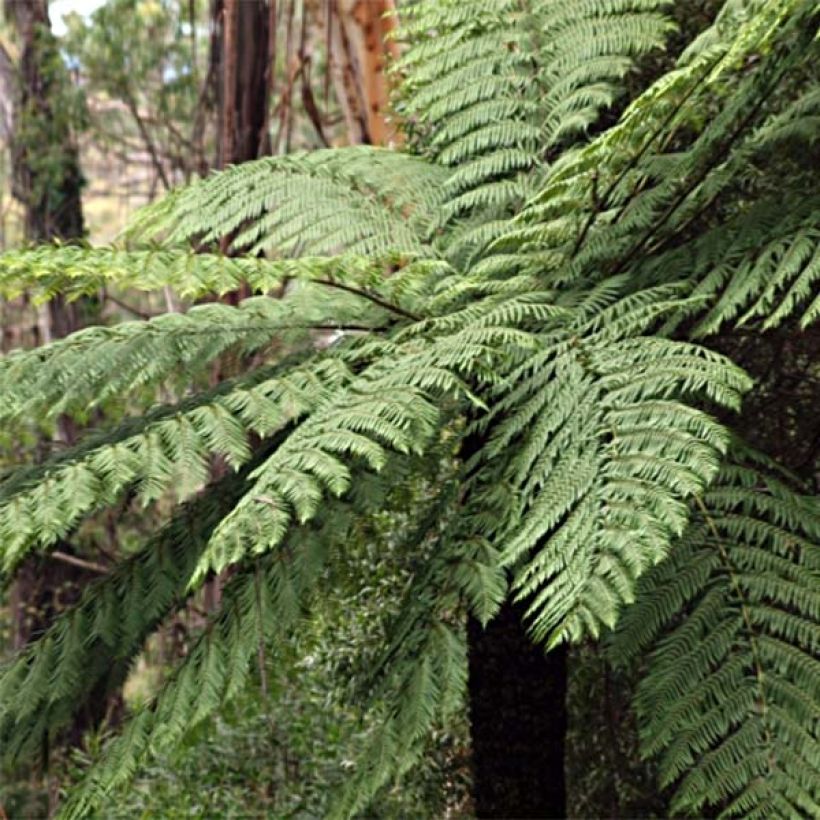
Plant habit
Foliage
Botanical data
Cyathea
cooperi
Cyatheaceae
Australian Tree Fern, Scaly tree fern, Cooper's tree fern, Lacy tree fern
Oceania
Planting and care
Cyathea cooperi grows in partial shade and can tolerate non-burning sun in a protected area with a humid atmosphere. The most important factor is the air humidity, which should be as high as possible as it is sensitive to drying winds. It prefers moist, light, acidic soils without any traces of limestone and does not tolerate watering with hard water. Planting in the ground is mainly recommended for mild oceanic or Mediterranean climates (zone 9), otherwise it should be grown in a pot and brought indoors to a frost-free conservatory during winter. Tree ferns are not known for their high hardiness. Cyathea cooperi is hardy without protection down to around -3°C (26.6°F) for a very short period, if it is in a sheltered location with no wind. Beyond that, winter protection is essential. This can be as simple as a "straw hat" to protect the young fronds at the top of the bole (trunk), which is the most sensitive area to cold. With this protection, the fern can withstand temperatures down to approximately -5°C (23°F) for a short period.
Fertiliser and watering: this tree fern responds well to purely mineral liquid fertiliser for green plants. Reduce the recommended dose by half in non-limestone water and water the heart of the plant once or twice a week between March and November. However, it reacts poorly to organic fertilisers (derived from decomposed living matter, animal or vegetable) which can burn its roots and cause it to perish within a few days. The death of the plant is indicated by the symptom of drooping, limp leaves.
Planting period
Intended location
Care
Planting & care advice
-

-

-

-
-
-

-
-
-
, onOrder confirmed
Reply from on Promesse de fleurs
Recently viewed products
Haven't found what you were looking for?
Hardiness is the lowest winter temperature a plant can endure without suffering serious damage or even dying. However, hardiness is affected by location (a sheltered area, such as a patio), protection (winter cover) and soil type (hardiness is improved by well-drained soil).
In temperate climates, pruning of spring-flowering shrubs (forsythia, spireas, etc.) should be done just after flowering.
Pruning of summer-flowering shrubs (Indian Lilac, Perovskia, etc.) can be done in winter or spring.
In cold regions as well as with frost-sensitive plants, avoid pruning too early when severe frosts may still occur.
The harvesting period indicated on our website applies to countries and regions in USDA zone 8 (France, England, Ireland, the Netherlands).
In colder areas (Scandinavia, Poland, Austria...) fruit and vegetable harvests are likely to be delayed by 3-4 weeks.
In warmer areas (Italy, Spain, Greece, etc.), harvesting will probably take place earlier, depending on weather conditions.
The sowing periods indicated on our website apply to countries and regions within USDA Zone 8 (France, UK, Ireland, Netherlands).
In colder areas (Scandinavia, Poland, Austria...), delay any outdoor sowing by 3-4 weeks, or sow under glass.
In warmer climes (Italy, Spain, Greece, etc.), bring outdoor sowing forward by a few weeks.
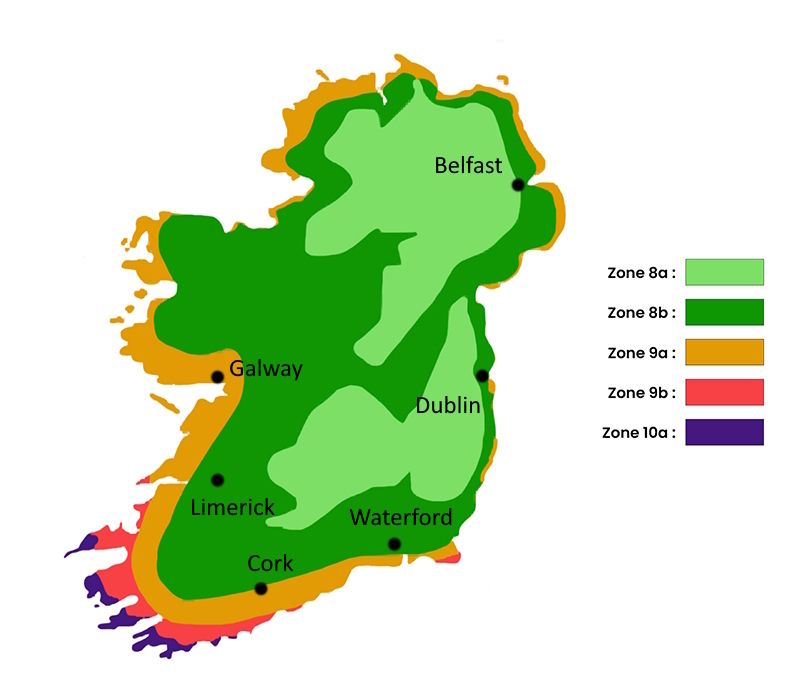
The planting period indicated on our website applies to regions in USDA Zone 9a (East Coast and Midlands: Dublin, Wexford, Waterford, Kilkenny, Portlaoise). It will vary depending on where you live:
- On the west coast and in the north-west (Galway, Limerick, Sligo, Donegal, Westport), delay planting by 1 to 2 weeks in spring and bring it forward by 1 to 2 weeks in autumn compared to the dates given, preferably choosing periods without strong winds.
- In the inland hills and plateaus (Wicklow Mountains, Macgillycuddy’s Reeks, Connemara, Killarney), it is best to plant in spring (April–May) or autumn (September–October), avoiding periods of waterlogged soil in winter and strong winds, which pose the main risk to newly planted trees in these areas.
The flowering period indicated on our website applies to regions in USDA Zone 9a, such as the East Coast and Midlands, including Dublin, Wexford, Waterford, Kilkenny and Portlaoise.
This will vary depending on where you live:
- On the west coast and in the northwest (Galway, Limerick, Sligo, Donegal and Westport), it will be delayed by one to two weeks compared to the given dates, due to stronger Atlantic winds and less spring sunshine.
- In the inland hills and plateaus (the Wicklow Mountains, the Macgillycuddy's Reeks, Connemara and Killarney), flowering will be delayed by two to three weeks. Flowering mainly occurs between May and July, with the limiting factors being less frost and more of the excessive humidity, strong winds and lack of sunshine that are characteristic of these areas.
Shipping country and language
Your country of residence may be:
Your country of residence is:
For a better user experience on our website, you can select:
Your shipping country:
-
 Austria
-
 Belgium
-
 Bosnia & Herzegovina
-
 Bulgaria
-
 Croatia
-
 Cyprus
-
 Czechia
-
 Denmark
-
 Estonia
-
 Finland
-
 France
-
 Germany
-
 Greece
-
 Hungary
-
 Iceland
-
 Ireland
-
 Italy
Italy
-
 Latvia
-
 Liechtenstein
-
 Lithuania
-
 Luxembourg
-
 Malta
Malta
-
 Netherlands
-
 Poland
-
 Portugal
-
 Romania
-
 Serbia
-
 Slovakia
-
 Slovenia
-
 Spain
Spain
-
 Sweden
-
 Switzerland
Language:
-
French
-
 English
-
Spanish
-
Italian
-
German
-
Portuguese
-
Dutch
-
Finnish
My Account
Hello
My wish lists
My cart
Log in / Register
Existing customer?
This form is protected by reCAPTCHA - the Google Privacy Policy and Terms of Service apply.
New customer?
Create an account to track your orders, access our customer service and, if you wish, make the most of our upcoming offers.