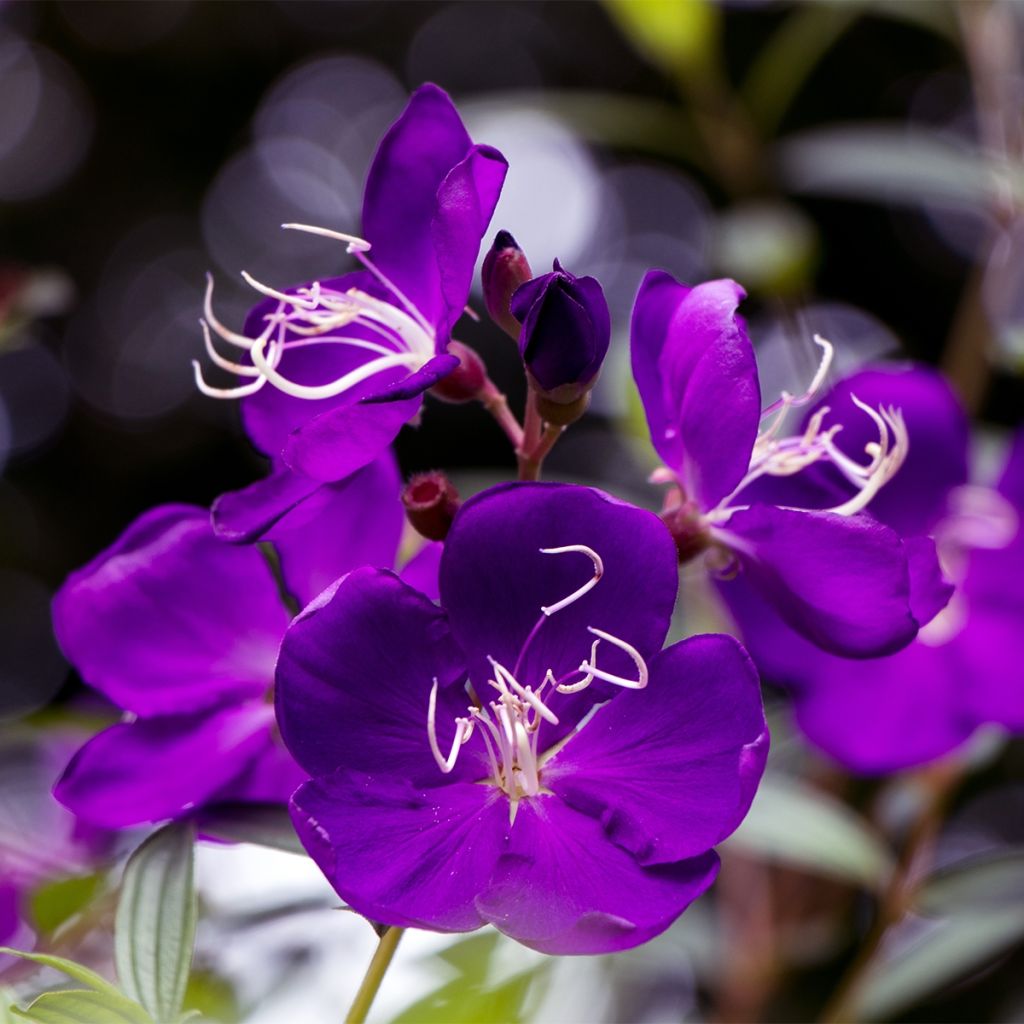
Tibouchina semidecandra
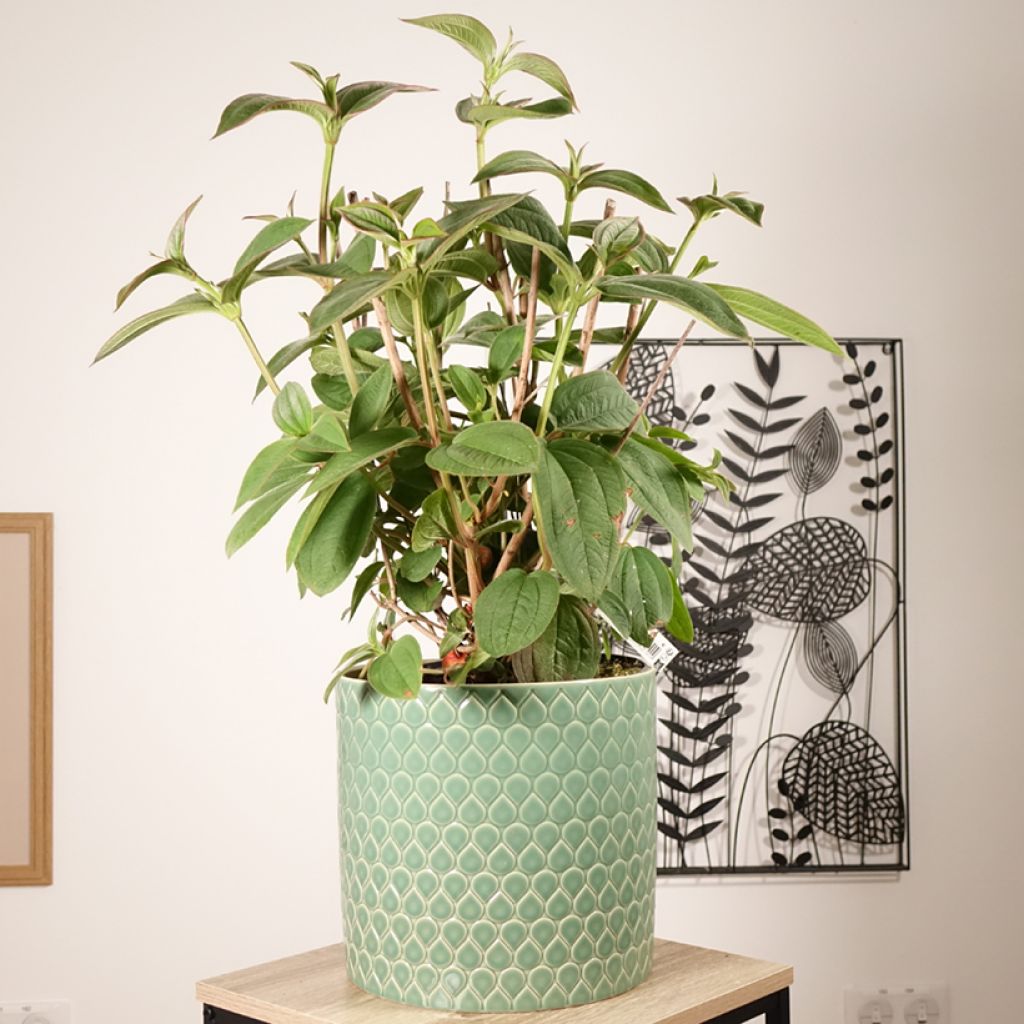
Tibouchina semidecandra
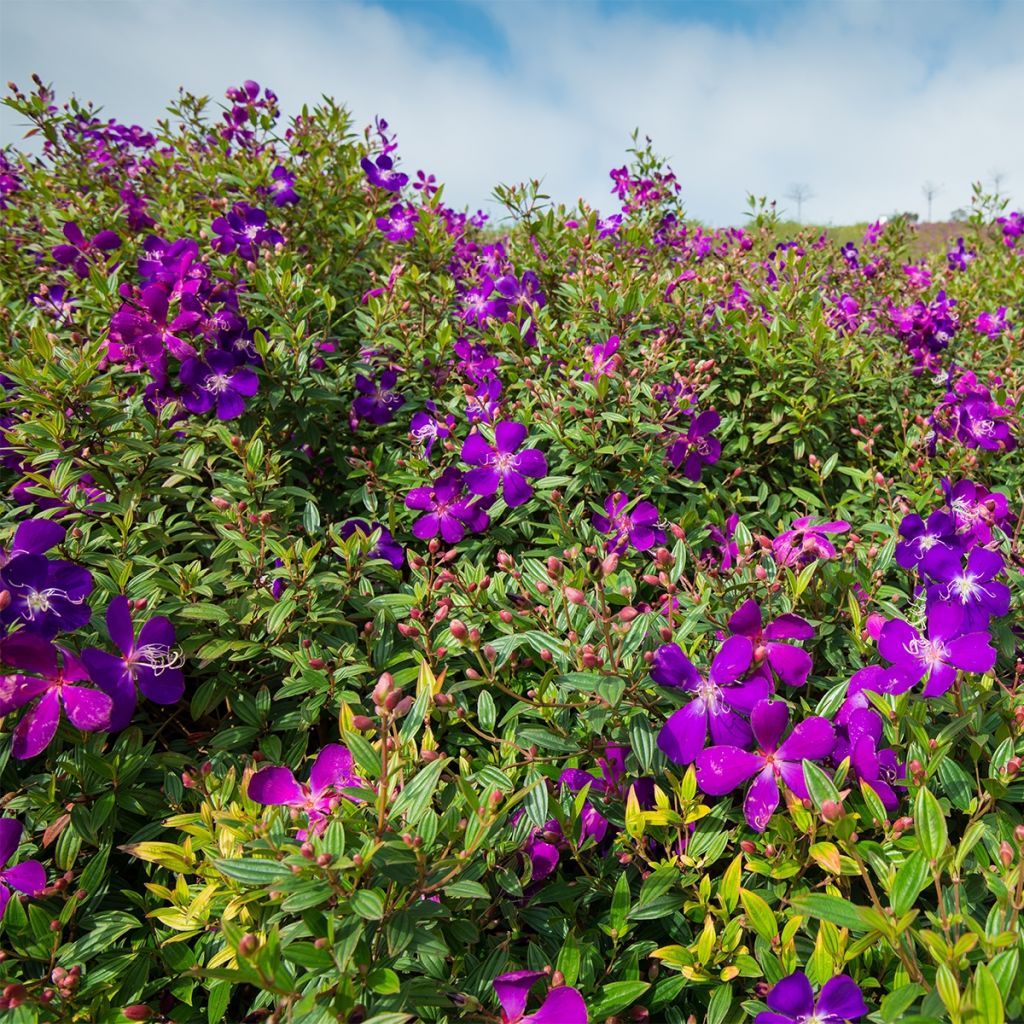
Tibouchina semidecandra
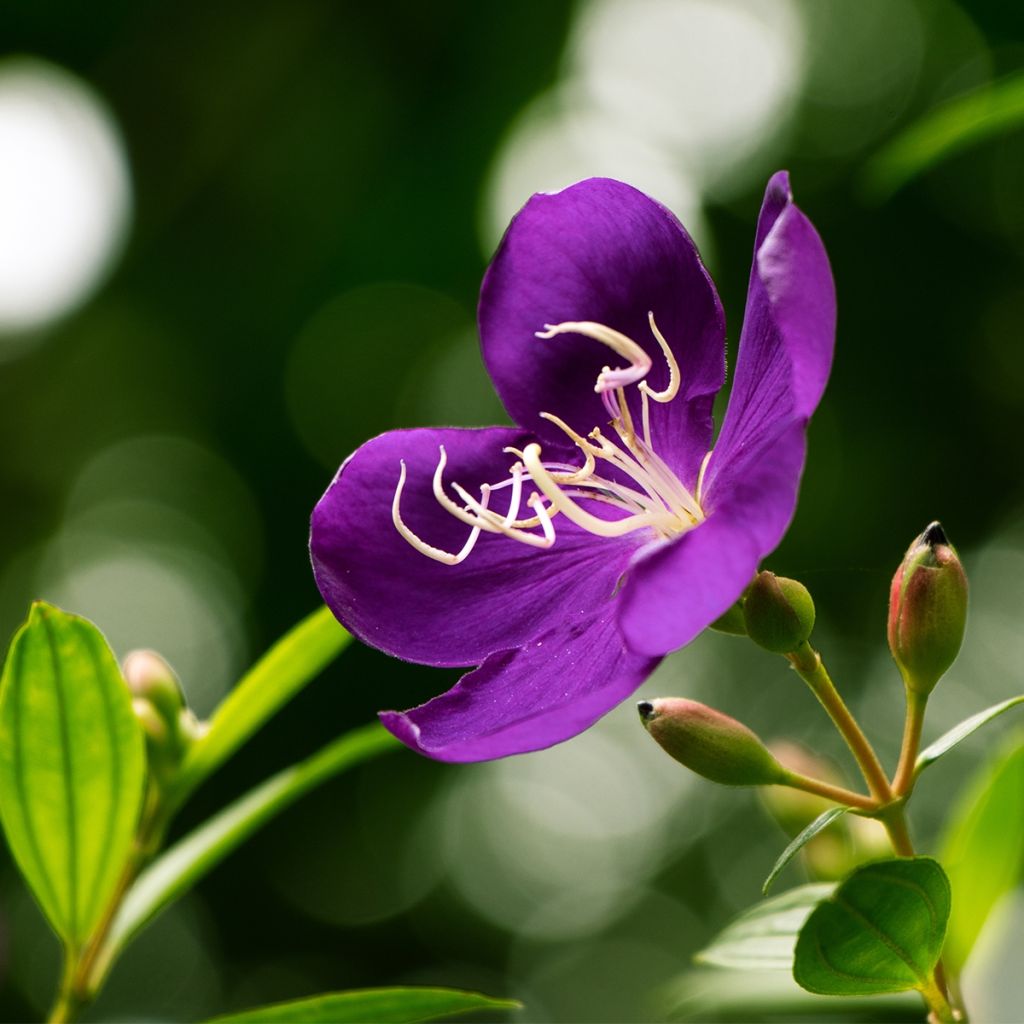
Tibouchina semidecandra
Tibouchina semidecandra
Tibouchina semidecandra
Glory Bush, Princess Flower, Lasiandra
Lovely plant; flowering in October; still in full bloom today, perfect for the late season.
Frafo, 18/11/2024
Back-to-school special offer!
Get €10 off for every €50 you spend! And get up to €40 off on a single order.
How does it work?
1. Shop your favourites
Add your favourite plants to your basket. For every €50 you spend (excluding delivery charges, store credit and the plastic-free option), you’ll receive a €10 voucher.
€50 spent = €10 voucher
€100 spent = €20 voucher
€150 spent = €30 voucher
€200 spent = €40 voucher
2. Place your order
Once your basket reaches one of the spending thresholds, place your order. You can even choose your delivery date!
3. Receive your voucher
As soon as your order has been shipped, you’ll receive an email containing your personal voucher code and its value.
4. Use it on your next order
Your voucher is valid for 90 days from the date you receive it. It can be used once only, on a new order worth at least the value of the voucher, excluding delivery charges.
Please note: Vouchers can be combined with other offers, but cannot be split or refunded.
Home or relay delivery (depending on size and destination)
Important: You may be charged customs duties by your country’s customs authorities upon delivery.
Schedule delivery date,
and select date in basket
This plant carries a 24 months recovery warranty
More information
We guarantee the quality of our plants for a full growing cycle, and will replace at our expense any plant that fails to recover under normal climatic and planting conditions.

Does this plant fit my garden?
Set up your Plantfit profile →
Description
The Tibouchina semidecandra, wrongly confused with the Tibouchina urvilleana, is a superb evergreen bush with an almost unreal purple flowering that blooms for several months from summer to autumn. Its flowers are larger than those of its famous cousin, and they are most often solitary. Unfortunately, this plant is not very hardy and except in the mildest areas of Europe (southern and Atlantic coast), it must be treated as an orangery plant. Therefore, it should be grown in a pot and protected from frost in winter, for example in a conservatory. In the ground, in acidic and well-drained soil, this Tibouchina will form a medium-sized bush with an exotic appearance.
The Tibouchina is a member of the Melastomataceae family, a botanical family that is largely unknown in our latitudes, but far from insignificant, as it includes nearly 180 genera and several thousand species. These plants of all types - herbaceous, bushes, trees, climbers - are widespread in tropical and subtropical areas. A few of them are used as houseplants, such as the superb Medinilla magnifica from the Philippines, with pink inflorescences several tens of centimeters long.
It was a French botanist, Jean-Baptiste Christophe Fusée-Aublet, who described the Tibouchina genus in 1775. The plant was introduced to Europe in the mid-19th century. This genus includes a very large number of species, some of which can be invasive in tropical areas. Tibouchina semidecandra is native to southeastern Brazil and mostly grows on rocky outcrops and at the edge of forests or in clearings. This species is very similar to T. urvilleana, but it is distinguished by larger and solitary flowers, rather than in clusters. It is a plant that prefers acidic soil (without limestone), rich in humus, and very well-drained.
Tibouchina semidecandra can reach 6m (20ft) in height in the tropics, but will typically reach 3m (10ft) in our gardens, with a width of around 2m. In a pot, it can be kept at 2m (7ft) or even smaller by regular pruning. In any case, it should be pruned at the end of winter to prevent it from becoming bare at the base. Similarly, if the above-ground part is damaged by frost in the ground, a severe pruning in early spring will stimulate bud growth from the base. Its ovate leaves, 5 to 10cm (2 to 4in) long, of a beautiful bright green have well-marked veins and are downy. Carried by square-sectioned stems, they give this bush a recognizable appearance. But it is its flowers that are distinctive. Solitary, 7 to 10cm (3 to 4in) in diameter, they have a sublime violet color, with decorative stamens in the shape of spider legs. The abundant flowering is renewed from week to week, from late June to October.
This Tibouchina appreciates the sun in winter, but fears its excess in summer, which is why it is easier to grow it in a pot so that it can be moved and given optimal growing conditions. In a mild enough climate, a deciduous tree providing light shade in summer will be welcome above its head. An Albizia julibrissin Summer Chocolate will be perfect in this role, and its exotic appearance will perfectly match that of the Tibouchina. The Callistemon x laevis with its red bottlebrush flowers will also be in perfect harmony, as well as the Cassia floribunda with its pure yellow flowers. To complete this exotic scene, a Caesalpinia gillesii or bird of paradise, with a fiercely tropical appearance, could be accompanied by a clump of Strelitzia reginae, the famous bird of paradise.
Report an error about the product description
Tibouchina semidecandra in pictures
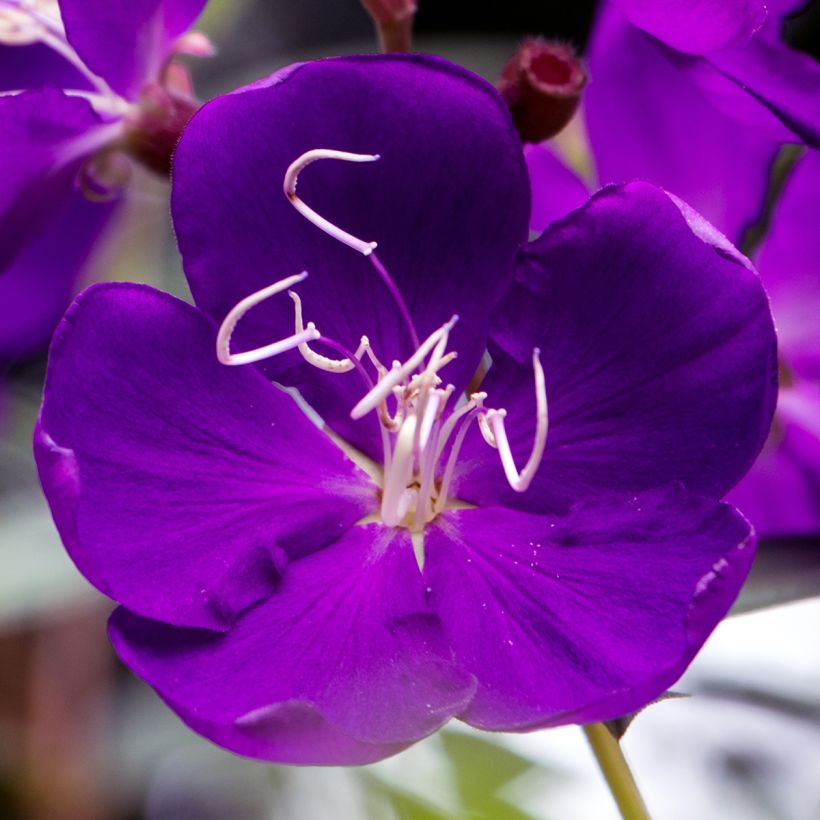
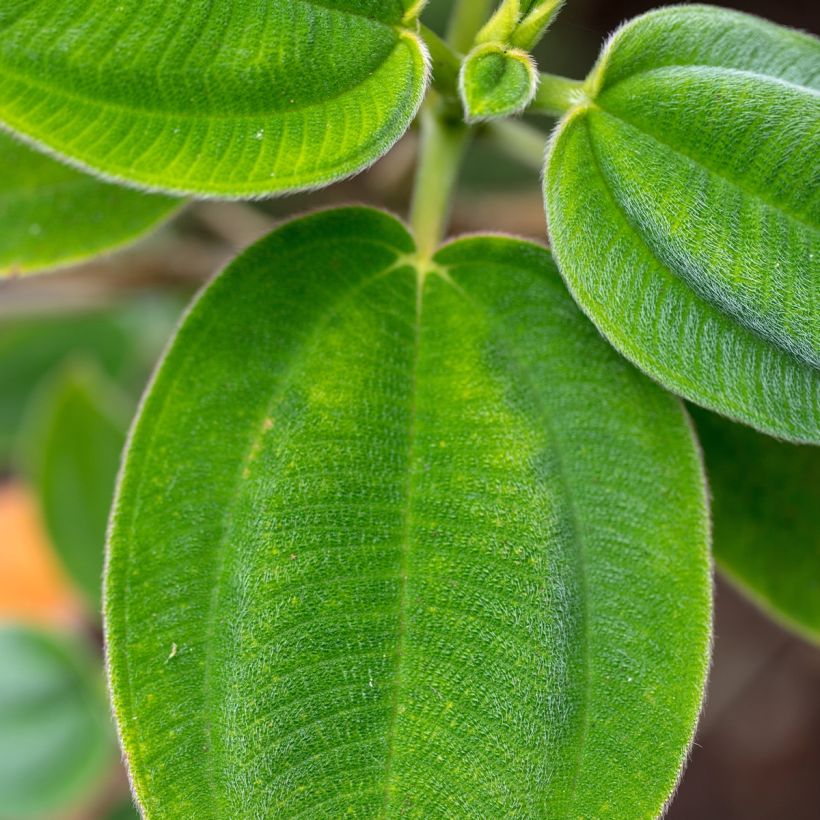
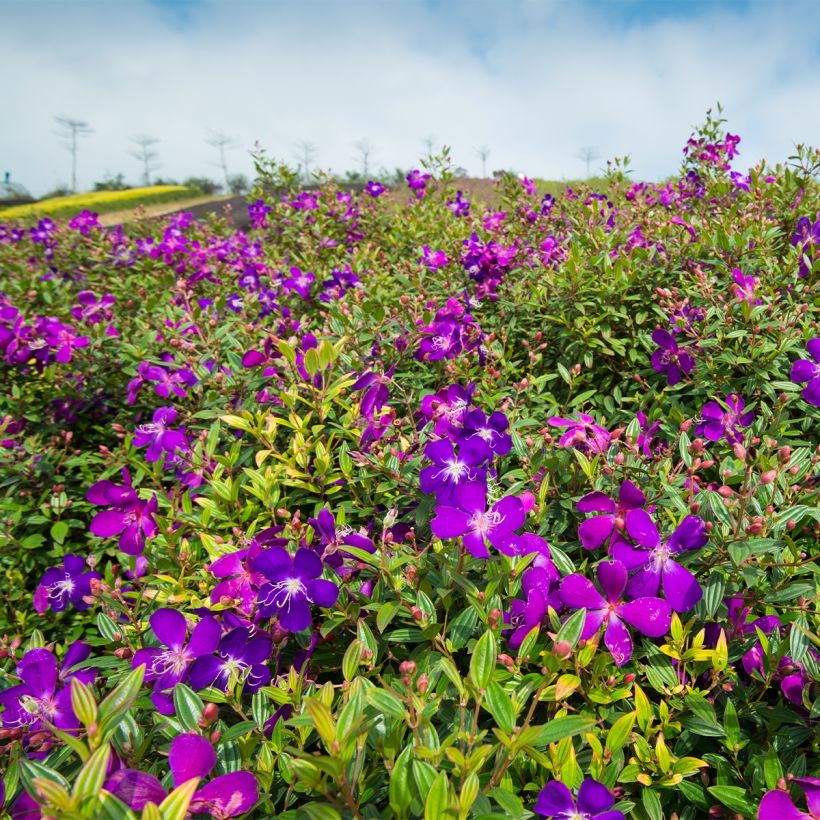
Plant habit
Flowering
Foliage
Botanical data
Tibouchina
semidecandra
Melastomataceae
Glory Bush, Princess Flower, Lasiandra
Cultivar or hybrid
Planting and care
The Tibouchina semidecandra is a plant of subtropical origin that tolerates very little frost, around -3°C (26.6°F) for a short period if the soil is well-drained. This means that only the most protected areas of the Mediterranean and Atlantic coasts will be able to accommodate it in the ground, everywhere else it will need to be grown in a pot and overwintered in a veranda or in a frost-free garage.
In the ground, the Tibouchina should be planted in neutral to acidic, rich and deep soil, but perfectly drained. Excess water can cause the roots to rot and will accentuate the effect of even a slight frost in winter. Ideally, it should be planted under the light shade of a deciduous tree, to protect it from excessive sunlight in summer while allowing it to enjoy the generous winter sun in the Mediterranean coastal zone. Plant in spring after the last risk of frost, this will give the bush time to establish its roots before the following winter. Soak the root ball in a bucket for fifteen minutes before planting to moisten it thoroughly. Dig a hole 50 cm (20in) in all directions and enrich the soil with a planting mix containing compost. Place the root ball in the hole (the top of it should be level with the surface of the soil), backfill and water abundantly. Regularly water for the first two years and gradually reduce watering afterwards, taking care not to let the soil dry out.
Outside of privileged climatic zones, choose a pot with a diameter of at least 60 cm (24in), as this bush can reach 2 m (7ft) in height under these conditions. Prefer a decorative terracotta pot to ensure good thermal insulation and prevent overheating of the substrate in summer. In addition, its weight will give it stability. Choose a soil with a pH of around 6 and some integrated compost and fertilizer to ensure fertilization in the first few weeks. Plant in March or April under shelter, and from May after the last frost, take the pot outside. Regularly water and from early June, use a potassium-based fertilizer (the K in NPK) to promote flowering. You can either buy liquid fertilizer to mix in the watering can, or use a slow-release fertilizer (to be spread on the surface of the soil and lightly scratched in).
Planting period
Intended location
Care
Planting & care advice
-

-
-
-

-
-
-

-

-
, onOrder confirmed
Reply from on Promesse de fleurs
Recently viewed products
Haven't found what you were looking for?
Hardiness is the lowest winter temperature a plant can endure without suffering serious damage or even dying. However, hardiness is affected by location (a sheltered area, such as a patio), protection (winter cover) and soil type (hardiness is improved by well-drained soil).
In temperate climates, pruning of spring-flowering shrubs (forsythia, spireas, etc.) should be done just after flowering.
Pruning of summer-flowering shrubs (Indian Lilac, Perovskia, etc.) can be done in winter or spring.
In cold regions as well as with frost-sensitive plants, avoid pruning too early when severe frosts may still occur.
The harvesting period indicated on our website applies to countries and regions in USDA zone 8 (France, England, Ireland, the Netherlands).
In colder areas (Scandinavia, Poland, Austria...) fruit and vegetable harvests are likely to be delayed by 3-4 weeks.
In warmer areas (Italy, Spain, Greece, etc.), harvesting will probably take place earlier, depending on weather conditions.
The sowing periods indicated on our website apply to countries and regions within USDA Zone 8 (France, UK, Ireland, Netherlands).
In colder areas (Scandinavia, Poland, Austria...), delay any outdoor sowing by 3-4 weeks, or sow under glass.
In warmer climes (Italy, Spain, Greece, etc.), bring outdoor sowing forward by a few weeks.
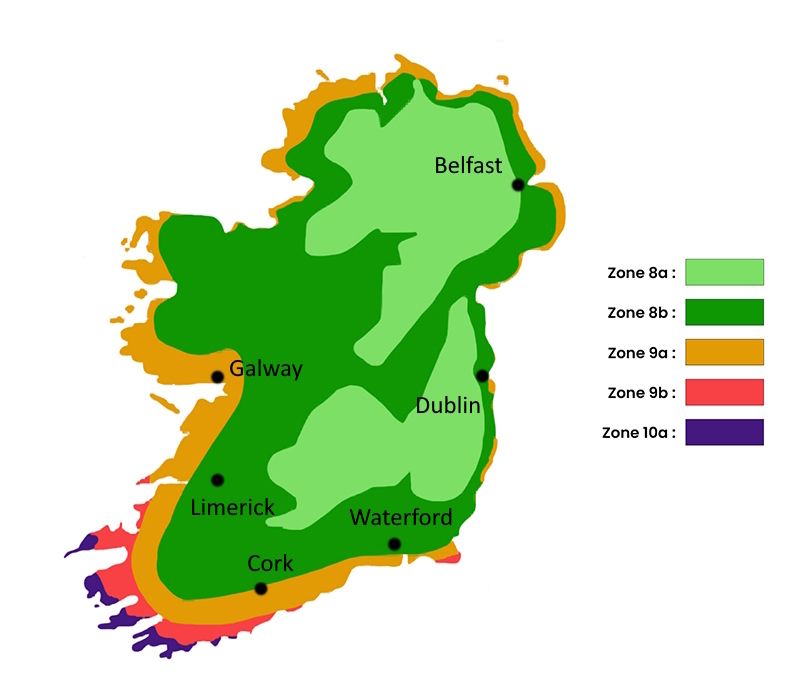
The planting period indicated on our website applies to regions in USDA Zone 9a (East Coast and Midlands: Dublin, Wexford, Waterford, Kilkenny, Portlaoise). It will vary depending on where you live:
- On the west coast and in the north-west (Galway, Limerick, Sligo, Donegal, Westport), delay planting by 1 to 2 weeks in spring and bring it forward by 1 to 2 weeks in autumn compared to the dates given, preferably choosing periods without strong winds.
- In the inland hills and plateaus (Wicklow Mountains, Macgillycuddy’s Reeks, Connemara, Killarney), it is best to plant in spring (April–May) or autumn (September–October), avoiding periods of waterlogged soil in winter and strong winds, which pose the main risk to newly planted trees in these areas.
The flowering period indicated on our website applies to regions in USDA Zone 9a, such as the East Coast and Midlands, including Dublin, Wexford, Waterford, Kilkenny and Portlaoise.
This will vary depending on where you live:
- On the west coast and in the northwest (Galway, Limerick, Sligo, Donegal and Westport), it will be delayed by one to two weeks compared to the given dates, due to stronger Atlantic winds and less spring sunshine.
- In the inland hills and plateaus (the Wicklow Mountains, the Macgillycuddy's Reeks, Connemara and Killarney), flowering will be delayed by two to three weeks. Flowering mainly occurs between May and July, with the limiting factors being less frost and more of the excessive humidity, strong winds and lack of sunshine that are characteristic of these areas.
Shipping country and language
Your country of residence may be:
Your country of residence is:
For a better user experience on our website, you can select:
Your shipping country:
-
 Austria
-
 Belgium
-
 Bosnia & Herzegovina
-
 Bulgaria
-
 Croatia
-
 Cyprus
-
 Czechia
-
 Denmark
-
 Estonia
-
 Finland
-
 France
-
 Germany
-
 Greece
-
 Hungary
-
 Iceland
-
 Ireland
-
 Italy
Italy
-
 Latvia
-
 Liechtenstein
-
 Lithuania
-
 Luxembourg
-
 Malta
Malta
-
 Netherlands
-
 Poland
-
 Portugal
-
 Romania
-
 Serbia
-
 Slovakia
-
 Slovenia
-
 Spain
Spain
-
 Sweden
-
 Switzerland
Language:
-
French
-
 English
-
Spanish
-
Italian
-
German
-
Portuguese
-
Dutch
-
Finnish
My Account
Hello
My wish lists
My cart
Log in / Register
Existing customer?
This form is protected by reCAPTCHA - the Google Privacy Policy and Terms of Service apply.
New customer?
Create an account to track your orders, access our customer service and, if you wish, make the most of our upcoming offers.