Punica granatum Parfianka - Pomegranate
Punica granatum Parfianka - Pomegranate
Punica granatum Parfianka
Pomegranate
Lovely little young plant, received in perfect condition. I'm waiting for it to get established in the spring.
Claudine, 04/01/2026
Back-to-school special offer!
Get €10 off for every €50 you spend! And get up to €40 off on a single order.
How does it work?
1. Shop your favourites
Add your favourite plants to your basket. For every €50 you spend (excluding delivery charges, store credit and the plastic-free option), you’ll receive a €10 voucher.
€50 spent = €10 voucher
€100 spent = €20 voucher
€150 spent = €30 voucher
€200 spent = €40 voucher
2. Place your order
Once your basket reaches one of the spending thresholds, place your order. You can even choose your delivery date!
3. Receive your voucher
As soon as your order has been shipped, you’ll receive an email containing your personal voucher code and its value.
4. Use it on your next order
Your voucher is valid for 90 days from the date you receive it. It can be used once only, on a new order worth at least the value of the voucher, excluding delivery charges.
Please note: Vouchers can be combined with other offers, but cannot be split or refunded.
Home or relay delivery (depending on size and destination)
Important: You may be charged customs duties by your country’s customs authorities upon delivery.
Schedule delivery date
and select date in basket
This plant carries a 12 months recovery warranty
More information
We guarantee the quality of our plants for a full growing cycle, and will replace at our expense any plant that fails to recover under normal climatic and planting conditions.

Description
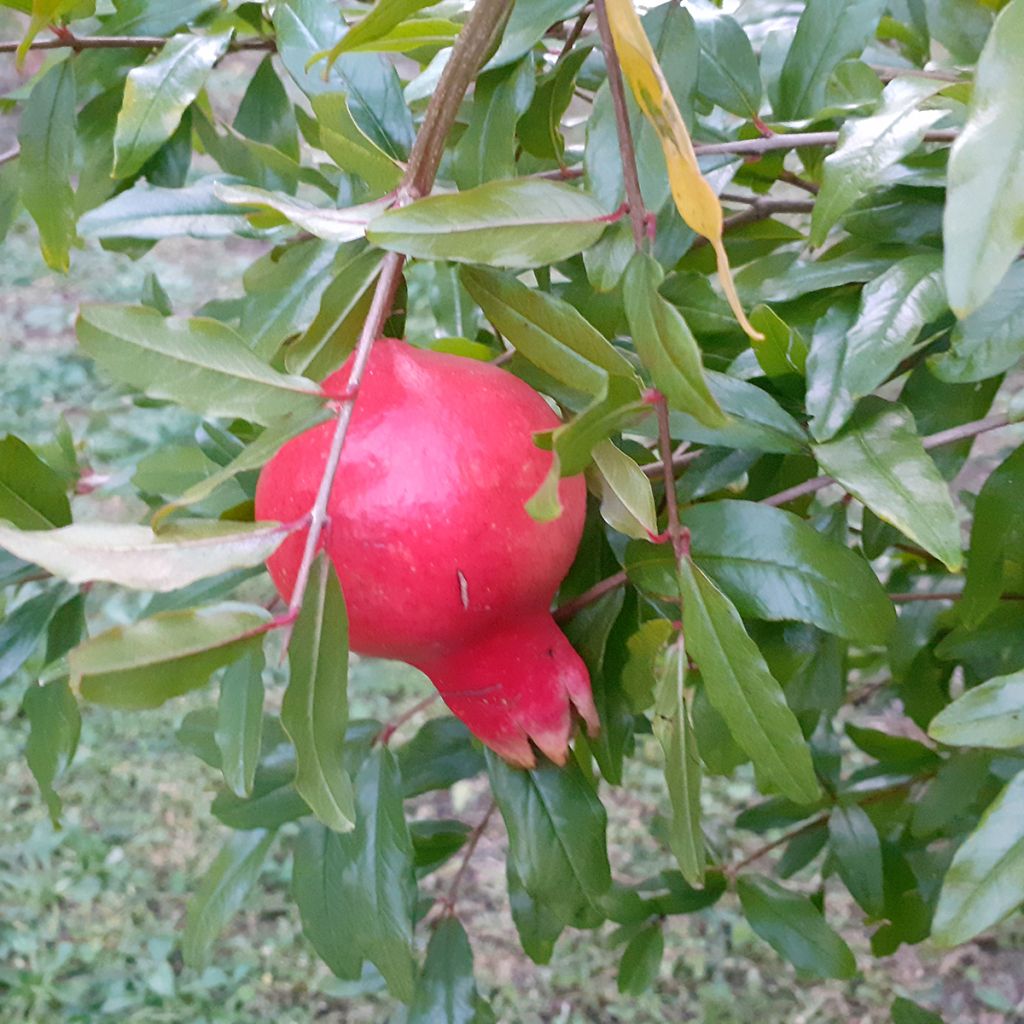
The 'Parfianka' pomegranate tree offers a generous harvest of large, round pomegranates, weighing between 240 and 430 grams with a diameter of 10 to 14 cm. Their thick and shiny skin has a dark red hue when ripe. Inside, the fruit is divided into several chambers containing juicy reddish pulp with a sweet flavour and few seeds that are tender and soft. The juice colour is a deep burgundy red.
Parfianka is resistant to bursting and practically seedless, delicious eaten fresh from the tree. It gives a very pleasant sensation in the mouth. It is famous for its exceptional nutritional properties, refreshing, thirst-quenching, low in calories, and rich in vitamins, minerals, and antioxidants. A long and hot summer period is necessary to ensure optimal ripening of the fruits of this variety. Its moderate growth makes it suitable for small gardens, and its attractive orange flowers attract pollinating insects. It is best to plant this variety in spring, when the climate warms up, in deep and well-drained soil, even if it is relatively dry.
Punica granatum, more commonly known as the Pomegranate tree, Balaustier, Carthage Apple, or Punic Apple, is a small fruit tree belonging to the Lythraceae family (previously included in the Punicaceae family). Originating in Persia more than 5000 years ago, the pomegranate tree can be found throughout history in Egypt, Greece, Africa, and then in Spain. It is cultivated from Asia to Europe. The city of Granada, a crossroads of Arab and Andalusian civilizations, located in southern Spain, owes its name to the presence of the pomegranate tree, brought by the Moors and widely planted in the mythical gardens of the Alhambra palace. This tree also adorned the hanging gardens of Babylon, and the Romans discovered it in Carthage, naming it the Carthage Apple. It is a species with a long lifespan, capable of living up to 200 years.
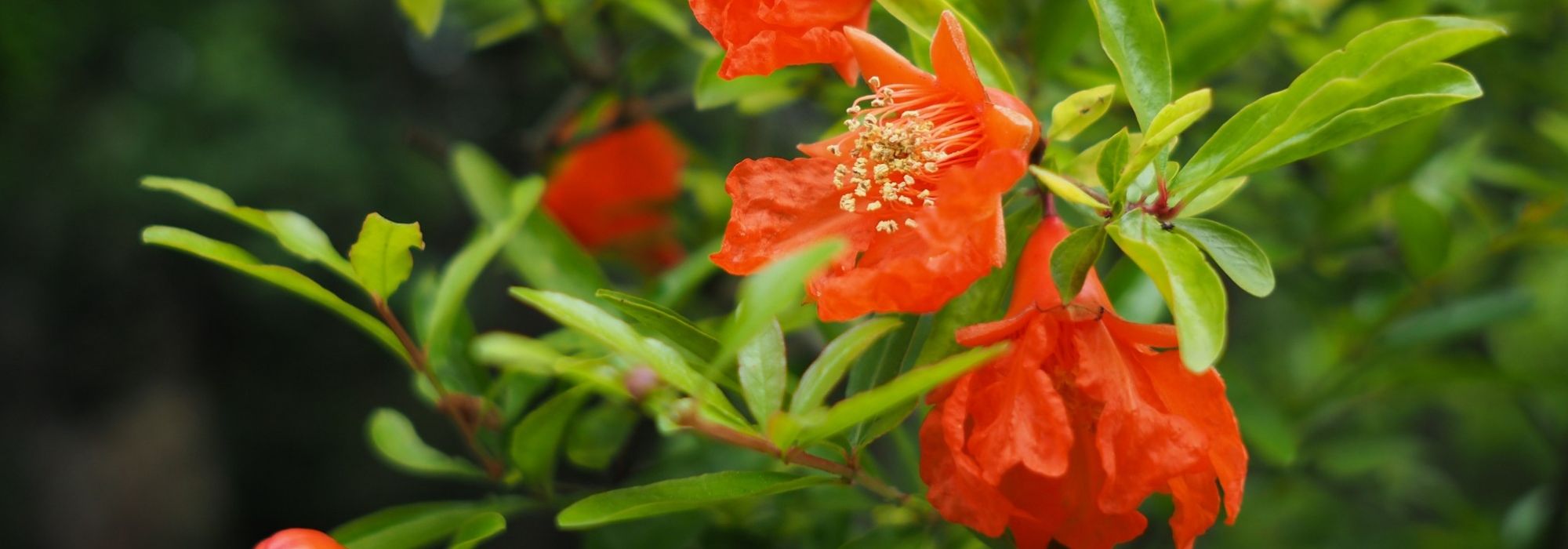
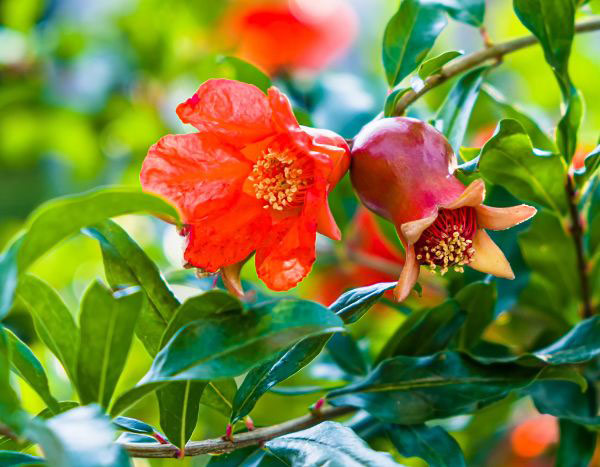
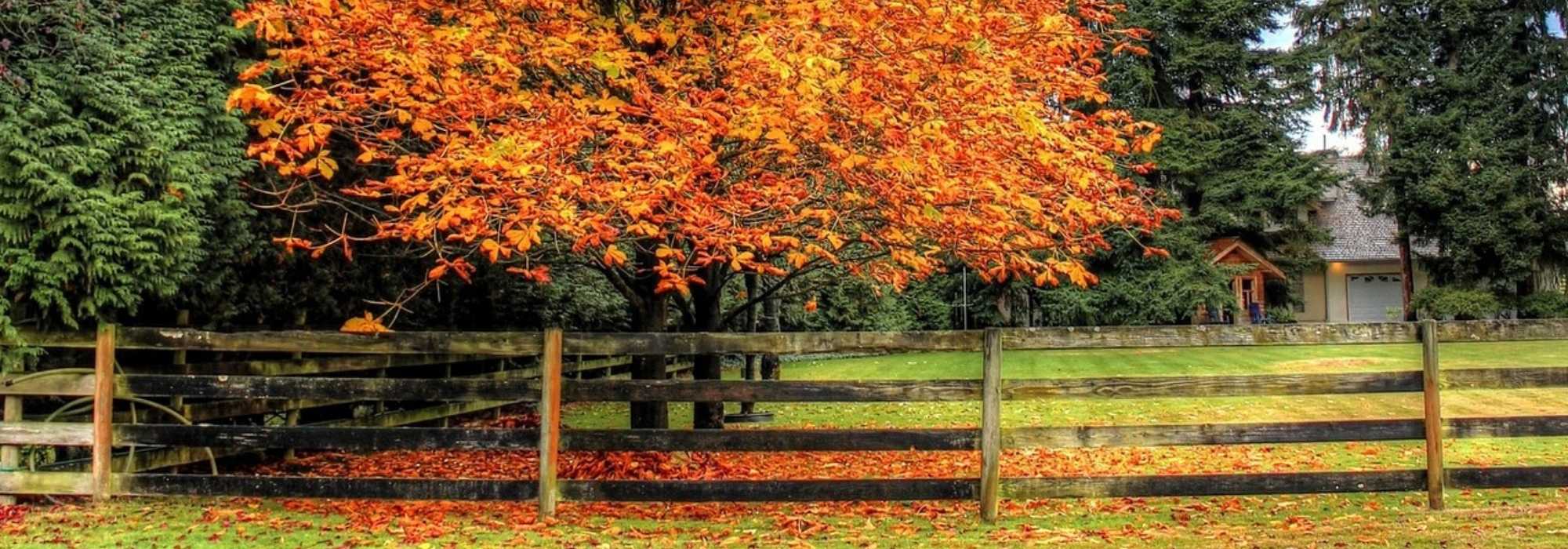
The 'Parfianka' variety originates from Central Asia, more specifically from Turkmenistan where its cultivation is ancient, under a continental climate with slightly harsh and cold winters and very hot summers. It is a very productive variety, with abundant and regular fruiting, but it takes about 5 to 7 years to start bearing fruit. 'Parfianka' first forms a clump of thorny and tangled branches in its youth, showing fairly rapid growth until maturity, which does not occur before the age of 5-6 years. The adult plant develops at a much slower pace, forming a small tree 4 m tall and with a minimum spread of 2.50 to 3 m, with a spreading and rounded habit after a few years. From a clump, if care is taken to prune the lower branches, it becomes a tree with a trunk that has a twisted appearance, reminiscent of olive trees. Its deciduous foliage is composed of small ovate, 4 to 7 cm long and 1 to 2 cm wide, shiny and very bright green leaves. They emerge bronze to purple in spring and have beautiful golden-yellow to reddish-orange autumn colours before falling. The pomegranate tree is monoecious, meaning it bears both male flowers that produce pollen and female flowers that will produce fruits. Flowering occurs in June-July, and sporadically continues throughout the summer. The flowers are about 4 cm in diameter. They are composed of crumpled, beautiful orange petals tinged with red, emerging from a thick waxy calyx that already resembles the future pomegranate. It is a fairly cold-resistant variety, capable of withstanding temperatures around -15/-18 °C. Late frosts in April-May can affect flowering and hinder fruit production. The pomegranate tree is self-fertile, with male and female flowers pollinating each other. It does not require a companion to bear fruit, but the presence of another variety of pomegranate nearby will increase production.
Harvesting takes place in October, depending on the climate. The fruits can be consumed as soon as they are picked, as they ripen. The pomegranate is ripe when the skin is shiny red and cracks. Do not wait for the fruit to burst. Another sign of ripeness is visible when the small petal-shaped appendages at the end of the fruit are turned or even curled inward. The fruit's skin consists of a hard and red outer skin, and a thick, spongy, whitish inner skin. The inside of the fruit is divided into chambers. Each chamber contains a transparent and sticky envelope called an "aril" that contains numerous seeds. The seeds and aril are edible. The pomegranate can be cutin half and eaten fresh with a small spoon, used as a garnish for fruit salads or as a sauce to accompany meat or fish. You can extrac the juice to enjoy all the benefits of this fruit. The seeds, on the other hand, yield a good oil for cosmetics. The fresh seed is tender and can be eaten raw. After drying, it is used as a seasoning in dal, fried samosas, and stuffings. It is important to harvest the fruits only when they are ripe, as they do not ripen further after harvest.
Rich in water, the pomegranate is refreshing and thirst-quenching. It can be consumed fresh from the tree or transformed into juice, especially since the health benefits are higher than those of the fruit itself. Known for its richness in antioxidants, it is also rich in vitamins A, C, and E, fiber, as well as minerals such as calcium, iron, folic acid, and potassium. The fruits can be stored for a few weeks to several months after harvest, in the refrigerator, at a temperature of 1 to 3 °C.
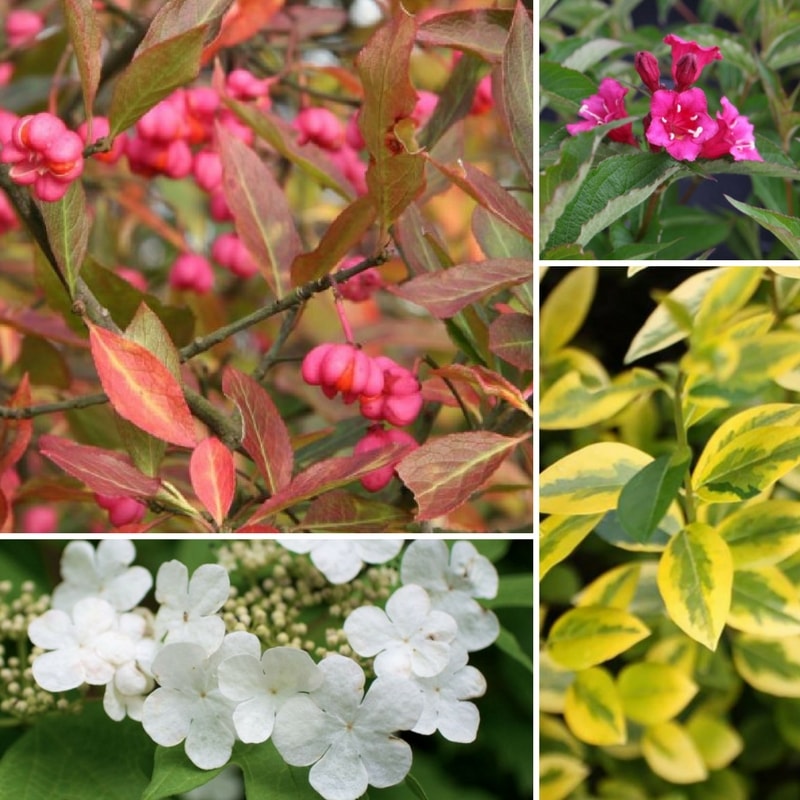
Among the varieties of pomegranate trees, the 'Parfianka' Pomegranate tree is prized for its delicious fruits and its decorative appeal. It is easy to grow and resistant to diseases and thrives in places where olive trees and fig trees also prosper, provided it is well protected. However, proper development and fruit ripening require sufficient sunlight and warmth. It is a superb plant to have as a solitary tree on a lawn and in a flower bed, a diverse hedge, or near an orchard. In warm climates, it blends perfectly with other Mediterranean fruit trees such as: Fig tree, Olive tree, Japanese Medlar, Jujube tree, Chilean Guava (Myrtle ugni), Almond tree, and Mulberry tree.
Plant habit
Fruit
Flowering
Foliage
Botanical data
Punica
granatum
Parfianka
Punicaceae
Pomegranate
Cultivar or hybrid
Planting and care
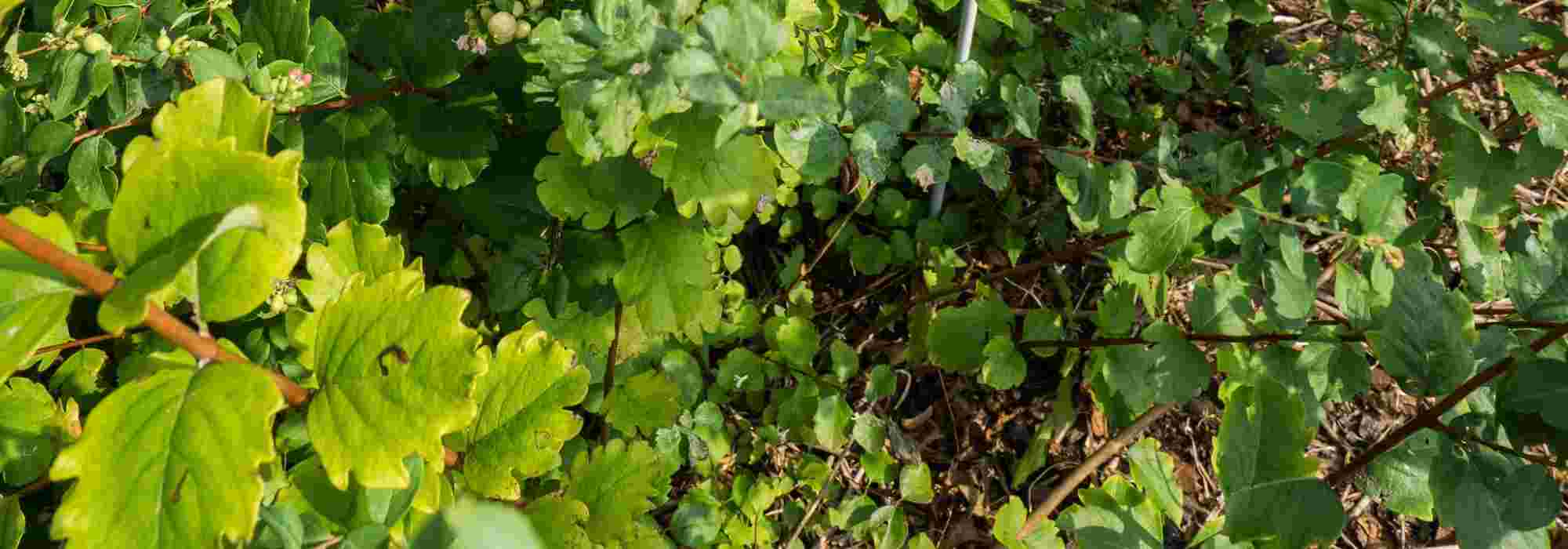
Plant Punica granatum 'Parfianka' in spring, when all risk of frost has passed in a cool region, but preferably in autumn, in a hot and dry climate. Plant it in a very sunny and sheltered location, or in partial shade in a hot climate, in a deep, well-drained soil, even limestone. While it is very resistant to drought once established and can tolerate arid conditions, it will only reach its full potential and bear abundant fruit in soil that is sufficiently moist at depth. It is resistant to sea spray.
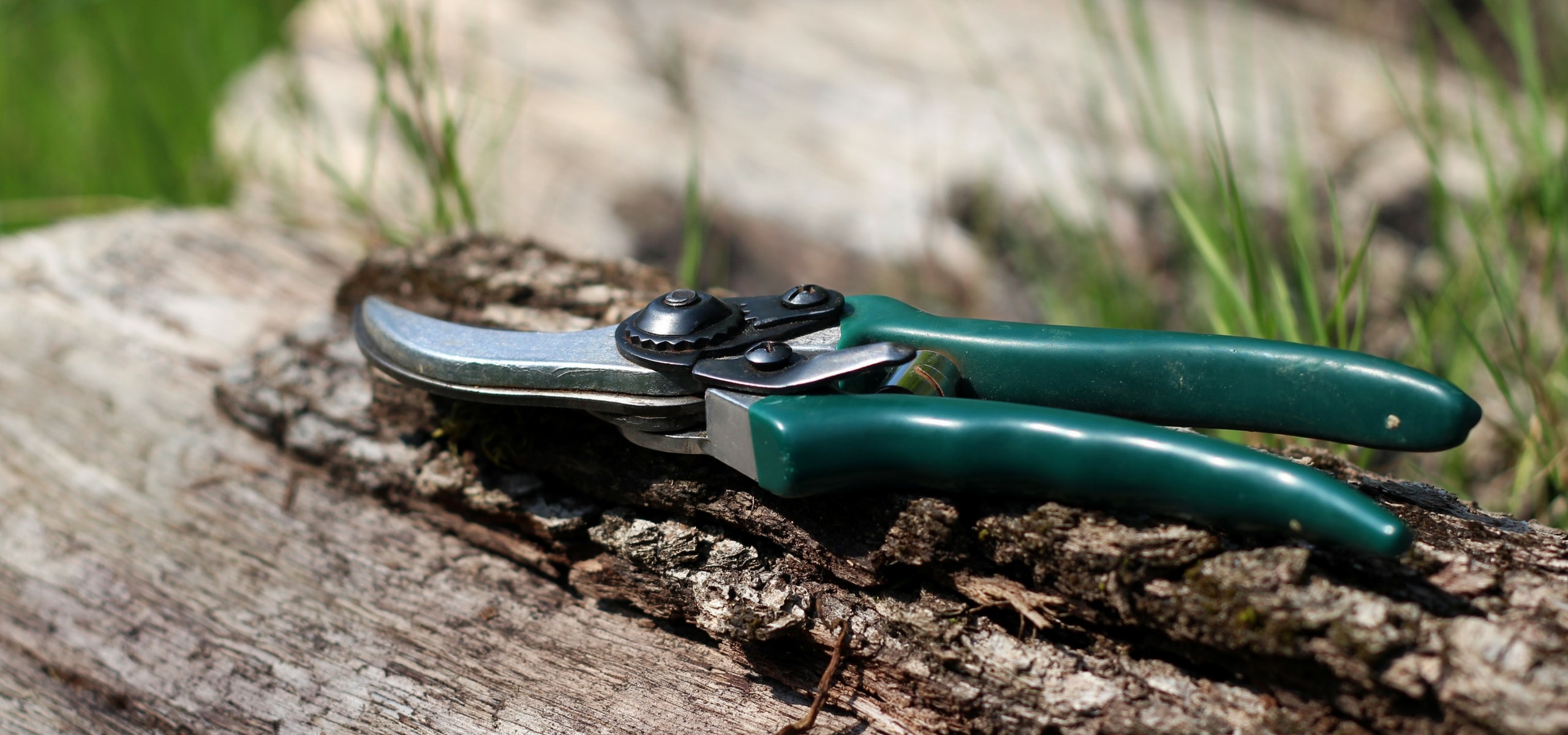
Monitor watering during the first two summers. It will appreciate a compost addition and a thick layer of dead leaves, especially during the first two winters in slightly colder regions. Pruning in early spring is not essential, but it can help shape a small tree with a single trunk or 3 or 4 trunks more quickly. Keep the most vigorous stem(s) in a young plant and remove the others. In the following years, systematically remove the branches that grow on the small trunk(s) until the desired height is reached.
When grown in a pot, fruit-bearing pomegranate should be watered generously every 10 days. Never let stagnant water accumulate.
An application of fertiliser rich in nitrogen and phosphorus is recommended for the proper development of the pomegranate. In a pot, the pomegranate should be fed with a fruit tree fertiliser.
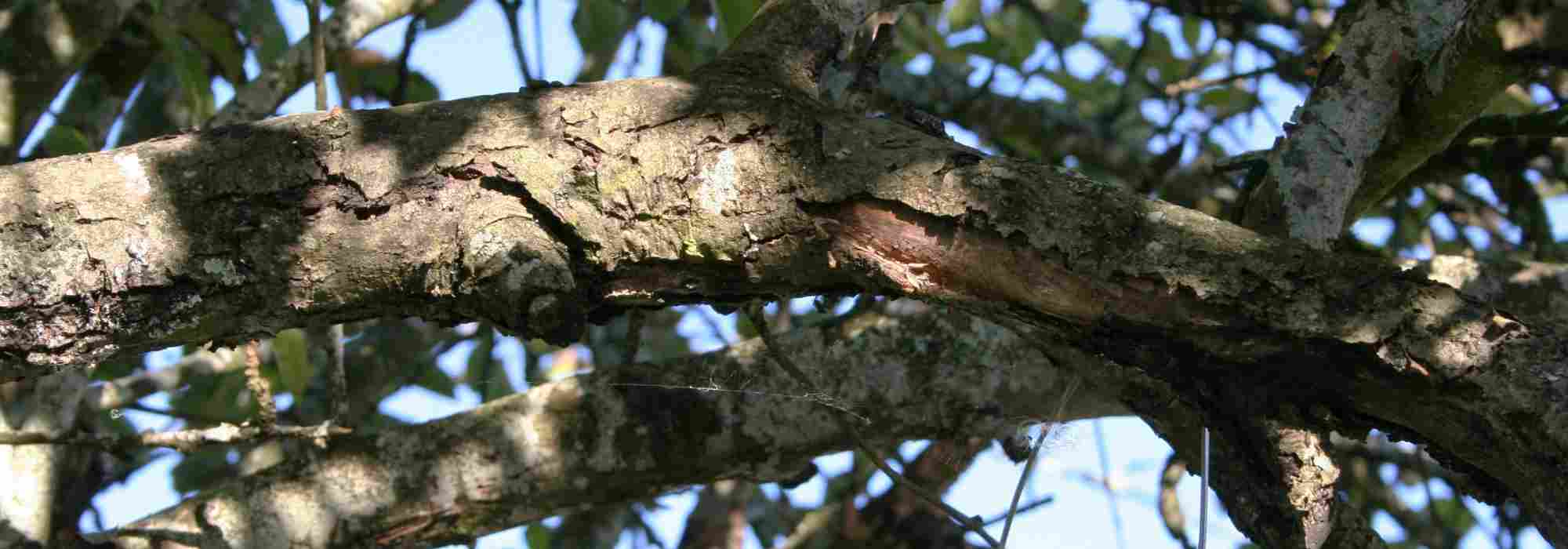
The pomegranate does not have any specific enemies. It is a very robust species. Some scale insects may settle on it, but they do not cause significant damage to the tree. If necessary, treat with white oils in winter.
Planting period
Intended location
Care
Planting & care advice
-
-

-
-
-
-
-
-

-
, onOrder confirmed
Reply from on Promesse de fleurs
Recently viewed products
Haven't found what you were looking for?
Hardiness is the lowest winter temperature a plant can endure without suffering serious damage or even dying. However, hardiness is affected by location (a sheltered area, such as a patio), protection (winter cover) and soil type (hardiness is improved by well-drained soil).
In temperate climates, pruning of spring-flowering shrubs (forsythia, spireas, etc.) should be done just after flowering.
Pruning of summer-flowering shrubs (Indian Lilac, Perovskia, etc.) can be done in winter or spring.
In cold regions as well as with frost-sensitive plants, avoid pruning too early when severe frosts may still occur.
The harvesting period indicated on our website applies to countries and regions in USDA zone 8 (France, England, Ireland, the Netherlands).
In colder areas (Scandinavia, Poland, Austria...) fruit and vegetable harvests are likely to be delayed by 3-4 weeks.
In warmer areas (Italy, Spain, Greece, etc.), harvesting will probably take place earlier, depending on weather conditions.
The sowing periods indicated on our website apply to countries and regions within USDA Zone 8 (France, UK, Ireland, Netherlands).
In colder areas (Scandinavia, Poland, Austria...), delay any outdoor sowing by 3-4 weeks, or sow under glass.
In warmer climes (Italy, Spain, Greece, etc.), bring outdoor sowing forward by a few weeks.
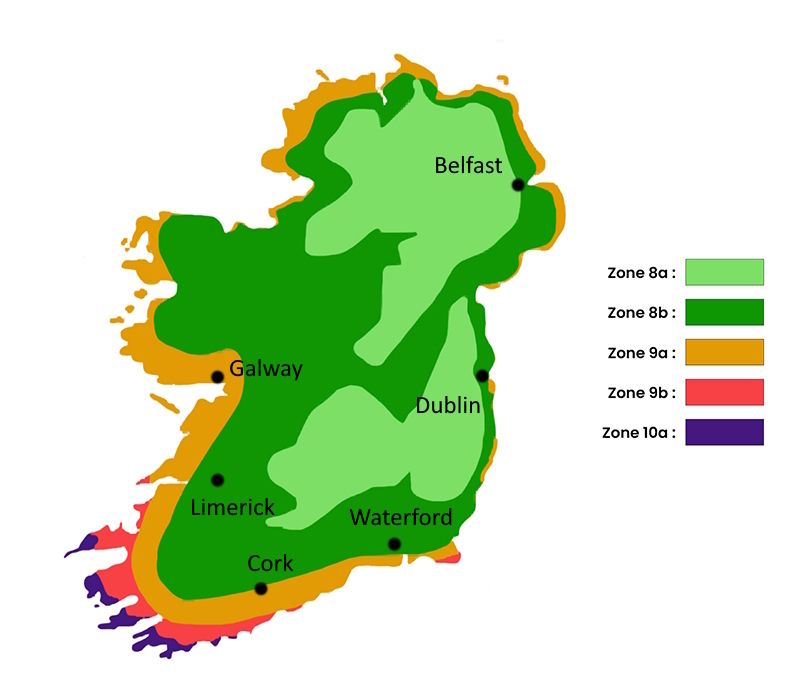
The planting period indicated on our website applies to regions in USDA Zone 9a (East Coast and Midlands: Dublin, Wexford, Waterford, Kilkenny, Portlaoise). It will vary depending on where you live:
- On the west coast and in the north-west (Galway, Limerick, Sligo, Donegal, Westport), delay planting by 1 to 2 weeks in spring and bring it forward by 1 to 2 weeks in autumn compared to the dates given, preferably choosing periods without strong winds.
- In the inland hills and plateaus (Wicklow Mountains, Macgillycuddy’s Reeks, Connemara, Killarney), it is best to plant in spring (April–May) or autumn (September–October), avoiding periods of waterlogged soil in winter and strong winds, which pose the main risk to newly planted trees in these areas.
The flowering period indicated on our website applies to regions in USDA Zone 9a, such as the East Coast and Midlands, including Dublin, Wexford, Waterford, Kilkenny and Portlaoise.
This will vary depending on where you live:
- On the west coast and in the northwest (Galway, Limerick, Sligo, Donegal and Westport), it will be delayed by one to two weeks compared to the given dates, due to stronger Atlantic winds and less spring sunshine.
- In the inland hills and plateaus (the Wicklow Mountains, the Macgillycuddy's Reeks, Connemara and Killarney), flowering will be delayed by two to three weeks. Flowering mainly occurs between May and July, with the limiting factors being less frost and more of the excessive humidity, strong winds and lack of sunshine that are characteristic of these areas.
Shipping country and language
Your country of residence may be:
Your country of residence is:
For a better user experience on our website, you can select:
Your shipping country:
-
 Austria
-
 Belgium
-
 Bosnia & Herzegovina
-
 Bulgaria
-
 Croatia
-
 Cyprus
-
 Czechia
-
 Denmark
-
 Estonia
-
 Finland
-
 France
-
 Germany
-
 Greece
-
 Hungary
-
 Iceland
-
 Ireland
-
 Italy
Italy
-
 Latvia
-
 Liechtenstein
-
 Lithuania
-
 Luxembourg
-
 Malta
Malta
-
 Netherlands
-
 Poland
-
 Portugal
-
 Romania
-
 Serbia
-
 Slovakia
-
 Slovenia
-
 Spain
Spain
-
 Sweden
-
 Switzerland
Language:
-
French
-
 English
-
Spanish
-
Italian
-
German
-
Portuguese
-
Dutch
-
Finnish
My Account
Hello
My wish lists
My cart
Log in / Register
Existing customer?
This form is protected by reCAPTCHA - the Google Privacy Policy and Terms of Service apply.
New customer?
Create an account to track your orders, access our customer service and, if you wish, make the most of our upcoming offers.