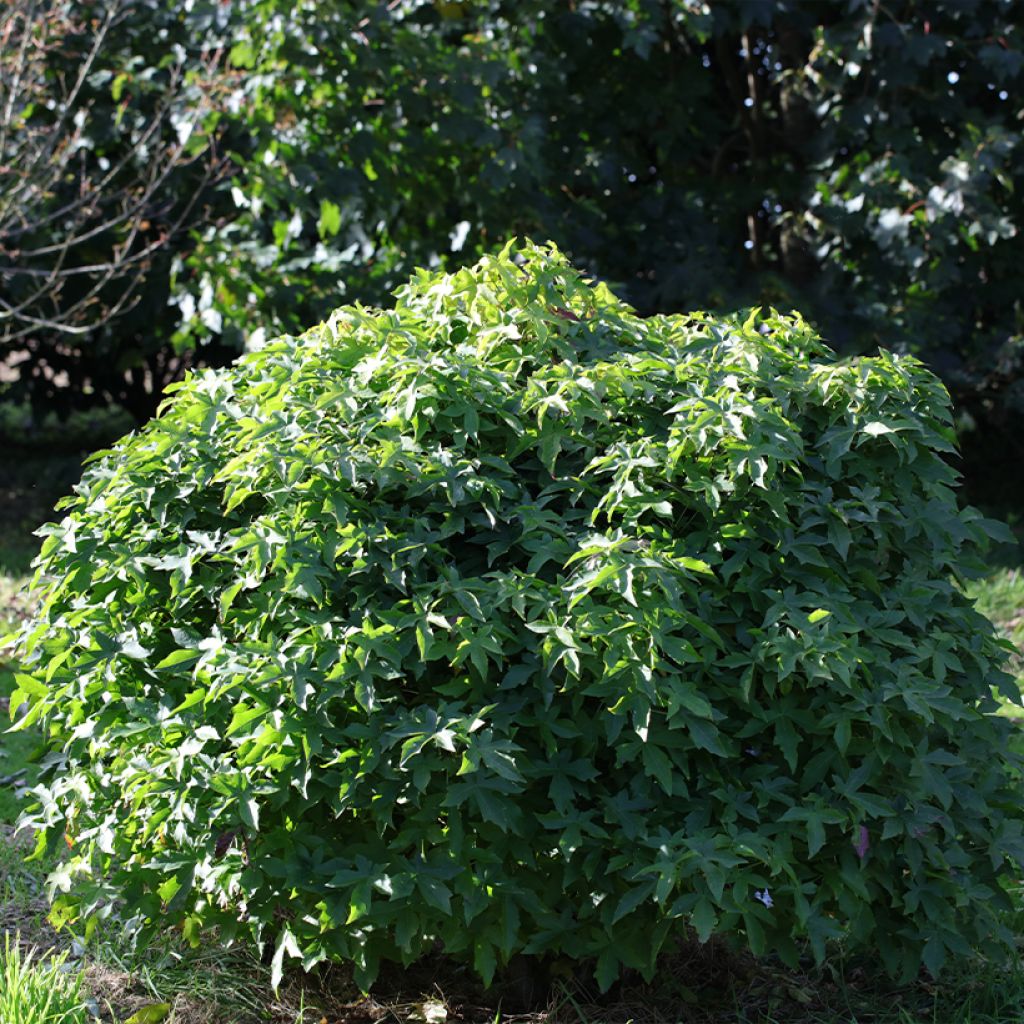
Liquidambar styraciflua Gum Ball - American Sweetgum
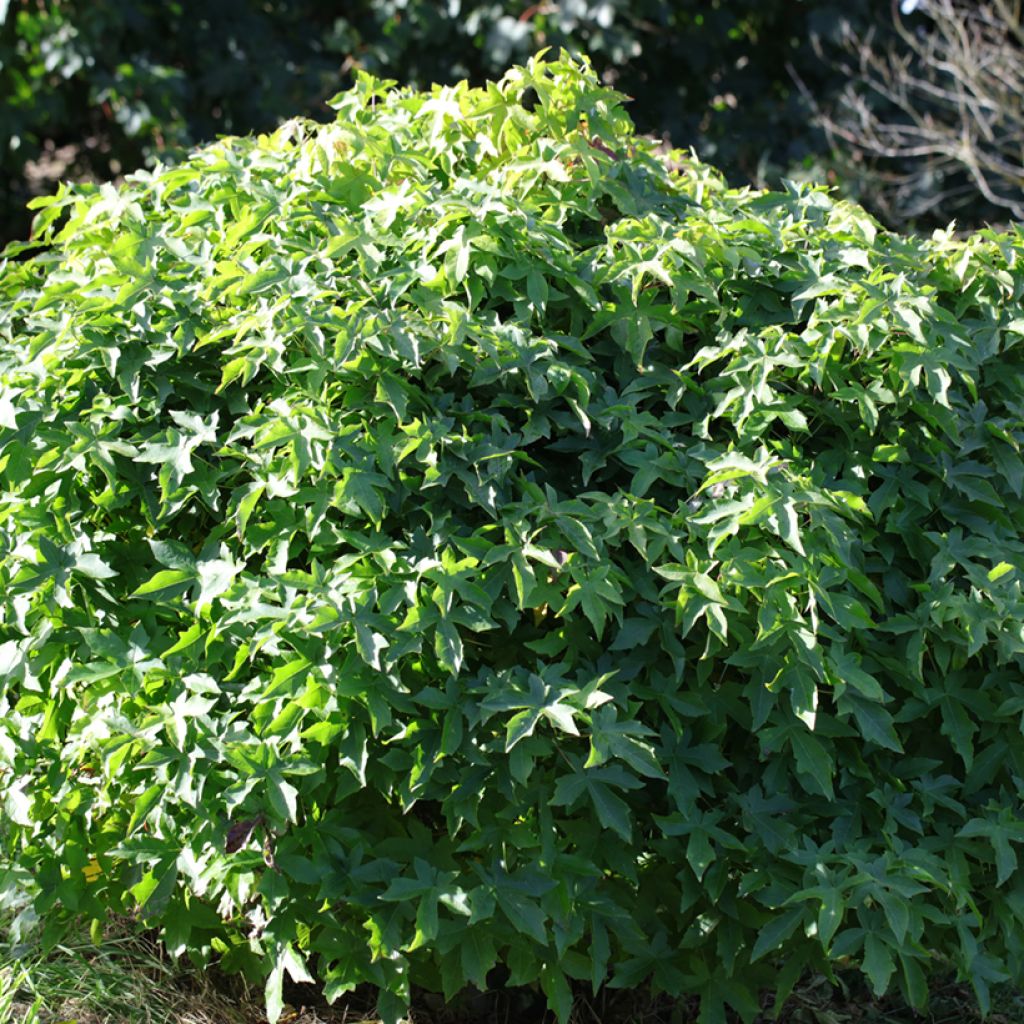
Liquidambar styraciflua Gum Ball - American Sweetgum
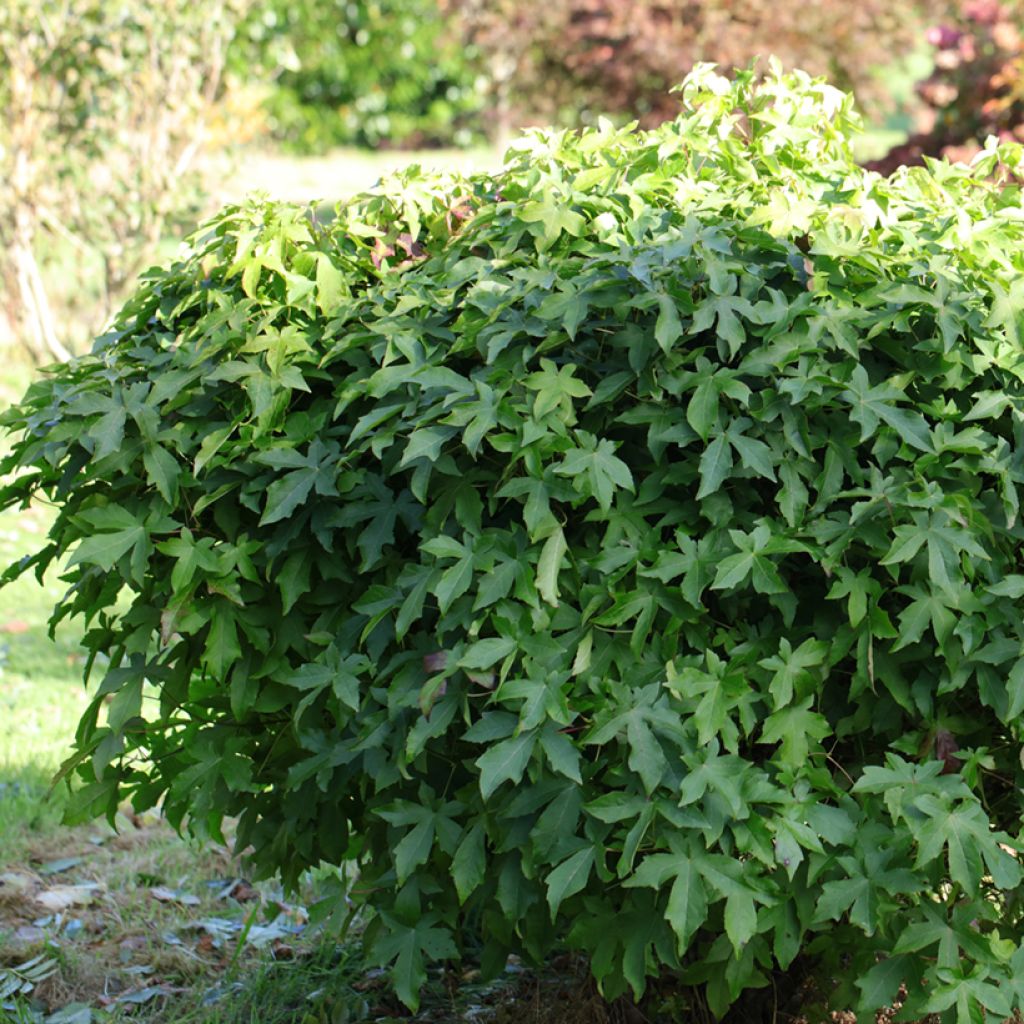
Liquidambar styraciflua Gum Ball - American Sweetgum
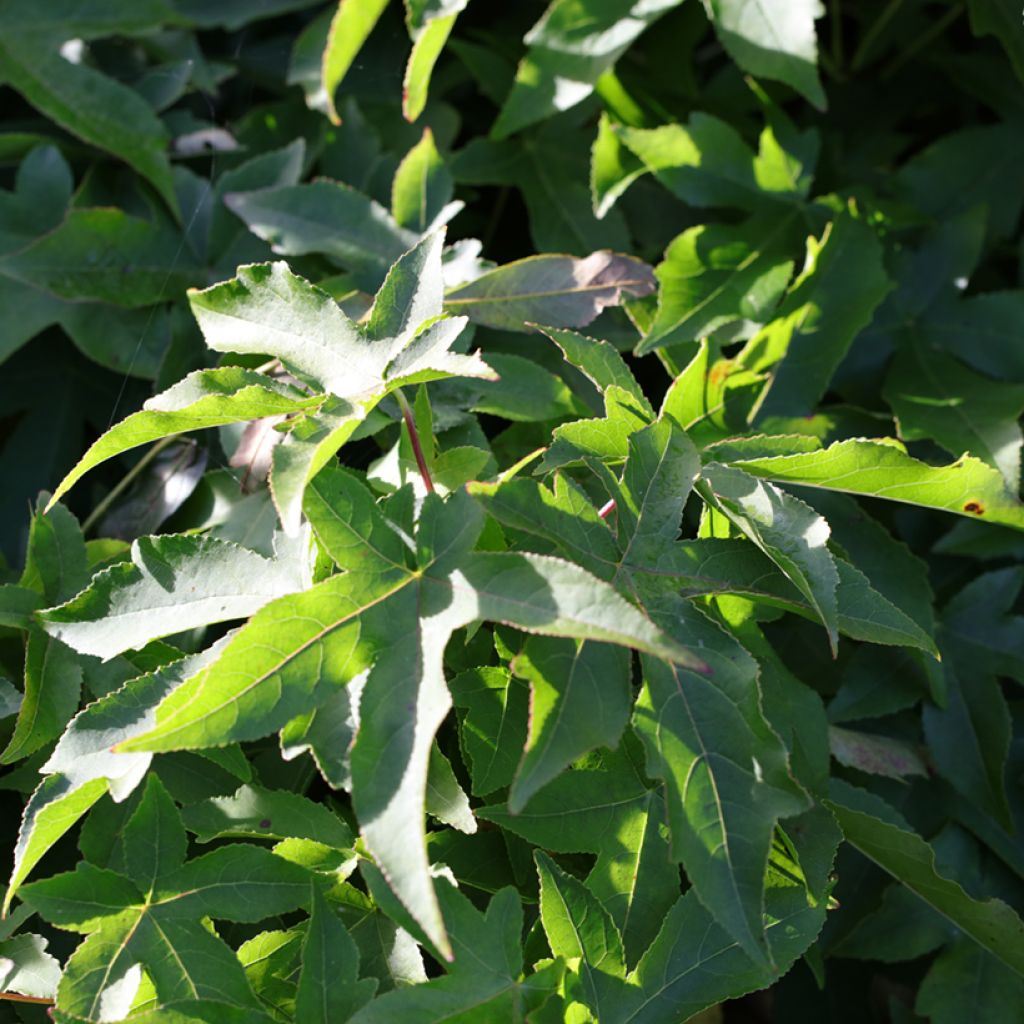
Liquidambar styraciflua Gum Ball - American Sweetgum
Liquidambar styraciflua Gum Ball - American Sweetgum
Liquidambar styraciflua Gum Ball - American Sweetgum
Liquidambar styraciflua Gum Ball - American Sweetgum
Liquidambar styraciflua Gum Ball
American Sweetgum, Redgum, Satin-walnut, Alligator-wood
Gorgeous Nothing to say Even it starts to shoot I am very happy Thank you
Danielle , 26/03/2022
Back-to-school special offer!
Get €10 off for every €50 you spend! And get up to €40 off on a single order.
How does it work?
1. Shop your favourites
Add your favourite plants to your basket. For every €50 you spend (excluding delivery charges, store credit and the plastic-free option), you’ll receive a €10 voucher.
€50 spent = €10 voucher
€100 spent = €20 voucher
€150 spent = €30 voucher
€200 spent = €40 voucher
2. Place your order
Once your basket reaches one of the spending thresholds, place your order. You can even choose your delivery date!
3. Receive your voucher
As soon as your order has been shipped, you’ll receive an email containing your personal voucher code and its value.
4. Use it on your next order
Your voucher is valid for 90 days from the date you receive it. It can be used once only, on a new order worth at least the value of the voucher, excluding delivery charges.
Please note: Vouchers can be combined with other offers, but cannot be split or refunded.
Home or relay delivery (depending on size and destination)
Important: You may be charged customs duties by your country’s customs authorities upon delivery.
Schedule delivery date
and select date in basket
This plant carries a 24 months recovery warranty
More information
We guarantee the quality of our plants for a full growing cycle, and will replace at our expense any plant that fails to recover under normal climatic and planting conditions.

Does this plant fit my garden?
Set up your Plantfit profile →
Description
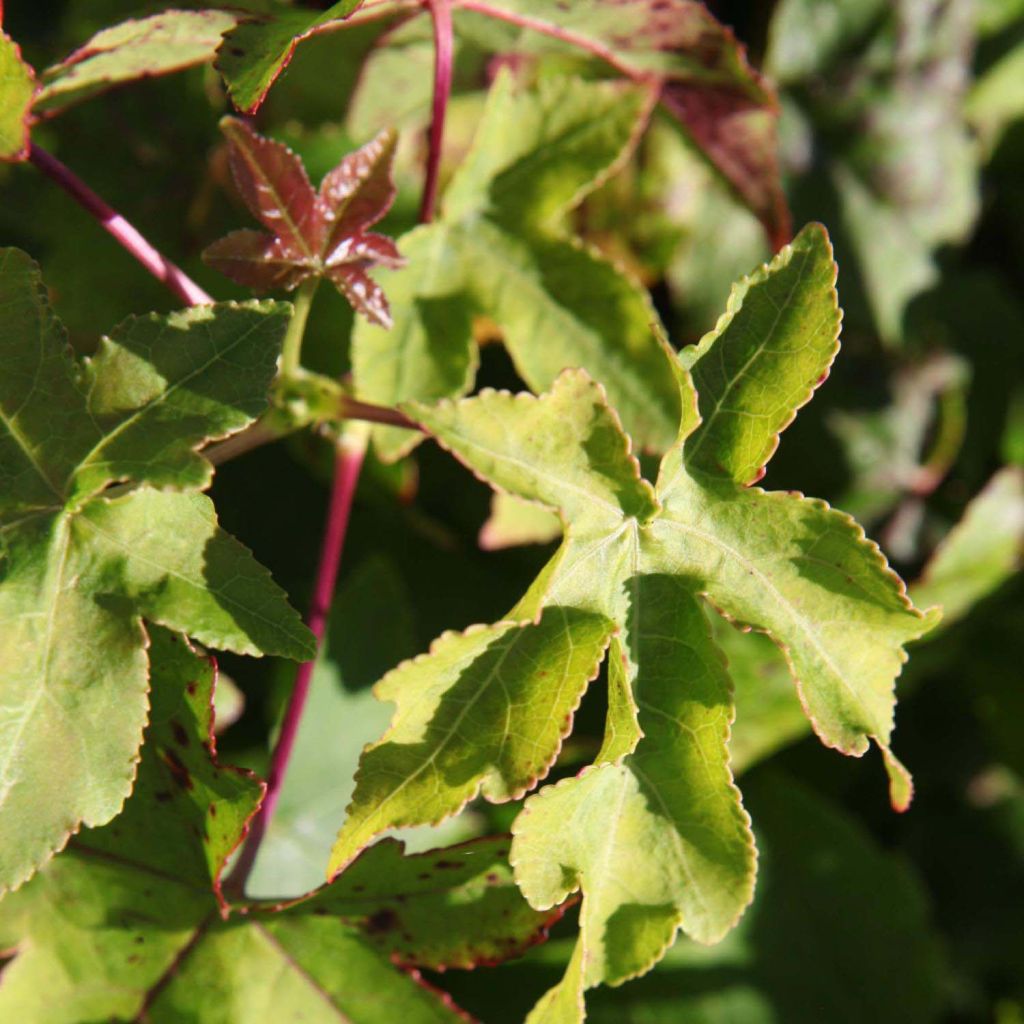
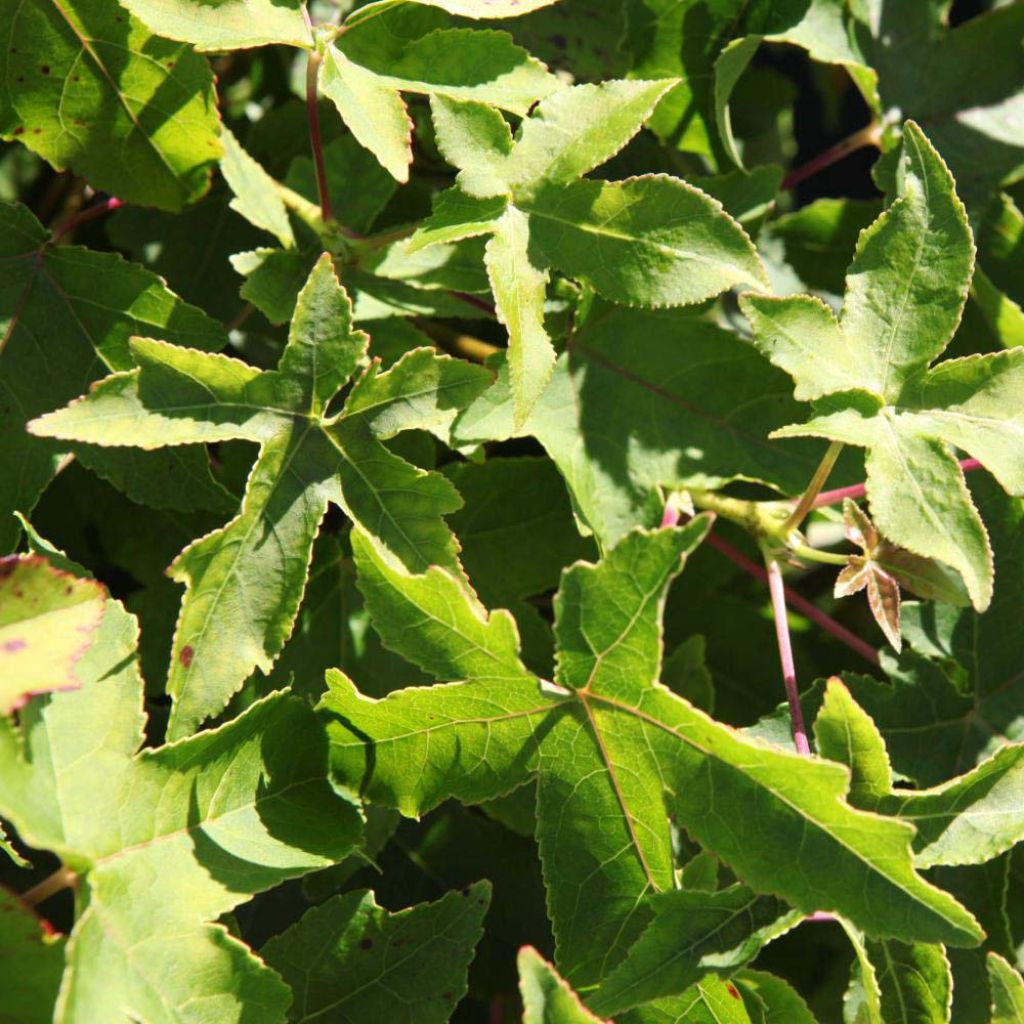
Liquidambar styraciflua 'Gum Ball' is a variety of dwarf American Sweetgum that stands out for its extremely reduced growth and its attractive ball-shaped habit. Not exceeding 3 m (9 in 10 ft) in all directions, this small deciduous tree has the same palmate foliage as its larger counterpart and is adorned with the same splendid autumn colours. If you love liquidambar but have limited space in your garden, don't hesitate to adopt this adorable variety! To succeed with cultivation provide it with a cool, non-chalky soil and a prime standalone location in the garden, allowing it to be admired in all its splendor.
The American Sweetgum is a tree of the hamamelidaceae family, which includes many plants beautifully coloured in autumn such as Hamamelis, Parrotia, and Loropetalum. This majestic tree is native to North America, specifically from the banks of large rivers such as the Mississippi and Ohio. Its name, Liquidambar, comes from the Latin word "liquidus", meaning liquid, and the Arabic word "ambar", meaning amber, due to the aromatic amber-colored oleoresin that flows from its bark. Discovered in 1528, it was introduced to Europe in 1681.
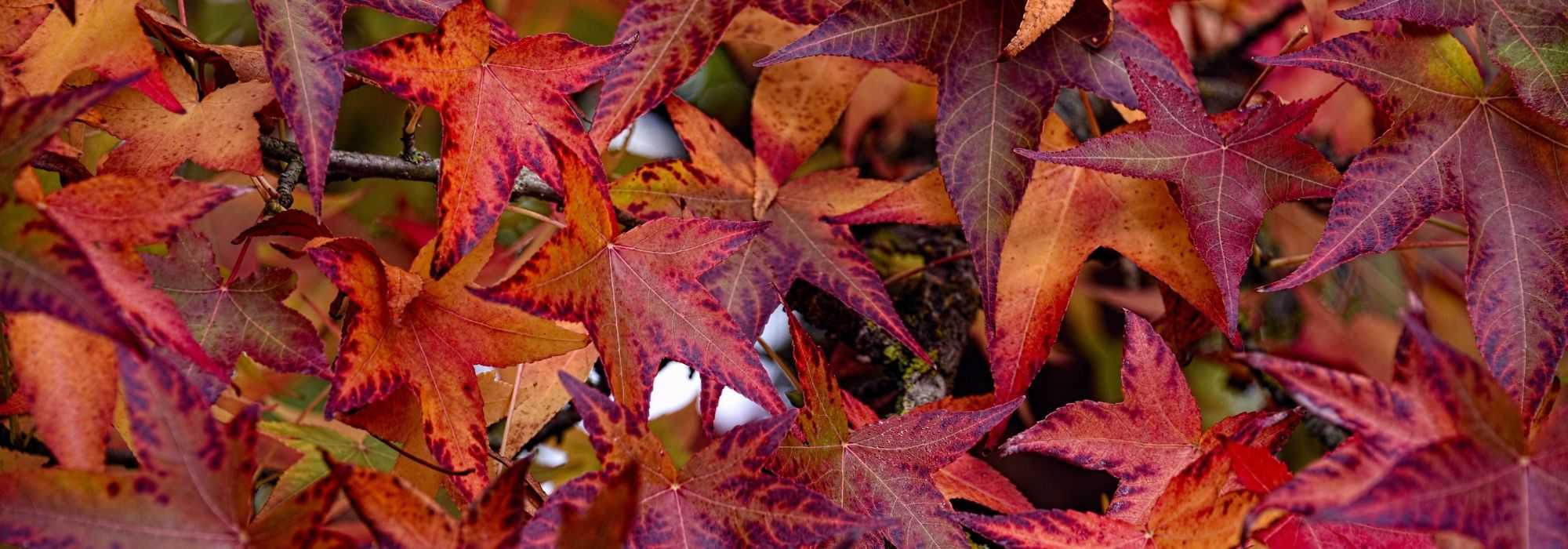
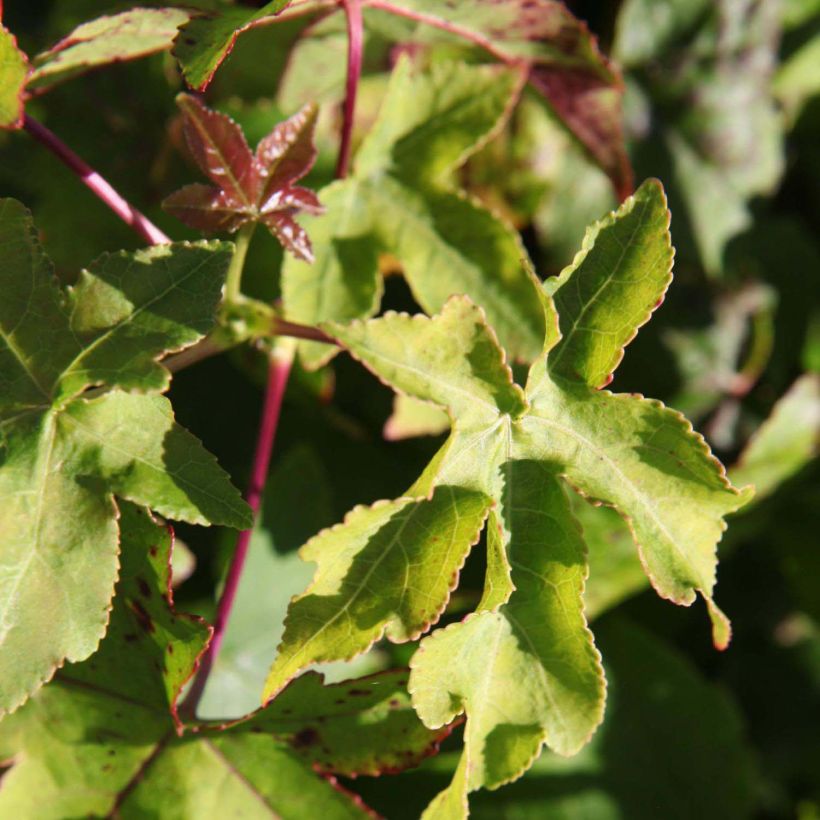
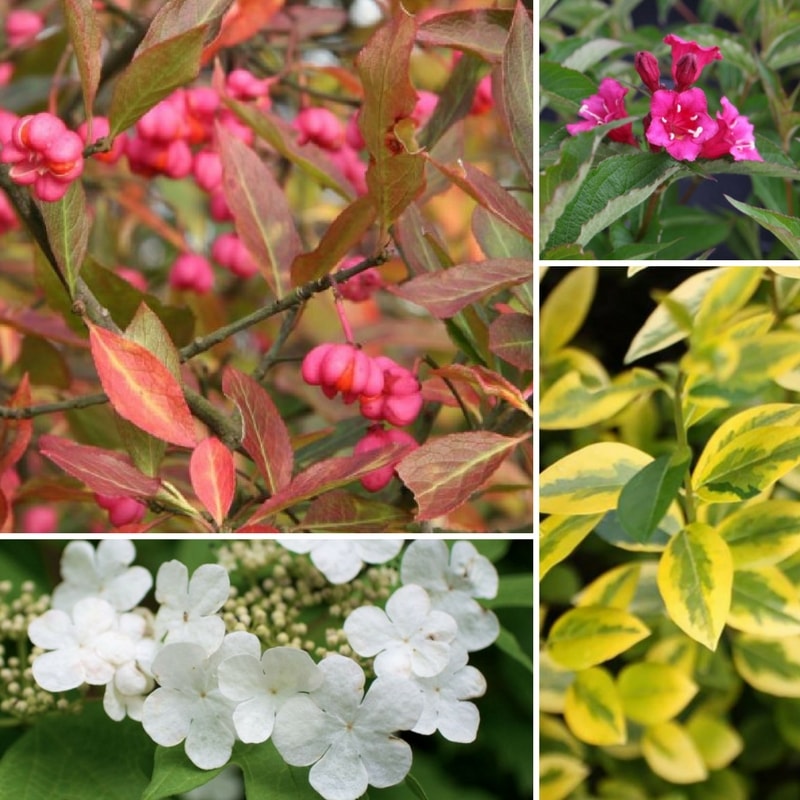
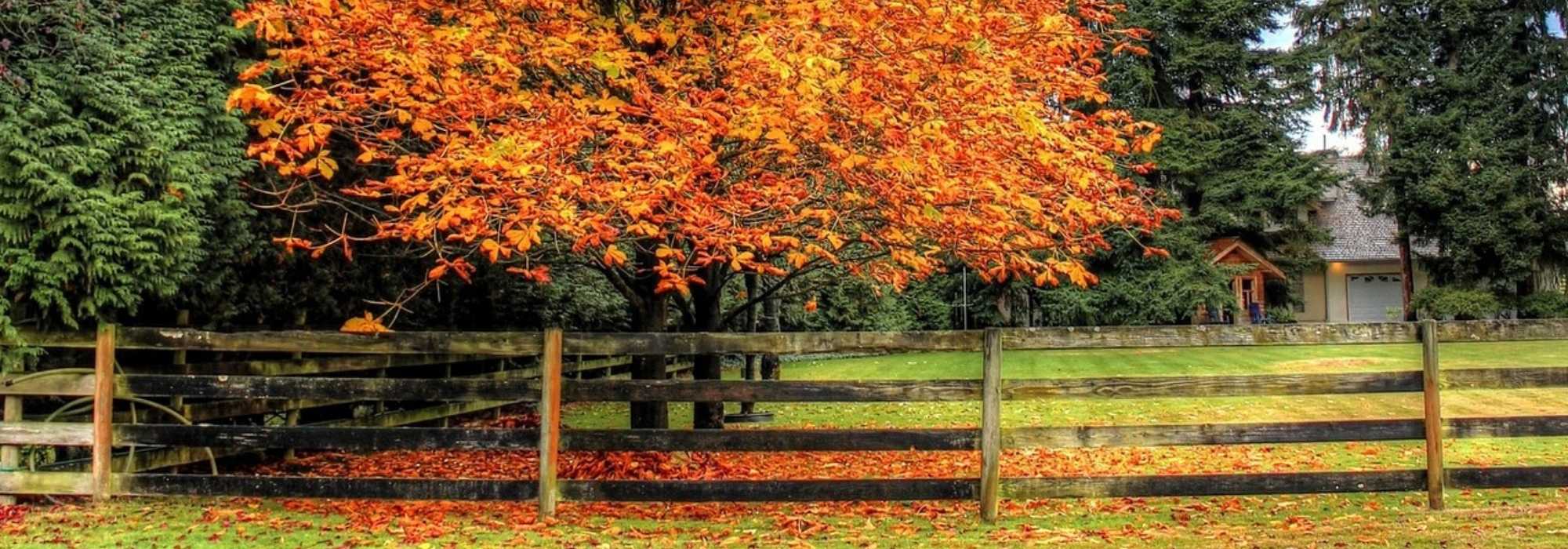
The Gum Ball cultivar will not exceed 3 m (9 in 10 ft) in all directions, and its growth is rather moderate to moderately fast. It develops a short, very vertical trunk and a dense, rounded crown. The deciduous foliage is another asset of this tree. It consists of palmate leaves, divided into 5 to 9 finely toothed triangular lobes, arranged alternately on the branches. Dark green in colour from spring to summer, they turn flamboyant shades of yellow, orange, copper, scarlet, and violet in autumn. The discreet flowering takes place in April on individuals aged 25 years and older, in the form of upright male catkins separate from the female flowers, as pendant aments measuring 2 to 3 cm (0.8 - 1.2 in) in diameter. After pollination, pompom-like fruits form, somewhat resembling those of the plane tree. Each fruit is composed of several capsules that contain small winged seeds, similar to maple samaras. The bark of the liquidambar is dark brown in colour, with corky crevices. The lifespan of this beautiful tree is about 150 years.
The Gum Ball liquidambar will delight shrub enthusiasts who do not have a garden large enough to adopt this majestic species. This small hardy tree requires a non-chalky, deep, and moist but not waterlogged soil, as well as a sunny site. Once established it requires no maintenance. It can be planted standing alone in a lawn or in a shrub grove or free hedge. To create a beautiful autumn palette combine with other colourful trees and shrubs such as Ginkgo Biloba 'Blagon', Toona sinensis 'Flamingo', purple hazel, Japanese maple, and Hamamelis, which thrive in similar cool environments and deep soils.
Properties:
The aromatic resin exuded by the bark is also called styrax or liquidambar balm. It was once used in aromatherapy, primarily by indigenous populations, and later, upon its arrival in Europe, by cosmetics manufacturers who incorporated it into various preparations such as milks or beauty creams. The wood of the liquidambar, with its reddish-brown color, renowned for its scent and mechanical qualities, was widely used in cabinetmaking for the production of fine furniture.
Liquidambar styraciflua Gum Ball - American Sweetgum in pictures
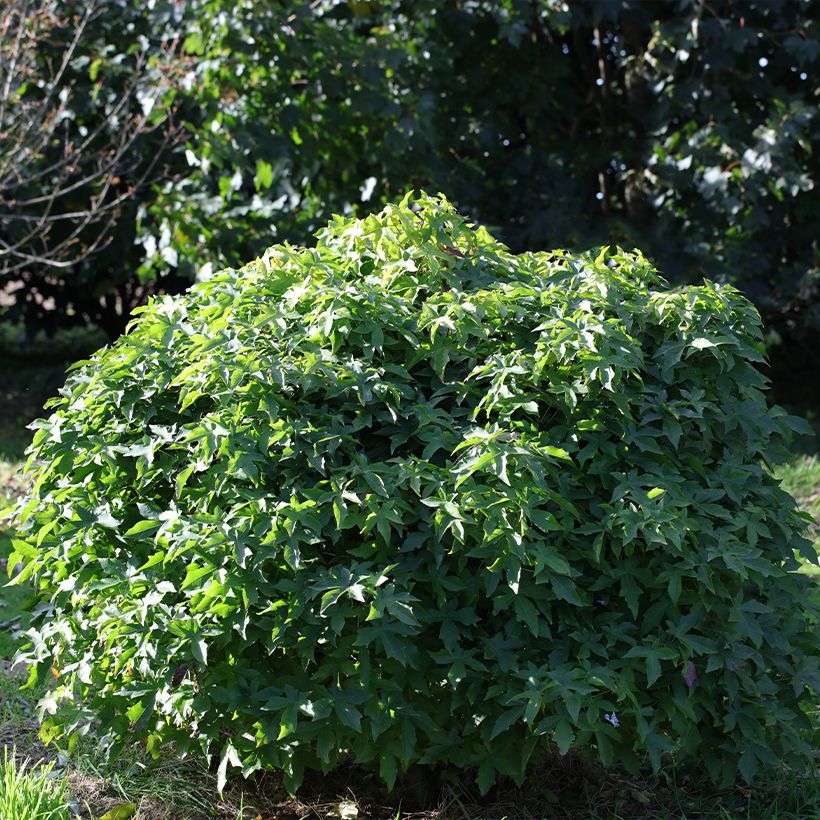
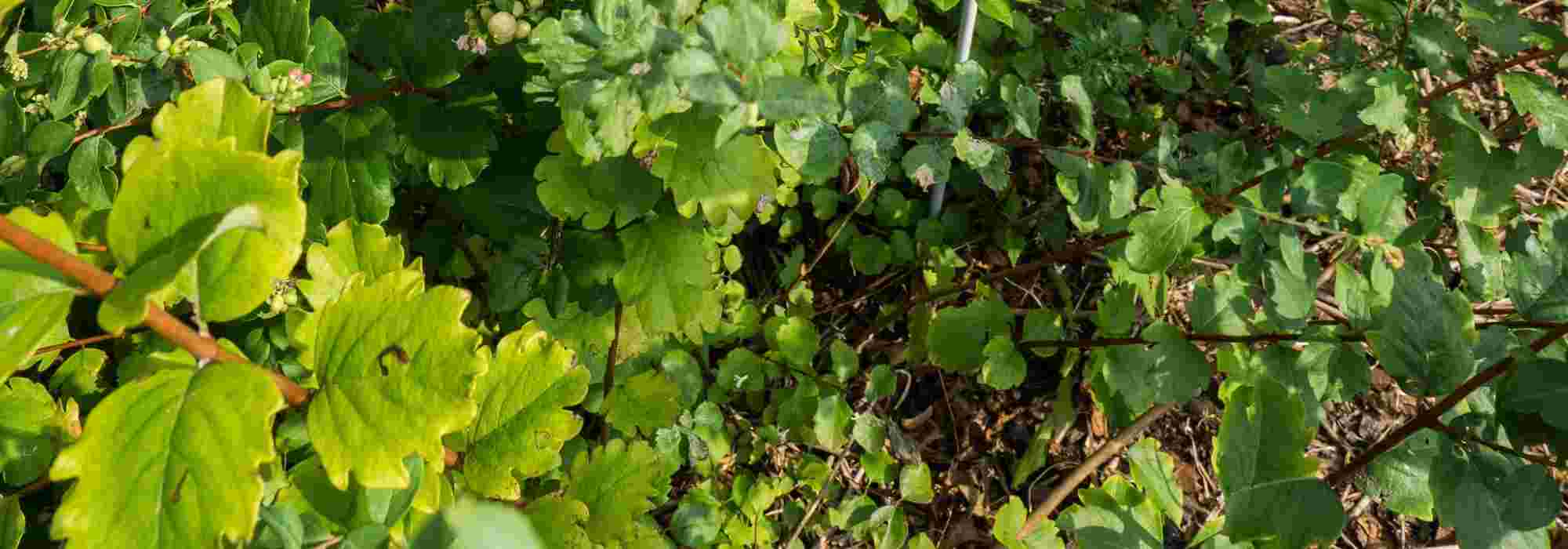
Plant habit
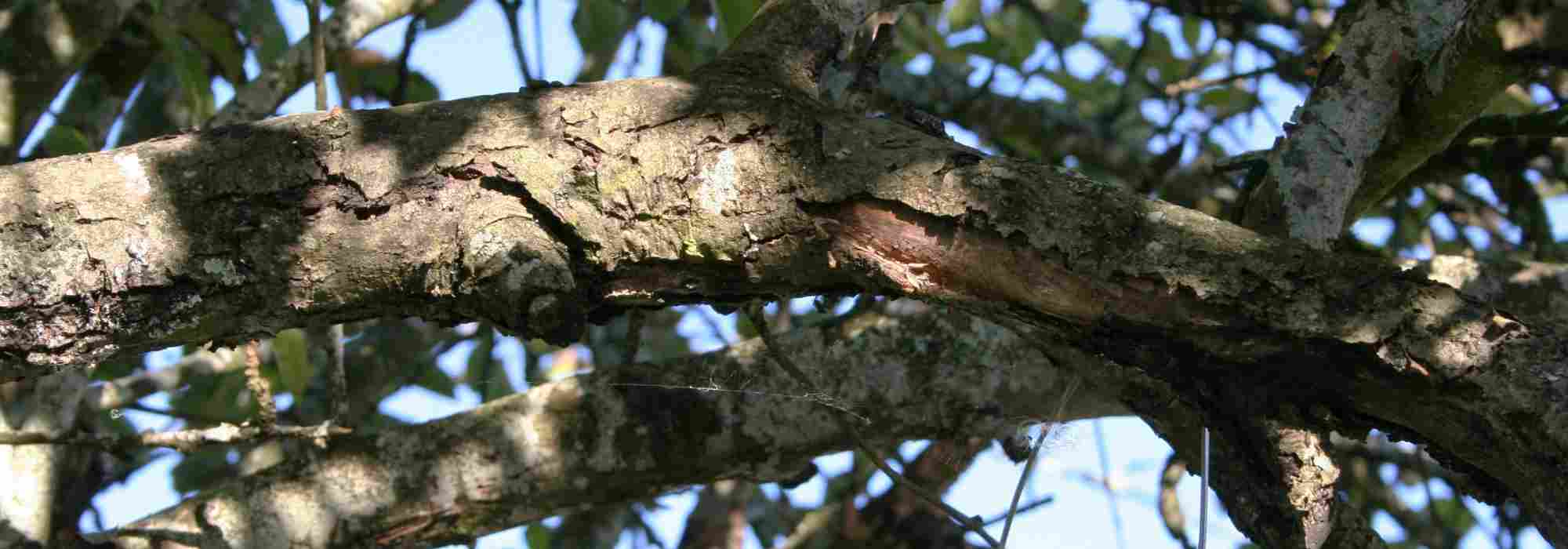
Flowering
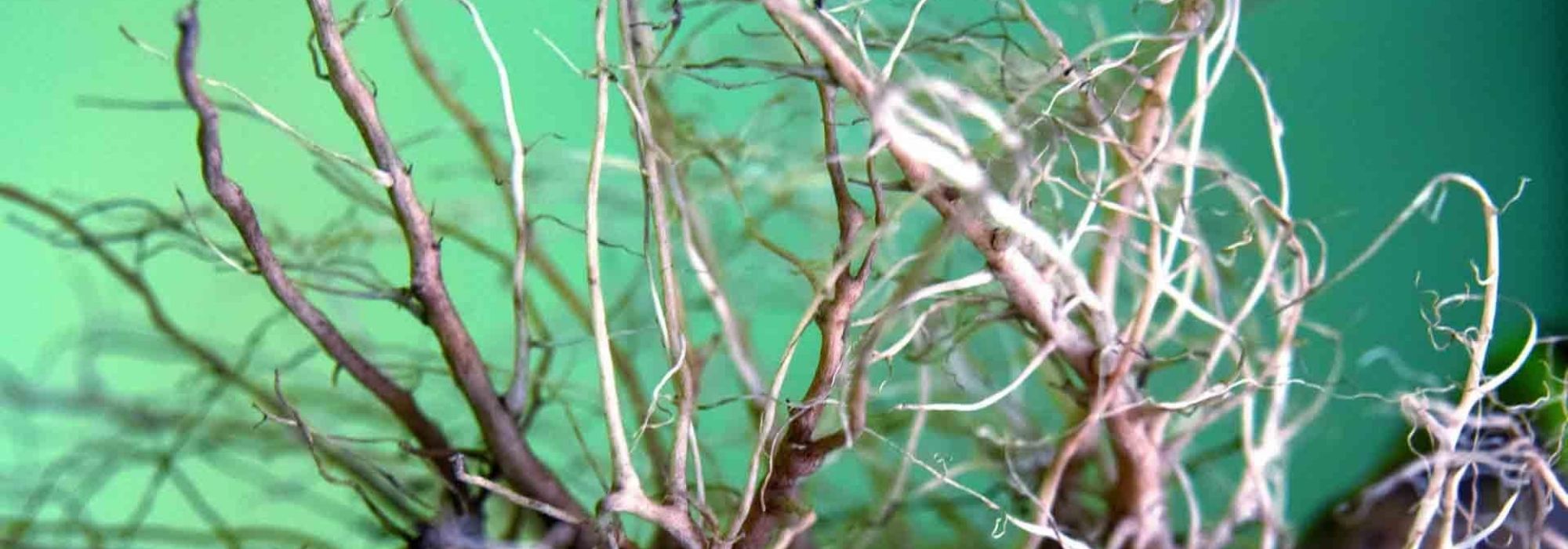
Foliage
Botanical data
Liquidambar
styraciflua
Gum Ball
Hamamelidaceae
American Sweetgum, Redgum, Satin-walnut, Alligator-wood
Cultivar or hybrid
Planting and care
Liquidambar styraciflua Gum Ball thrives in sunny locations sheltered from strong winds, in a light and deep soil that is moist but not waterlogged, preferably acidic and definitely not chalky, preferably humus-rich and loamy. When planting, mix your soil with 50% compost. Pruning is not necessary. Water regularly in the first years to help it establish, and apply a base fertiliser every spring. This is a disease and pest resistant tree.
Planting period
Intended location
Care
Planting & care advice
-

-
-
-
-
-
-

-
-
, onOrder confirmed
Reply from on Promesse de fleurs
Recently viewed products
Haven't found what you were looking for?
Hardiness is the lowest winter temperature a plant can endure without suffering serious damage or even dying. However, hardiness is affected by location (a sheltered area, such as a patio), protection (winter cover) and soil type (hardiness is improved by well-drained soil).
In temperate climates, pruning of spring-flowering shrubs (forsythia, spireas, etc.) should be done just after flowering.
Pruning of summer-flowering shrubs (Indian Lilac, Perovskia, etc.) can be done in winter or spring.
In cold regions as well as with frost-sensitive plants, avoid pruning too early when severe frosts may still occur.
The harvesting period indicated on our website applies to countries and regions in USDA zone 8 (France, England, Ireland, the Netherlands).
In colder areas (Scandinavia, Poland, Austria...) fruit and vegetable harvests are likely to be delayed by 3-4 weeks.
In warmer areas (Italy, Spain, Greece, etc.), harvesting will probably take place earlier, depending on weather conditions.
The sowing periods indicated on our website apply to countries and regions within USDA Zone 8 (France, UK, Ireland, Netherlands).
In colder areas (Scandinavia, Poland, Austria...), delay any outdoor sowing by 3-4 weeks, or sow under glass.
In warmer climes (Italy, Spain, Greece, etc.), bring outdoor sowing forward by a few weeks.
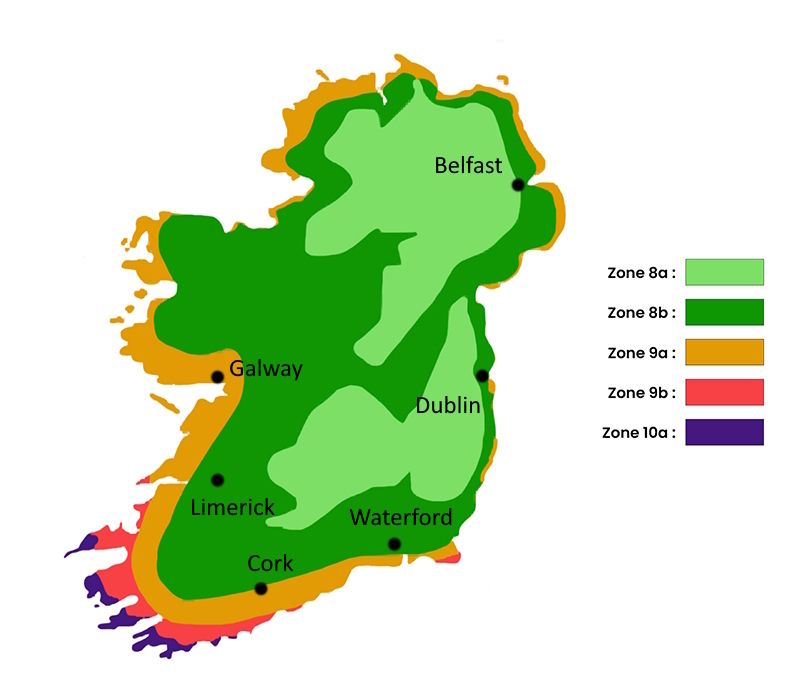
The planting period indicated on our website applies to regions in USDA Zone 9a (East Coast and Midlands: Dublin, Wexford, Waterford, Kilkenny, Portlaoise). It will vary depending on where you live:
- On the west coast and in the north-west (Galway, Limerick, Sligo, Donegal, Westport), delay planting by 1 to 2 weeks in spring and bring it forward by 1 to 2 weeks in autumn compared to the dates given, preferably choosing periods without strong winds.
- In the inland hills and plateaus (Wicklow Mountains, Macgillycuddy’s Reeks, Connemara, Killarney), it is best to plant in spring (April–May) or autumn (September–October), avoiding periods of waterlogged soil in winter and strong winds, which pose the main risk to newly planted trees in these areas.
The flowering period indicated on our website applies to regions in USDA Zone 9a, such as the East Coast and Midlands, including Dublin, Wexford, Waterford, Kilkenny and Portlaoise.
This will vary depending on where you live:
- On the west coast and in the northwest (Galway, Limerick, Sligo, Donegal and Westport), it will be delayed by one to two weeks compared to the given dates, due to stronger Atlantic winds and less spring sunshine.
- In the inland hills and plateaus (the Wicklow Mountains, the Macgillycuddy's Reeks, Connemara and Killarney), flowering will be delayed by two to three weeks. Flowering mainly occurs between May and July, with the limiting factors being less frost and more of the excessive humidity, strong winds and lack of sunshine that are characteristic of these areas.
Shipping country and language
Your country of residence may be:
Your country of residence is:
For a better user experience on our website, you can select:
Your shipping country:
-
 Austria
-
 Belgium
-
 Bosnia & Herzegovina
-
 Bulgaria
-
 Croatia
-
 Cyprus
-
 Czechia
-
 Denmark
-
 Estonia
-
 Finland
-
 France
-
 Germany
-
 Greece
-
 Hungary
-
 Iceland
-
 Ireland
-
 Italy
Italy
-
 Latvia
-
 Liechtenstein
-
 Lithuania
-
 Luxembourg
-
 Malta
Malta
-
 Netherlands
-
 Poland
-
 Portugal
-
 Romania
-
 Serbia
-
 Slovakia
-
 Slovenia
-
 Spain
Spain
-
 Sweden
-
 Switzerland
Language:
-
French
-
 English
-
Spanish
-
Italian
-
German
-
Portuguese
-
Dutch
-
Finnish
My Account
Hello
My wish lists
My cart
Log in / Register
Existing customer?
This form is protected by reCAPTCHA - the Google Privacy Policy and Terms of Service apply.
New customer?
Create an account to track your orders, access our customer service and, if you wish, make the most of our upcoming offers.