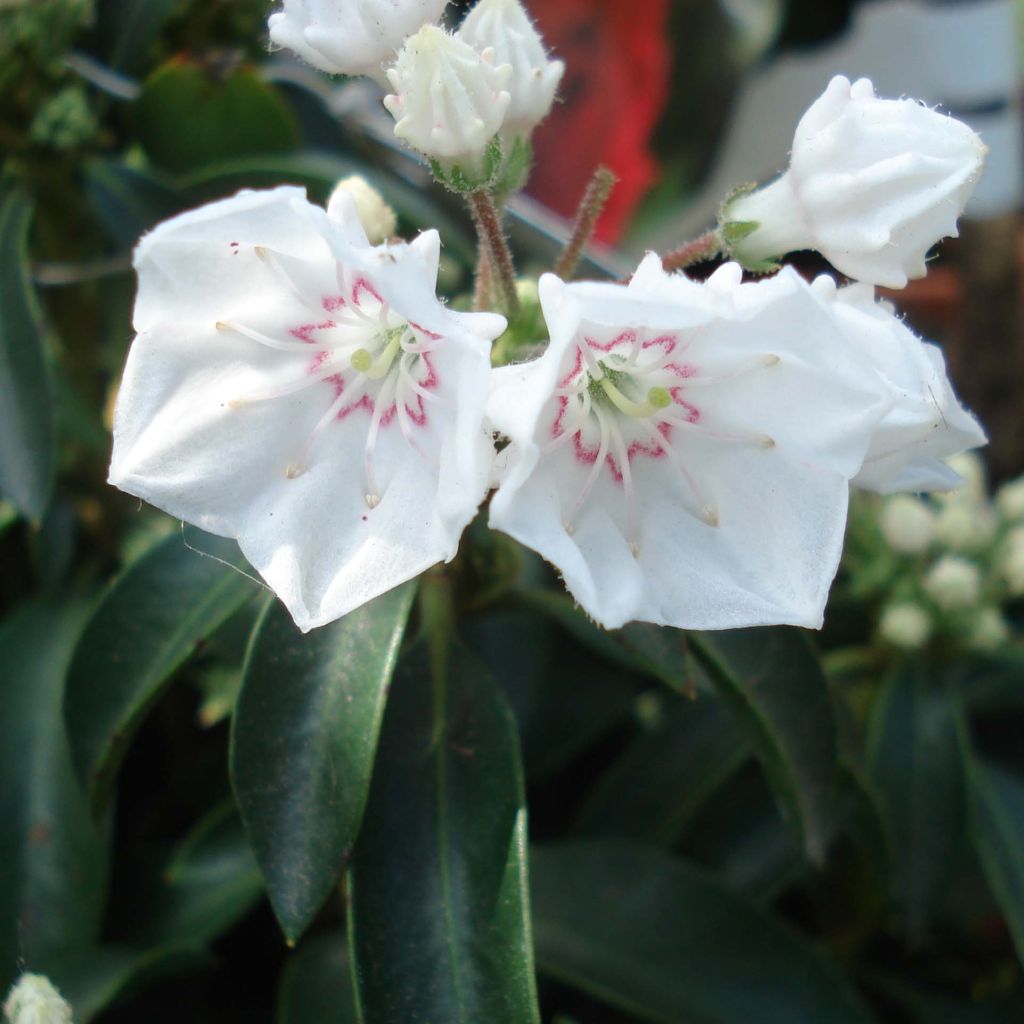
Kalmia latifolia Elf - Mountain Laurel
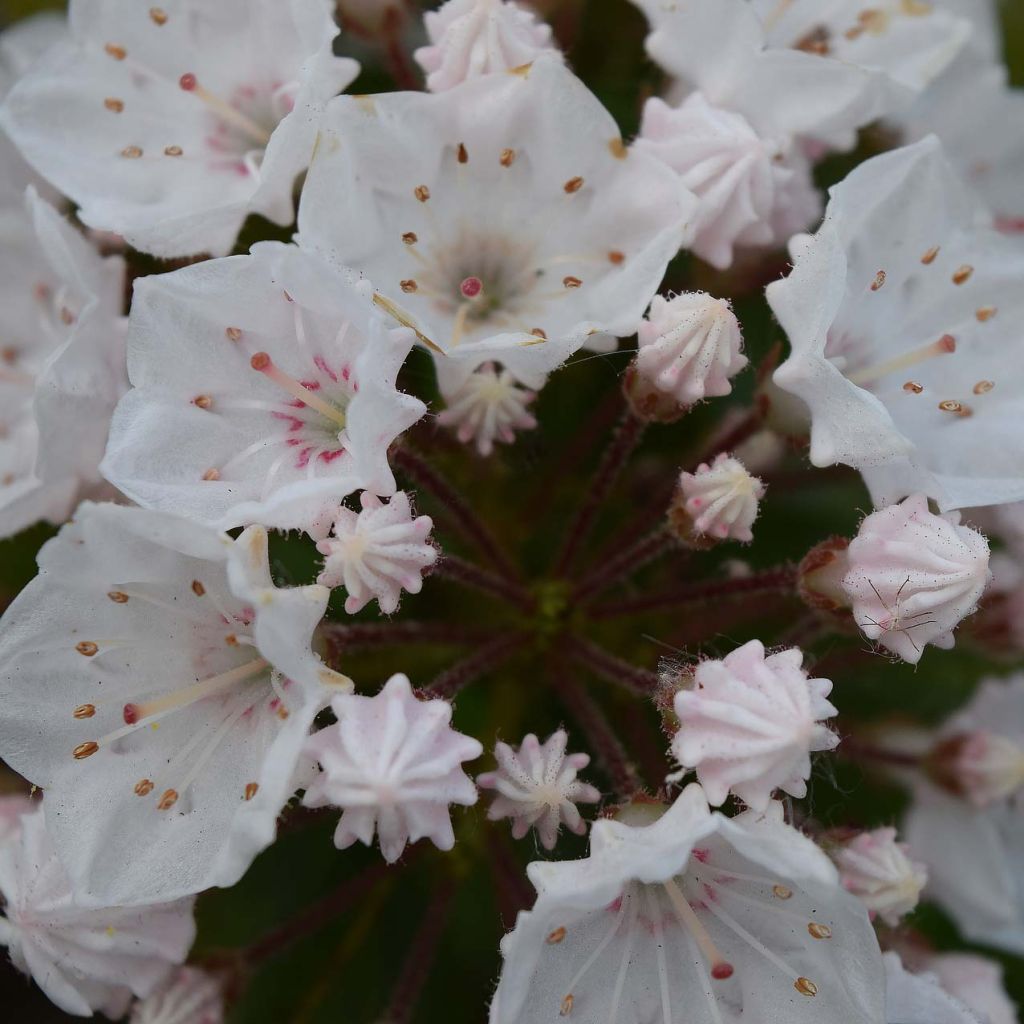
Kalmia latifolia Elf - Mountain Laurel
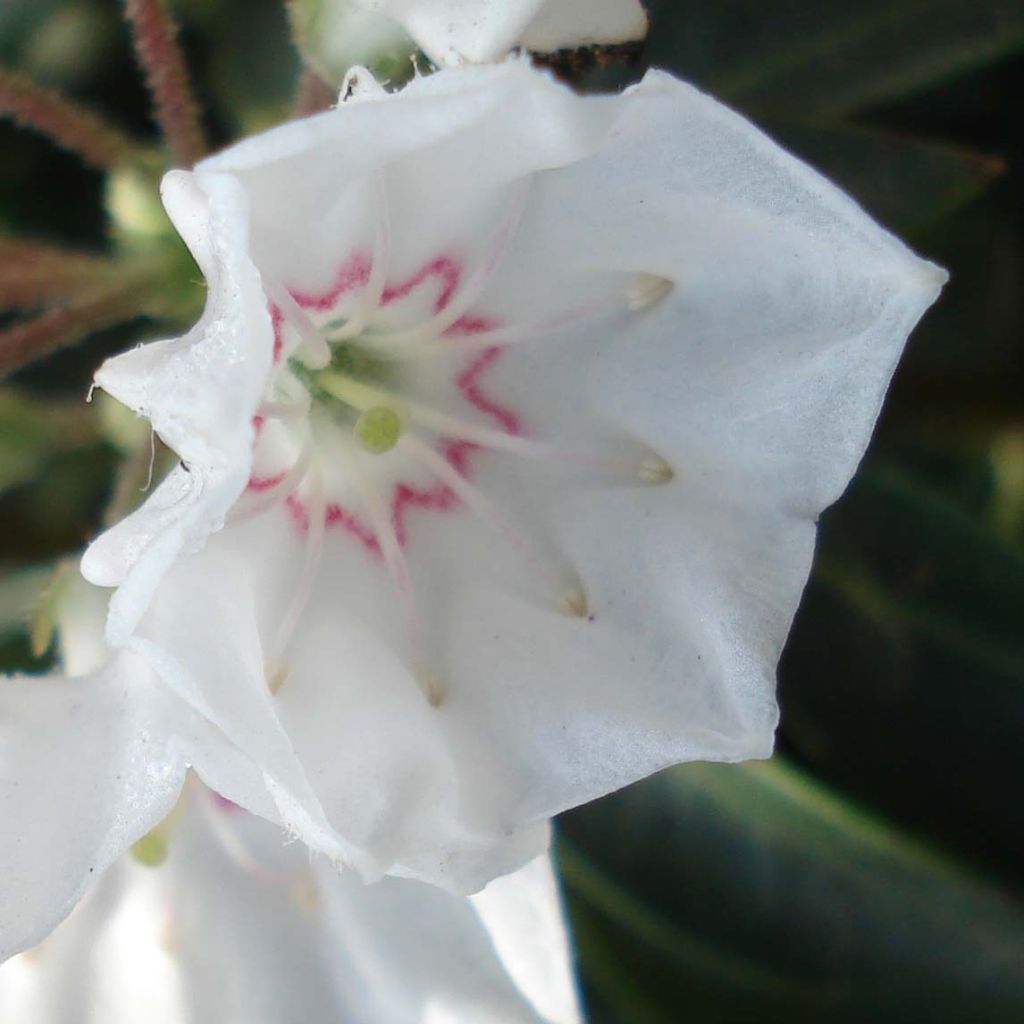
Kalmia latifolia Elf - Mountain Laurel
Kalmia latifolia Elf - Mountain Laurel
Kalmia latifolia Elf
Mountain Laurel, Calico Bush, Spoonwood, American Mountain Laurel, Broad-leaved Kalmia
Packaging not satisfactory as it was torn at the staples (PdFleurs, please, reconsider the packaging would be perfect). Bush matches the description. Satisfied.
Pierre , 13/12/2024
Back-to-school special offer!
Get €10 off for every €50 you spend! And get up to €40 off on a single order.
How does it work?
1. Shop your favourites
Add your favourite plants to your basket. For every €50 you spend (excluding delivery charges, store credit and the plastic-free option), you’ll receive a €10 voucher.
€50 spent = €10 voucher
€100 spent = €20 voucher
€150 spent = €30 voucher
€200 spent = €40 voucher
2. Place your order
Once your basket reaches one of the spending thresholds, place your order. You can even choose your delivery date!
3. Receive your voucher
As soon as your order has been shipped, you’ll receive an email containing your personal voucher code and its value.
4. Use it on your next order
Your voucher is valid for 90 days from the date you receive it. It can be used once only, on a new order worth at least the value of the voucher, excluding delivery charges.
Please note: Vouchers can be combined with other offers, but cannot be split or refunded.
Home or relay delivery (depending on size and destination)
Important: You may be charged customs duties by your country’s customs authorities upon delivery.
Schedule delivery date
and select date in basket
This plant carries a 24 months recovery warranty
More information
We guarantee the quality of our plants for a full growing cycle, and will replace at our expense any plant that fails to recover under normal climatic and planting conditions.
Does this plant fit my garden?
Set up your Plantfit profile →
Description
Kalmia latifolia 'Elf' is a small mountain laurel, a dwarf form very close to the wild species with its exquisite flowering. Its pale pink buds appear in late spring and bloom into normal-sized white corollas. They are so numerous that they almost mask its evergreen foliage, which is particularly elegant, composed of small dark greenleaves with a matte finish. The American Laurel is a very hardy heathland bush that flourishes in light sun, semi-shade or even shade. It dreads hot and dry climates, naturally preferring mountainous regions.
The Kalmia latifolia, native to the mountains of eastern North America, also known as Mountain Laurel or American Laurel, belongs to the Ericaceae family, like the Heather and the Rhododendron. This Kalmia Elf , introduced in 1982 in the United States, is one of the first dwarf cultivars derived from this bush. It differs in its modest dimensions, due to very short internodes, and reduced-size foliage, a dwarfism phenomenon that does not affect the size of its flowers.
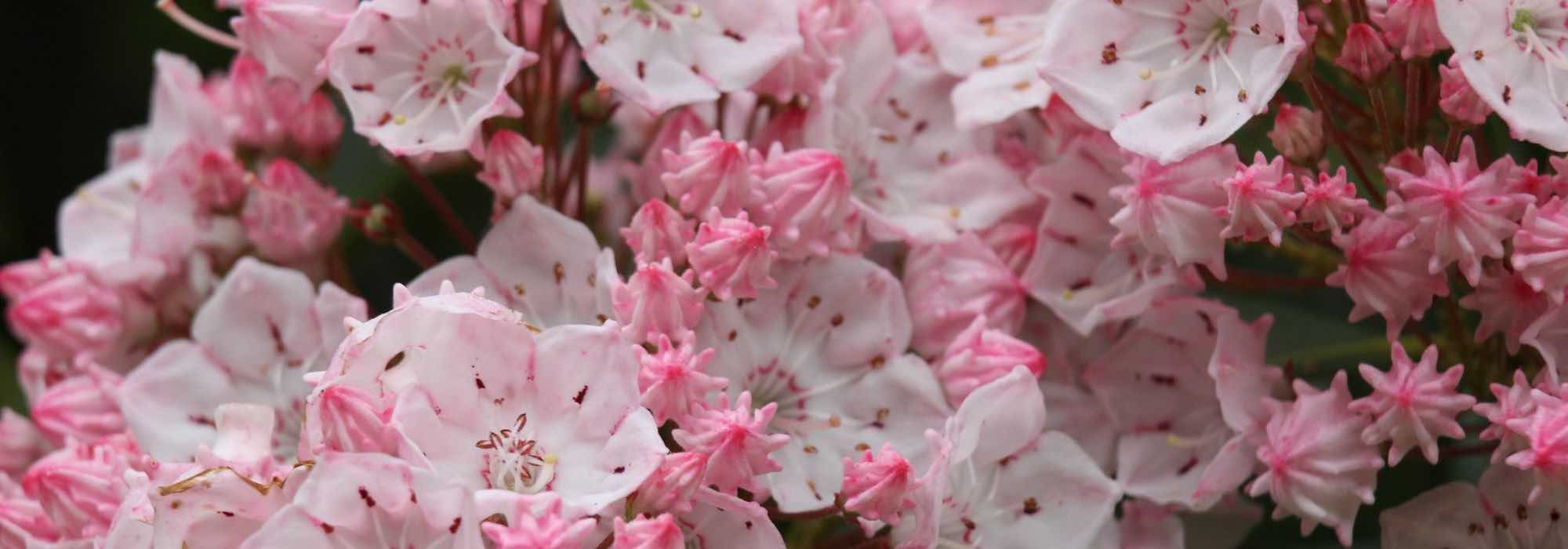
'Elf' will not exceed 75 cm (29.5 in) in height and 90 cm (35.4 in) in width, and its growth is rather slow. Its well-branched trunk gives it a bushy, spread-out habit. Its evergreen, intense matte green foliage, with a lighter underside, is composed of small, tough and thick leaves, alternate and lanceolate, carried by reddish branches. The plant's display is at its peak in early summer, during its very spectacular flowering! Indeed, in May-June, it is entirely covered with pink buds which look like small meringues which bloom into flowers with a waxy texture, white and veined with purple. Each branch carries terminal clusters (corymbs) counting up to 180 small flowers in the shape of campanulate corollas with 5 sides, 3 to 3.5 cm (1.2 to 1.4 in) in diameter. Each flower carries 10 white stamens housed in the petals. The flowers do not all bloom at the same time, the corymbs present a gradient between the unopen, veined, pale pink floral buds, and the already bloomed flowers. After flowering, if they have not fallen, the flowers give way to fruits in the form of brown capsules, which last through the winter.
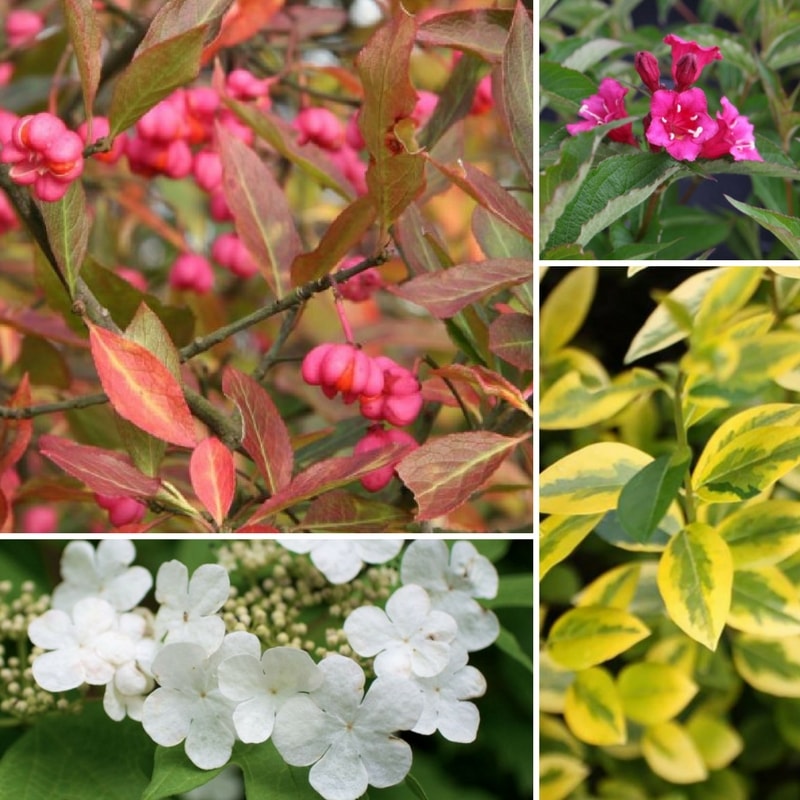
Kalmias are unjustly unknown, perhaps victims of the fame of Rhododendrons. Their flowering is however enchanting, they are particularly hardy heathland shrubs that must be positioned in semi-shade, in a moist and humus-rich soil. Undoubtedly original, very decorative and uncommon, Kalmia Elf will look wonderful installed in the garden, where it will beautifully enhance all the surrounding plants! It can be used in many ways in the garden. It will be the ideal companion to heathland plants (Rhododendrons, Azaleas, Camellias, Heathers, Hydrangeas, Japanese Maples, Magnolias, Andromedas, Cyclamens…). It will look wonderful in the foreground of an informal hedge, in mixed shrub planting, mixed into a perennial bed, around a pond, or even planted as a specimen. Due to its small size, it is perfectly suitable for pots on balconies or patios, provided the soil is kept constantly moist.
Anecdote:
The naming of the Kalmia genus was chosen by Carl von Linnaeus, in tribute to Pehr Kalm, a famous Swedish botanist, who was one of the first to explore the flora in certain parts of North America from 1747 to 1751.
The flower of the Kalmia latifolia is the emblem of the States of Connecticut and Pennsylvania.
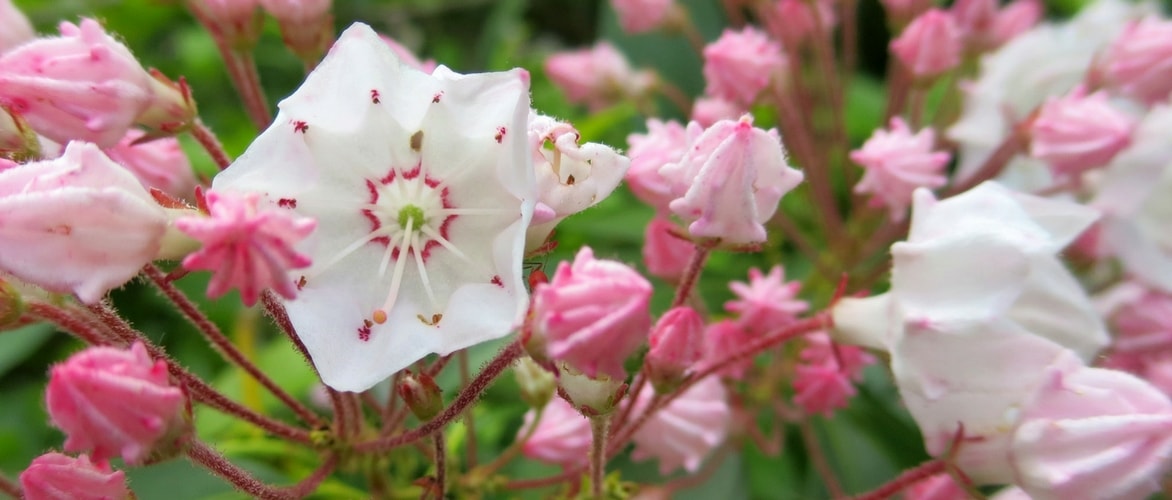
Kalmia latifolia Elf - Mountain Laurel in pictures
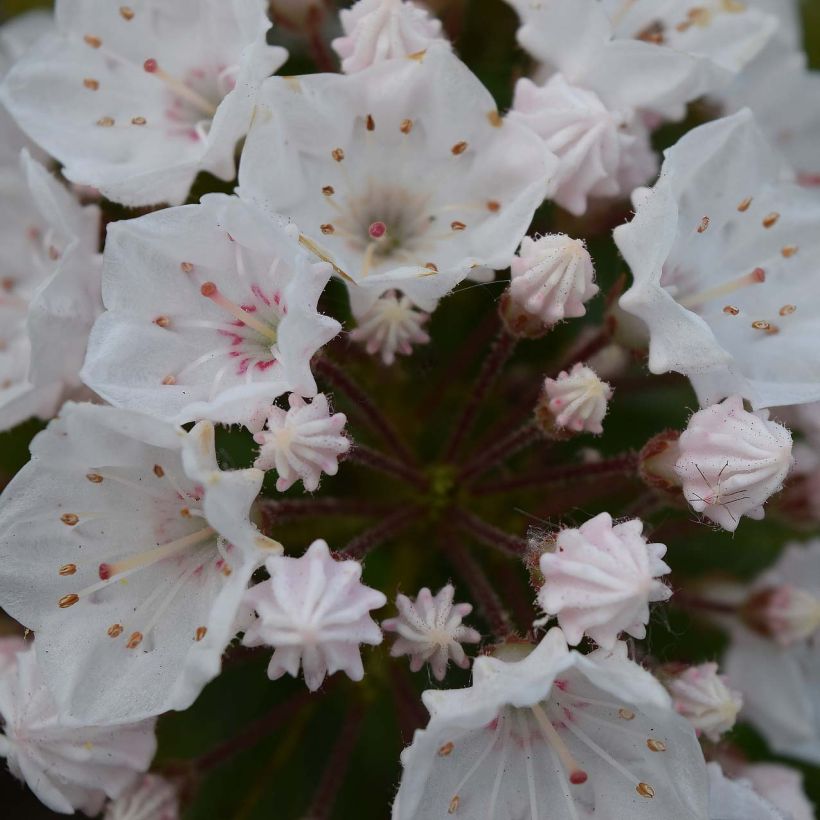
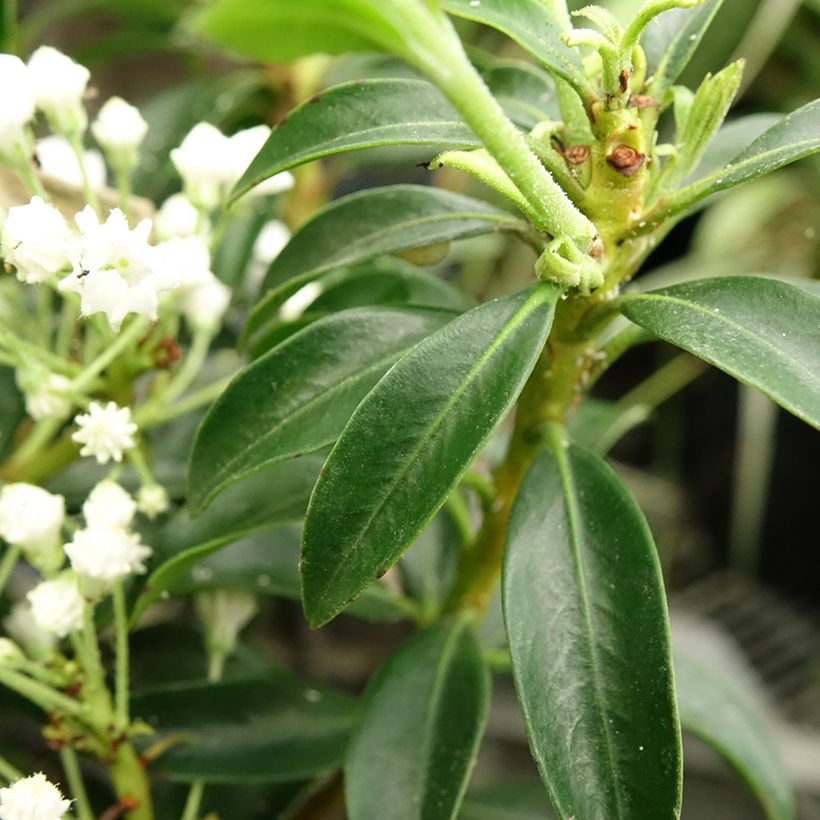
Plant habit
Flowering
Foliage
Botanical data
Kalmia
latifolia
Elf
Ericaceae
Mountain Laurel, Calico Bush, Spoonwood, American Mountain Laurel, Broad-leaved Kalmia
Cultivar or hybrid
Planting and care
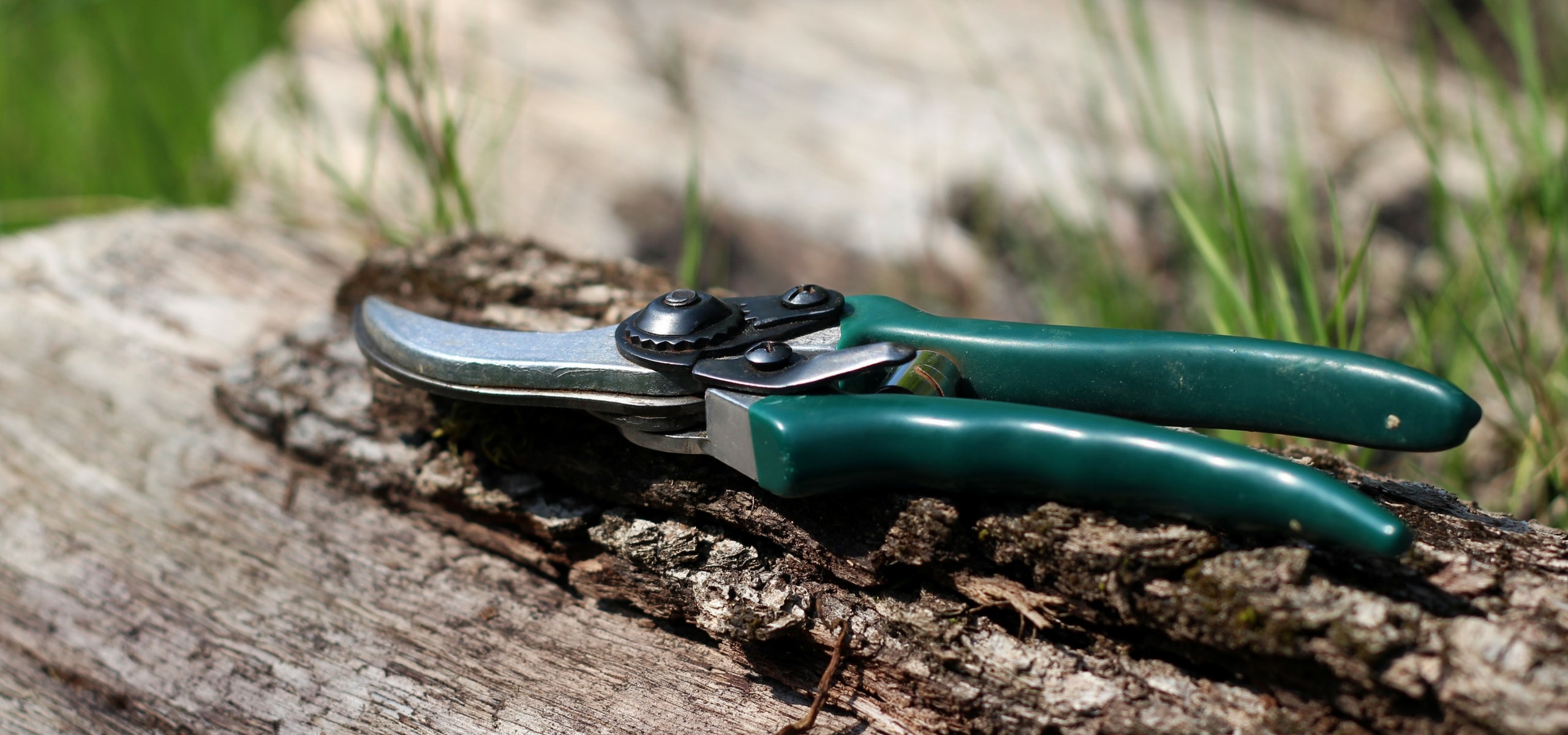
Native to the mountains of eastern North America, Kalmia latifolia Elf is extremely hardy and can withstand very low temperatures, below -20°C (-4 °F). Belonging to the Ericaceae family, it needs to be planted in a semi-shaded position, in a humus-rich and fertile soil, acidic, moist but well-drained. Plant in spring or autumn, avoiding periods of frost or high heat. Prepare a wide and deep pit, 40 cm (15.7 in) by 40 cm (15.7 in) so that your Kalmia can quickly establish itself. Regular watering in the first few weeks after planting is necessary to keep the soil moist. A mulch at the base of the plant can be beneficial to protect the thin and superficial roots. Each spring, scratch the soil around the base of the plant and top with compost, ericaceous soil and mulch. If the soil is calcareous, it will need to be completely replaced by a mix of ericaceous soil and leaf compost in a large planting pit. The mountain laurel dislikes scorching situations and sweltering summers. It must be placed in such a way that it is shaded during the hottest hours of the day. The mountain laurel dislikes exposure to strong sunlight, especially in case of drought, and ensure regular watering (preferably with rainwater). This summer watering is particularly important since this is when the flower buds form for the following spring. The mountain laurel, liking coolness and good humidity, will thrive in coastal or rainy climates. With its slow growth, it is well suited to pots on a patio or balcony but use a large pot and water well to avoid the soil from drying out. Apart from removing faded flowers, pruning of Kalmia latifolia is hardly necessary. Indeed, it risks damaging the flowers for the following year, as the flower buds form at the ends of the branches. However, it is possible to remove dead wood and carry out a very slight refreshment to maintain a balanced habit.
Planting period
Intended location
Care
Planting & care advice
-
-

-
-
-
-
-
-

-
, onOrder confirmed
Reply from on Promesse de fleurs
Recently viewed products
Haven't found what you were looking for?
Hardiness is the lowest winter temperature a plant can endure without suffering serious damage or even dying. However, hardiness is affected by location (a sheltered area, such as a patio), protection (winter cover) and soil type (hardiness is improved by well-drained soil).
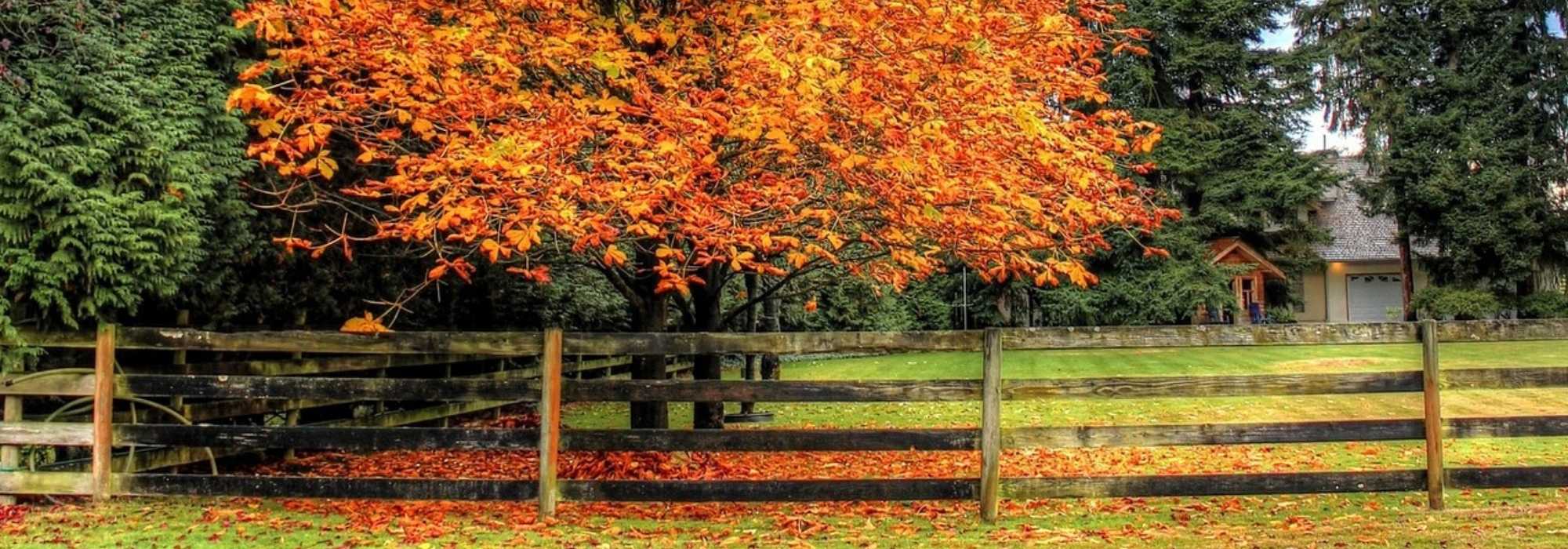
In temperate climates, pruning of spring-flowering shrubs (forsythia, spireas, etc.) should be done just after flowering.
Pruning of summer-flowering shrubs (Indian Lilac, Perovskia, etc.) can be done in winter or spring.
In cold regions as well as with frost-sensitive plants, avoid pruning too early when severe frosts may still occur.
The harvesting period indicated on our website applies to countries and regions in USDA zone 8 (France, England, Ireland, the Netherlands).
In colder areas (Scandinavia, Poland, Austria...) fruit and vegetable harvests are likely to be delayed by 3-4 weeks.
In warmer areas (Italy, Spain, Greece, etc.), harvesting will probably take place earlier, depending on weather conditions.
The sowing periods indicated on our website apply to countries and regions within USDA Zone 8 (France, UK, Ireland, Netherlands).
In colder areas (Scandinavia, Poland, Austria...), delay any outdoor sowing by 3-4 weeks, or sow under glass.
In warmer climes (Italy, Spain, Greece, etc.), bring outdoor sowing forward by a few weeks.
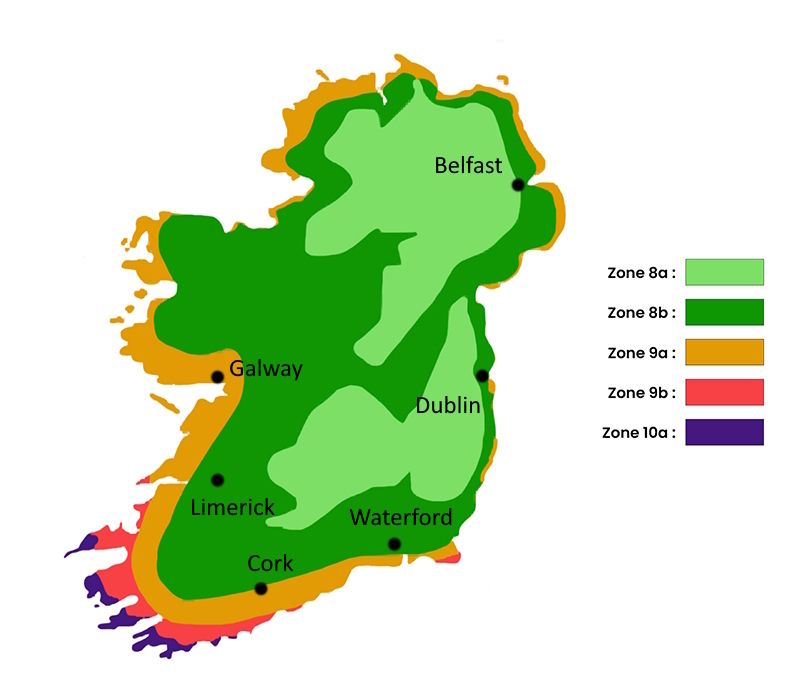
The planting period indicated on our website applies to regions in USDA Zone 9a (East Coast and Midlands: Dublin, Wexford, Waterford, Kilkenny, Portlaoise). It will vary depending on where you live:
- On the west coast and in the north-west (Galway, Limerick, Sligo, Donegal, Westport), delay planting by 1 to 2 weeks in spring and bring it forward by 1 to 2 weeks in autumn compared to the dates given, preferably choosing periods without strong winds.
- In the inland hills and plateaus (Wicklow Mountains, Macgillycuddy’s Reeks, Connemara, Killarney), it is best to plant in spring (April–May) or autumn (September–October), avoiding periods of waterlogged soil in winter and strong winds, which pose the main risk to newly planted trees in these areas.
The flowering period indicated on our website applies to regions in USDA Zone 9a, such as the East Coast and Midlands, including Dublin, Wexford, Waterford, Kilkenny and Portlaoise.
This will vary depending on where you live:
- On the west coast and in the northwest (Galway, Limerick, Sligo, Donegal and Westport), it will be delayed by one to two weeks compared to the given dates, due to stronger Atlantic winds and less spring sunshine.
- In the inland hills and plateaus (the Wicklow Mountains, the Macgillycuddy's Reeks, Connemara and Killarney), flowering will be delayed by two to three weeks. Flowering mainly occurs between May and July, with the limiting factors being less frost and more of the excessive humidity, strong winds and lack of sunshine that are characteristic of these areas.
Shipping country and language
Your country of residence may be:
Your country of residence is:
For a better user experience on our website, you can select:
Your shipping country:
-
 Austria
-
 Belgium
-
 Bosnia & Herzegovina
-
 Bulgaria
-
 Croatia
-
 Cyprus
-
 Czechia
-
 Denmark
-
 Estonia
-
 Finland
-
 France
-
 Germany
-
 Greece
-
 Hungary
-
 Iceland
-
 Ireland
-
 Italy
Italy
-
 Latvia
-
 Liechtenstein
-
 Lithuania
-
 Luxembourg
-
 Malta
Malta
-
 Netherlands
-
 Poland
-
 Portugal
-
 Romania
-
 Serbia
-
 Slovakia
-
 Slovenia
-
 Spain
Spain
-
 Sweden
-
 Switzerland
Language:
-
French
-
 English
-
Spanish
-
Italian
-
German
-
Portuguese
-
Dutch
-
Finnish
My Account
Hello
My wish lists
My cart
Log in / Register
Existing customer?
This form is protected by reCAPTCHA - the Google Privacy Policy and Terms of Service apply.
New customer?
Create an account to track your orders, access our customer service and, if you wish, make the most of our upcoming offers.