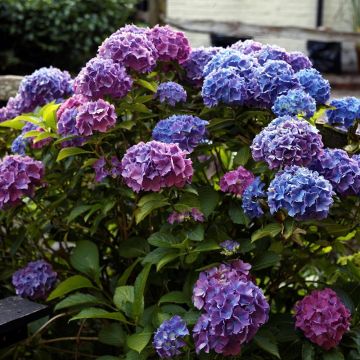


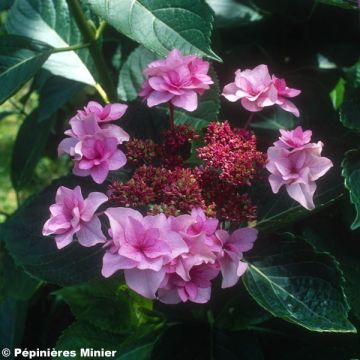




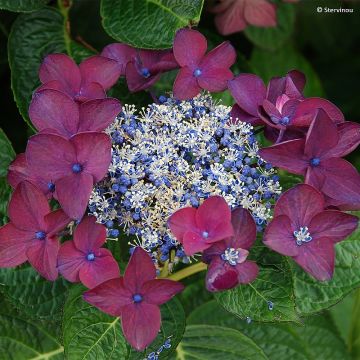
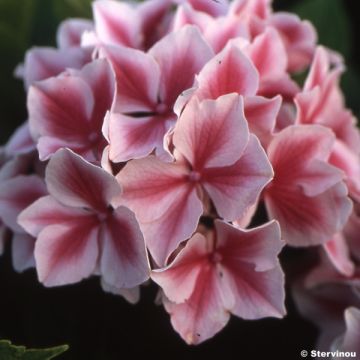
Charming in partial shade, in a pot on a patio or at the edge of a cool woodland, hydrangea 'Dolce Chic' is eye-catching with its pink shades and attractive rounded habit. It pairs well with carpets of Siberian bugloss with silver foliage, foamflower with its frothy flowers, and Japanese anemones in a cool setting. It also complements the cloudy blooms of meadow rues, the exuberant foliage of rodgersias or the architectural clumps of sedges. Its compact size is perfect for punctuating a shaded bed, edging a path or structuring a flowering corner in the city.
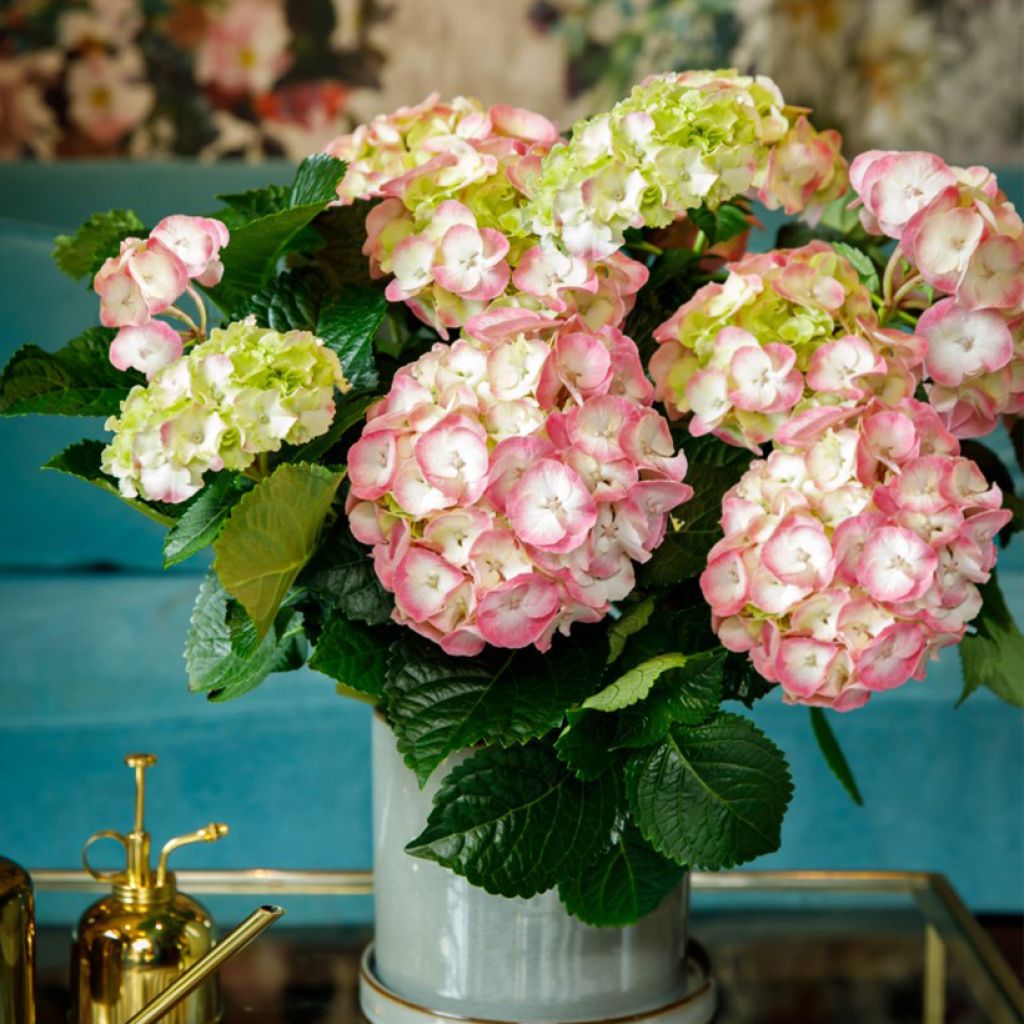
Hydrangea macrophylla Dolce Chic
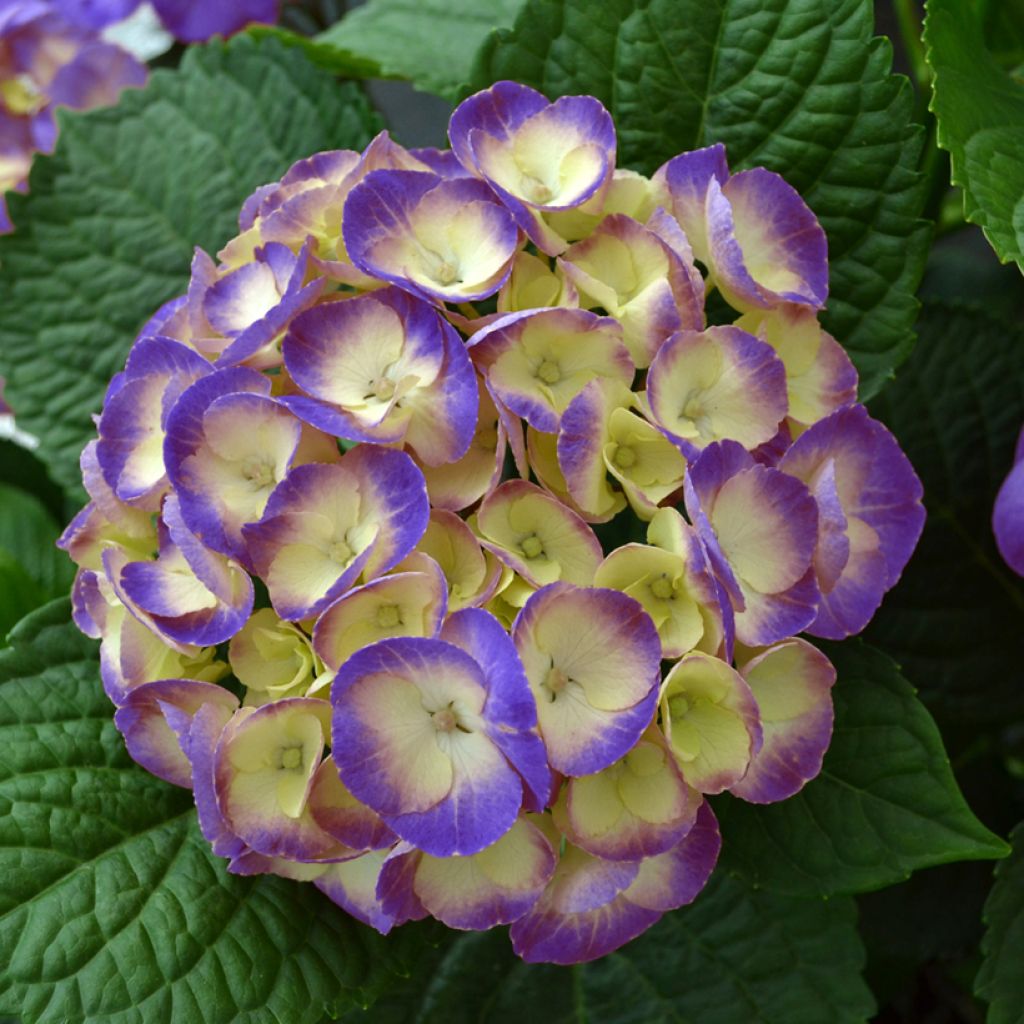
Hydrangea macrophylla Dolce Chic
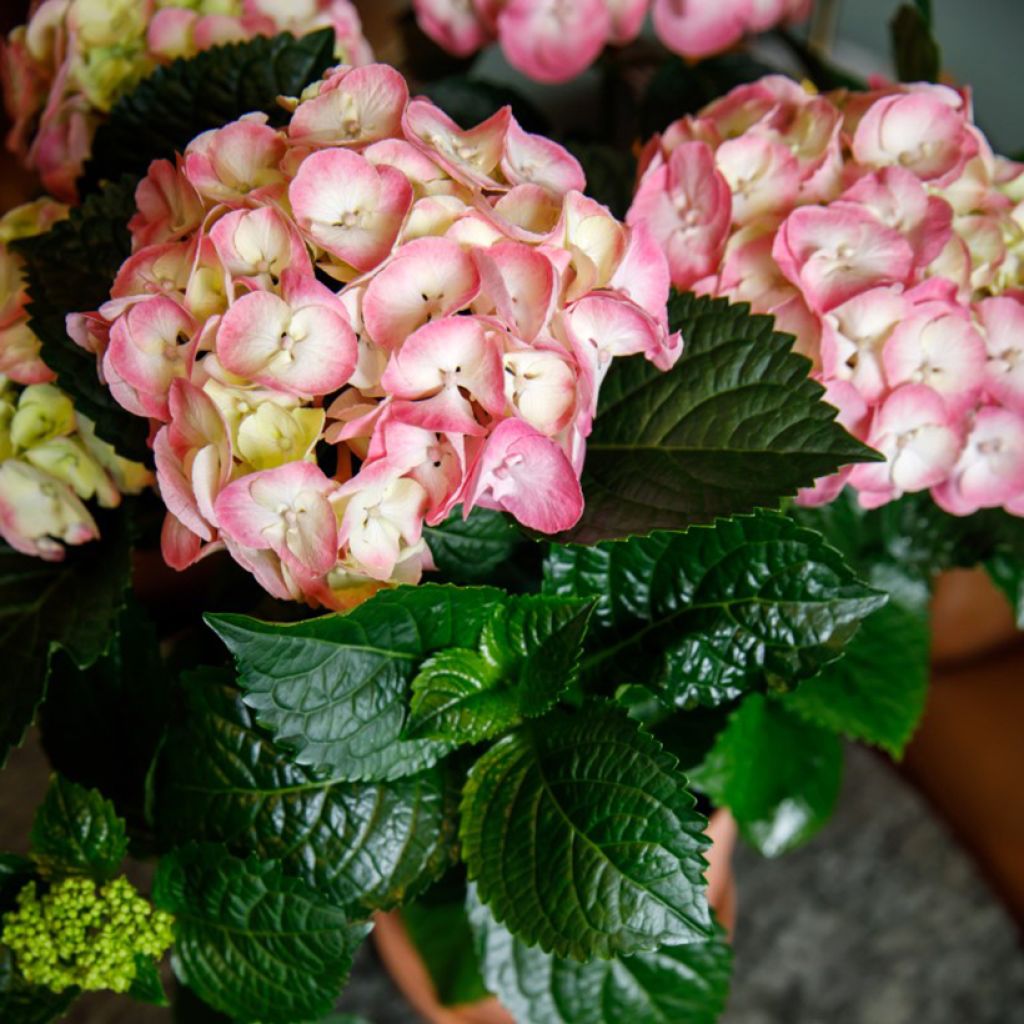
Hydrangea macrophylla Dolce Chic
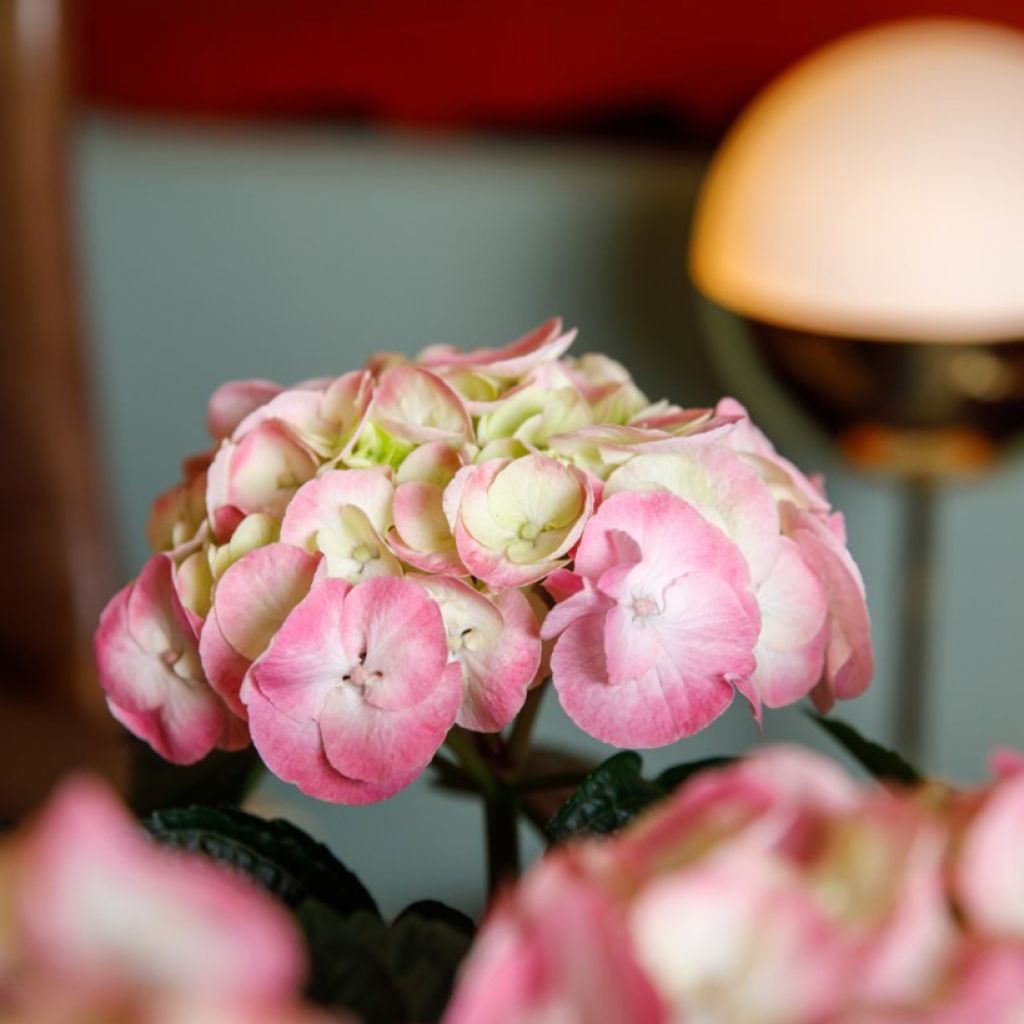
Hydrangea macrophylla Dolce Chic
New arrival
Hydrangea macrophylla Dolce Chic
Hydrangea macrophylla ‘HORE0034’ Dolce Chic
Bigleaf Hydrangea, French Hydrangea
Be the first to leave a review
Back-to-school special offer!
Get €10 off for every €50 you spend! And get up to €40 off on a single order.
How does it work?
1. Shop your favourites
Add your favourite plants to your basket. For every €50 you spend (excluding delivery charges, store credit and the plastic-free option), you’ll receive a €10 voucher.
€50 spent = €10 voucher
€100 spent = €20 voucher
€150 spent = €30 voucher
€200 spent = €40 voucher
2. Place your order
Once your basket reaches one of the spending thresholds, place your order. You can even choose your delivery date!
3. Receive your voucher
As soon as your order has been shipped, you’ll receive an email containing your personal voucher code and its value.
4. Use it on your next order
Your voucher is valid for 90 days from the date you receive it. It can be used once only, on a new order worth at least the value of the voucher, excluding delivery charges.
Please note: Vouchers can be combined with other offers, but cannot be split or refunded.
Why not try an alternative variety in stock?
View all →
38 in stock
From
€16.50
•
2L/3L pot
Available in 1 sizes
17 in stock
From
€31.50
•
2L/3L pot
Available in 1 sizes
12 in stock
From
€20.50
•
3L/4L pot
Available in 2 sizes
6 in stock
From
€14.30
•
2L/3L pot
Available in 1 sizes
17 in stock
From
€14.90
•
1.5L/2L pot
Available in 1 sizes
10 in stock
From
€14.90
•
2L/3L pot
Available in 1 sizes
2 in stock
From
€27.50
•
4L/5L pot
Available in 1 sizes
5 in stock
From
€12.50
•
3L/4L pot
Available in 2 sizes
15 in stock
From
€14.90
•
2L/3L pot
Available in 1 sizes
5 in stock
From
€14.90
•
2L/3L pot
Available in 1 sizes
This plant carries a 24 months recovery warranty
More information
We guarantee the quality of our plants for a full growing cycle, and will replace at our expense any plant that fails to recover under normal climatic and planting conditions.
Compact hydrangea with harmonious habit, 'Dolce Chic' forms large globular inflorescences which are pinkish white with a yellow centre, gradually turning pink over the summer. It thrives in shaded to semi-shaded exposure, in moist, fertile, well-drained soil. This variety flowers from June to September on sturdy stems, and its flowers offer excellent performance in the garden, in pots as well as in vases.
Flower size
17 cm
Height at maturity
1 m
Spread at maturity
1 m
Exposure
Partial shade
Hardiness
Hardy down to -20.5°C
Soil moisture
Moist soil
Does this plant fit my garden?
Set up your Plantfit profile →
Best planting time
March, October
Recommended planting time
February to May, September to November
JAN
J
FEB
F
MAR
M
APR
A
MAY
M
JUN
J
JUL
J
AUG
A
SEP
S
OCT
O
NOV
N
DEC
D
Flowering time
June to September
JAN
J
FEB
F
MAR
M
APR
A
MAY
M
JUN
J
JUL
J
AUG
A
SEP
S
OCT
O
NOV
N
DEC
D
Description
Hydrangea macrophylla Rembrandt® Dolce Chic is a modern hydrangea that combines robustness and softness in its pink-toned inflorescences. Its flower heads open in a pinkish-white with a yellow centre, before gradually turning a deeper pink as the summer progresses. Compact, well-branched and naturally balanced, this shrub creates a lovely effect both in a pot on the patio and in a border. It thrives in partial shade, in rich, humus-rich, well-drained soil, and offers abundant summer flowering, remarkable for its longevity and duration.
Hydrangea macrophylla Rembrandt® ‘Dolce Chic’ belongs to the Hydrangeaceae family and was selected under the code name 'HORE0034' by the Dutch nurseryman Lendert de Vos B.V. This cultivar is part of the Rembrandt® collection, a series distinguished by its compact habit, sturdy stems and solid flowers that change colour every 3 to 4 weeks. The flowering of these hydrangeas is particularly long, often lasting more than 100 days. The plant has a bushy, dense and tidy habit, reaching about 1 m in height and width. Its growth is steady but moderate. The foliage is deciduous, consisting of elliptical to oval leaves measuring 10 to 15 cm long by 7.5 to 10 cm wide, a lustrous dark green with a finely toothed margin. The inflorescences form balls 15 to 20 cm in diameter, composed of numerous decorative sterile flowers 3 to 3.5 cm in diameter. Each one emerges pinkish-white with a yellow centre, then slowly evolves into a rich, deep pink. In acidic soil (pH ≤ 6), these shades may lean towards mauve and blue, but the pink colouration predominates in neutral to slightly alkaline soil.
Note: The flower colour of Hydrangea macrophylla varies according to soil pH. Traditionally, blue varieties turn pink in neutral or alkaline soil. To maintain a beautiful blue colour, mix acidic soil or peat with your garden soil and apply aluminium sulfate (slate contains it) or alum annually in spring.
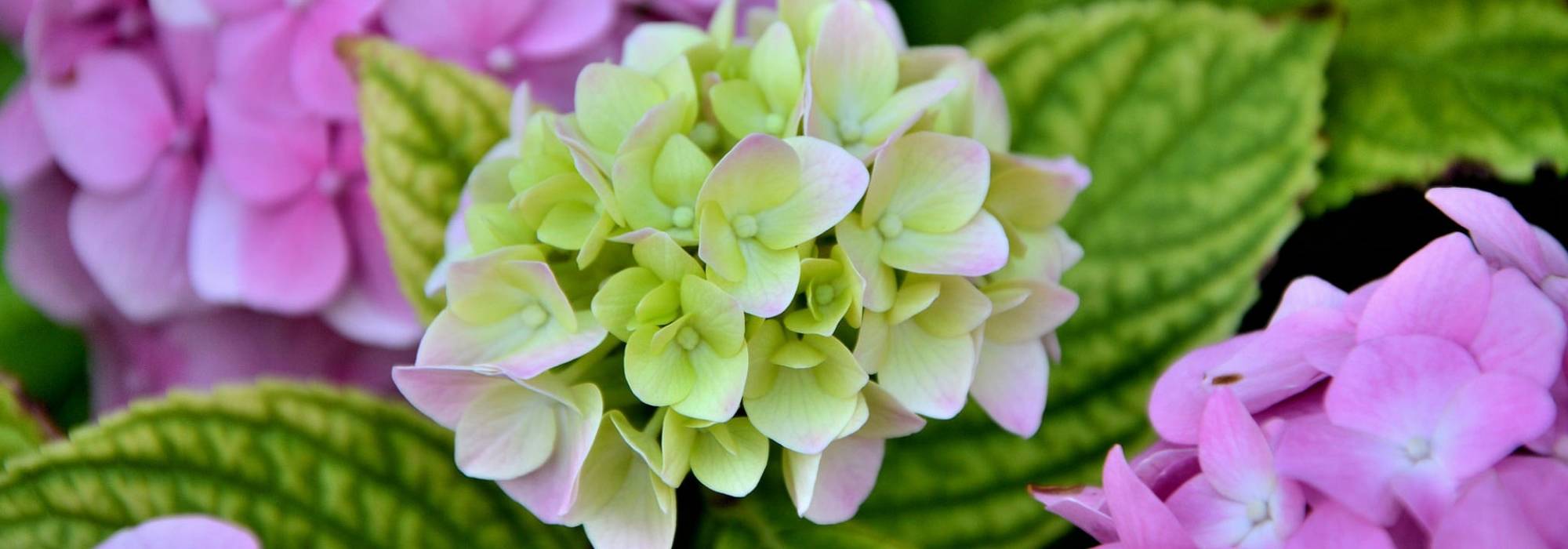
Hydrangea macrophylla Dolce Chic in pictures
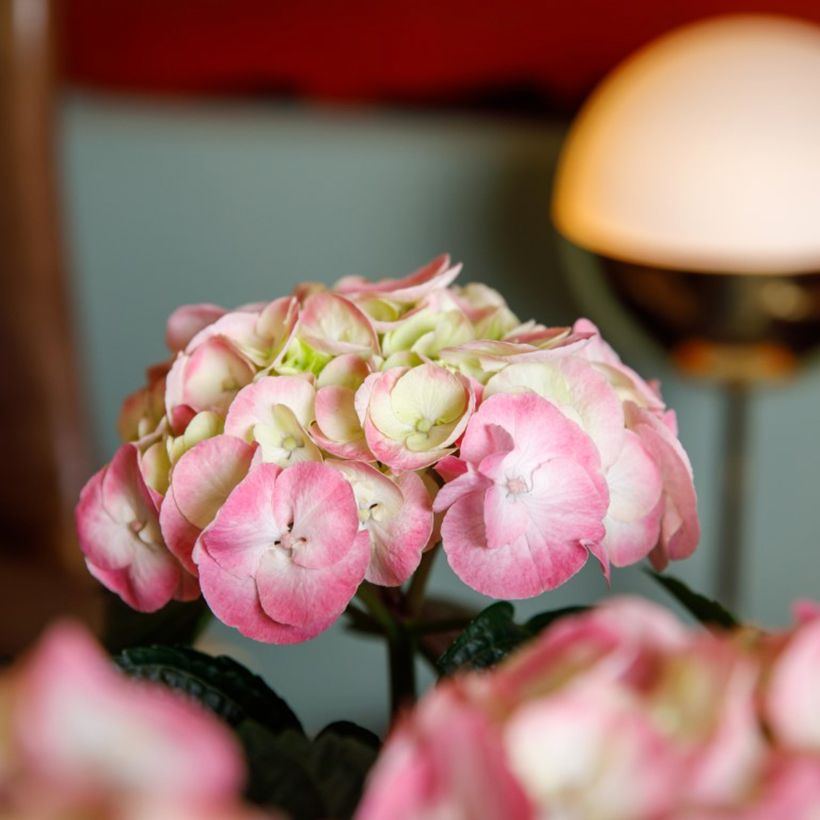
Hydrangea macrophylla Dolce Chic (Flowering)
Plant habit
Height at maturity
1 m
Spread at maturity
1 m
Habit
irregular, bushy
Growth rate
normal
Flowering
Flower colour
pink
Flowering time
June to September
Inflorescence
Cyme
Flower size
17 cm
Good for cut flowers
Cut flower blooms
Foliage
Foliage persistence
Deciduous
Foliage colour
dark green
Botanical data
Genus
Hydrangea
Species
macrophylla
Cultivar
‘HORE0034’ Dolce Chic
Family
Hydrangeaceae
Other common names
Bigleaf Hydrangea, French Hydrangea
Botanical synonyms
Hydrangea macrophylla ‘HORE0034’
Origin
Cultivar or hybrid
Product reference
•
24809
Planting and care
Plant Hydrangea macrophylla Rembrandt Dolce Chic in spring or early autumn, preferably in a slightly shaded position, for example against an east-facing wall, or even a north-facing one. It tolerates morning sun well. Place it sheltered from cold and drying winds. It does not necessarily require acidic soil, which is poor, but appreciates a deep, humus-rich, moist but well-drained soil, possibly enriched with a good fertiliser before planting. If the soil at the base of the wall is dry, set the root ball at least 30 or 40 cm away and incorporate plenty of well-rotted compost to help retain moisture in the soil. It is very hardy and has no problem being planted in cold regions.
Planting period
Best planting time
March, October
Recommended planting time
February to May, September to November
Intended location
Suitable for
Woodland edge
Type of use
Border, Cut flowers, Small gardens, Container, Hedge
Hardiness
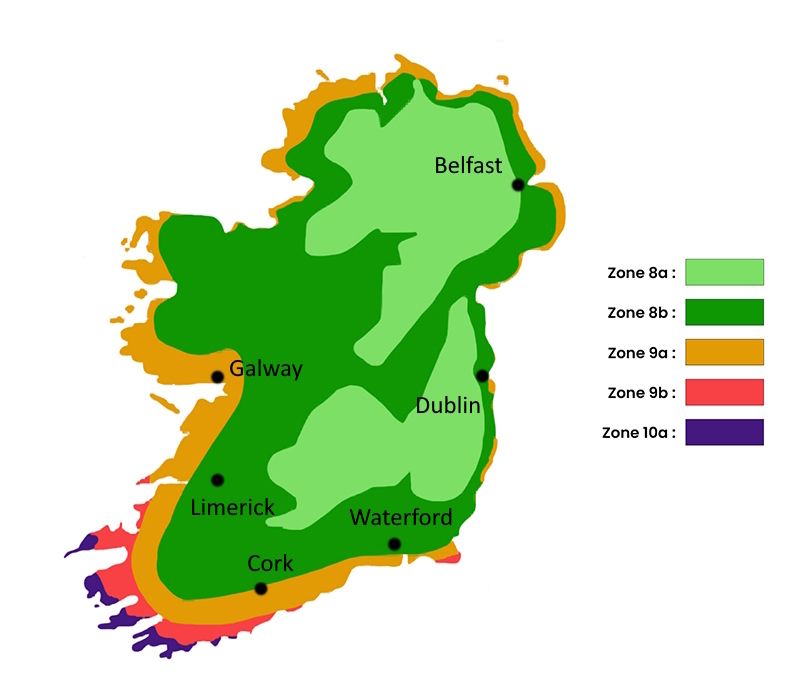
Hardy down to -20.5°C (USDA zone 6b)
Show map
Ease of cultivation
Beginner
Exposure
Partial shade
Soil pH
Acidic, Neutral
Soil type
Silty-loamy (rich and light)
Soil moisture
Moist soil, well-drained, rich
Care
Pruning instructions
Remove faded flowers on the first bud or on the pair of buds directly below. Cut back a quarter or a third of the oldest stems to the base when the plant is mature, to encourage the formation of young shoots. Carry out this pruning every year during March and April.
Pruning
Pruning recommended once a year
Pruning time
March to April
Soil moisture
Moist soil
Disease resistance
Good
Overwinter
Can be left in the ground
Planting & care advice





This item has not been reviewed yet - be the first to leave a review about it.
Leave a review →
Share your review
Recently viewed products
Haven't found what you were looking for?
Hardiness is the lowest winter temperature a plant can endure without suffering serious damage or even dying. However, hardiness is affected by location (a sheltered area, such as a patio), protection (winter cover) and soil type (hardiness is improved by well-drained soil).
Flora
Online now
In temperate climates, pruning of spring-flowering shrubs (forsythia, spireas, etc.) should be done just after flowering.
Pruning of summer-flowering shrubs (Indian Lilac, Perovskia, etc.) can be done in winter or spring.
In cold regions as well as with frost-sensitive plants, avoid pruning too early when severe frosts may still occur.
The harvesting period indicated on our website applies to countries and regions in USDA zone 8 (France, England, Ireland, the Netherlands).
In colder areas (Scandinavia, Poland, Austria...) fruit and vegetable harvests are likely to be delayed by 3-4 weeks.
In warmer areas (Italy, Spain, Greece, etc.), harvesting will probably take place earlier, depending on weather conditions.
The sowing periods indicated on our website apply to countries and regions within USDA Zone 8 (France, UK, Ireland, Netherlands).
In colder areas (Scandinavia, Poland, Austria...), delay any outdoor sowing by 3-4 weeks, or sow under glass.
In warmer climes (Italy, Spain, Greece, etc.), bring outdoor sowing forward by a few weeks.
The planting period indicated on our website applies to regions in USDA Zone 9a (East Coast and Midlands: Dublin, Wexford, Waterford, Kilkenny, Portlaoise). It will vary depending on where you live:
- On the west coast and in the north-west (Galway, Limerick, Sligo, Donegal, Westport), delay planting by 1 to 2 weeks in spring and bring it forward by 1 to 2 weeks in autumn compared to the dates given, preferably choosing periods without strong winds.
- In the inland hills and plateaus (Wicklow Mountains, Macgillycuddy’s Reeks, Connemara, Killarney), it is best to plant in spring (April–May) or autumn (September–October), avoiding periods of waterlogged soil in winter and strong winds, which pose the main risk to newly planted trees in these areas.
The flowering period indicated on our website applies to regions in USDA Zone 9a, such as the East Coast and Midlands, including Dublin, Wexford, Waterford, Kilkenny and Portlaoise.
This will vary depending on where you live:
- On the west coast and in the northwest (Galway, Limerick, Sligo, Donegal and Westport), it will be delayed by one to two weeks compared to the given dates, due to stronger Atlantic winds and less spring sunshine.
- In the inland hills and plateaus (the Wicklow Mountains, the Macgillycuddy's Reeks, Connemara and Killarney), flowering will be delayed by two to three weeks. Flowering mainly occurs between May and July, with the limiting factors being less frost and more of the excessive humidity, strong winds and lack of sunshine that are characteristic of these areas.
Shipping country and language
Your country of residence may be:
Your country of residence is:
For a better user experience on our website, you can select:
Your shipping country:
-
 Austria
-
 Belgium
-
 Bosnia & Herzegovina
-
 Bulgaria
-
 Croatia
-
 Cyprus
-
 Czechia
-
 Denmark
-
 Estonia
-
 Finland
-
 France
-
 Germany
-
 Greece
-
 Hungary
-
 Iceland
-
 Ireland
-
 Italy
Italy
-
 Latvia
-
 Liechtenstein
-
 Lithuania
-
 Luxembourg
-
 Malta
Malta
-
 Netherlands
-
 Poland
-
 Portugal
-
 Romania
-
 Serbia
-
 Slovakia
-
 Slovenia
-
 Spain
Spain
-
 Sweden
-
 Switzerland
Language:
-
French
-
 English
-
Spanish
-
Italian
-
German
-
Portuguese
-
Dutch
-
Finnish
Confirm
My Account
Hello
My wish lists
My cart
We have merged your shopping carts! Items added to the basket during a previous session have been retrieved.
Log in / Register
Existing customer?
This form is protected by reCAPTCHA - the Google Privacy Policy and Terms of Service apply.
New customer?
Create an account to track your orders, access our customer service and, if you wish, make the most of our upcoming offers.