Rosa 'Golden Gate' Climbing Max Rose
Rosa 'Golden Gate' Climbing Max Rose
Rosa 'Golden Gate' Climbing Max Rose
Rosa 'Golden Gate' Climbing Max Rose
Rosa Golden Gate ® Climbing Max ® 'Korgogalt'
Korgogalt
Back-to-school special offer!
Get €10 off for every €50 you spend! And get up to €40 off on a single order.
How does it work?
1. Shop your favourites
Add your favourite plants to your basket. For every €50 you spend (excluding delivery charges, store credit and the plastic-free option), you’ll receive a €10 voucher.
€50 spent = €10 voucher
€100 spent = €20 voucher
€150 spent = €30 voucher
€200 spent = €40 voucher
2. Place your order
Once your basket reaches one of the spending thresholds, place your order. You can even choose your delivery date!
3. Receive your voucher
As soon as your order has been shipped, you’ll receive an email containing your personal voucher code and its value.
4. Use it on your next order
Your voucher is valid for 90 days from the date you receive it. It can be used once only, on a new order worth at least the value of the voucher, excluding delivery charges.
Please note: Vouchers can be combined with other offers, but cannot be split or refunded.
Home or relay delivery (depending on size and destination)
Important: You may be charged customs duties by your country’s customs authorities upon delivery.
Schedule delivery date,
and select date in basket
This plant carries a 6 months recovery warranty
More information
We guarantee the quality of our plants for a full growing cycle, and will replace at our expense any plant that fails to recover under normal climatic and planting conditions.


Description
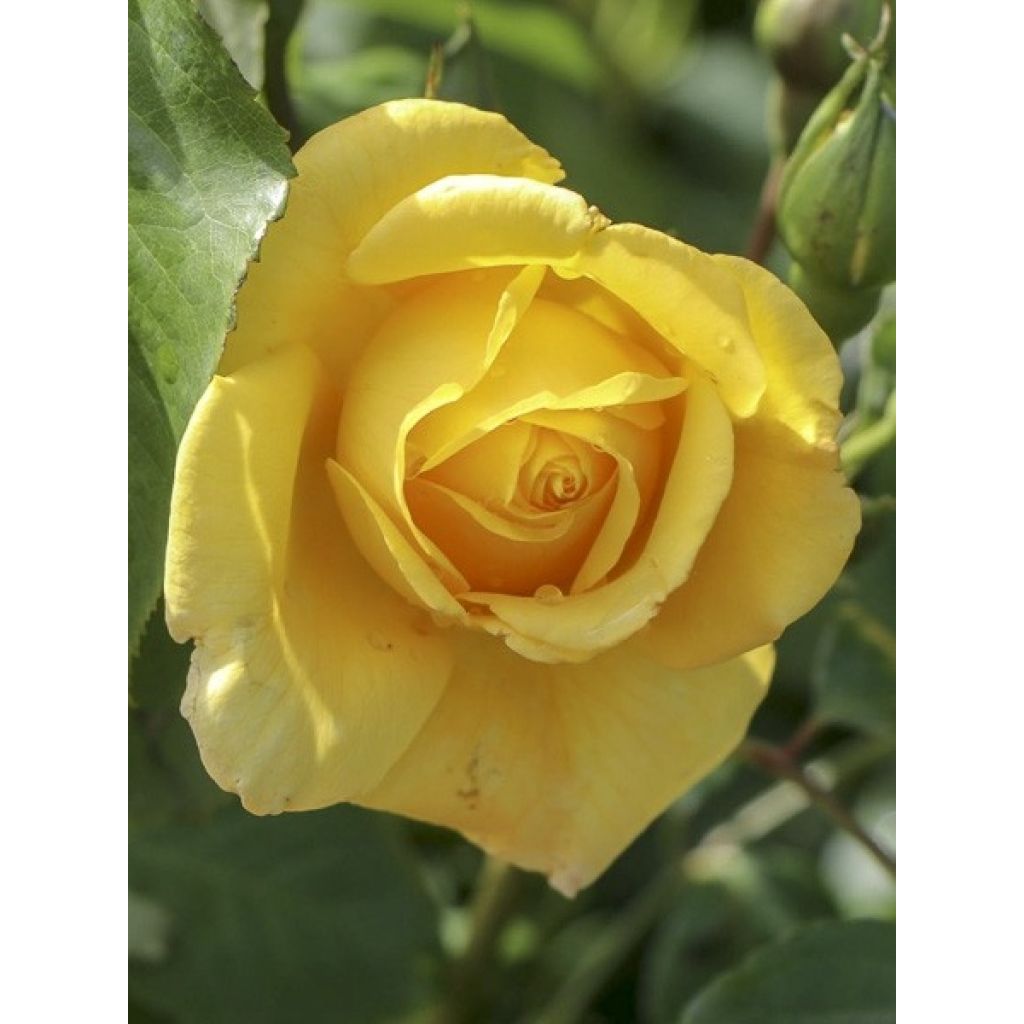
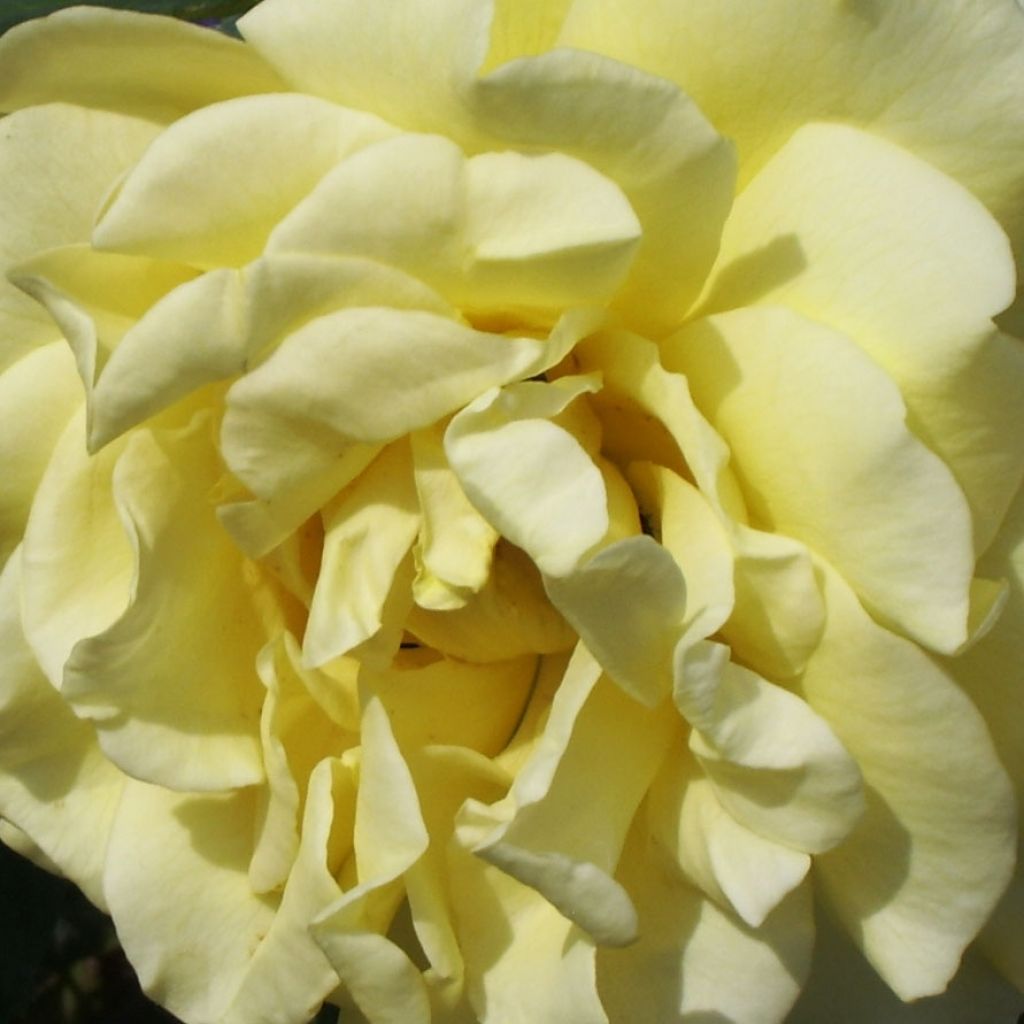
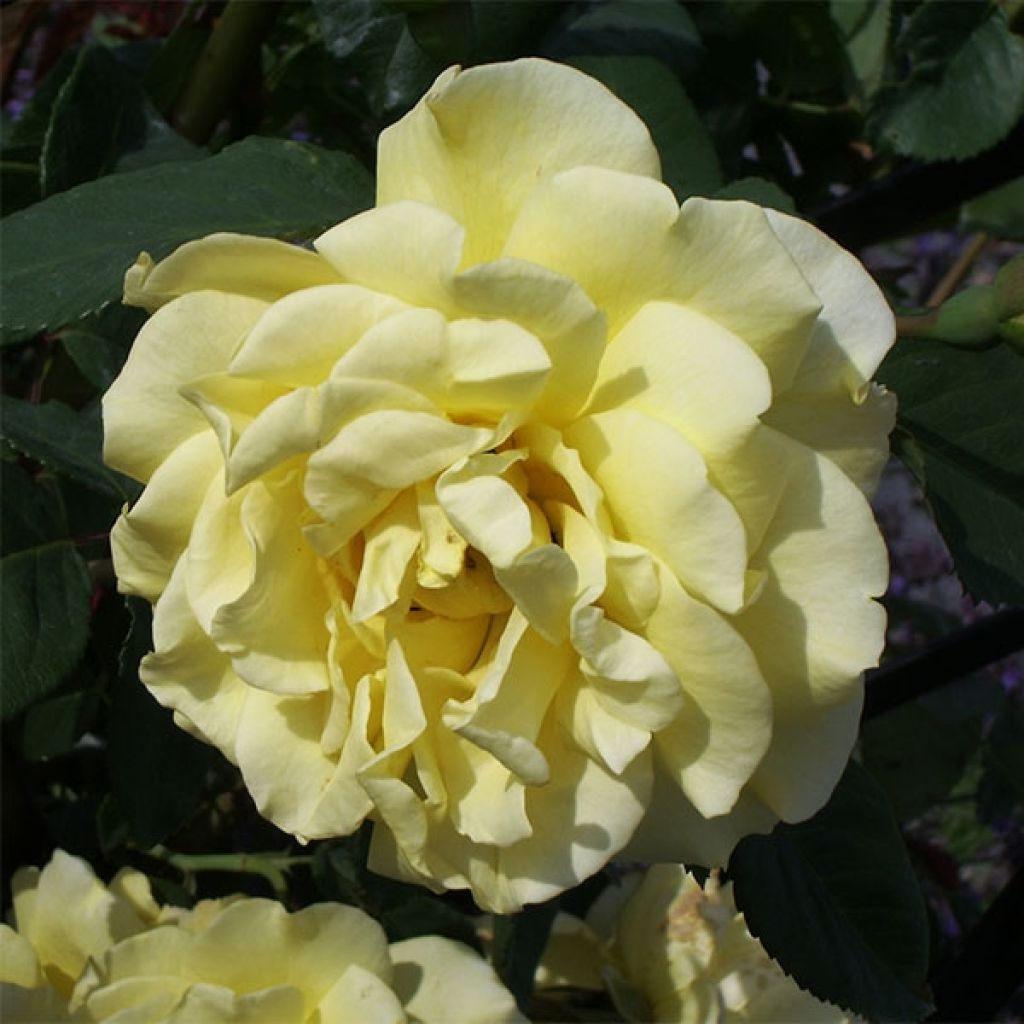
The Climbing Max 'Golden Gate' Rose is a superb variety that adds to the available choices in climbing roses. Forming a flowering pyramid from May to October in just a few years, it stands out for its very healthy foliage, vigorous growth, and excellent floribundity, which earned it the prestigious and demanding ADR label awarded in Germany to excellent varieties. Everything is in the nuance of its roses, which are fully double but have a light appearance, an elegant and warm golden yellow colour without being garish, and an astonishing fresh lemon scent. So many qualities combined in one plant are reasons enough to invite it into the garden without hesitation, as long as you like yellow flowers!
The Climbing Max 'Golden Gate' rose represents all the patient work and soulless selection of the Kordes house, renowned for its particularly hardy, floriferous, and disease-resistant creations. The Climbing Max® roses transform the garden into a fabulous floral parade. With their fantastic colours, these versatile climbers are at their best when most long stems are trained horizontally.
Horticulturally speaking, the 'Golden Gate' rose is part of the complex family of cluster-flowered roses. It was bred in 1995 and has also been awarded by the RHS in England, as well as in the Netherlands and Italy. It is a sarmentous rose with exceptional vigour. It has a flexible habit and thorny stems, often reaching heights of 3m (10ft) (sometimes 3.50m (11ft)) with a spread of 1m (3ft), depending on growing conditions. Its deciduous foliage, somewhat glaucous green, is exceptionally healthy and perfectly highlights the gradation of yellow in the flowers, which become a pure yellow shade as they age, slightly lighter. It blooms continuously from May to September, abundantly if it does not lack water. Its large roses, grouped in clusters of 5 to 10 double, slightly fluffy flowers, measuring 8-9 cm (3-4in) in width, are composed of 20 to 39 petals.
Their fragrance, complex, unusual, and captivating, has been described as follows: "the top note initially recalls lime and lemon zest, then freshly picked lemongrass. The heart note evokes an exotic aroma of green banana. Some specimens have a powerful fragrance of tropical flowers. It retains a note of ripe banana that completes its exceptional exotic character".
The Climbing Max roses deserve a wall exposed to the morning sun or a large enough structure to support their shower of flowers. They allow for sumptuous displays throughout the summer and require very little maintenance, except for regular watering in summer during periods of high heat and prolonged drought. Mix or combine them with easy-to-grow large-flowered clematis like 'Etoile Violette' or 'Broughton Star'. They are good companions for phlox, delphiniums, foxgloves, catmints, annual or perennial sweet peas, and morning glories.
Plant habit
Flowering
Foliage
Planting and care
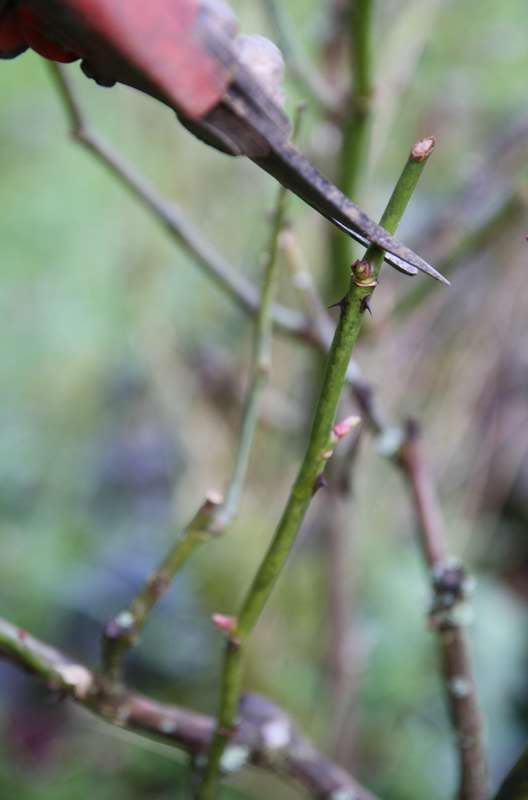
Plant the 'Golden Gate' rose from November to March in ordinary, well-prepared, and well-drained soil. Roses prefer clay soils that are rather heavy than light. In soil that is too sandy, compact, or dry in summer, it is preferable to incorporate compost or well-rotted manure at the bottom of the planting hole. However, this rose dreads waterlogged soils in winter. Place it in a sunny location or, at most, in partial shade. Roses are greedy plants so that a rose fertiliser will be beneficial at the start of the growing season and regularly throughout the flowering period. To encourage reblooming, regularly remove faded flowers. Floribunda rose varieties are more vigorous and more floriferous than large-flowered rose varieties. Therefore, trim the stems to about one-quarter of their length (from 4 to 6 eyes from the base of the stem) at the end of winter. Always prune above an outward-facing bud so the bush can bush out, and the branches do not become entangled in the centre of the canopy.
Note: The Golden Gate should be pruned heavily every 5 years due to its exceptional vigour.
Planting period
Intended location
Care
Planting & care advice
-
-
-
-

-
-

-
-

This item has not been reviewed yet - be the first to leave a review about it.
Recently viewed products
Haven't found what you were looking for?
Hardiness is the lowest winter temperature a plant can endure without suffering serious damage or even dying. However, hardiness is affected by location (a sheltered area, such as a patio), protection (winter cover) and soil type (hardiness is improved by well-drained soil).
In temperate climates, pruning of spring-flowering shrubs (forsythia, spireas, etc.) should be done just after flowering.
Pruning of summer-flowering shrubs (Indian Lilac, Perovskia, etc.) can be done in winter or spring.
In cold regions as well as with frost-sensitive plants, avoid pruning too early when severe frosts may still occur.
The harvesting period indicated on our website applies to countries and regions in USDA zone 8 (France, England, Ireland, the Netherlands).
In colder areas (Scandinavia, Poland, Austria...) fruit and vegetable harvests are likely to be delayed by 3-4 weeks.
In warmer areas (Italy, Spain, Greece, etc.), harvesting will probably take place earlier, depending on weather conditions.
The sowing periods indicated on our website apply to countries and regions within USDA Zone 8 (France, UK, Ireland, Netherlands).
In colder areas (Scandinavia, Poland, Austria...), delay any outdoor sowing by 3-4 weeks, or sow under glass.
In warmer climes (Italy, Spain, Greece, etc.), bring outdoor sowing forward by a few weeks.
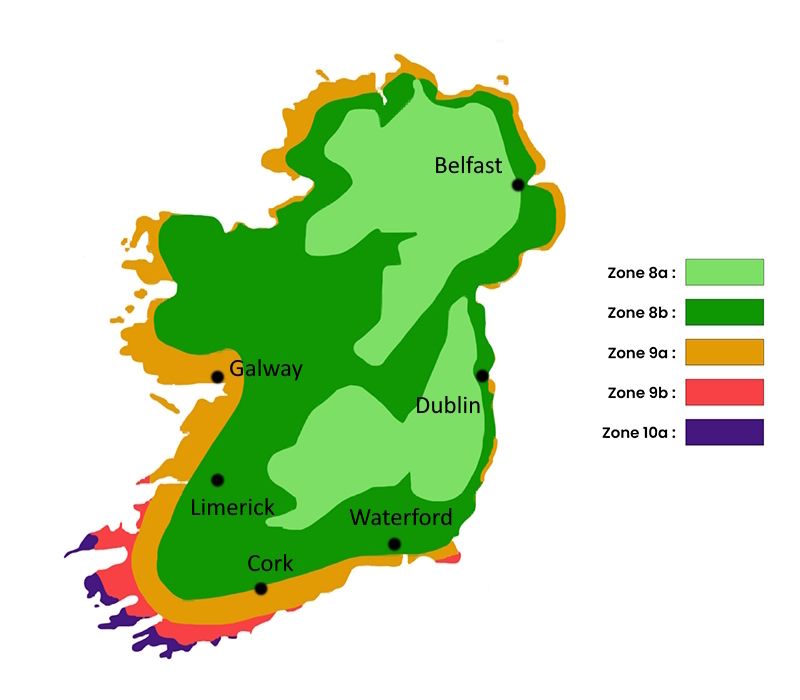
The planting period indicated on our website applies to regions in USDA Zone 9a (East Coast and Midlands: Dublin, Wexford, Waterford, Kilkenny, Portlaoise). It will vary depending on where you live:
- On the west coast and in the north-west (Galway, Limerick, Sligo, Donegal, Westport), delay planting by 1 to 2 weeks in spring and bring it forward by 1 to 2 weeks in autumn compared to the dates given, preferably choosing periods without strong winds.
- In the inland hills and plateaus (Wicklow Mountains, Macgillycuddy’s Reeks, Connemara, Killarney), it is best to plant in spring (April–May) or autumn (September–October), avoiding periods of waterlogged soil in winter and strong winds, which pose the main risk to newly planted trees in these areas.
The flowering period indicated on our website applies to regions in USDA Zone 9a, such as the East Coast and Midlands, including Dublin, Wexford, Waterford, Kilkenny and Portlaoise.
This will vary depending on where you live:
- On the west coast and in the northwest (Galway, Limerick, Sligo, Donegal and Westport), it will be delayed by one to two weeks compared to the given dates, due to stronger Atlantic winds and less spring sunshine.
- In the inland hills and plateaus (the Wicklow Mountains, the Macgillycuddy's Reeks, Connemara and Killarney), flowering will be delayed by two to three weeks. Flowering mainly occurs between May and July, with the limiting factors being less frost and more of the excessive humidity, strong winds and lack of sunshine that are characteristic of these areas.
Shipping country and language
Your country of residence may be:
Your country of residence is:
For a better user experience on our website, you can select:
Your shipping country:
-
 Austria
-
 Belgium
-
 Bosnia & Herzegovina
-
 Bulgaria
-
 Croatia
-
 Cyprus
-
 Czechia
-
 Denmark
-
 Estonia
-
 Finland
-
 France
-
 Germany
-
 Greece
-
 Hungary
-
 Iceland
-
 Ireland
-
 Italy
Italy
-
 Latvia
-
 Liechtenstein
-
 Lithuania
-
 Luxembourg
-
 Malta
Malta
-
 Netherlands
-
 Poland
-
 Portugal
-
 Romania
-
 Serbia
-
 Slovakia
-
 Slovenia
-
 Spain
Spain
-
 Sweden
-
 Switzerland
Language:
-
French
-
 English
-
Spanish
-
Italian
-
German
-
Portuguese
-
Dutch
-
Finnish
My Account
Hello
My wish lists
My cart
Log in / Register
Existing customer?
This form is protected by reCAPTCHA - the Google Privacy Policy and Terms of Service apply.
New customer?
Create an account to track your orders, access our customer service and, if you wish, make the most of our upcoming offers.