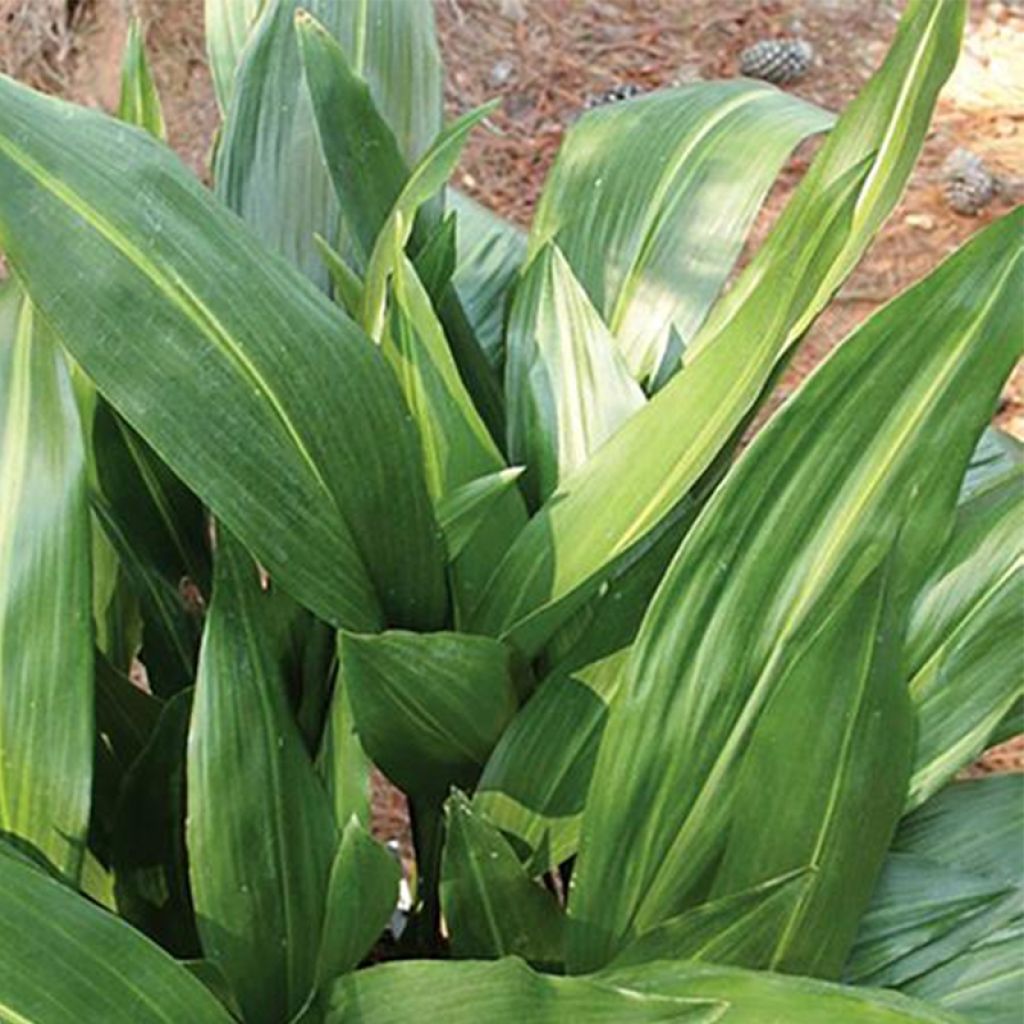
Aspidistra elatior Zebra - Cast-Iron Plant
Aspidistra elatior Zebra - Cast-Iron Plant
Aspidistra elatior Zebra
Cast-Iron Plant, Bar Room Plant
Received a young plant very quickly and in good condition. Only needs to be planted, I will wait for a suitable day to do so, it is still cold. It is waiting in my garage with the few ray florets of sunshine, without the extreme cold. Many thanks to Jenny, the packaging was great, and to all of you.
Gisele, 10/03/2022
Back-to-school special offer!
Get €10 off for every €50 you spend! And get up to €40 off on a single order.
How does it work?
1. Shop your favourites
Add your favourite plants to your basket. For every €50 you spend (excluding delivery charges, store credit and the plastic-free option), you’ll receive a €10 voucher.
€50 spent = €10 voucher
€100 spent = €20 voucher
€150 spent = €30 voucher
€200 spent = €40 voucher
2. Place your order
Once your basket reaches one of the spending thresholds, place your order. You can even choose your delivery date!
3. Receive your voucher
As soon as your order has been shipped, you’ll receive an email containing your personal voucher code and its value.
4. Use it on your next order
Your voucher is valid for 90 days from the date you receive it. It can be used once only, on a new order worth at least the value of the voucher, excluding delivery charges.
Please note: Vouchers can be combined with other offers, but cannot be split or refunded.
This plant carries a 12 months recovery warranty
More information
We guarantee the quality of our plants for a full growing cycle, and will replace at our expense any plant that fails to recover under normal climatic and planting conditions.

Does this plant fit my garden?
Set up your Plantfit profile →
Description
Aspidistra eliator 'Zebra' elegantly reinvents this green plant from the somewhat conventional interiors of the 1950s, where it vied for attention with Sanseveria, the other staple of former generations. This tall Aspidistra, with its silky and shiny leaves streaked with cream-white, makes for a very bright evergreen ground cover in partially shaded areas of the garden, especially under large trees that provide the leaf litter it thrives on. A rhizomatous perennial, Aspidistra spreads slowly but is highly resistant to cold and even drought once well established. It flowers, curiously enough, at ground level, hiding its fleshy brownish-purple flowers like treasure beneath its foliage. Place it at the base of trees, along pathways, in pots on the terrace or balcony, and let yourself be seduced.
Aspidistra eliator Zebra is a plant from the Convallariaceae family, along with lily of the valley and Liriope muscari, both known for their incredible robustness. Its ancestor is native to Taiwan and Japan, specifically the undergrowth of the Osumi Peninsula, from where it was widely introduced to China. It arrived in Great Britain in the 19th century, conquering Victorian interiors, and gradually made its way into French and European homes, where it proved to be resilient and highly adaptable, in fact with almost no requirements. This tall Aspidistra is capable of regrowing from the stump after experiencing temperatures as low as -12/-15 °C (10.4/5 °F) and tolerates dry shade very well as long as it receives some light.
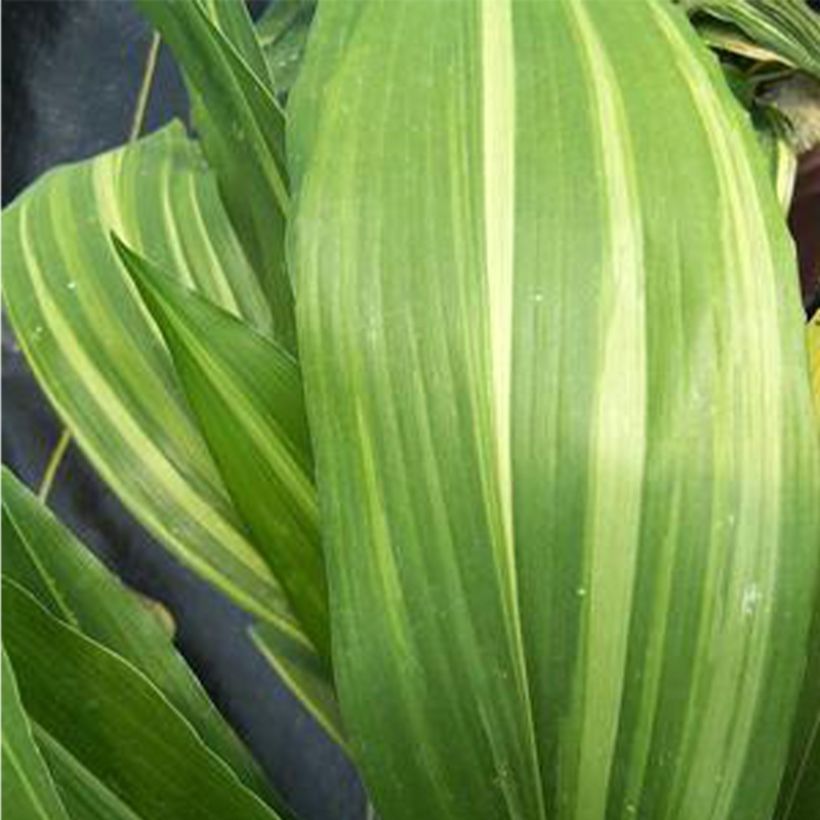
It is a rhizomatous herbaceous perennial plant, with almost non-existent stems. It forms a dense cluster of leaves, about 55 cm (22 in) in all directions, more or less depending on the soil's fertility, slowly spreading to form large colonies over time. Its growth is quite slow, and it never becomes invasive. Its leaves persist throughout winter. They are lanceolate and leathery, pointed at the tip, measuring 30 to 50 cm (12 to 20 in) in length and approximately 8 to 10 cm (3 to 4 in) in width. They are covered in silky hairs, light green when young and becoming dark green in summer. To see the cream-white stripes on the lamina, it may be necessary to wait at least two to three years for the plant to mature. Flowering takes place in early summer, on mature plants, at the base of leaf tufts. The flowers emerge from ovoid violet buds. They open into fleshy cups with 8 tapered lobes. The exterior is cream-white speckled with brown-violet, while the interior displays a very dark brown-violet to purple colour. The flowering is followed by the formation of small spherical dark berries.
More typically found at florists than in nursery aisles, Aspidistra eliator is actually an extremely robust perennial plant whose qualities are being rediscovered, but this time in the garden. Much more decorative than the usual species, the 'Zebra' cultivar deserves better than dark corridors and dusty corners. It is a bright, versatile, and remarkable plant in dry and shaded areas of the garden. Its great resistance to these difficult conditions allows it to be used in many situations: in light woodland, at the base of trees, as an edging to highlight the design of a pathway, in rock gardens alongside heathers, for example, or in Japanese-style gardens. It can accompany hostas, ferns, geranium phaeum, Epimedium, or ground ivy (Glechoma hederacea), for example. It is a plant that grows very well in pots, on a windowsill or a partially shaded balcony. It is so accommodating that it forgives neglectful watering and thrives in gardens without gardeners or in weekend gardens.
Report an error about the product description
Aspidistra elatior Zebra - Cast-Iron Plant in pictures
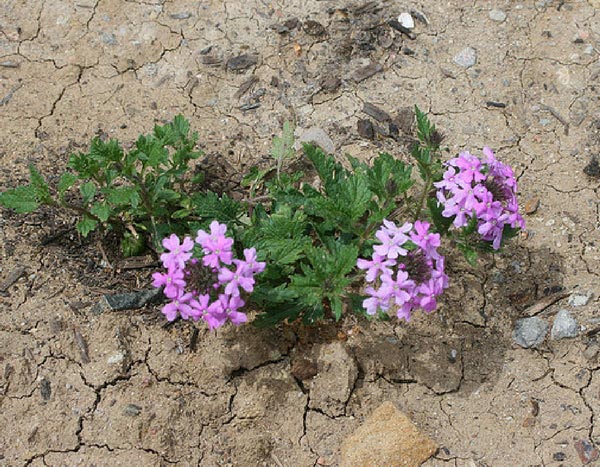
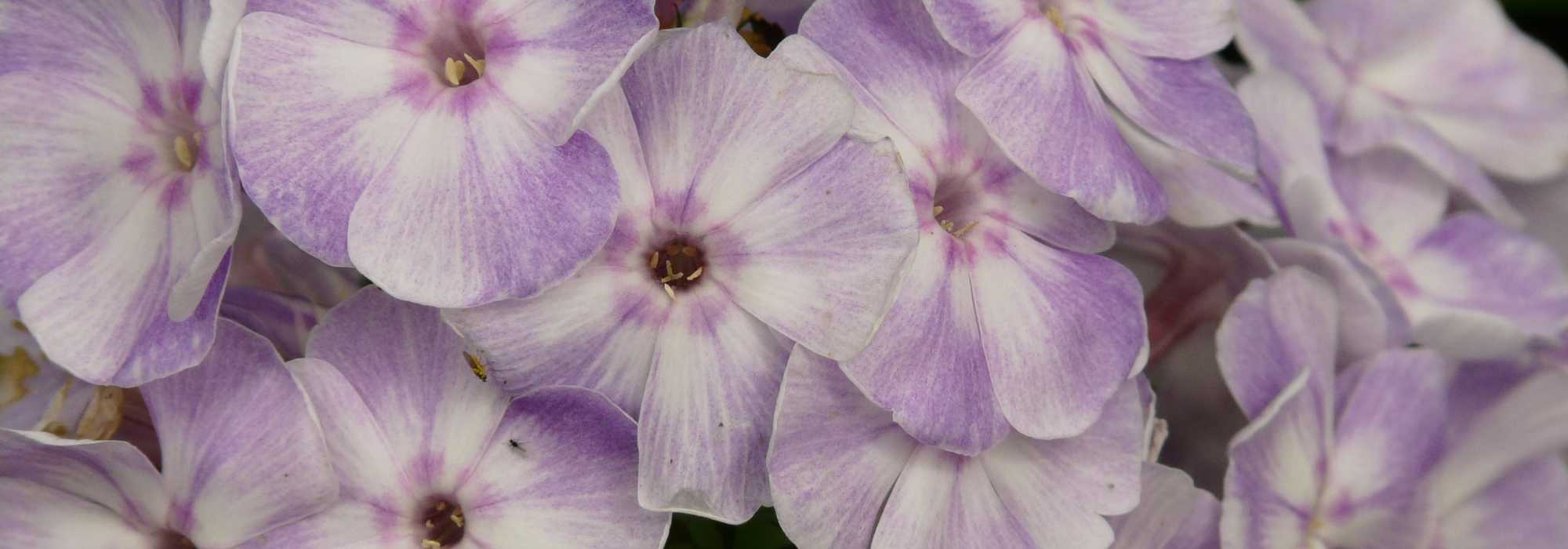
Flowering
Foliage
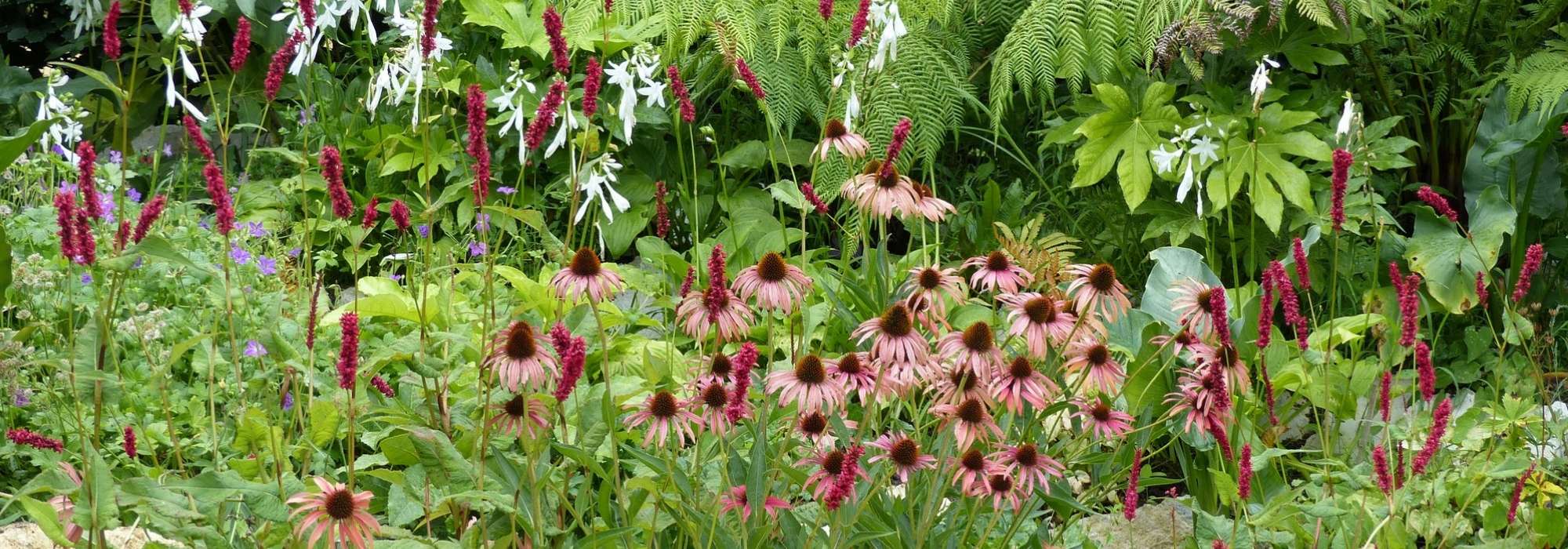
Plant habit
Botanical data
Aspidistra
elatior
Zebra
Convallariaceae
Cast-Iron Plant, Bar Room Plant
Aspidistra elatior 'Akebono'
East Asia
Planting and care
Plant Aspidistra eliator Zebra in spring or autumn, in a well-drained, light, not too chalky soil (ideally slightly acidic like acid compost), in shade, without direct sunlight. Its roots suffer from stagnant moisture in winter, so it will be necessary to ensure good drainage in heavy and clayey soil. When planted under large trees, it benefits from natural drainage due to their roots absorbing water. This perennial also appreciates the layer of compost that naturally forms at the base of deciduous trees if the leaves are left to decompose naturally. In early spring, remove damaged leaves before annual regrowth. This plant requires no special maintenance and can go without watering once established. The foliage disappears below -5 °C (23 °F), but the plant regrows from the stump in spring after short freezes of around -12 to -15 °C (10.4 to 5 °F). This species of Aspidistra is the hardiest of all.
Its enemies are gastropods (slugs, snails) in spring: make sure to protect it, especially in the first years. Excess moisture can lead to the development of fungi that cause brown spots on the leaves. To help it establish itself, carefully weed around the young plants in the first years.
Cultivation in pots: in good horticultural compost, with a drainage layer at the bottom of the pot to help water flow. This Aspidistra can also be grown indoors, in a bright room, but without direct sunlight that can scorch the foliage. Water regularly, but not excessively, allowing the surface of the compost to dry between waterings. Occasionally apply a universal fertiliser, every 15 days during the growth period, but not in winter. The roots should not stagnate in the water in the saucer placed under the pot.
The leaves gather dust and can be washed or wiped but only with clear water: bear in mind that dust does not harm the plants; it only affects their aesthetic appeal.
Repotting every 2-3 years in spring is sufficient. Take this opportunity to divide your Aspidistra, taking pieces of rootstock with at least 2 leaves. The young plants should only receive fertiliser after a few months of growth, in the following spring, when vegetation resumes.
Planting period
Intended location
Care
Planting & care advice
-
-
-
-
-

-
-
-
-
, onOrder confirmed
Reply from on Promesse de fleurs
Recently viewed products
Haven't found what you were looking for?
Hardiness is the lowest winter temperature a plant can endure without suffering serious damage or even dying. However, hardiness is affected by location (a sheltered area, such as a patio), protection (winter cover) and soil type (hardiness is improved by well-drained soil).
In temperate climates, pruning of spring-flowering shrubs (forsythia, spireas, etc.) should be done just after flowering.
Pruning of summer-flowering shrubs (Indian Lilac, Perovskia, etc.) can be done in winter or spring.
In cold regions as well as with frost-sensitive plants, avoid pruning too early when severe frosts may still occur.
The harvesting period indicated on our website applies to countries and regions in USDA zone 8 (France, England, Ireland, the Netherlands).
In colder areas (Scandinavia, Poland, Austria...) fruit and vegetable harvests are likely to be delayed by 3-4 weeks.
In warmer areas (Italy, Spain, Greece, etc.), harvesting will probably take place earlier, depending on weather conditions.
The sowing periods indicated on our website apply to countries and regions within USDA Zone 8 (France, UK, Ireland, Netherlands).
In colder areas (Scandinavia, Poland, Austria...), delay any outdoor sowing by 3-4 weeks, or sow under glass.
In warmer climes (Italy, Spain, Greece, etc.), bring outdoor sowing forward by a few weeks.
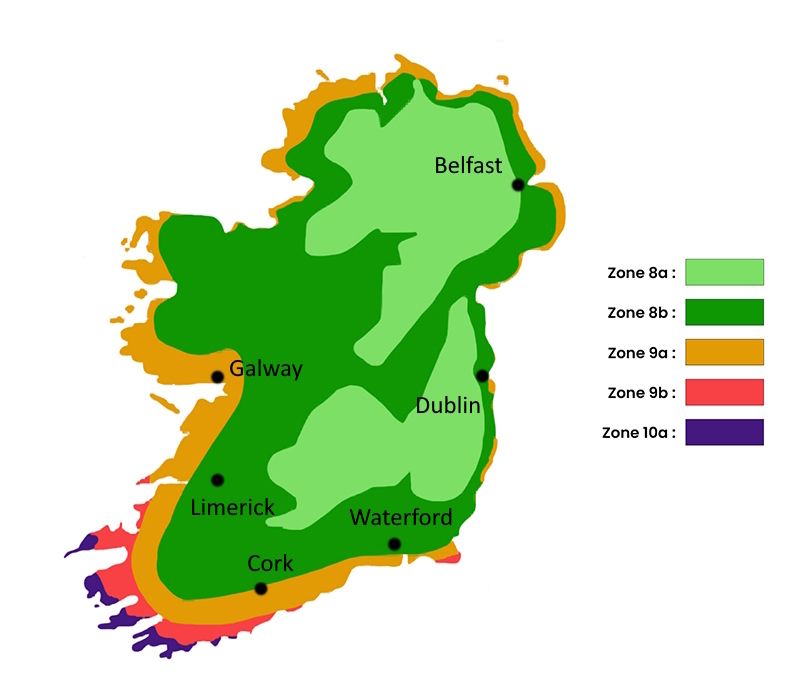
The planting period indicated on our website applies to regions in USDA Zone 9a (East Coast and Midlands: Dublin, Wexford, Waterford, Kilkenny, Portlaoise). It will vary depending on where you live:
- On the west coast and in the north-west (Galway, Limerick, Sligo, Donegal, Westport), delay planting by 1 to 2 weeks in spring and bring it forward by 1 to 2 weeks in autumn compared to the dates given, preferably choosing periods without strong winds.
- In the inland hills and plateaus (Wicklow Mountains, Macgillycuddy’s Reeks, Connemara, Killarney), it is best to plant in spring (April–May) or autumn (September–October), avoiding periods of waterlogged soil in winter and strong winds, which pose the main risk to newly planted trees in these areas.
The flowering period indicated on our website applies to regions in USDA Zone 9a, such as the East Coast and Midlands, including Dublin, Wexford, Waterford, Kilkenny and Portlaoise.
This will vary depending on where you live:
- On the west coast and in the northwest (Galway, Limerick, Sligo, Donegal and Westport), it will be delayed by one to two weeks compared to the given dates, due to stronger Atlantic winds and less spring sunshine.
- In the inland hills and plateaus (the Wicklow Mountains, the Macgillycuddy's Reeks, Connemara and Killarney), flowering will be delayed by two to three weeks. Flowering mainly occurs between May and July, with the limiting factors being less frost and more of the excessive humidity, strong winds and lack of sunshine that are characteristic of these areas.
Shipping country and language
Your country of residence may be:
Your country of residence is:
For a better user experience on our website, you can select:
Your shipping country:
-
 Austria
-
 Belgium
-
 Bosnia & Herzegovina
-
 Bulgaria
-
 Croatia
-
 Cyprus
-
 Czechia
-
 Denmark
-
 Estonia
-
 Finland
-
 France
-
 Germany
-
 Greece
-
 Hungary
-
 Iceland
-
 Ireland
-
 Italy
Italy
-
 Latvia
-
 Liechtenstein
-
 Lithuania
-
 Luxembourg
-
 Malta
Malta
-
 Netherlands
-
 Poland
-
 Portugal
-
 Romania
-
 Serbia
-
 Slovakia
-
 Slovenia
-
 Spain
Spain
-
 Sweden
-
 Switzerland
Language:
-
French
-
 English
-
Spanish
-
Italian
-
German
-
Portuguese
-
Dutch
-
Finnish
My Account
Hello
My wish lists
My cart
Log in / Register
Existing customer?
This form is protected by reCAPTCHA - the Google Privacy Policy and Terms of Service apply.
New customer?
Create an account to track your orders, access our customer service and, if you wish, make the most of our upcoming offers.