Agave fourcroydes
Agave fourcroydes
Agave fourcroydes
Agave fourcroydes
Agave fourcroydes
Agave fourcroydes
Back-to-school special offer!
Get €10 off for every €50 you spend! And get up to €40 off on a single order.
How does it work?
1. Shop your favourites
Add your favourite plants to your basket. For every €50 you spend (excluding delivery charges, store credit and the plastic-free option), you’ll receive a €10 voucher.
€50 spent = €10 voucher
€100 spent = €20 voucher
€150 spent = €30 voucher
€200 spent = €40 voucher
2. Place your order
Once your basket reaches one of the spending thresholds, place your order. You can even choose your delivery date!
3. Receive your voucher
As soon as your order has been shipped, you’ll receive an email containing your personal voucher code and its value.
4. Use it on your next order
Your voucher is valid for 90 days from the date you receive it. It can be used once only, on a new order worth at least the value of the voucher, excluding delivery charges.
Please note: Vouchers can be combined with other offers, but cannot be split or refunded.
Home or relay delivery (depending on size and destination)
Important: You may be charged customs duties by your country’s customs authorities upon delivery.
Schedule delivery date
and select date in basket
This plant carries a 12 months recovery warranty
More information
We guarantee the quality of our plants for a full growing cycle, and will replace at our expense any plant that fails to recover under normal climatic and planting conditions.
Does this plant fit my garden?
Set up your Plantfit profile →
Description
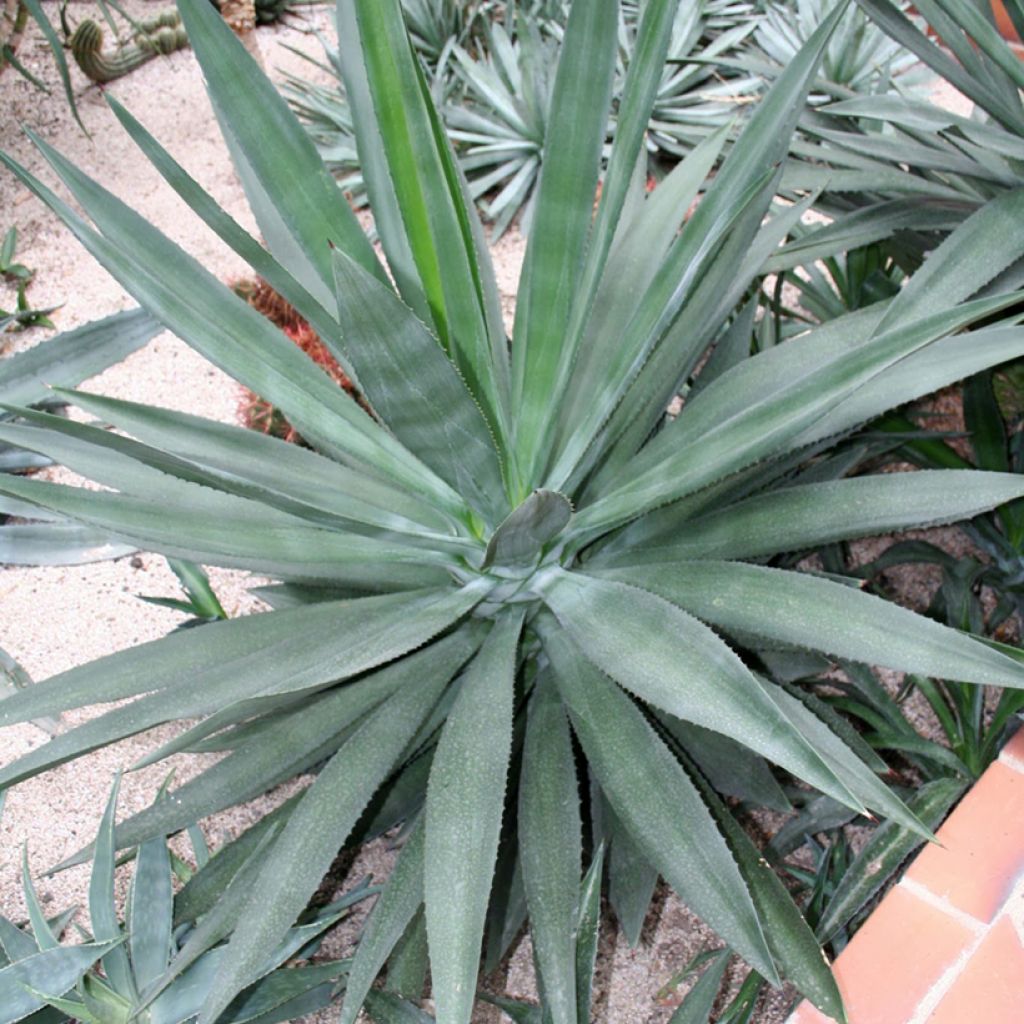
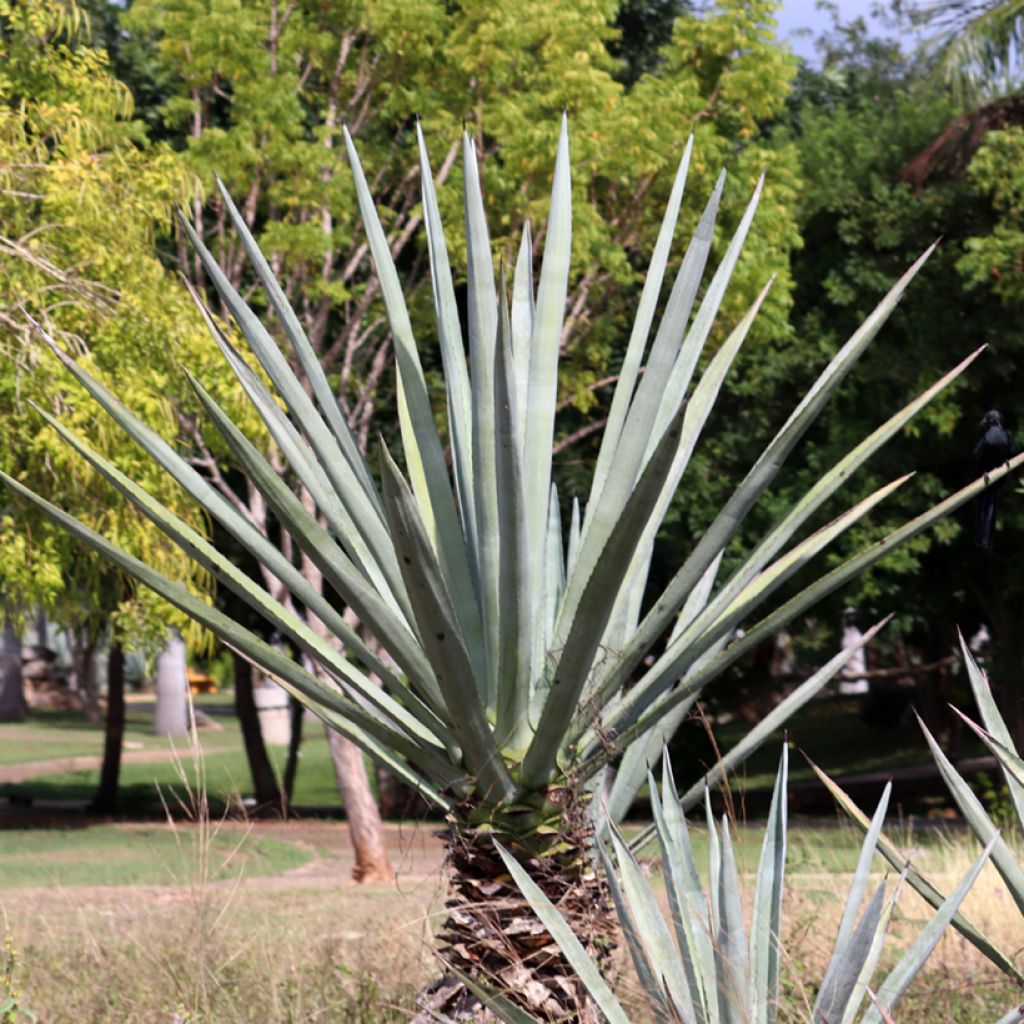
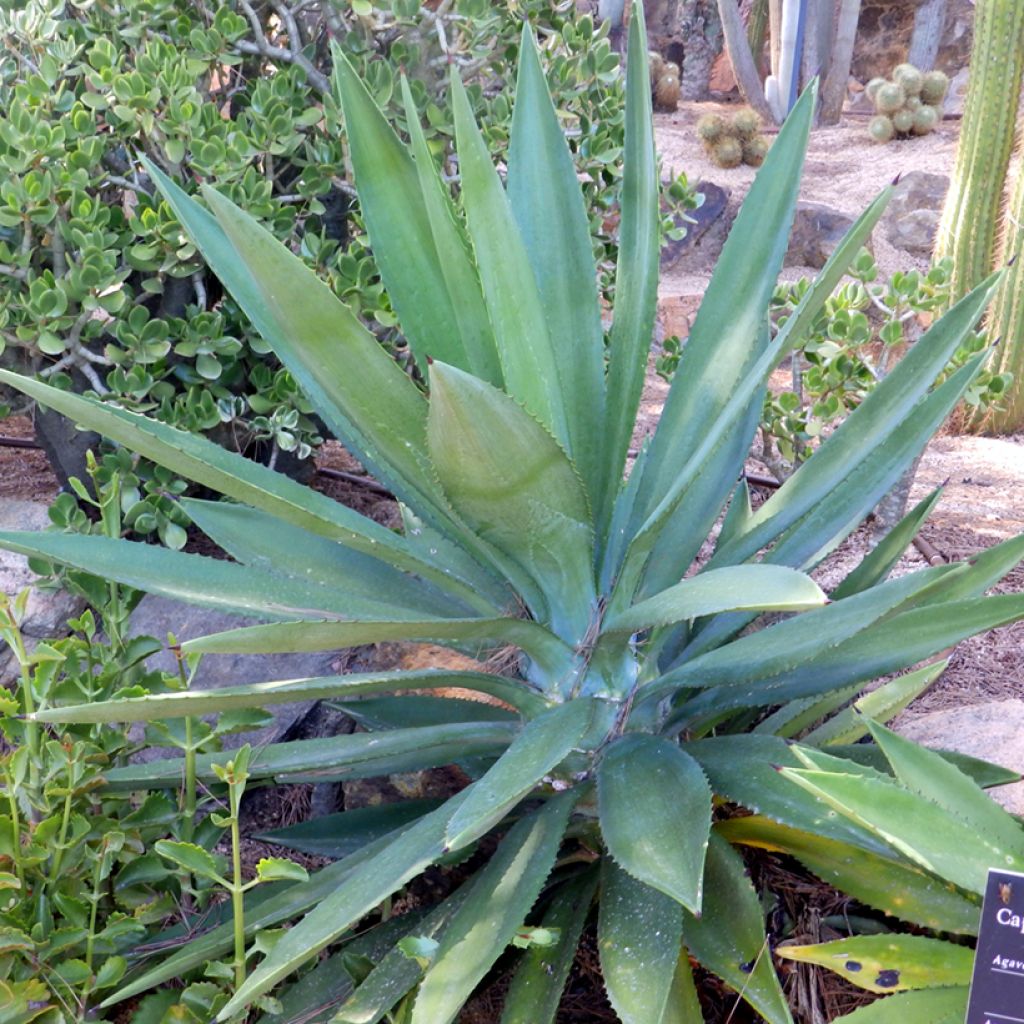
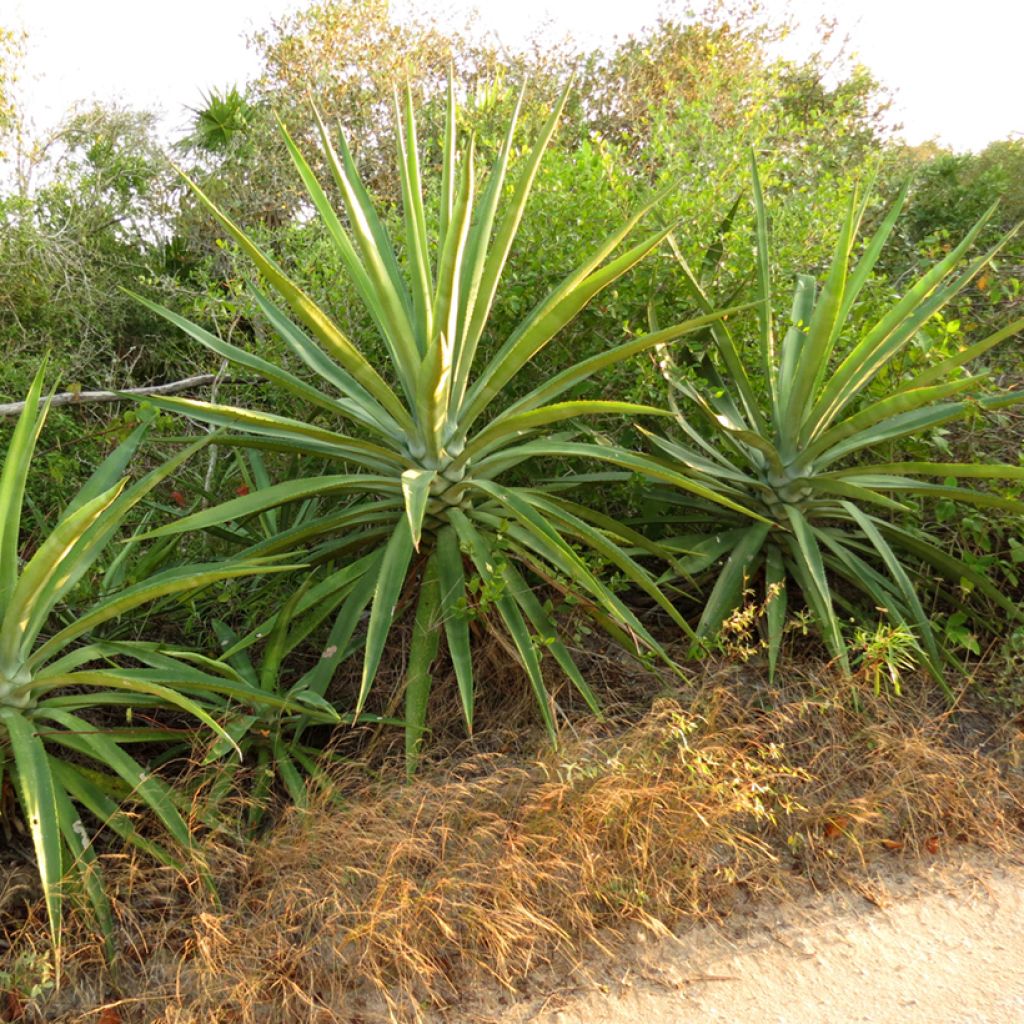
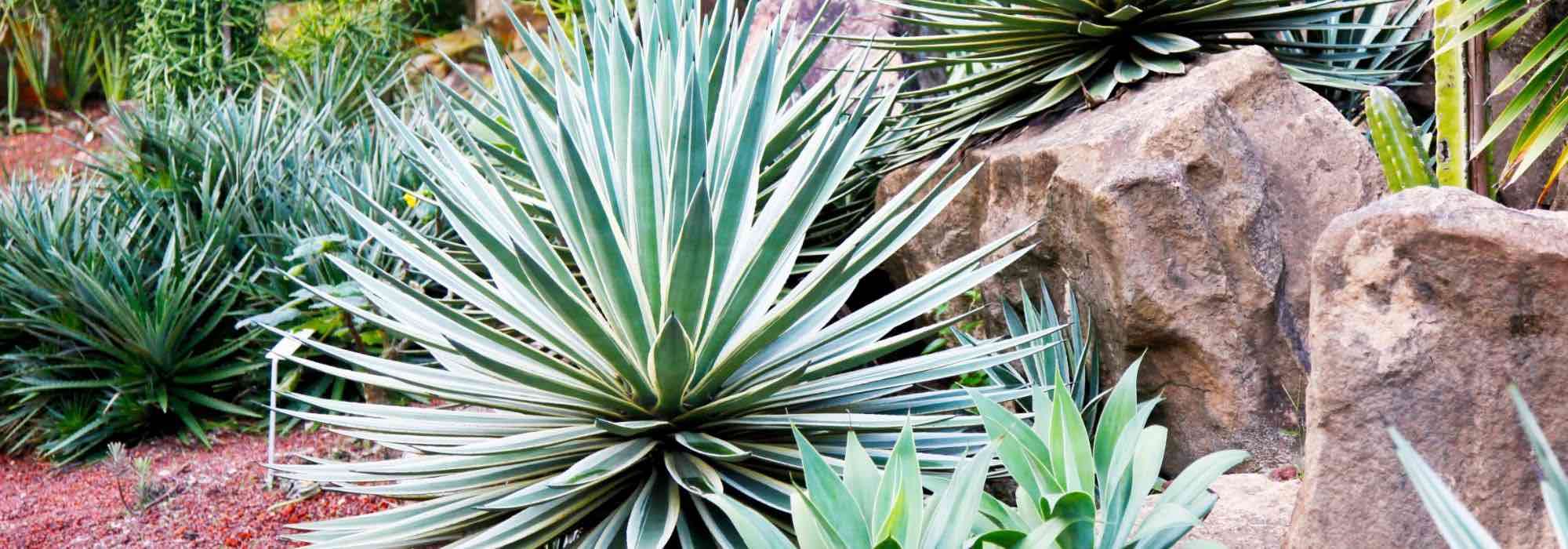
Agave fourcroydes, or henequen, is a monumental rosette-forming perennial native to Yucatán, Mexico. Very similar to Agave sisalana (Sisal), this stunning species has also been cultivated for centuries for its strong fibres, used in rope-making. Today, it is valued in xeriscaping for its lush silhouette and high drought tolerance. Its long, rigid, dark green to grey leaves, edged with small sharp thorns, make a striking landscape feature. Highly sensitive to cold, it is only grown in the ground in warm climates and in pots elsewhere.
Agave fourcroydes belongs to the Asparagaceae family (subfamily Agavoidae). In its native habitat, its majestic silhouette thrives in arid and semi-arid zones, on limestone, rocky, well-drained soils. It is now widely cultivated in other tropical and subtropical regions, including Cuba, Central America, Colombia, Venezuela, and some dry areas of Africa and Asia. This plant is well-adapted to dry, hot climates thanks to the water stored in its thick leaves. However, its cold tolerance is very limited: it cannot survive prolonged temperatures below -3°C to -4°C, especially in damp soil. Its root system is deep and robust, allowing it to draw water from deep underground and stabilise soils. This species forms a broad, symmetrical rosette, reaching 2.5 to 3 m in height and 2 to 3 m in diameter when grown in the ground, but no more than 1.5 m in pots. Its very rigid and thick, dark green to greyish leaves, can grow up to 2 m long and are edged with small thorns and a sharp tip. Unlike other agaves such as Agave americana, A. fourcroydes produces very few offsets, limiting its spontaneous spread. It mainly reproduces via bulblets, which appear after flowering. Its growth is relatively slow but faster than many other agaves. Under optimal conditions, the plant reaches maturity in 8 to 12 years. It is also highly resistant to strong winds, making it suitable for coastal and exposed areas.
Like many agaves, henequen flowers only once in its lifetime, typically after 15 to 20 years. It then produces a spectacular flowering spike, which can exceed 6 m in height, adorned with greenish-yellow flowers in branching clusters. After flowering, the plant dies, leaving behind bulblets to ensure its legacy.
In warm climates with minimal frost, Agave fourcroydes thrives in a large arid rockery, where its massive rosette becomes a focal point until its spectacular flowering. It pairs beautifully with yuccas and other architectural plants like Dasylirion or Nolina, all adapted to poor soils and prolonged droughts. In colder regions, it makes a striking feature in a large pot on a terrace, placed in full sun and sheltered from wind. In such cases, it should be overwintered in a greenhouse or conservatory.
Agave fourcroydes vs Agave sisalana: What are the differences?
Though similar, Agave fourcroydes (henequén) and Agave sisalana (sisal) have several notable distinctions. Agave fourcroydes is generally larger, with stiffer, thicker, darker leaves featuring small lateral thorns. In comparison, A. sisalana has more flexible, lighter (blue-green to grey) leaves with almost no thorns except at the tip. Additionally, A. fourcroydes grows more slowly, flowers later (around 15-20 years, versus 10-12 years for A. sisalana), and produces even fewer offsets, mainly propagating via bulblets. Finally, their fibres differ: those of A. fourcroydes are coarser and stiffer, ideal for ropes and nets, while those of A. sisalana are softer and finer, used in textiles and crafts.
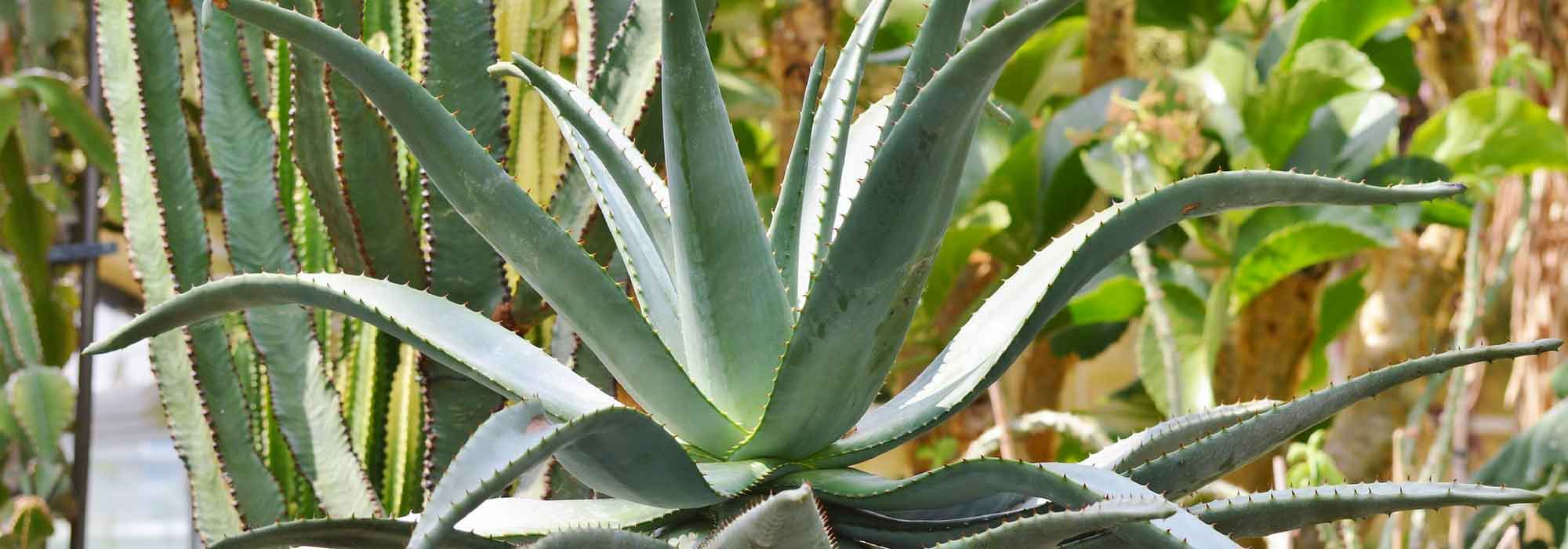
Agave fourcroydes in pictures
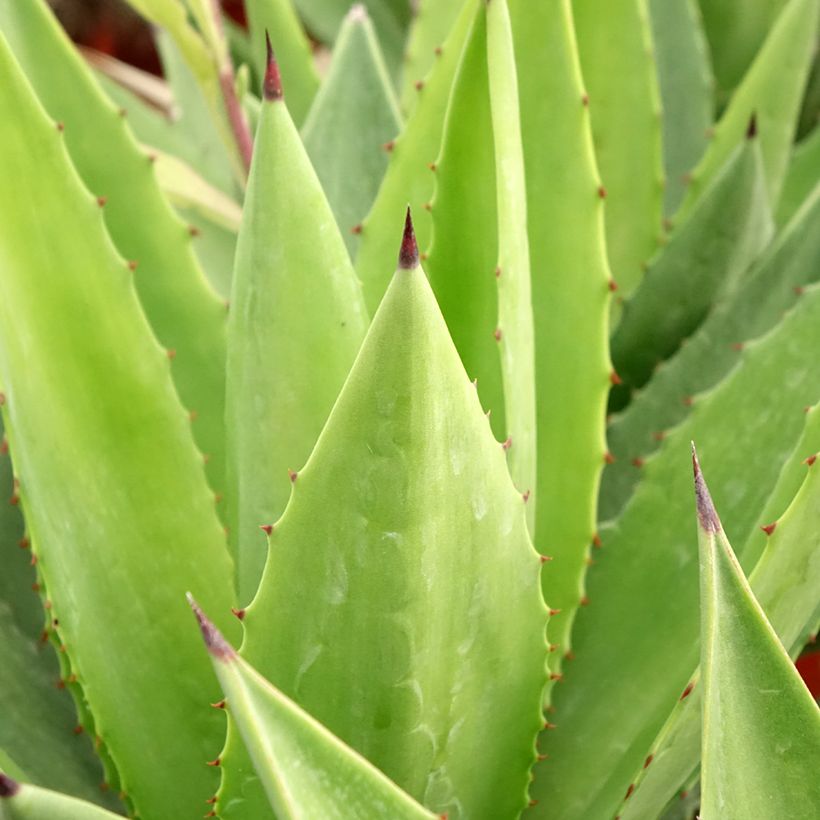
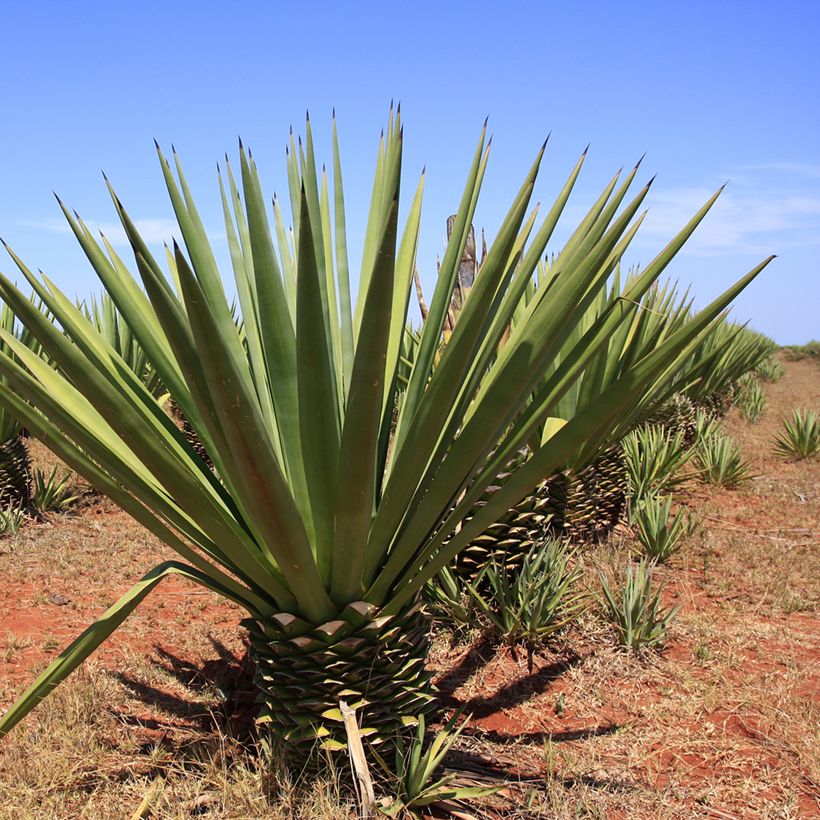
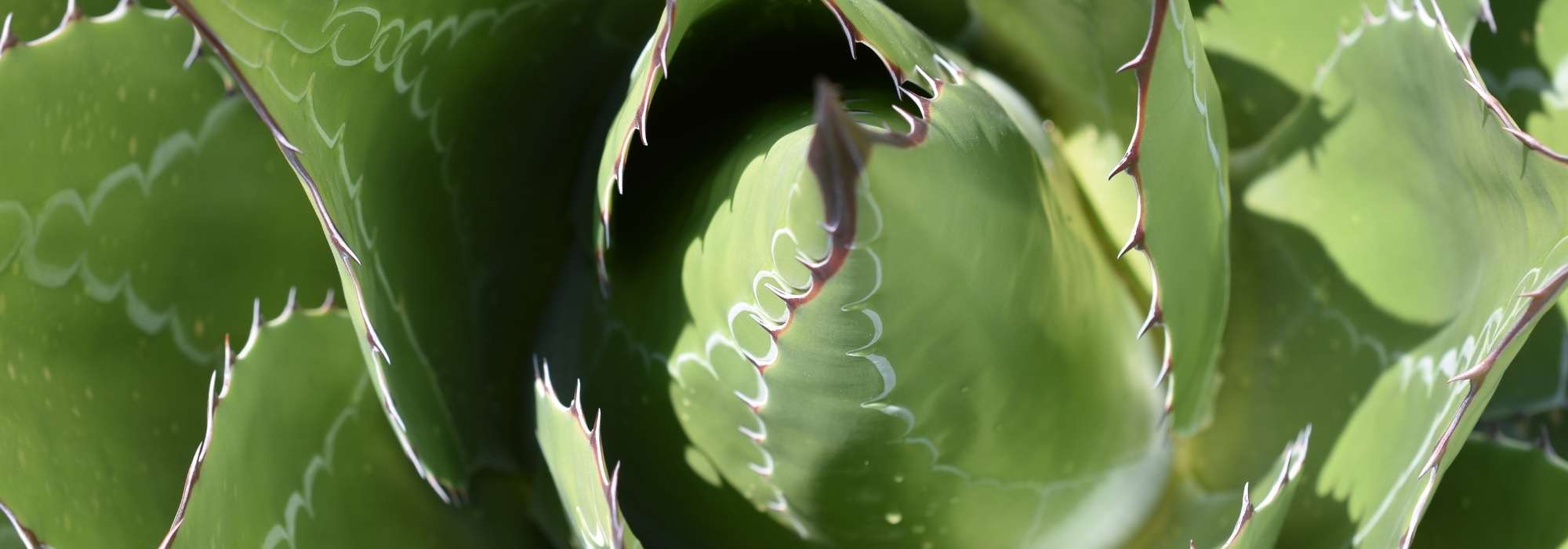
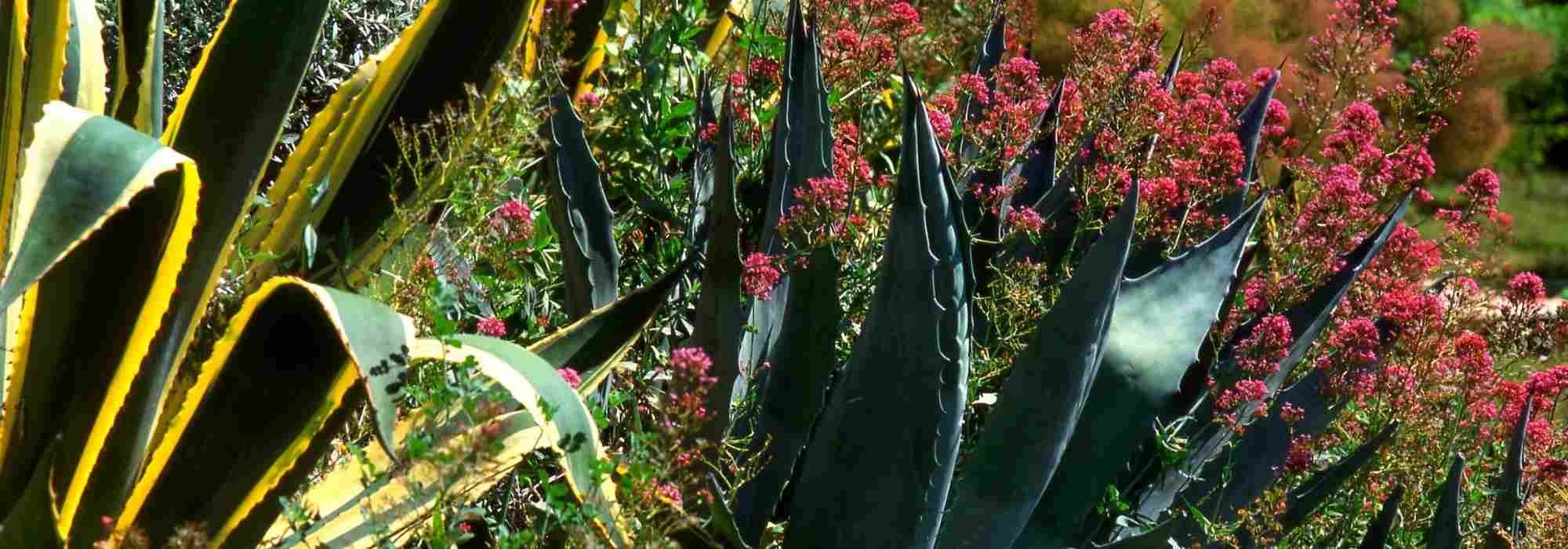
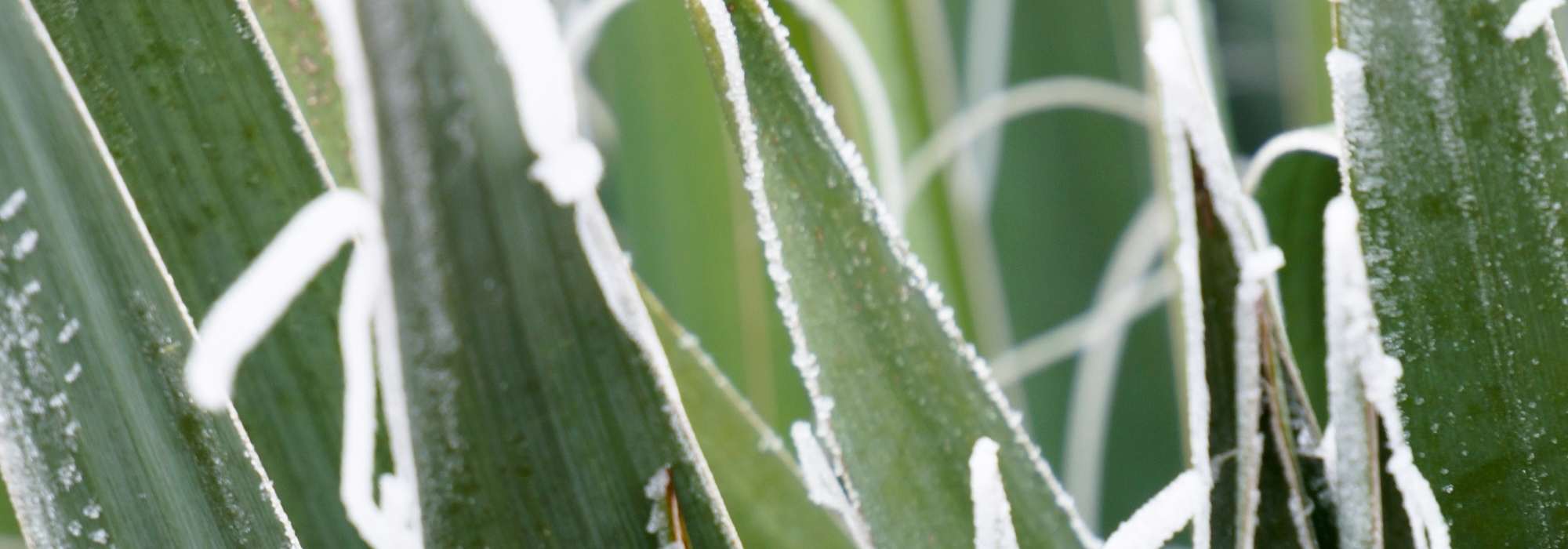
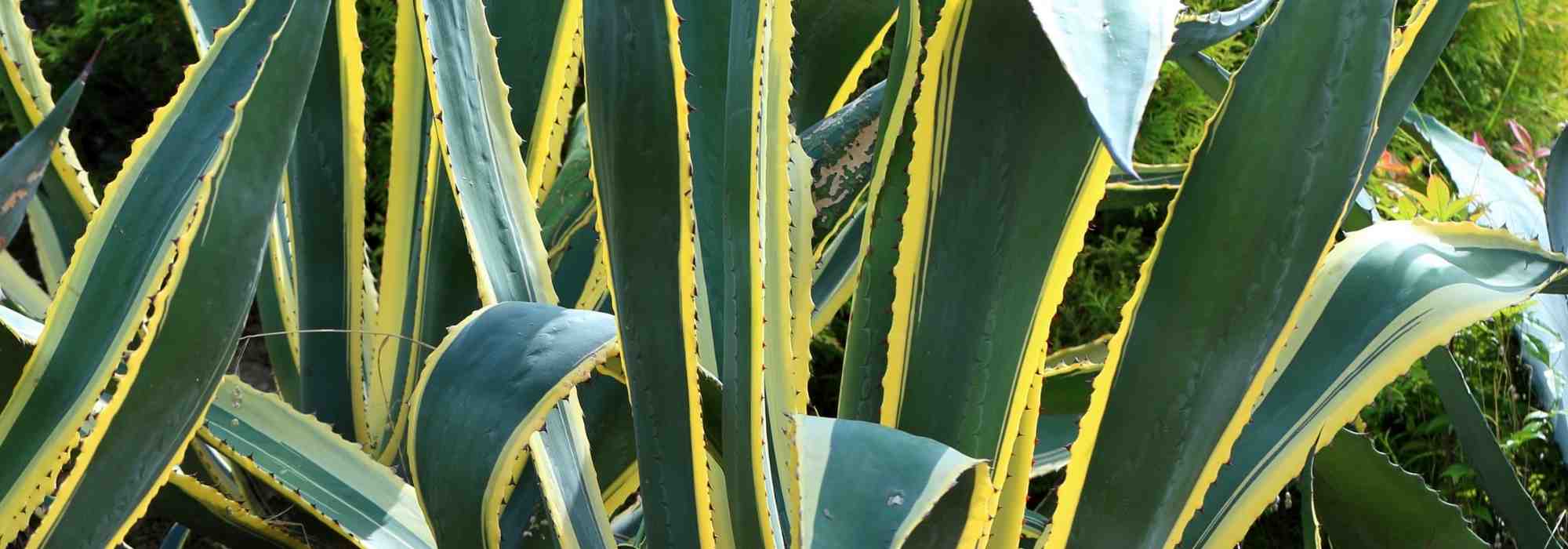
Flowering
Foliage
Plant habit
Botanical data
Agave
fourcroydes
Asparagaceae
Agave rigida var. elongata, Agave sullivanii, Agave fourcroydes var. espiculata
North America
Planting and care
Agave fourcroydes can only be grown in the ground in warm and dry regions, where winter temperatures do not consistently drop below -3°C to -4°C. It requires very well-draining, stony, sandy, or limestone soil and full sun. To avoid any risk of root rot, it is best to plant it on a mound or slope, promoting rapid water drainage. It tolerates drought very well and can go without watering, but occasional watering in summer can stimulate its growth. In winter, it should never be watered.
In regions with cold or wet winters, Agave fourcroydes is better suited to pot cultivation. A large container with a minimum diameter of 40 to 50 cm is recommended for good root development. It should be placed in full sun, on a well-exposed terrace or balcony. The substrate must be very well-draining, composed of a mix of cactus compost, coarse sand, and pumice. Water lightly in summer, allowing the substrate to dry out between waterings, and completely stop watering in winter. When temperatures drop below zero, it is essential to bring the pot indoors to a bright, frost-free location, ideally between 5 and 10°C.
Maintenance is minimal. No watering is needed in winter. A single application of cactus fertiliser in spring can help stimulate growth. Repotting is advised every 3 to 5 years, preferably in spring, to refresh the substrate and provide more space for the roots. When handling, it is a good idea to wear thick gloves, as its leaves are edged with small thorns and its sap can be irritating.
Planting period
Intended location
Care
Planting & care advice

This item has not been reviewed yet - be the first to leave a review about it.
Recently viewed products
Haven't found what you were looking for?
Hardiness is the lowest winter temperature a plant can endure without suffering serious damage or even dying. However, hardiness is affected by location (a sheltered area, such as a patio), protection (winter cover) and soil type (hardiness is improved by well-drained soil).
In temperate climates, pruning of spring-flowering shrubs (forsythia, spireas, etc.) should be done just after flowering.
Pruning of summer-flowering shrubs (Indian Lilac, Perovskia, etc.) can be done in winter or spring.
In cold regions as well as with frost-sensitive plants, avoid pruning too early when severe frosts may still occur.
The harvesting period indicated on our website applies to countries and regions in USDA zone 8 (France, England, Ireland, the Netherlands).
In colder areas (Scandinavia, Poland, Austria...) fruit and vegetable harvests are likely to be delayed by 3-4 weeks.
In warmer areas (Italy, Spain, Greece, etc.), harvesting will probably take place earlier, depending on weather conditions.
The sowing periods indicated on our website apply to countries and regions within USDA Zone 8 (France, UK, Ireland, Netherlands).
In colder areas (Scandinavia, Poland, Austria...), delay any outdoor sowing by 3-4 weeks, or sow under glass.
In warmer climes (Italy, Spain, Greece, etc.), bring outdoor sowing forward by a few weeks.
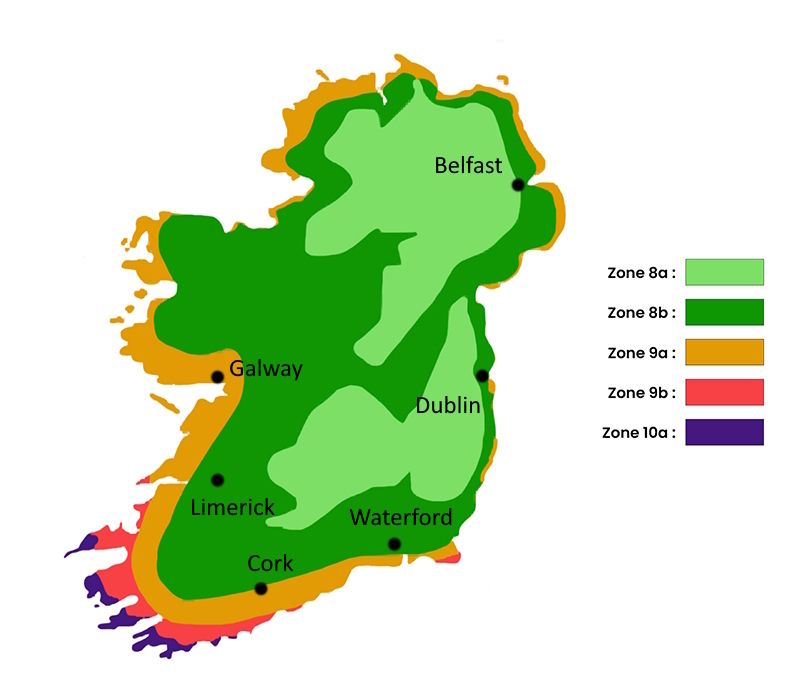
The planting period indicated on our website applies to regions in USDA Zone 9a (East Coast and Midlands: Dublin, Wexford, Waterford, Kilkenny, Portlaoise). It will vary depending on where you live:
- On the west coast and in the north-west (Galway, Limerick, Sligo, Donegal, Westport), delay planting by 1 to 2 weeks in spring and bring it forward by 1 to 2 weeks in autumn compared to the dates given, preferably choosing periods without strong winds.
- In the inland hills and plateaus (Wicklow Mountains, Macgillycuddy’s Reeks, Connemara, Killarney), it is best to plant in spring (April–May) or autumn (September–October), avoiding periods of waterlogged soil in winter and strong winds, which pose the main risk to newly planted trees in these areas.
The flowering period indicated on our website applies to regions in USDA Zone 9a, such as the East Coast and Midlands, including Dublin, Wexford, Waterford, Kilkenny and Portlaoise.
This will vary depending on where you live:
- On the west coast and in the northwest (Galway, Limerick, Sligo, Donegal and Westport), it will be delayed by one to two weeks compared to the given dates, due to stronger Atlantic winds and less spring sunshine.
- In the inland hills and plateaus (the Wicklow Mountains, the Macgillycuddy's Reeks, Connemara and Killarney), flowering will be delayed by two to three weeks. Flowering mainly occurs between May and July, with the limiting factors being less frost and more of the excessive humidity, strong winds and lack of sunshine that are characteristic of these areas.
Shipping country and language
Your country of residence may be:
Your country of residence is:
For a better user experience on our website, you can select:
Your shipping country:
-
 Austria
-
 Belgium
-
 Bosnia & Herzegovina
-
 Bulgaria
-
 Croatia
-
 Cyprus
-
 Czechia
-
 Denmark
-
 Estonia
-
 Finland
-
 France
-
 Germany
-
 Greece
-
 Hungary
-
 Iceland
-
 Ireland
-
 Italy
Italy
-
 Latvia
-
 Liechtenstein
-
 Lithuania
-
 Luxembourg
-
 Malta
Malta
-
 Netherlands
-
 Poland
-
 Portugal
-
 Romania
-
 Serbia
-
 Slovakia
-
 Slovenia
-
 Spain
Spain
-
 Sweden
-
 Switzerland
Language:
-
French
-
 English
-
Spanish
-
Italian
-
German
-
Portuguese
-
Dutch
-
Finnish
My Account
Hello
My wish lists
My cart
Log in / Register
Existing customer?
This form is protected by reCAPTCHA - the Google Privacy Policy and Terms of Service apply.
New customer?
Create an account to track your orders, access our customer service and, if you wish, make the most of our upcoming offers.