Diseases and pests of Cuphea: symptoms, treatments and prevention
Identify them to treat them effectively
Contents
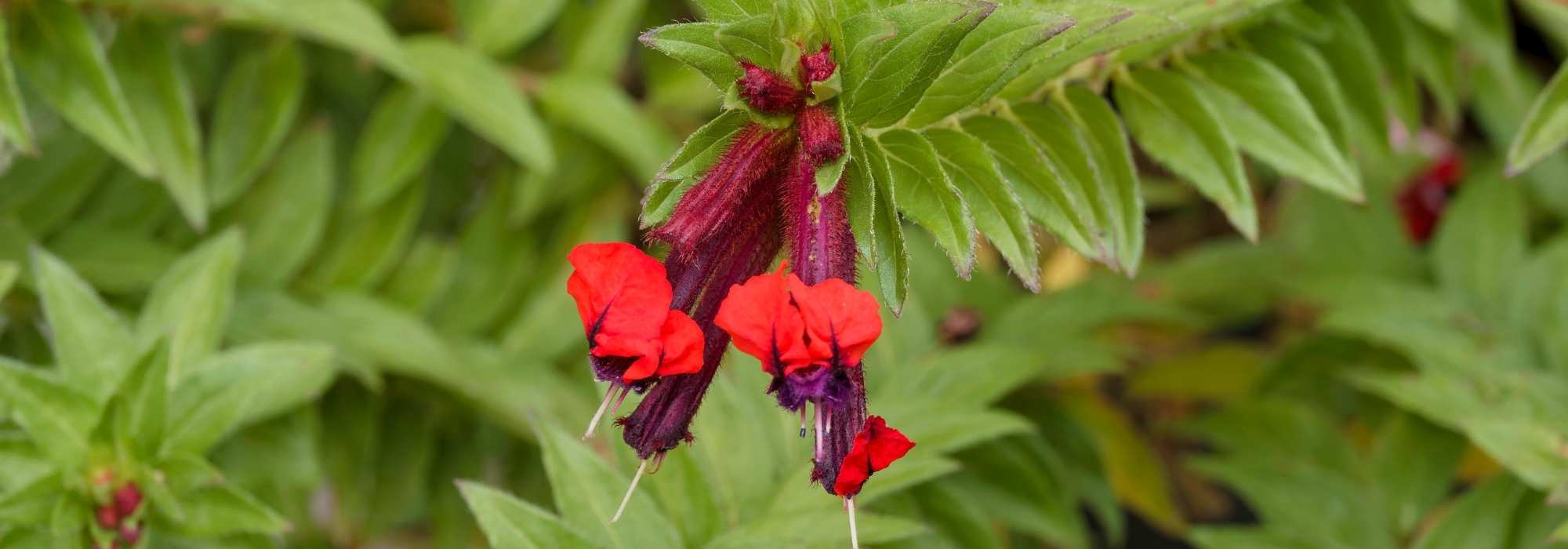
Cuphea originate in Latin America, from Mexico to Peru, yet remain still relatively little-known. There are more than 200 frost-tender species, generally used as annuals in our latitudes, decorating window boxes and terraces in summer, or as undershrubs, as with Cuphea ignea, cigar plant often grown in flowering pots here. Little prone to disease, they can, as always when growing conditions are not met, develop some. Discover them in this article devoted to them.

Diseases of Cuphea
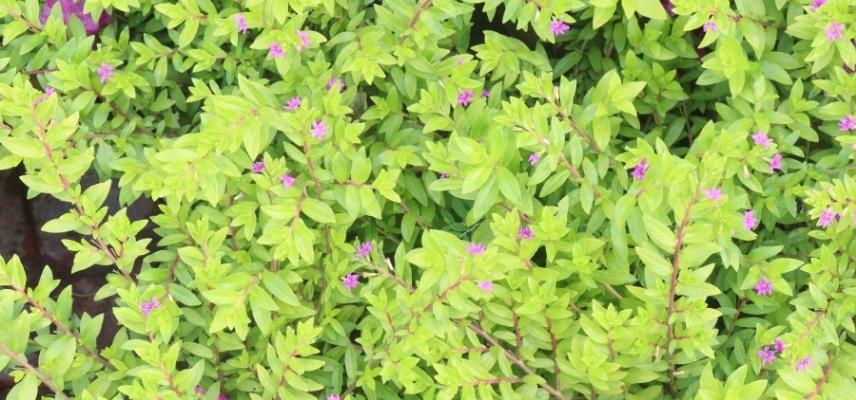
Three diseases commonly affect Cuphea :
Root rot
It often occurs with these long-flowering summer plants, which gardeners tend to pamper so they overflow with flowers! While Cuphea like fresh substrates, they must not be flooded. Excess moisture inevitably causes root rot in Cuphea. The culprit is Phytophthora.
Symptoms : leaves turn yellow and wilt, roots blackened or soft, and collar rot visible (part of stem at soil level).
Prevention : avoid overwatering, and use pots with drainage holes for container cultivation.
Solutions : stop watering and resume when substrate dries out in top 2 centimetres. Check that substrate of your planter or pot is well free-draining (with a mix of sand or small gravel). Finally, avoid stagnant water if you place them on a saucer (no longer much recommended since the spread of the Asian tiger mosquito in France).
Powdery mildew
Powdery mildew sets in when humidity and heat are combined. Cuphea can be affected, especially when grown in a greenhouse alongside other plants, or during stormy summers.
Symptoms : typical powdery white patches visible on leaves; sometimes they deform the foliage.
Prevention : good air circulation (ventilate greenhouse windows), avoid overhead watering, and favouring full sun is strongly recommended.
Solutions : sulphur-based fungicides or bicarbonate of soda help in case of infestation. Learn more about other possible solutions in our article: Powdery mildew or white disease.
Grey mould
Le botrytis appears when specific climatic conditions are met, namely high ambient humidity and a drop in temperatures in mid-summer, or a cool spell lasting several weeks.
Solutions : in that case, remove affected leaves (they have turned brown, or at worst necrotic), and ensure ventilation is maintained by avoiding grouping your Cuphea with other plants.
Frequent parasitic problems affecting Cuphea
Few insects or critters seem to take any interest in Cupheas. However, when grown under glass or kept on a balcony, you should beware of certain pests that can infest them. This is especially true of the following :
Gastropods
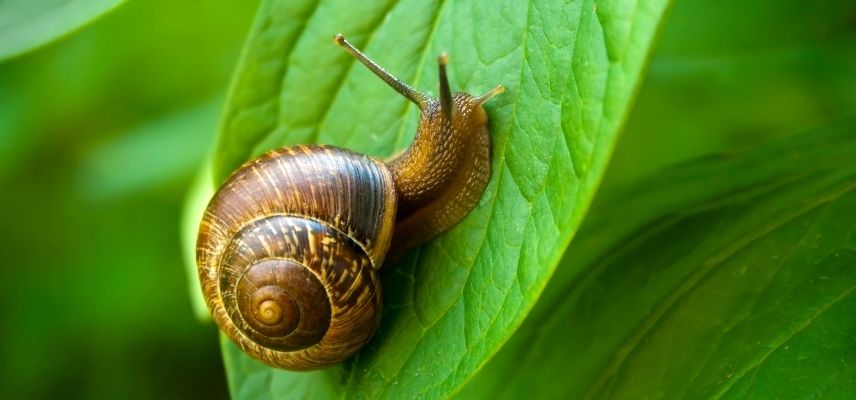
Excess moisture or uncontrolled watering, under glass or on a balcony, leaves the door open to the voracious appetite of snails and slugs. They love to devour leaves when they find a pocket of retained coolness beneath the fine foliage.
To counter them, several options are available, such as eggshells or pumice, which work very well, summarised in Slugs: 7 ways to fight effectively and naturally.
Whiteflies
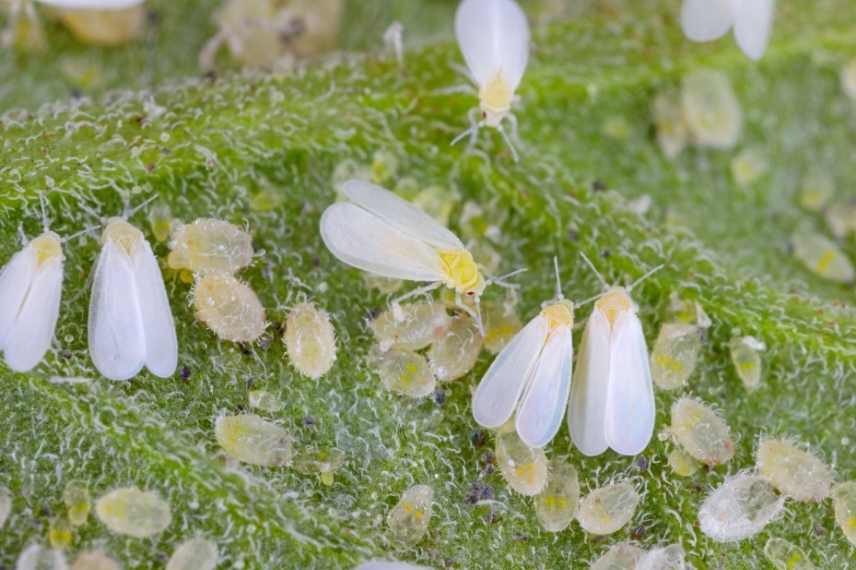
It is often the greenhouse whitefly (Trialeurodes vaporariorum) that is responsible for decline, when overwatering is not the cause.
Symptoms: clouds of small white insects take flight when the plant is shaken. Cuphea leaves become sticky with honeydew, attracting ants and promoting sooty mould.
You may also sometimes observe yellowing and an overall weakening of the plant.
Treatment: use neem oil, an insecticidal soap, or obtain sticky yellow traps.
Introducing natural predators such as ladybird larvae or lacewings should be considered if the infestation is substantial, or even better as a preventative measure.
Aphids
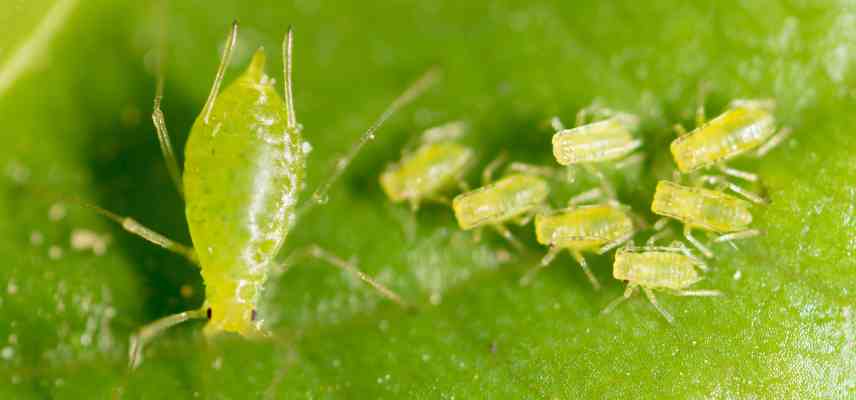
Rare, aphids can nevertheless be found under the fine leaves of Cupheas. Leaves become sticky, sometimes curled, with aphids depositing the honeydew they excrete. Aphids attacking Cupheas are generally light green (Aphis gossypii and Myzus persicae).
Cause: air too dry.
Solution: the usual aphid countermeasures apply. Black soap, a blast of water to wash them off. As with whiteflies, lacewing larvae are useful as a preventive measure if the problem becomes recurrent. See our article Aphid: identification and treatment.
Red spider mites
In overly dry air, they can also appear under Cuphea leaves. Red spider mites are easily recognised by their red colour and the presence of microscopic webs.
Symptoms: leaves yellow, fine webs visible under leaves.
Solution: increase local humidity around the plant to remedy this: a saucer filled with clay pebbles and a little water, and/or spray with rainwater to dislodge them.
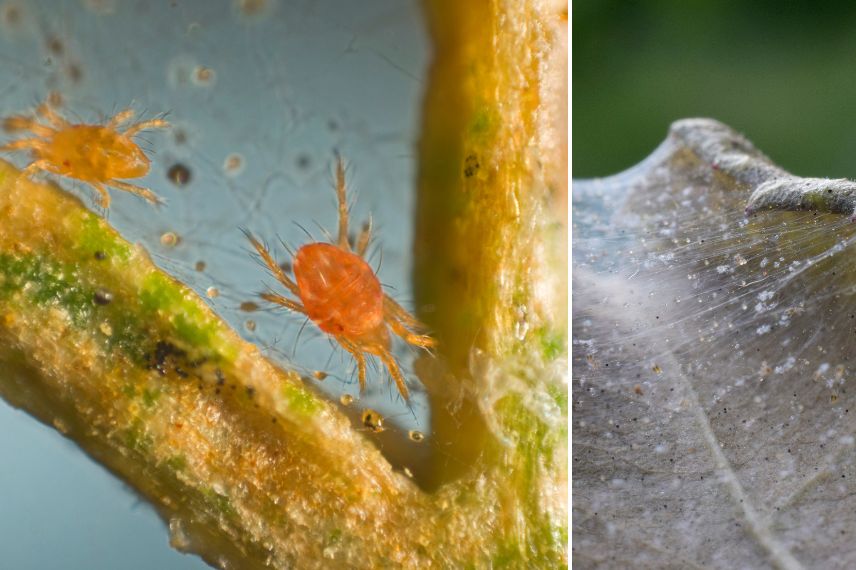
Red spider mites spin webs and suck sap from leaves
To summarise
Besides these pests and some common diseases, Cuphea may drop its leaves in response to drought. In that case, give it a thorough watering (see watering potted plants).
Conversely, when temperatures become too cool for this South American plant, bring pot inside to a warmer spot: indoors in a bright, cool position (10–15°C) before first frosts, or under frost-free shelter (greenhouse, conservatory) if temperatures remain above 5°C.
In general, and whatever the Cuphea species (C. ignea, C. micropetala, C. lanceolata, C. minianta, C. hyssopifolia), well-drained soil, careful watering without excess, and good ventilation greatly reduce any risk of diseases and pests in this easy-to-grow plant.
- Subscribe!
- Contents
This form is protected by reCAPTCHA - the Google Privacy Policy and Terms of Service apply.

































Comments