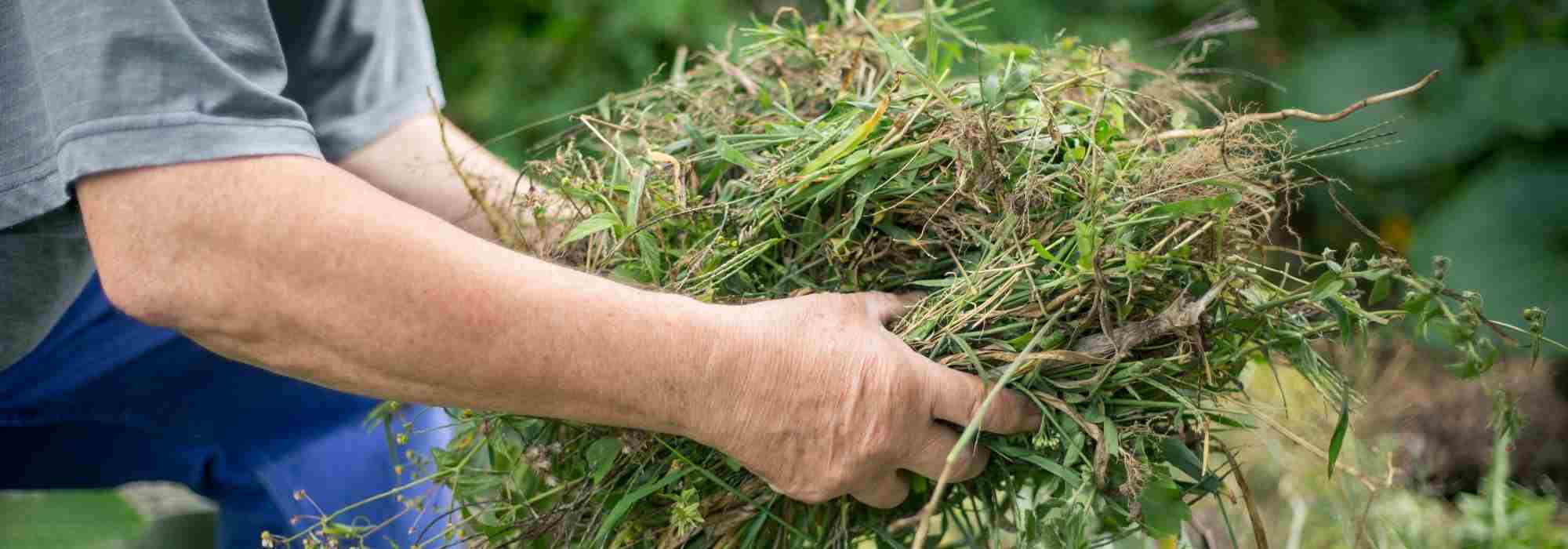
Can "weeds" be composted?
And if so, how do you do it?
Contents
A “weed” does not exist. Let us say that some gardeners do not appreciate certain plants in certain places (quite rightly!). In this case, we would rather speak of adventive plants. These adventive plants include wild plants that are useful in the garden (biodiversity, food and shelter for wildlife, bio-indicators…), as well as cultivated or uncultivated plants that have no business growing where they do in the vegetable garden or elsewhere (invasive, smothering or simply unattractive). How can you ensure that, once they have been ruthlessly pulled up and condemned without a trial, these adventive plants or “weeds” still contribute a little to the garden’s balance? By composting them, of course! Indeed, all this green waste is full of water, nutrients and minerals. It would be a shame to waste them, so we are going to recycle them.
→ Let us see how to compost adventive plants and the mistakes to avoid!

Some adventive plants can be composted rather than thrown away

What could be the problem with composting "weeds"?
If you add weeds that have gone to seed and the compost heap does not get hot enough, there is a strong chance that you will spread their seeds as soon as you use your compost. The seeds may even germinate directly in the compost.
Worse still, certain parts of plants can take root directly in the compost: bindweed roots, for example, or potato peelings, household waste that can sometimes turn a simple compost heap into a potato bed (although this can occasionally be useful…).
In other words, you cannot put everything on the compost heap without thinking. Especially if it is not sufficiently aerated or moist, or does not have a good carbon-to-nitrogen ratio. All this helps the compost to heat up properly, thereby destroying contaminants and adventive plant seeds.
→ Read all Ingrid’s advice for successful composting.
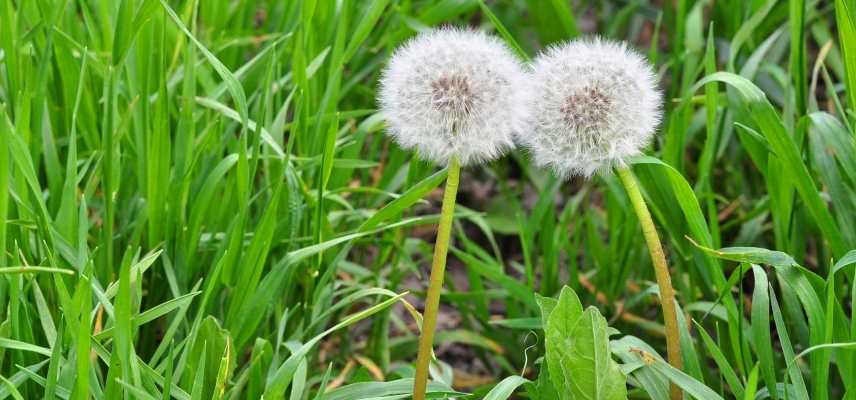
Beware of seeds spreading in your compost!
Read also
10 good reasons to let weeds growHow can you avoid these problems?
Fresh “weeds”, like all plants, are full of water and are therefore perfect for speeding up the warming of the compost bin. You just need to avoid 3 types of weeds in case the compost does not reach the temperature needed to prevent problems. Therefore:
- Let us avoid, if possible, plants that have set seed, although you can cut back the flower stalks;
- Let us avoid plants whose roots, stems or other parts can quickly form roots and consequently invade the compost bin: nettle roots, bindweed, potato, periwinkle, cleavers…;
- Let us avoid diseased plants.
However, dry “weeds” should not be forgotten. This is especially important in the case of plants that can root in a compost heap. If you dry them in the sun for a few days, the risk will disappear entirely: this can be done with plants with long running roots, such as bindweed.
If the centre of your compost heap reaches a temperature of 50 °C, you can put the three types of adventive plants to avoid (seed-bearing, invasive and diseased plants) directly in the centre of the heap.
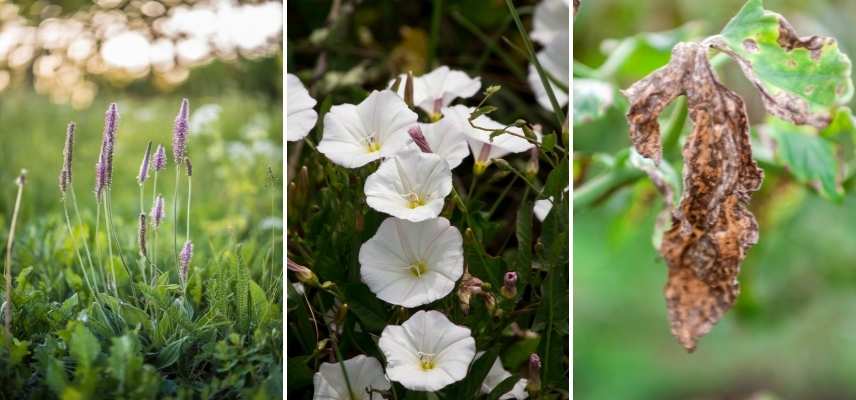
Avoid plants that have set seed, certain adventive plants with running roots such as bindweed, and diseased plants
- Subscribe!
- Contents
This form is protected by reCAPTCHA - the Google Privacy Policy and Terms of Service apply.


































Comments