Citrus aurantiifolia Red Lime - Key Lime
Citrus aurantiifolia Red Lime - Key Lime
Citrus aurantiifolia Red Lime - Key Lime
Citrus x aurantiifolia Red Lime
Key Lime, Mexican Lime, West Indian Lime
Contrary to the description, the lemons are not at all sour. The tree arrived full of fruit, but I am disappointed with their flavour. They taste more like small mandarins.
Hong , 22/01/2026
Back-to-school special offer!
Get €10 off for every €50 you spend! And get up to €40 off on a single order.
How does it work?
1. Shop your favourites
Add your favourite plants to your basket. For every €50 you spend (excluding delivery charges, store credit and the plastic-free option), you’ll receive a €10 voucher.
€50 spent = €10 voucher
€100 spent = €20 voucher
€150 spent = €30 voucher
€200 spent = €40 voucher
2. Place your order
Once your basket reaches one of the spending thresholds, place your order. You can even choose your delivery date!
3. Receive your voucher
As soon as your order has been shipped, you’ll receive an email containing your personal voucher code and its value.
4. Use it on your next order
Your voucher is valid for 90 days from the date you receive it. It can be used once only, on a new order worth at least the value of the voucher, excluding delivery charges.
Please note: Vouchers can be combined with other offers, but cannot be split or refunded.
Home or relay delivery (depending on size and destination)
Important: You may be charged customs duties by your country’s customs authorities upon delivery.
Schedule delivery date
and select date in basket
This plant carries a 12 months recovery warranty
More information
We guarantee the quality of our plants for a full growing cycle, and will replace at our expense any plant that fails to recover under normal climatic and planting conditions.
Description
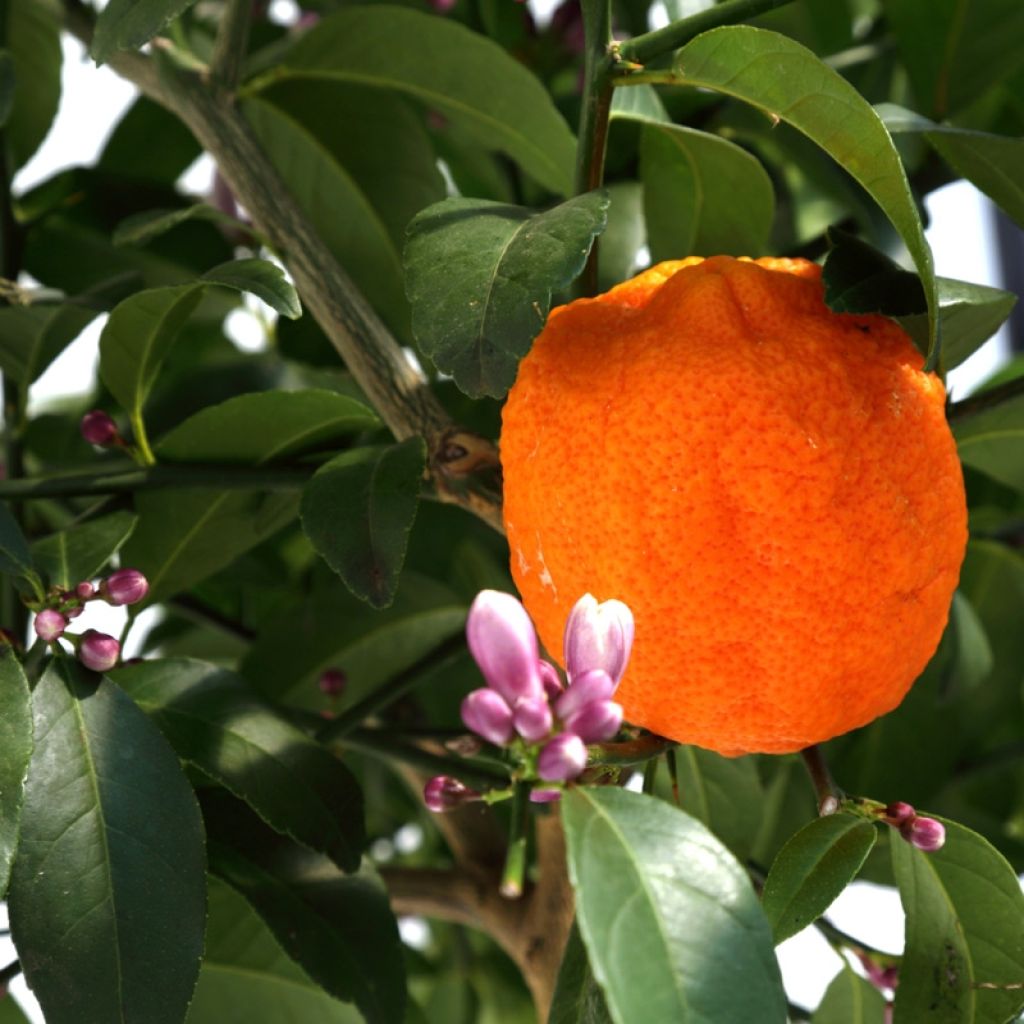
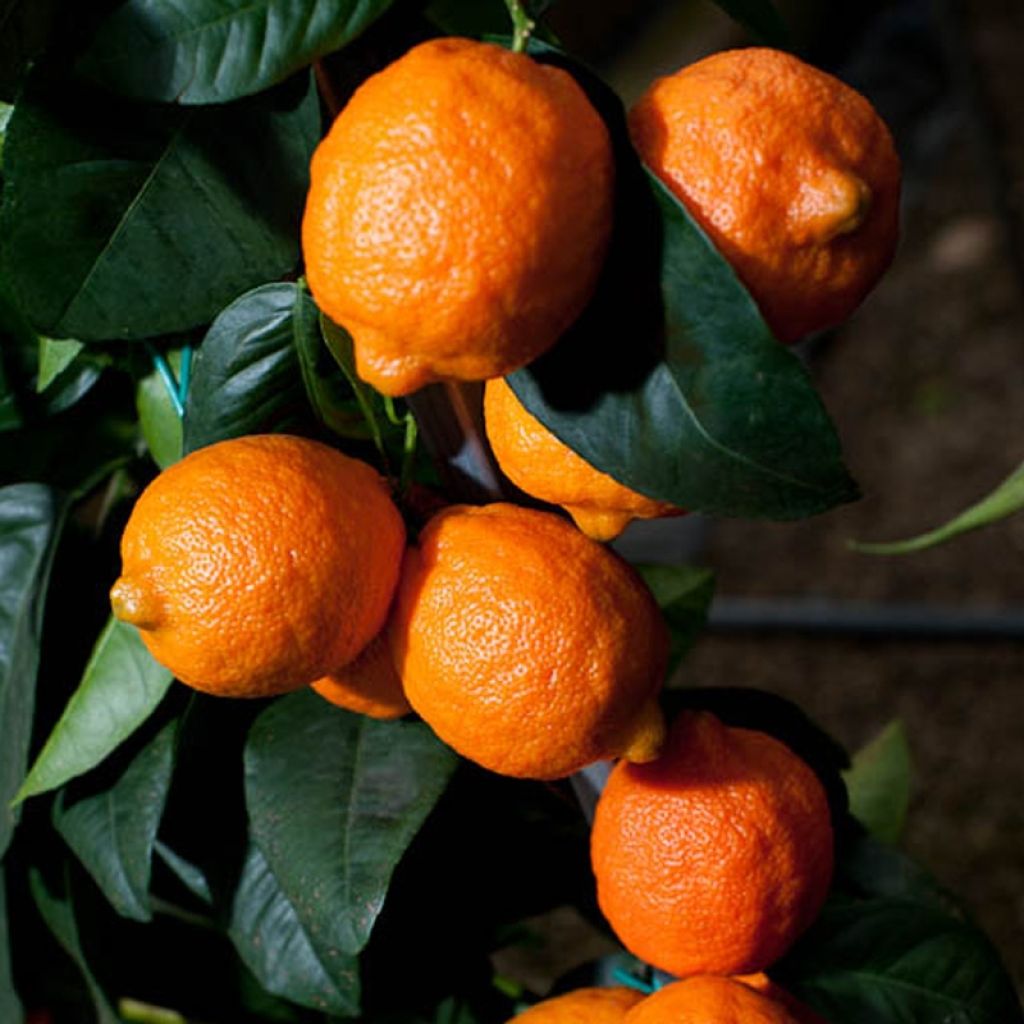
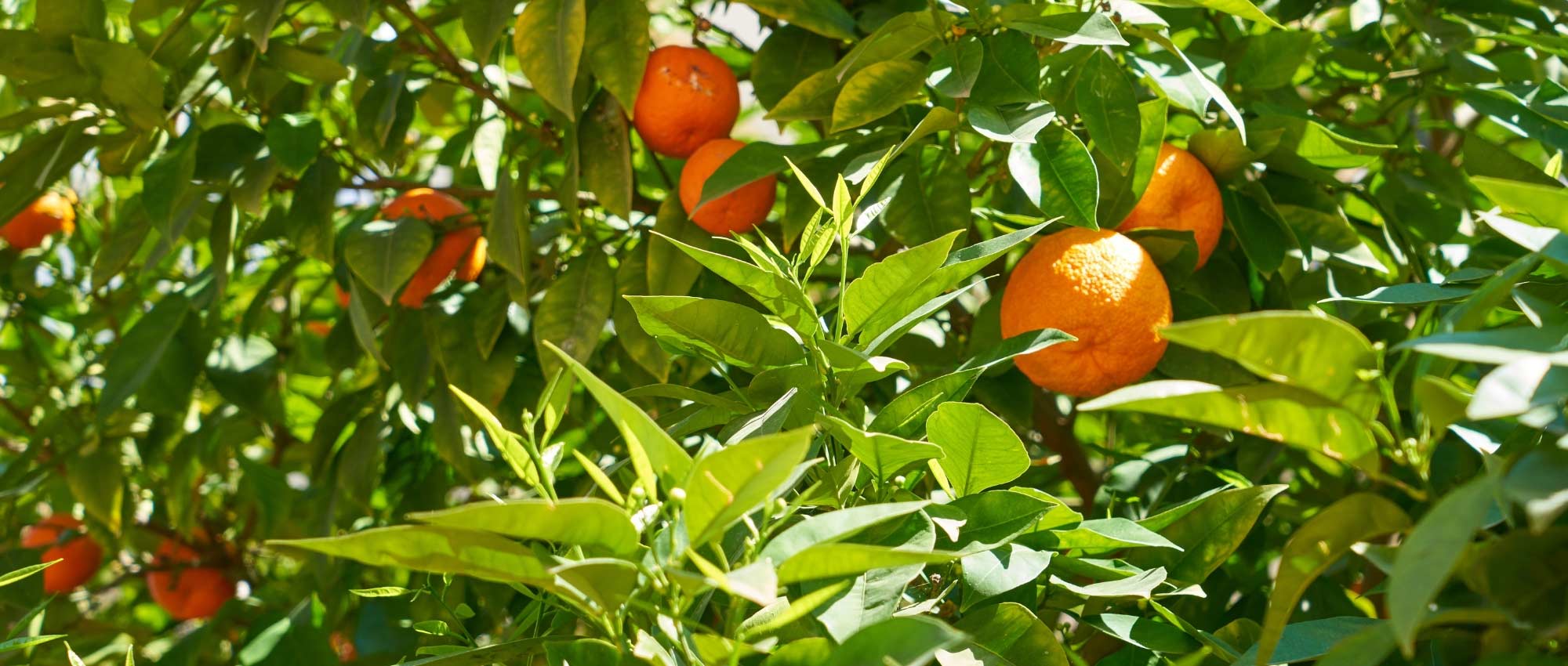
The Mexican Lime (Citrus x aurantiifolia 'Red Lime'), or Red Lime, is a moderately vigorous citrus tree, with a well-branched and ornamental habit, and very floriferous in spring. Its small star-shaped white flowers, pleasantly fragrant, are followed by small fruits that are more or less spherical and of a striking red-orange colour ! The dark red and juicy pulp of this citrus fruit is particularly acidic but very aromatic. This species, the least hardy of all citrus trees, has very marked tropical requirements: it perishes below -3°C (26.6 °F) and requires warmth throughout the year to bear fruit well. It will be cultivated in a large container and stored in a slightly heated greenhouse in winter, or in open ground in our warm regions that are not affected by frost.
The Citrus x aurantiifolia is also known as Acid Lime, Country Lemon, Pebble Lemon, Mexican Lime, or Lime Tree of the West Indies depending on the region. It is a spiny bush of the Rutaceae family, with an upright and bushy habit. It is likely native to Southeast Asia, specifically Malaysia and the Philippines, but its exact origin is somewhat unclear. Recent studies tend to prove a hybrid origin between Citrus medica (citron) and C. micrantha (wild lime from the Philippines).
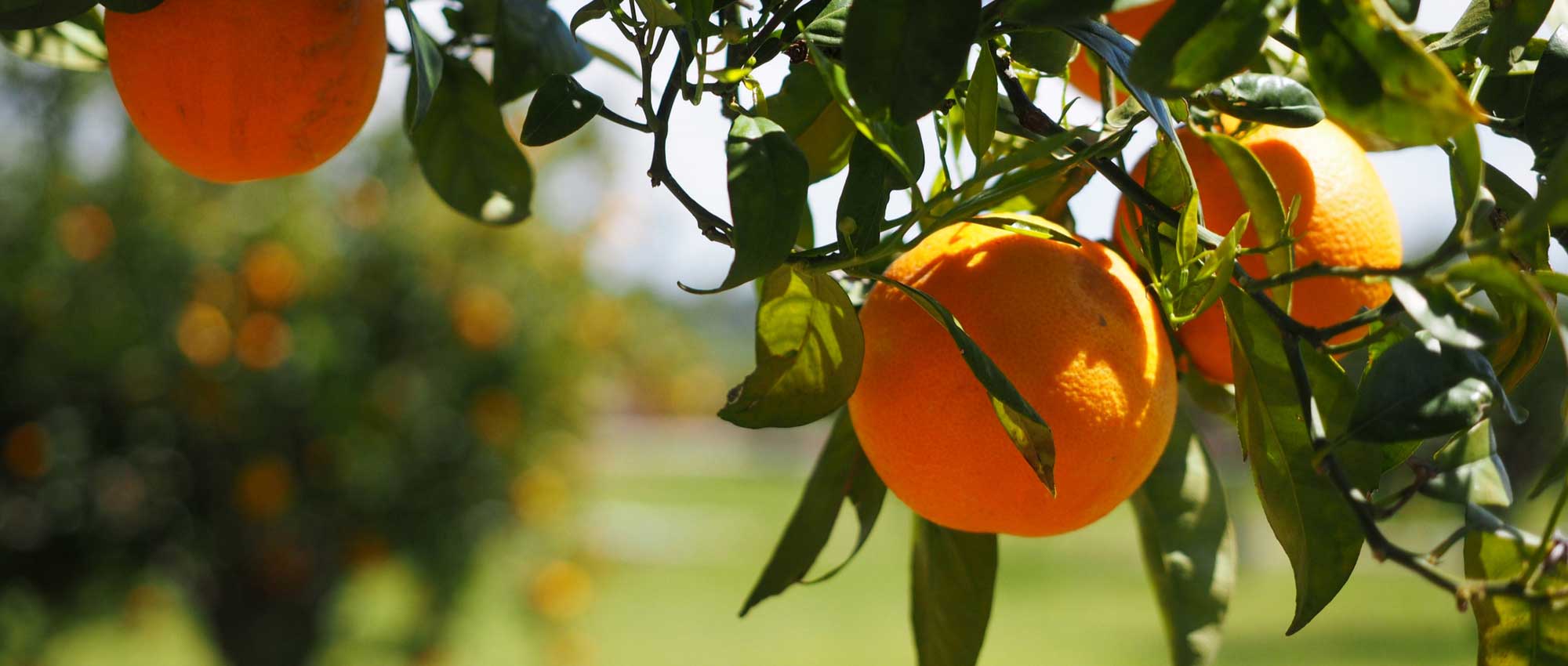
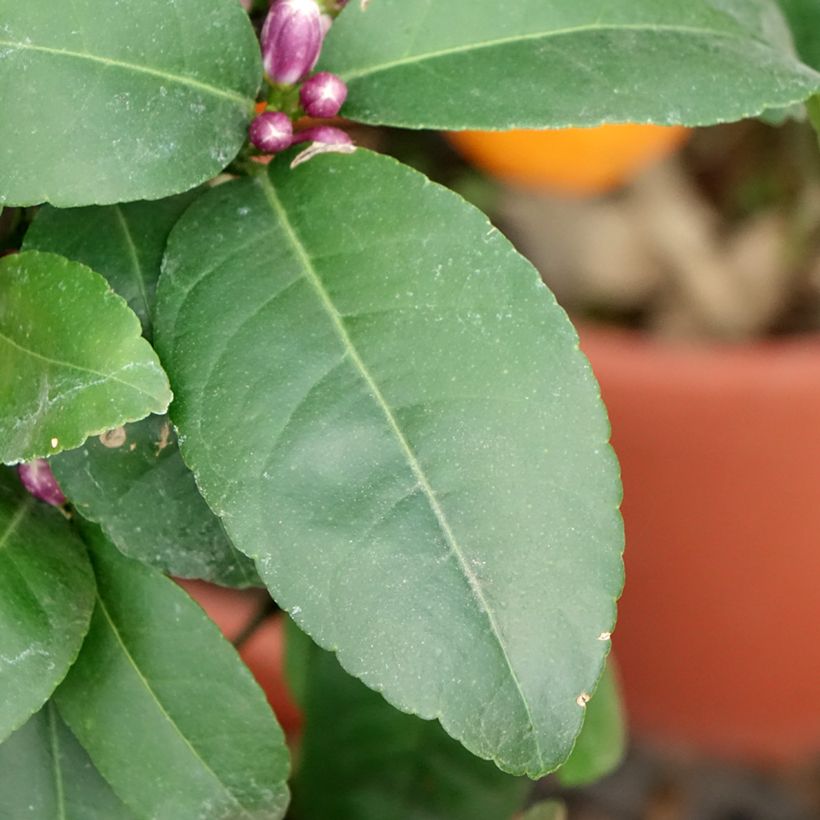
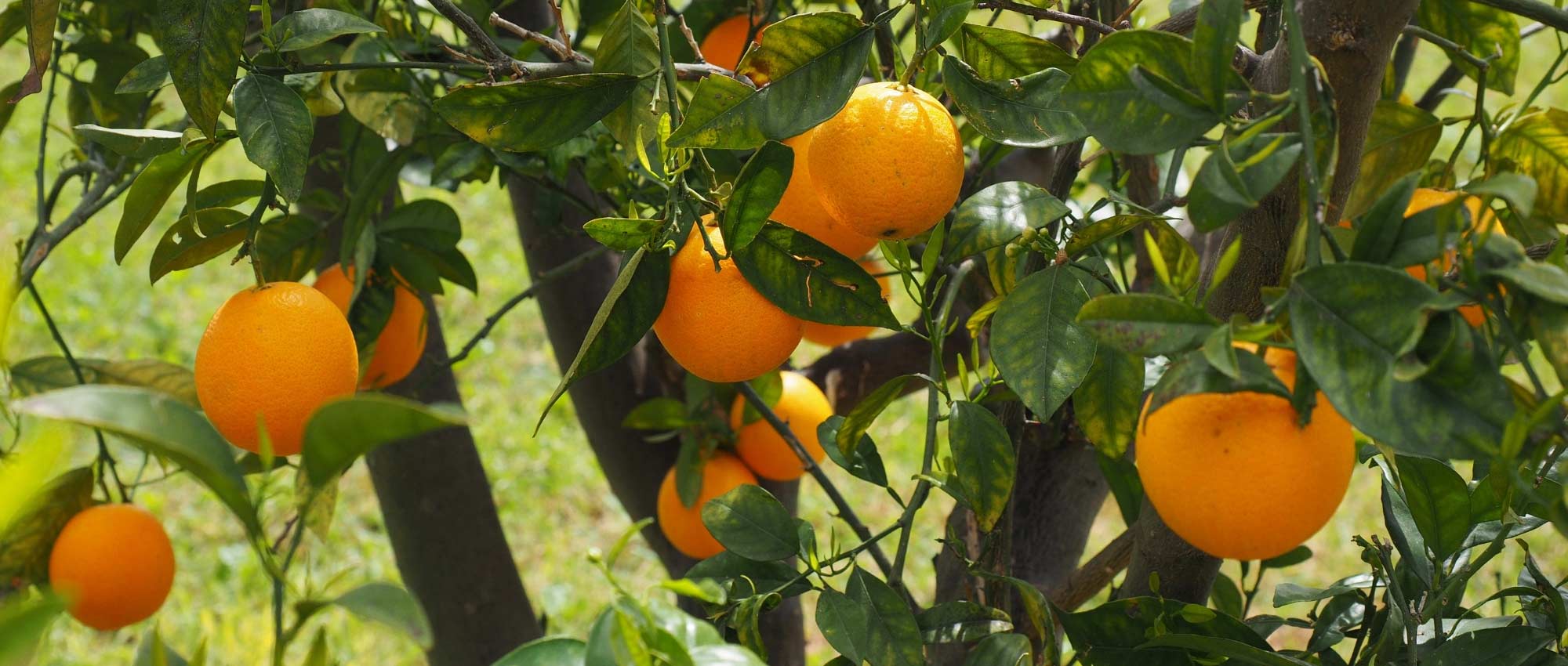
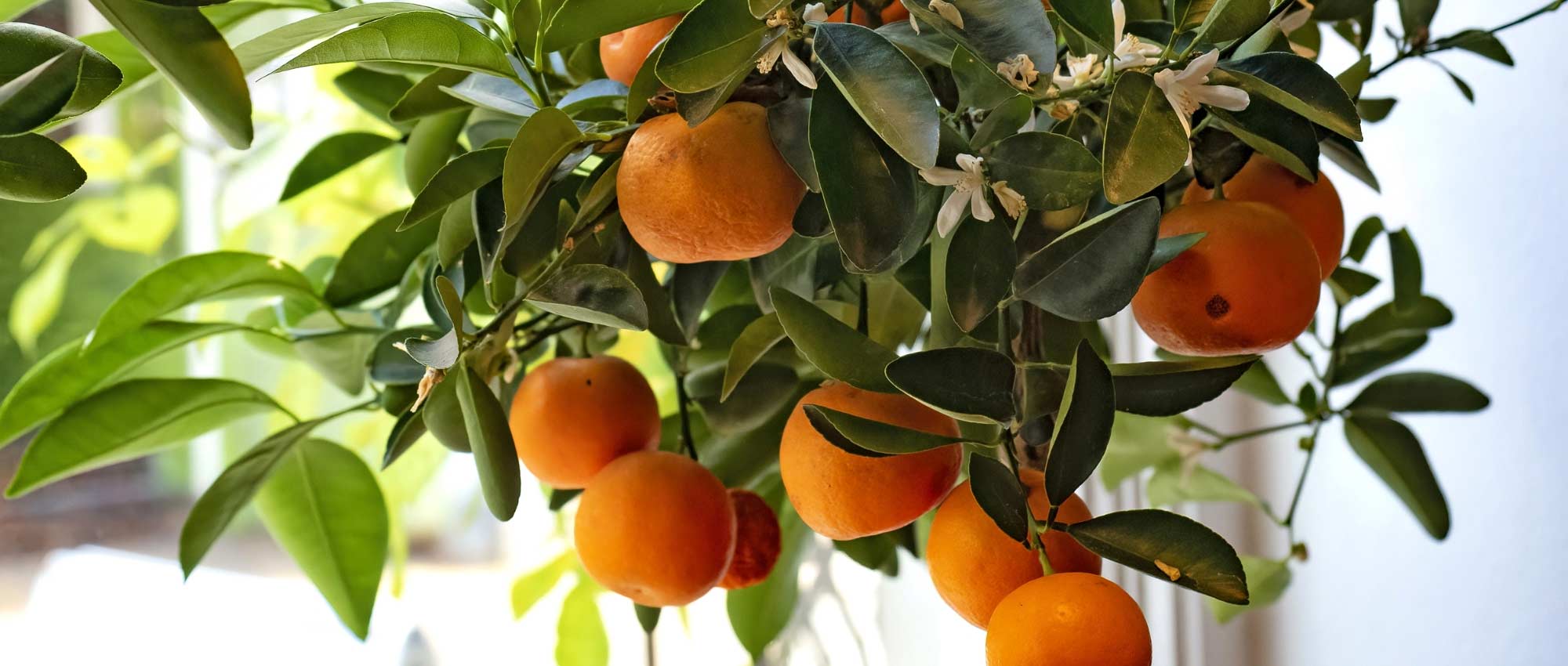
This small tree reaches a height of 3.50 m (11 ft 6 in) and spreads to about 2.50 m. Its branches are short and bear numerous short and very sharp thorns. Not very hardy, it can be planted in open ground only in warm climates like the Mediterranean. Elsewhere, it will be cultivated in a pot and stored at the first signs of cold weather. Primarily grown for its fruit, the Mexican lime blooms abundantly in March-April, and then again, more sporadically, until autumn in warmer climates. It produces small white flowers, slightly tinged with yellow in the centre and with a sweet and delicious neroli fragrance, characteristic of Citrus. They give way to oval to rounded fruits, resembling yellow lemons, with a diameter of 3 to 5 cm (1.2 to 2 in). Their very thin and smooth epidermis, initially dark green in colour, then take on a red-orange hue. The pulp of the fruit, dark red, is both very juicy and very acidic, and contains a few seeds. Fruits can be harvested while still green, when their concentration of essential oils is at its peak. The evergreen and aromatic leaves of this citrus tree are ovate, leathery, small in size, and intensely green.
The fruits of Citrus x aurantifolia are part of the culinary traditions of several Southeast Asian countries, as well as Reunion Island and the Caribbean. Its use is almost as extensive as that of yellow lemons, in savoury or sweet dishes. The juice is used in refreshing drinks and cocktails, adding a touch of acidity and a unique aroma. The zest is sometimes used to flavour pastries. Garnished with a little chilli, the lime is often served with Reunionese dishes and Caribbean ti-punch. In addition to its culinary importance, the Lime Tree is also a medicinal plant whose therapeutic properties, used for centuries in traditional medicine, are now the subject of in-depth scientific research. Lime is less rich in ascorbic acid (Vitamin C), as well as in vitamins A and B, compared to lemons. Easy to store, this citrus fruit was once loaded onto sailing ships, providing a good source of vitamins to fight against scurvy.
Like all Citrus trees, the Lime Tree contains pockets of essential oil in its leaves, flowers, and fruits that are often visible to the naked eye, from which the essential oil with rebalancing and slightly sedative properties is extracted by distillation (flowers and leaves) or by pressing (zest), which helps to realign vital energies. The essential oil is known for its stimulating properties and for facilitating blood circulation. Its fragrance is described as fresh, lemony, tangy, with slightly sweet and bitter notes.
Not very hardy, the Citrus aurantifolia begins to suffer from cold temperatures as low as 0°C (32 °F). It is a self-fertile bush, which means that a single individual is sufficient for complete pollination and fruiting.
Citrus aurantiifolia Red Lime - Key Lime in pictures
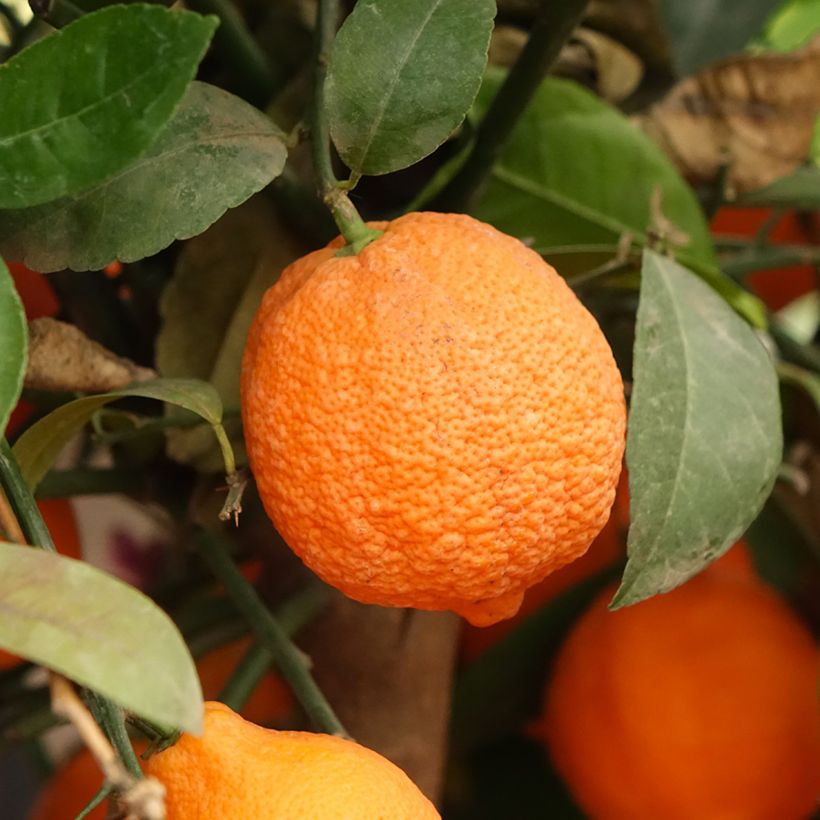
Plant habit
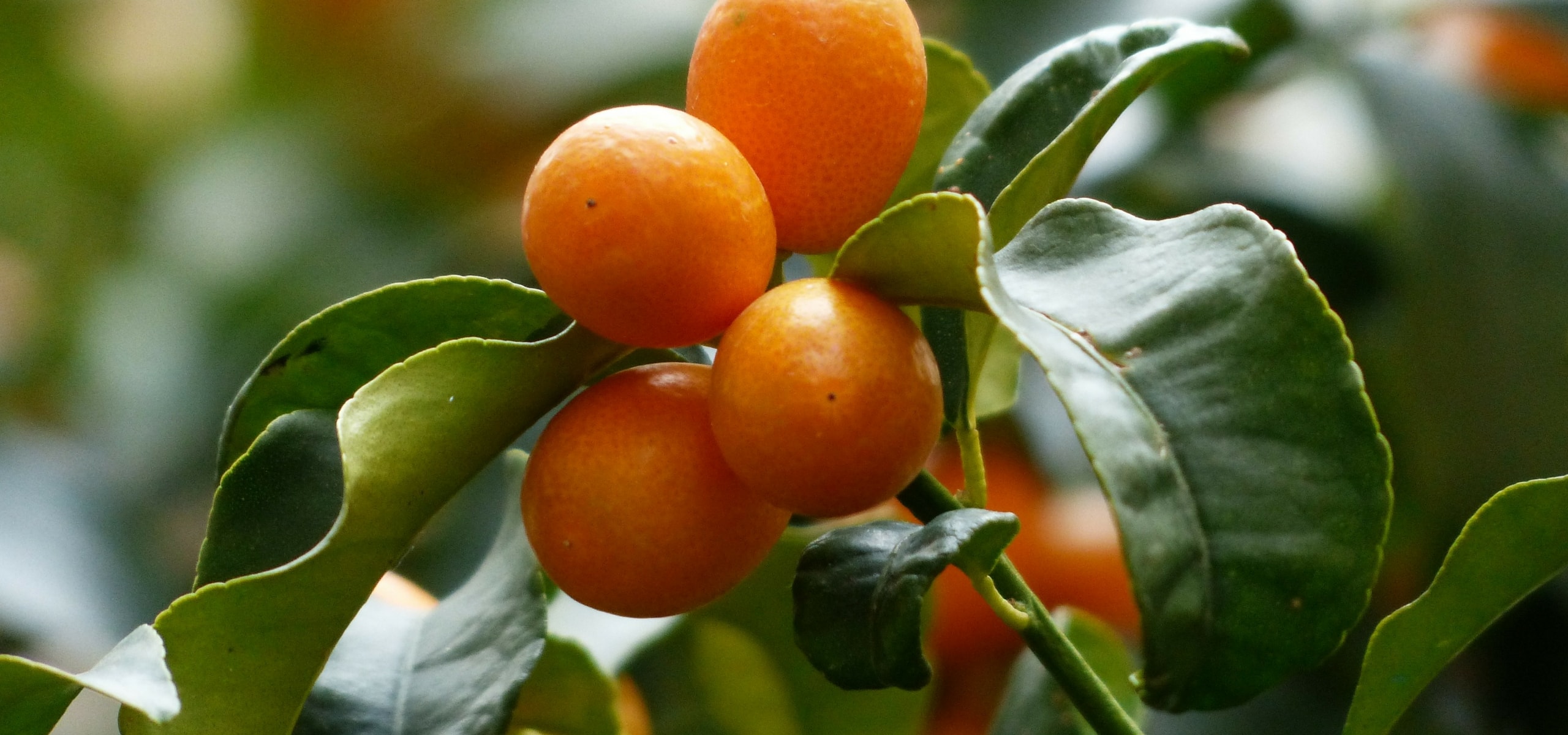
Fruit
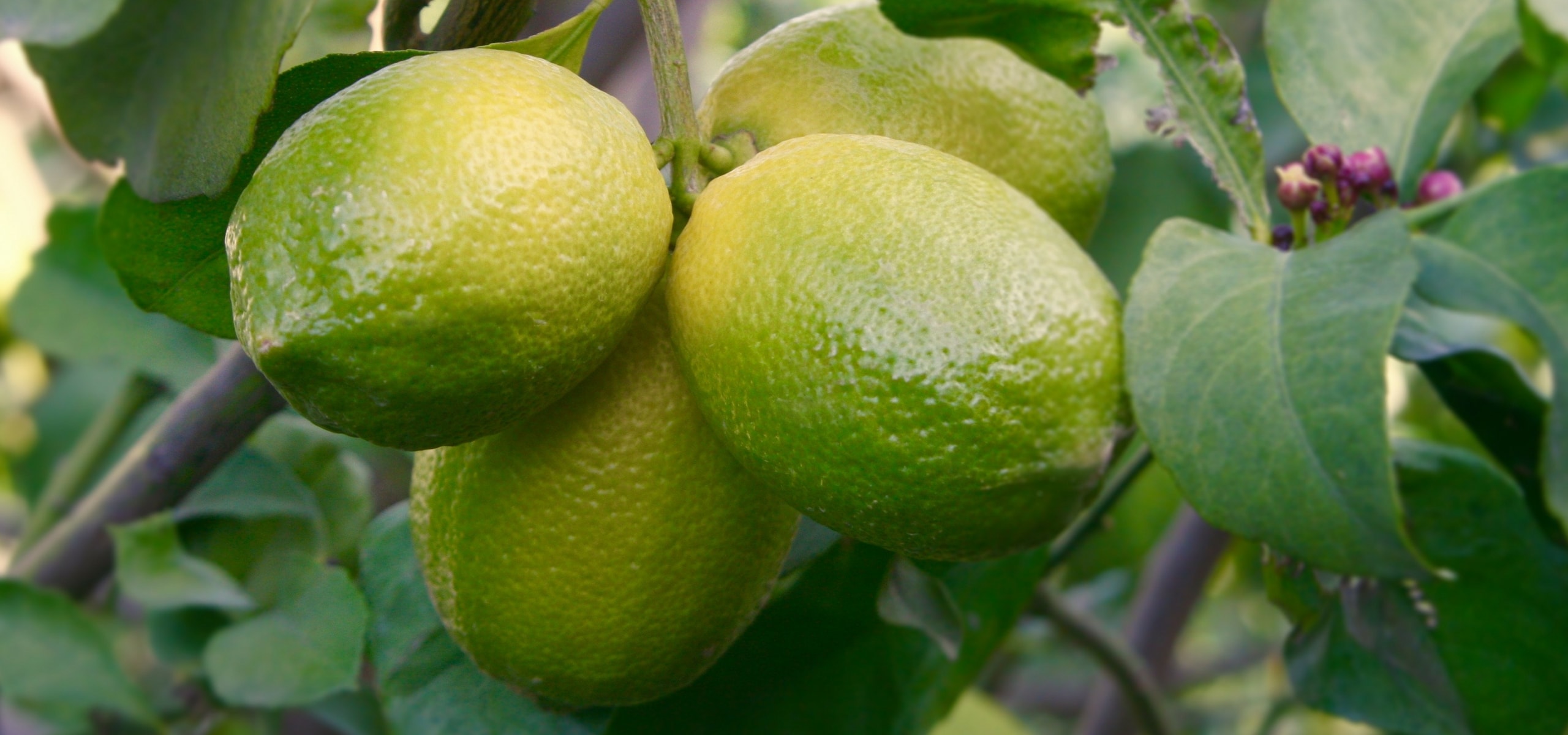
Flowering
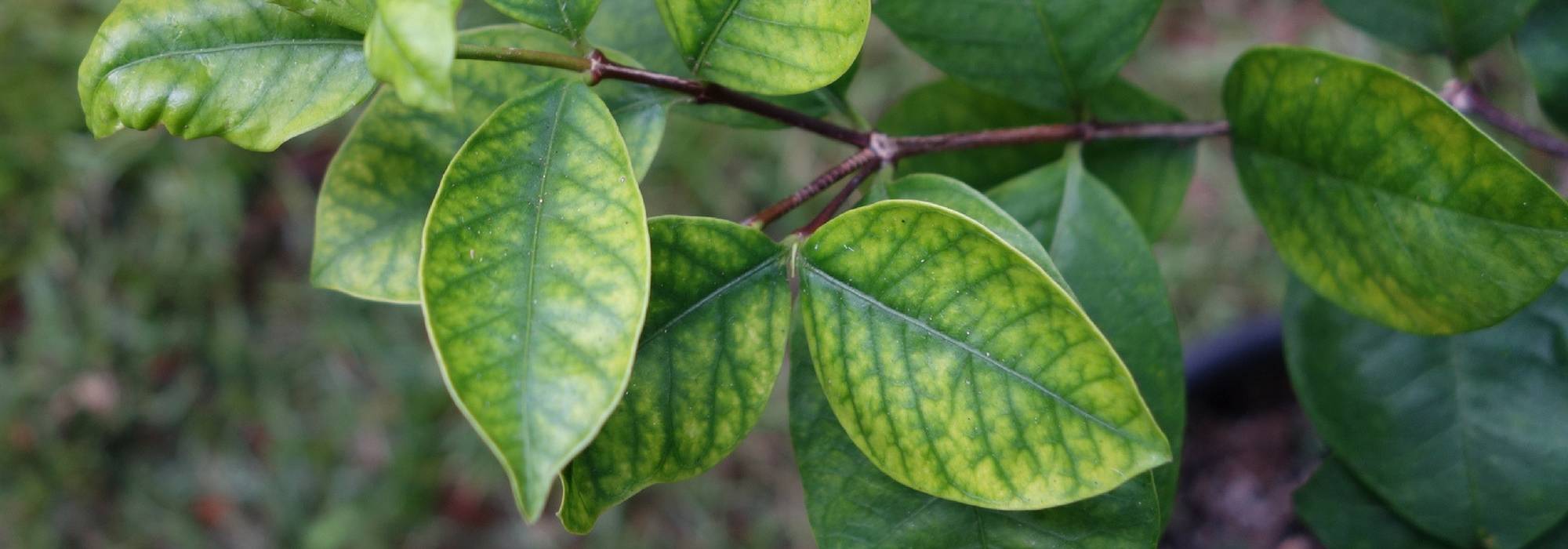
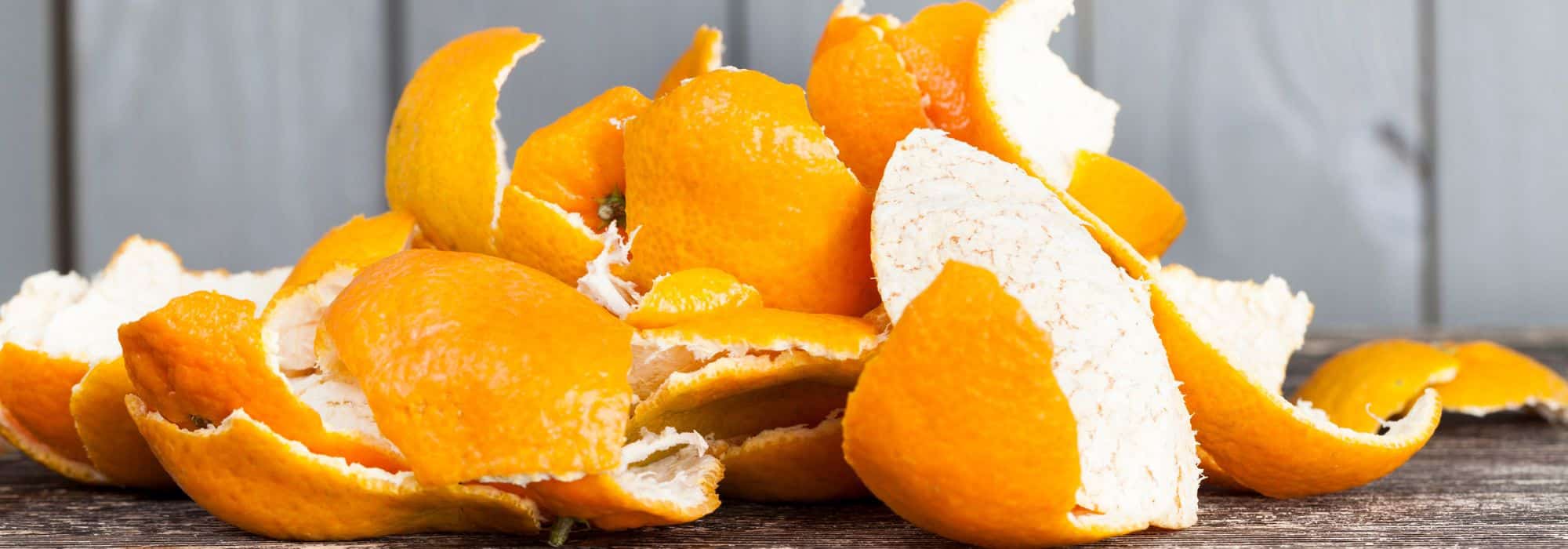
Foliage
Botanical data
Citrus
x aurantiifolia
Red Lime
Rutaceae
Key Lime, Mexican Lime, West Indian Lime
Cultivar or hybrid
Planting and care
When planting this bush in open ground, it must be noted that it thrives in neutral, slightly acidic and non-chalky soils. This citrus tree requires a lot of heat to flower and bear fruit, and its hardiness does not exceed -3°C (26.6 °F), making it suitable for planting only in warm climates that are spared from frost. The best time to plant is early spring, specifically in March and April. While planting, one must be careful not to bury it too deeply. Citrus trees are naturally greedy and require water to bear fruit well, so it is advised to consider adding well-rotted compost or "special citrus" fertiliser. Choose a sunny but not scorching location, sheltered from the wind to prevent the foliage from drying out and the young fruits from falling. Place it in an area protected from sea spray.
If growing in cooler climates, it is recommended to plant the lime tree in a pot that can be kept in a slightly heated greenhouse or conservatory, frost-free, in an atmosphere that is not too dry. Planting or repotting should be done at the end of summer. Choosing a pot slightly larger than the root system is advisable, as citrus trees do not like to feel cramped. To improve the drainage capacity of the mixture, line the bottom of the pot with clay balls, loosen the root ball and mix two-thirds garden soil with one-third "special citrus" compost. Water generously and make sure the pots are made of clay or breathable material.
Citrus trees require a lot of water to thrive. It is recommended to water your citrus tree daily with water that is low in or free from limestone, and the soil should always remain moist. Similarly, make sure to provide it with the fertiliser it needs regularly. Slow-release granular fertiliser should be used every 6 months, while liquid fertiliser needs to be provided every 3 waterings.
Planting period
Intended location
Care
Planting & care advice
-
-
-
-
-
-
-

-
-
, onOrder confirmed
Reply from on Promesse de fleurs
Recently viewed products
Haven't found what you were looking for?
Hardiness is the lowest winter temperature a plant can endure without suffering serious damage or even dying. However, hardiness is affected by location (a sheltered area, such as a patio), protection (winter cover) and soil type (hardiness is improved by well-drained soil).
In temperate climates, pruning of spring-flowering shrubs (forsythia, spireas, etc.) should be done just after flowering.
Pruning of summer-flowering shrubs (Indian Lilac, Perovskia, etc.) can be done in winter or spring.
In cold regions as well as with frost-sensitive plants, avoid pruning too early when severe frosts may still occur.
The harvesting period indicated on our website applies to countries and regions in USDA zone 8 (France, England, Ireland, the Netherlands).
In colder areas (Scandinavia, Poland, Austria...) fruit and vegetable harvests are likely to be delayed by 3-4 weeks.
In warmer areas (Italy, Spain, Greece, etc.), harvesting will probably take place earlier, depending on weather conditions.
The sowing periods indicated on our website apply to countries and regions within USDA Zone 8 (France, UK, Ireland, Netherlands).
In colder areas (Scandinavia, Poland, Austria...), delay any outdoor sowing by 3-4 weeks, or sow under glass.
In warmer climes (Italy, Spain, Greece, etc.), bring outdoor sowing forward by a few weeks.
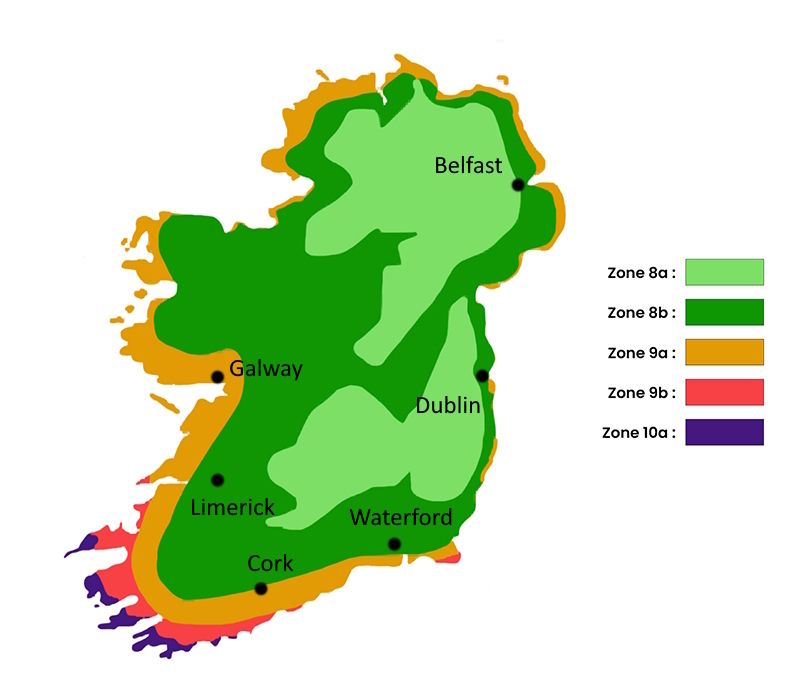
The planting period indicated on our website applies to regions in USDA Zone 9a (East Coast and Midlands: Dublin, Wexford, Waterford, Kilkenny, Portlaoise). It will vary depending on where you live:
- On the west coast and in the north-west (Galway, Limerick, Sligo, Donegal, Westport), delay planting by 1 to 2 weeks in spring and bring it forward by 1 to 2 weeks in autumn compared to the dates given, preferably choosing periods without strong winds.
- In the inland hills and plateaus (Wicklow Mountains, Macgillycuddy’s Reeks, Connemara, Killarney), it is best to plant in spring (April–May) or autumn (September–October), avoiding periods of waterlogged soil in winter and strong winds, which pose the main risk to newly planted trees in these areas.
The flowering period indicated on our website applies to regions in USDA Zone 9a, such as the East Coast and Midlands, including Dublin, Wexford, Waterford, Kilkenny and Portlaoise.
This will vary depending on where you live:
- On the west coast and in the northwest (Galway, Limerick, Sligo, Donegal and Westport), it will be delayed by one to two weeks compared to the given dates, due to stronger Atlantic winds and less spring sunshine.
- In the inland hills and plateaus (the Wicklow Mountains, the Macgillycuddy's Reeks, Connemara and Killarney), flowering will be delayed by two to three weeks. Flowering mainly occurs between May and July, with the limiting factors being less frost and more of the excessive humidity, strong winds and lack of sunshine that are characteristic of these areas.
Shipping country and language
Your country of residence may be:
Your country of residence is:
For a better user experience on our website, you can select:
Your shipping country:
-
 Austria
-
 Belgium
-
 Bosnia & Herzegovina
-
 Bulgaria
-
 Croatia
-
 Cyprus
-
 Czechia
-
 Denmark
-
 Estonia
-
 Finland
-
 France
-
 Germany
-
 Greece
-
 Hungary
-
 Iceland
-
 Ireland
-
 Italy
Italy
-
 Latvia
-
 Liechtenstein
-
 Lithuania
-
 Luxembourg
-
 Malta
Malta
-
 Netherlands
-
 Poland
-
 Portugal
-
 Romania
-
 Serbia
-
 Slovakia
-
 Slovenia
-
 Spain
Spain
-
 Sweden
-
 Switzerland
Language:
-
French
-
 English
-
Spanish
-
Italian
-
German
-
Portuguese
-
Dutch
-
Finnish
My Account
Hello
My wish lists
My cart
Log in / Register
Existing customer?
This form is protected by reCAPTCHA - the Google Privacy Policy and Terms of Service apply.
New customer?
Create an account to track your orders, access our customer service and, if you wish, make the most of our upcoming offers.