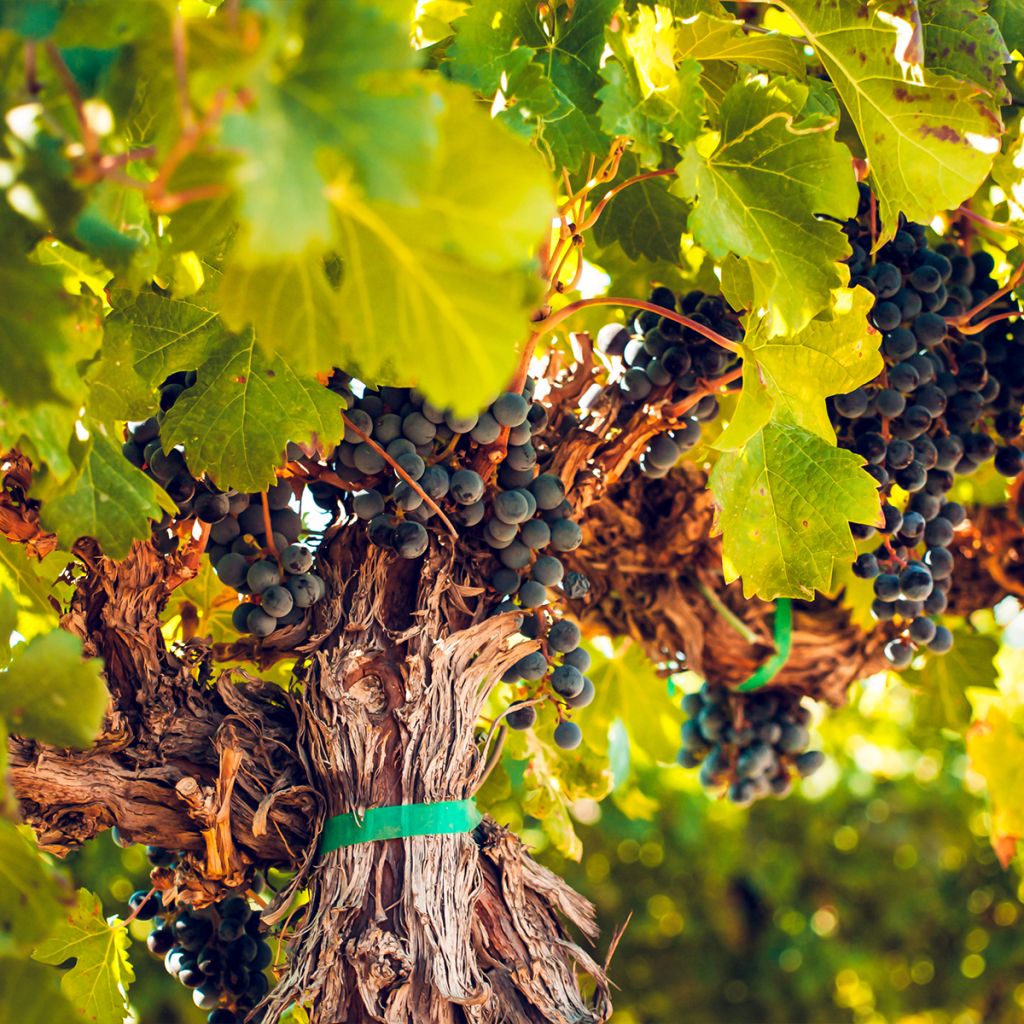
Vitis vinifera Petit Verdot - Grape vine
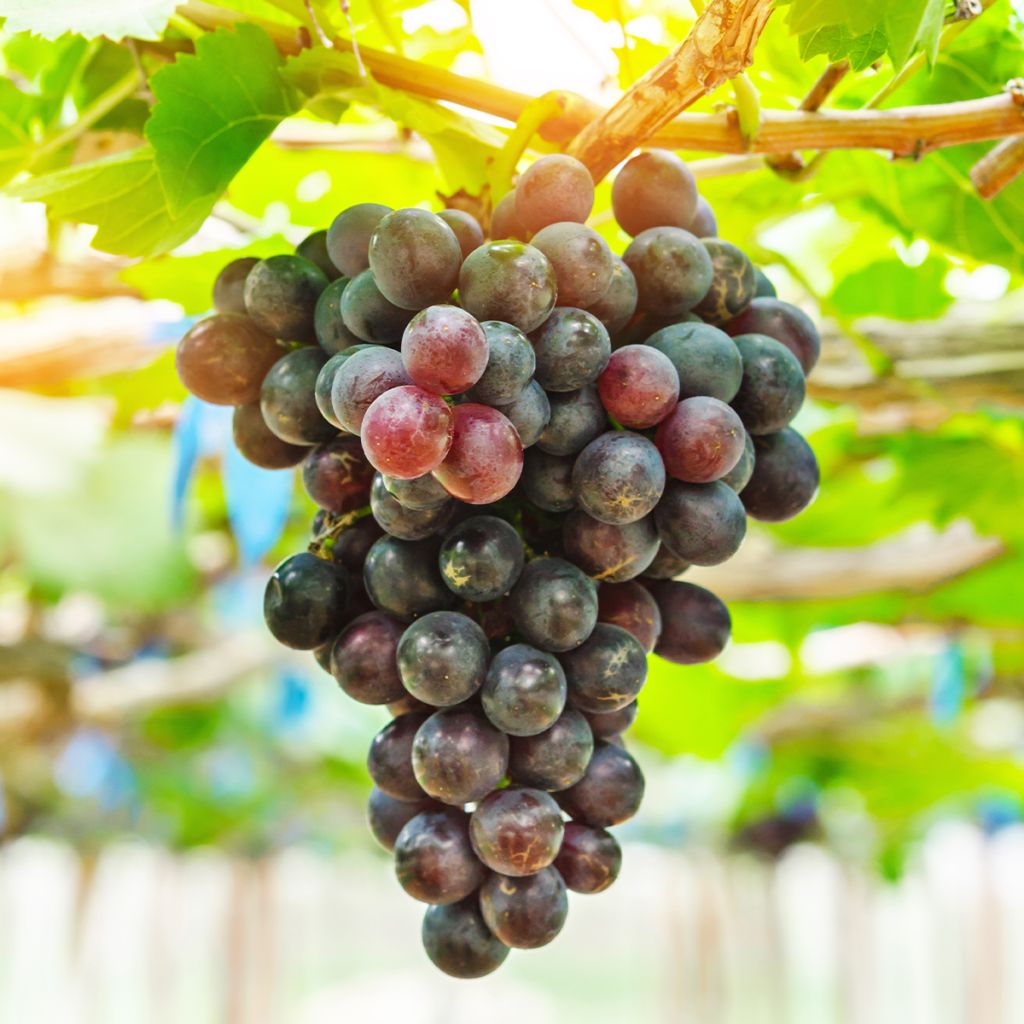
Vitis vinifera Petit Verdot - Grape vine
Vitis vinifera Petit Verdot - Grape vine
Vitis vinifera Petit Verdot
Common Grape Vine, European Grape, Wine Grape
Back-to-school special offer!
Get €10 off for every €50 you spend! And get up to €40 off on a single order.
How does it work?
1. Shop your favourites
Add your favourite plants to your basket. For every €50 you spend (excluding delivery charges, store credit and the plastic-free option), you’ll receive a €10 voucher.
€50 spent = €10 voucher
€100 spent = €20 voucher
€150 spent = €30 voucher
€200 spent = €40 voucher
2. Place your order
Once your basket reaches one of the spending thresholds, place your order. You can even choose your delivery date!
3. Receive your voucher
As soon as your order has been shipped, you’ll receive an email containing your personal voucher code and its value.
4. Use it on your next order
Your voucher is valid for 90 days from the date you receive it. It can be used once only, on a new order worth at least the value of the voucher, excluding delivery charges.
Please note: Vouchers can be combined with other offers, but cannot be split or refunded.
Home or relay delivery (depending on size and destination)
Important: You may be charged customs duties by your country’s customs authorities upon delivery.
Schedule delivery date
and select date in basket
This plant carries a 12 months recovery warranty
More information
We guarantee the quality of our plants for a full growing cycle, and will replace at our expense any plant that fails to recover under normal climatic and planting conditions.
Description
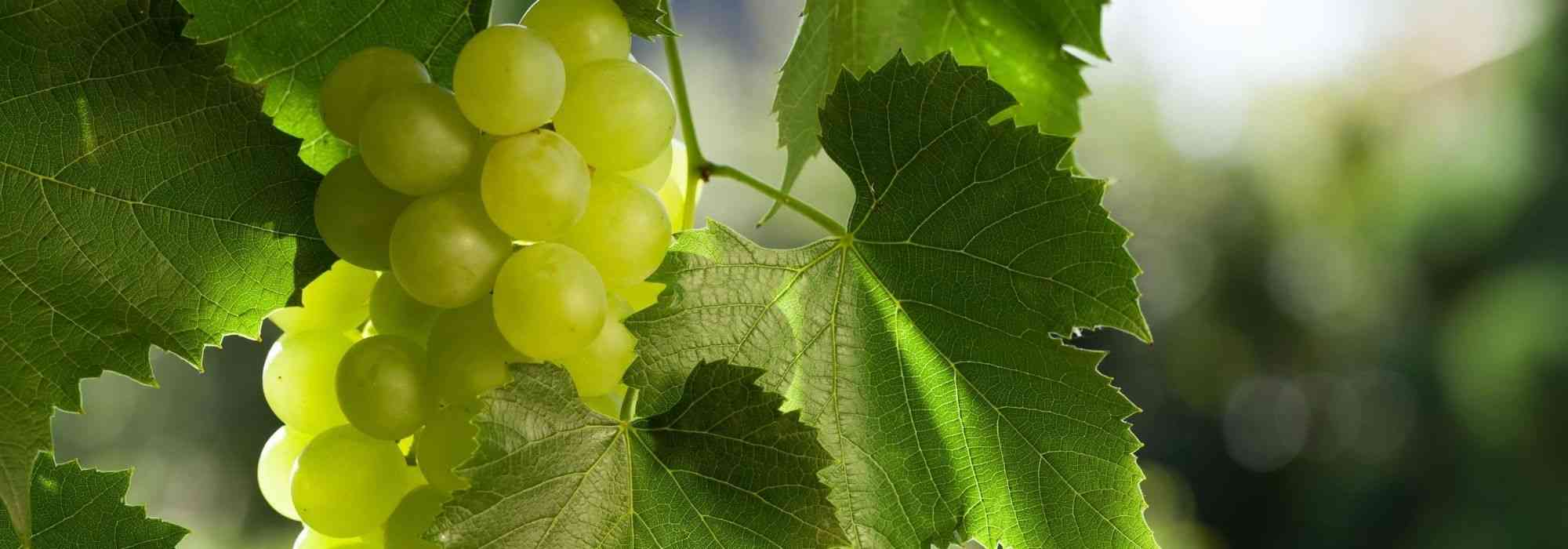
The Petit Verdot grape is a very ancient variety of wine grape, originating from the southwest. It is vigorous and quite difficult to manage, as it grows in all directions. If left unpruned, it can reach a height of 4m (13ft), but it is better to prune it regularly. It requires hot summers and needs moisture at the root level to fruit well, which is why it has fallen out of fashion. Nevertheless, it is still found in small proportions in renowned appellations such as Margaux, Pauillac, Médoc, Saint-Estèphe... It has the advantage of being fairly resistant to diseases, but it is sensitive to mites and the European grapevine moth.
The wine grape (Vitis vinifera) grew wild over 5000 years ago in North and Central America, Europe, and Central and Eastern Asia. The subspecies sylvestris still exists, and it is a climbing vine that grows on the edge of forests and can reach great heights in trees. The current varieties belong to the subspecies vinifera (although there are other cultivated species, but they are very minor).
Petit Verdot is one of the historical vines that dates back to at least the 18th century. This variety is believed to originate from the southwest, although it seems to be directly descended from Tressot Noir, a grape variety from Yonne. It is also planted in Bulgarian, Spanish, Italian, Portuguese, and Maltese vineyards, which shows its preference for hot climates. It is named after its ability to stay green longer than other grape varieties, as it needs warmth to fully ripen...
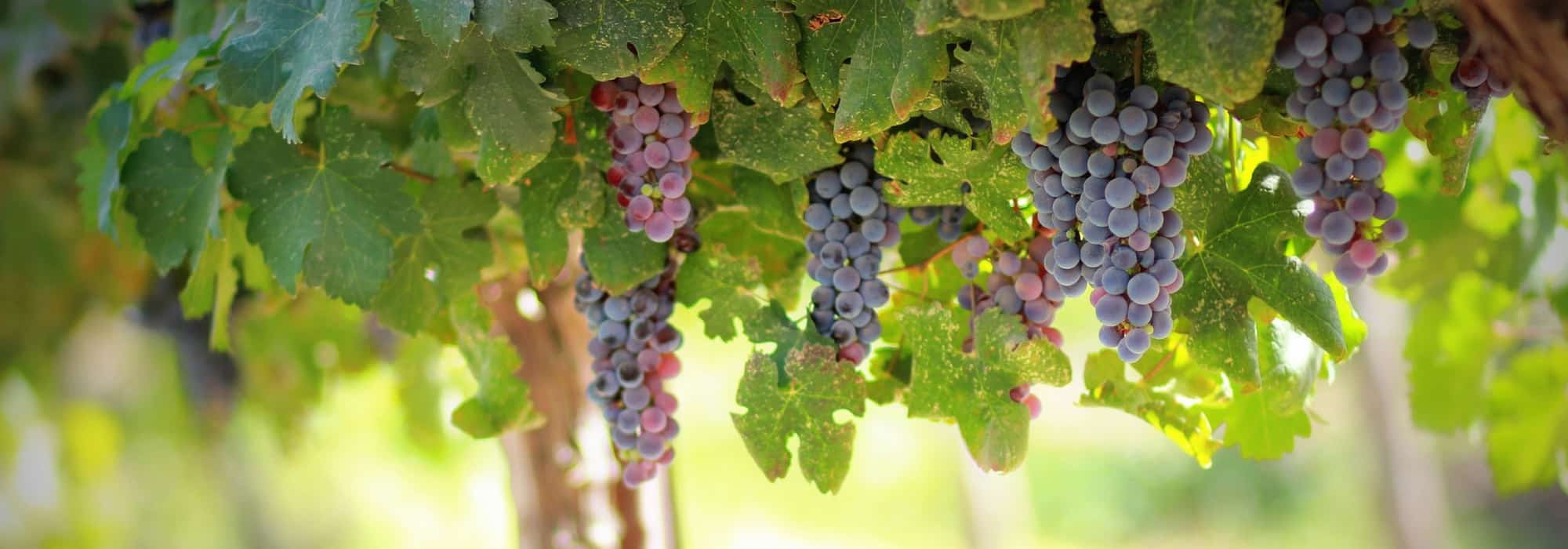
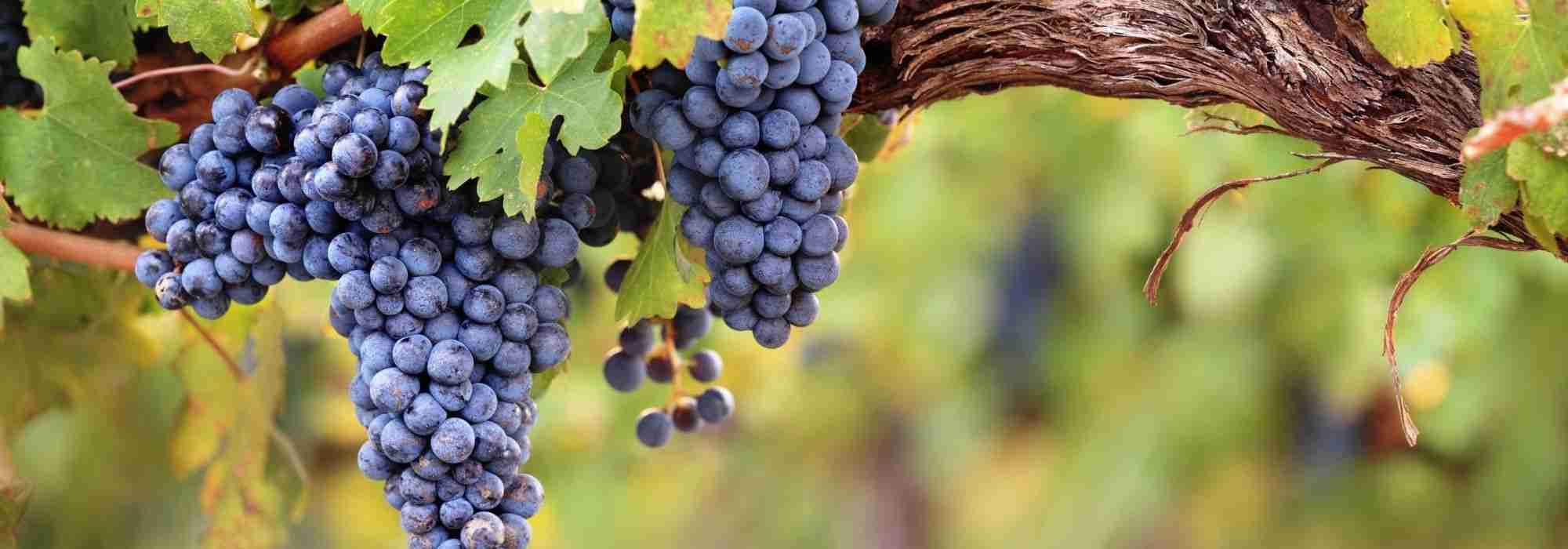
Petit Verdot is quite recognizable during bud break due to its cottony appearance, and also by its young yellowish leaves and tendrils. When mature, the leaves take on a heart-shaped form with 3 lobes and are a dark matte green. It is vigorous and trailing, with branches that tend to grow horizontally and in all directions. They are quite weak at their base and tend to break easily in the wind, so they need to be carefully trained. The early summer flowering produces small to medium-sized, cylindrical clusters made up of small bluish-black, round berries. This grape is used in small proportions in many appellations, giving them a tannic and structured character, making them suitable for ageing. It ripens late, almost 4 weeks after Chasselas, a benchmark grape, even though it only buds 4 days after it, which speaks volumes about its heat requirements. That is why the harvest can be compromised in mediocre summers, while it thrives in hot countries like Spain, as long as there is enough moisture available, as it is sensitive to drought.
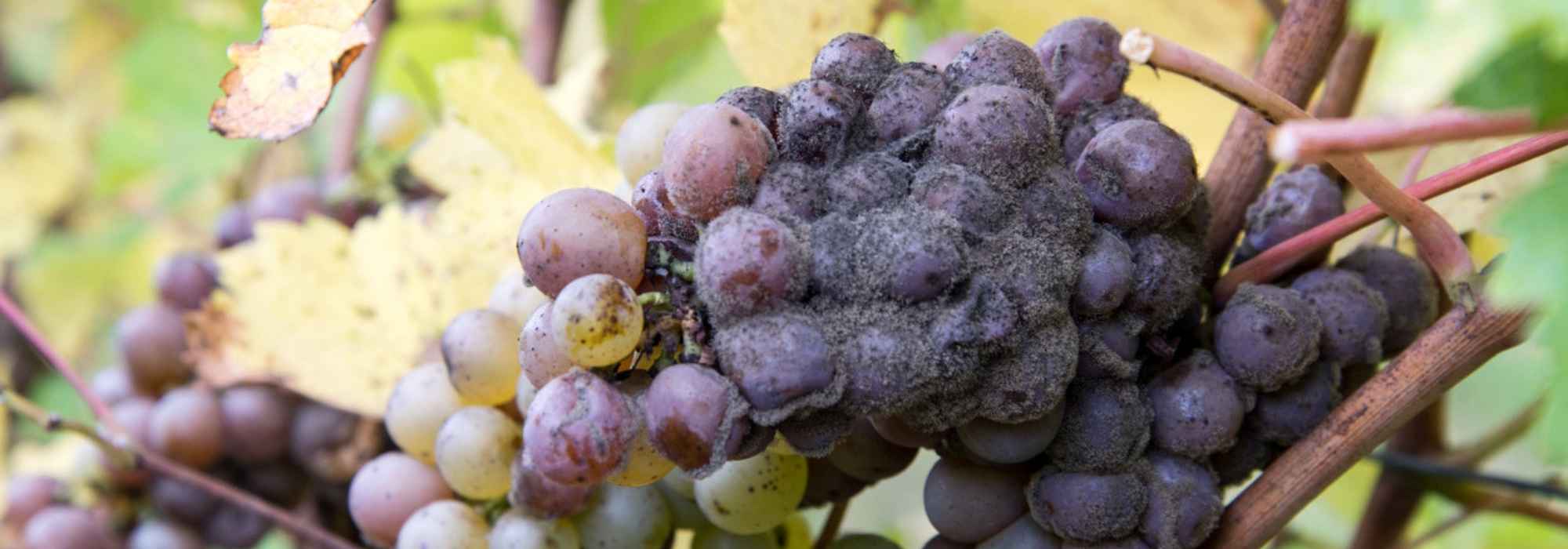
Petit Verdot grapes are not the easiest to cultivate, due to their unruly growth and their high heat requirements. However, they are less susceptible to various vine diseases such as downy mildew, powdery mildew, and botrytis. Because of their heat requirements, it is advisable to train them against a well-exposed stone wall to maximize sun exposure. In general, grapes are rich in vitamin B, a source of fibre and manganese, and they are also rich in antioxidants. They are believed to play a role in preventing cardiovascular diseases, and above all, they are a healthy, natural, and delicious dessert. To enjoy different flavours, plant a white grape variety like Fragola Bianca alongside it, with its exceptional aroma. Or try the Navaho Thornless Blackberry, which can be enjoyed fresh or cooked in desserts or jellies.
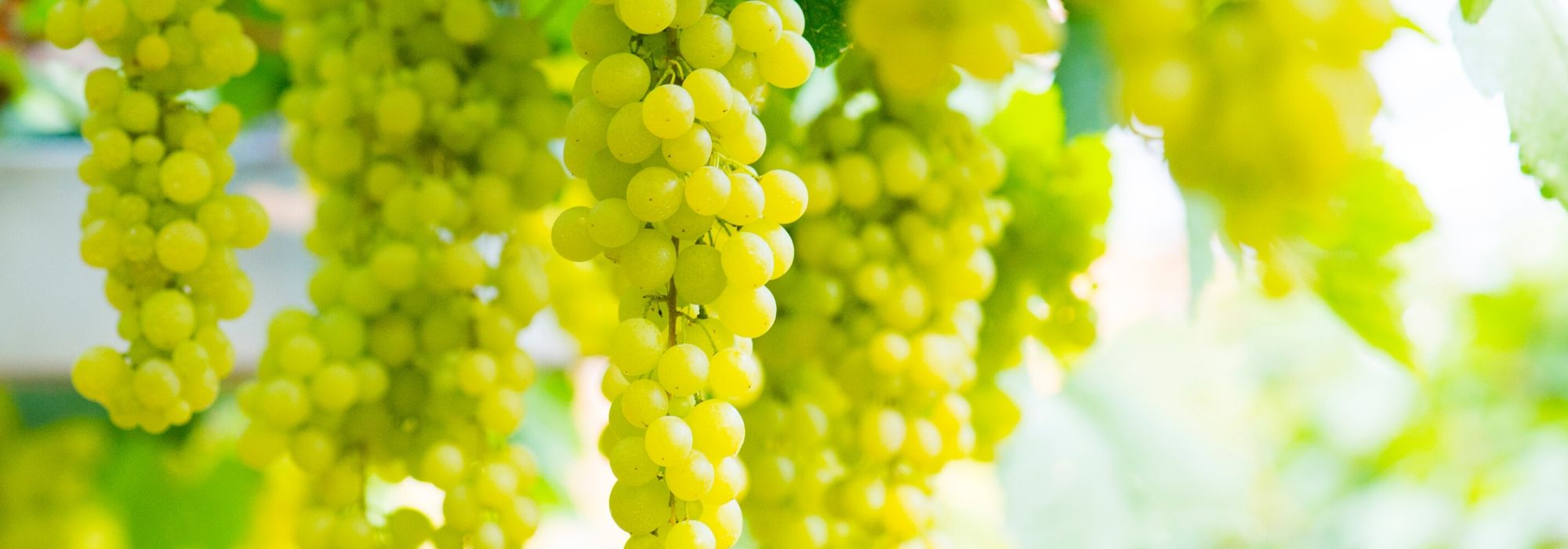
Vitis vinifera Petit Verdot - Grape vine in pictures
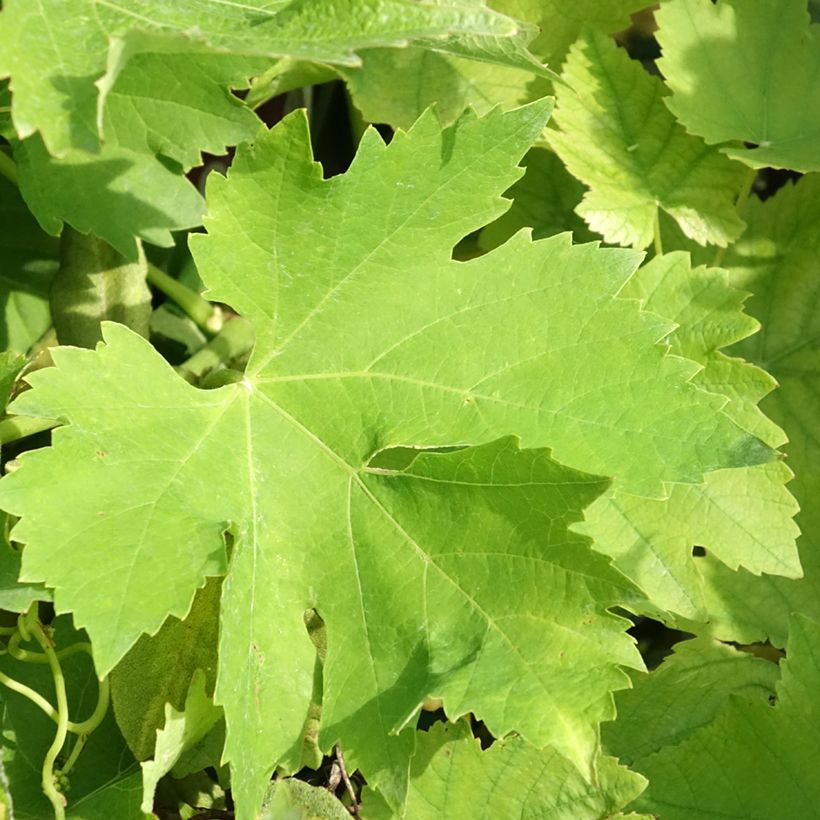
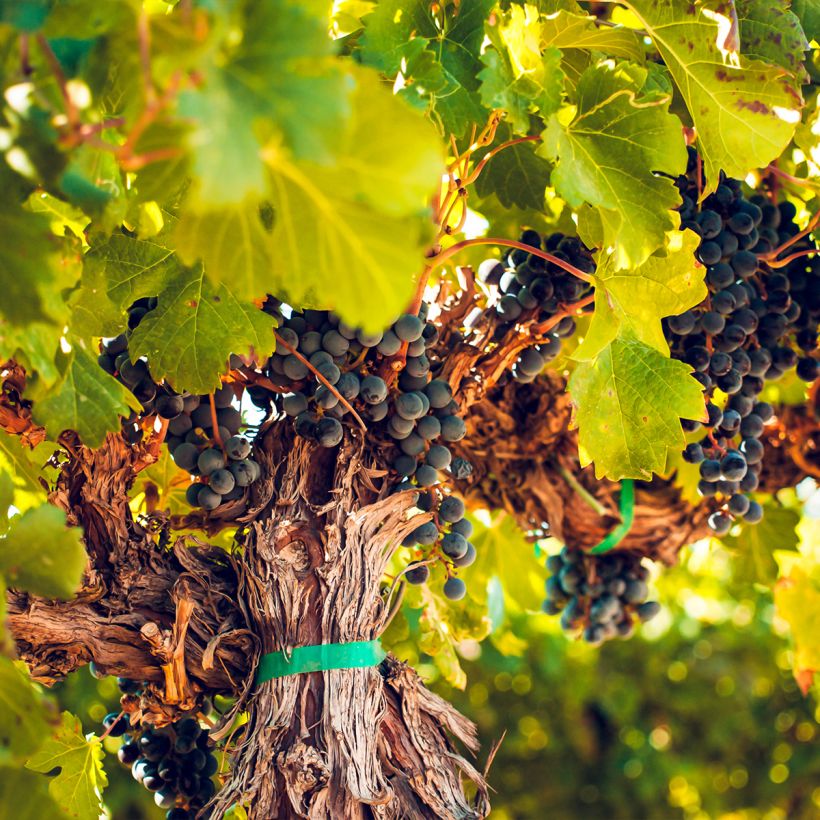
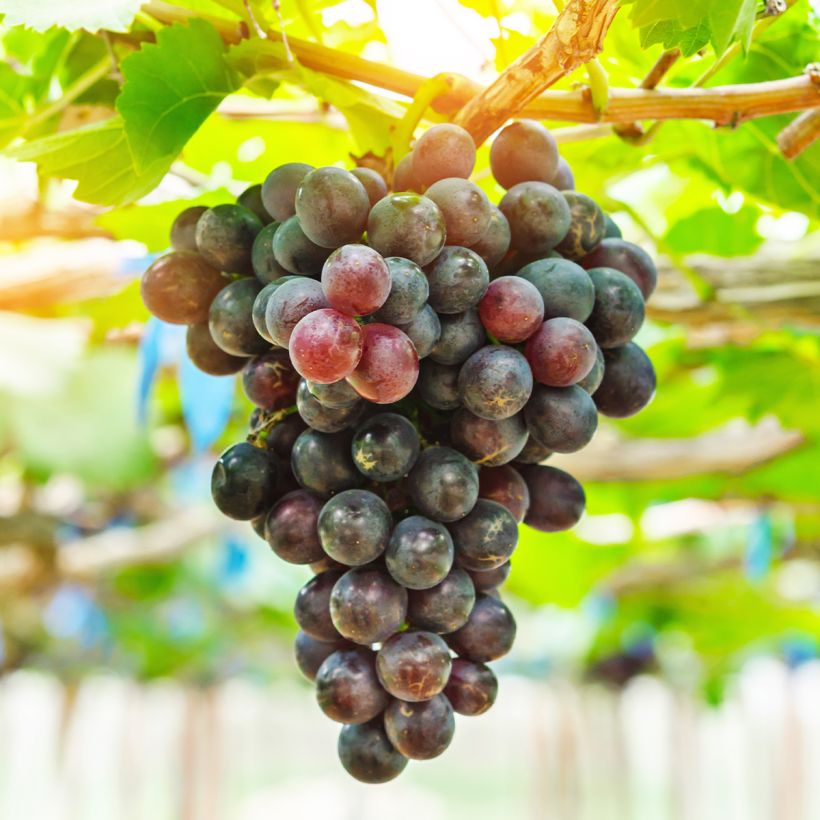
Plant habit
Fruit
Flowering
Foliage
Botanical data
Vitis
vinifera
Petit Verdot
Vitaceae
Common Grape Vine, European Grape, Wine Grape
Cultivar or hybrid
Planting and care
Since the ravages of the phylloxera at the end of the 19th century, the vine is now grafted onto different rootstocks, resistant to this disease and adapted to different types of soil. These rootstocks come from American varieties, naturally resistant to this formidable parasite, itself of American origin.
Plant the Petit Verdot vine in autumn, in a deep, well-drained soil, even stony, clayey and chalky, the vine is not very demanding in terms of the chemical nature of the soil. It is capable of adjusting to moderately acidic soil (up to pH 6 approximately, below this there are assimilation blockages of certain trace elements), neutral and calcareous up to pH 8.5 approximately (it is the excess of active limestone that is detrimental).
Install it in a sunny exposure, sheltered from strong, cold and dry winds. This variety can withstand winter frosts down to -18°C (-0.4°F), or even lower in well-drained soil, but it is sensitive to spring frosts. Incorporate into the planting soil 3 or 4 handfuls of fertiliser for fruit trees and 2 kg of composted manure for each vine. Be careful, the roots should not be in contact with the manure. Petit Verdot is a variety that needs a lot of heat, but also good soil moisture in season. After planting, prune above 2 big buds (buds) to obtain two shoots. Keep the most vigorous one and tie it to a stake. This will be followed by training pruning.
The vine does not require regular fertiliser application for good yield, on the contrary. In overly rich soil, vegetation (leaves) will develop to the detriment of fruiting. Enrich the soil with potash, crushed horn or iron chelate, only every 2-3 years.
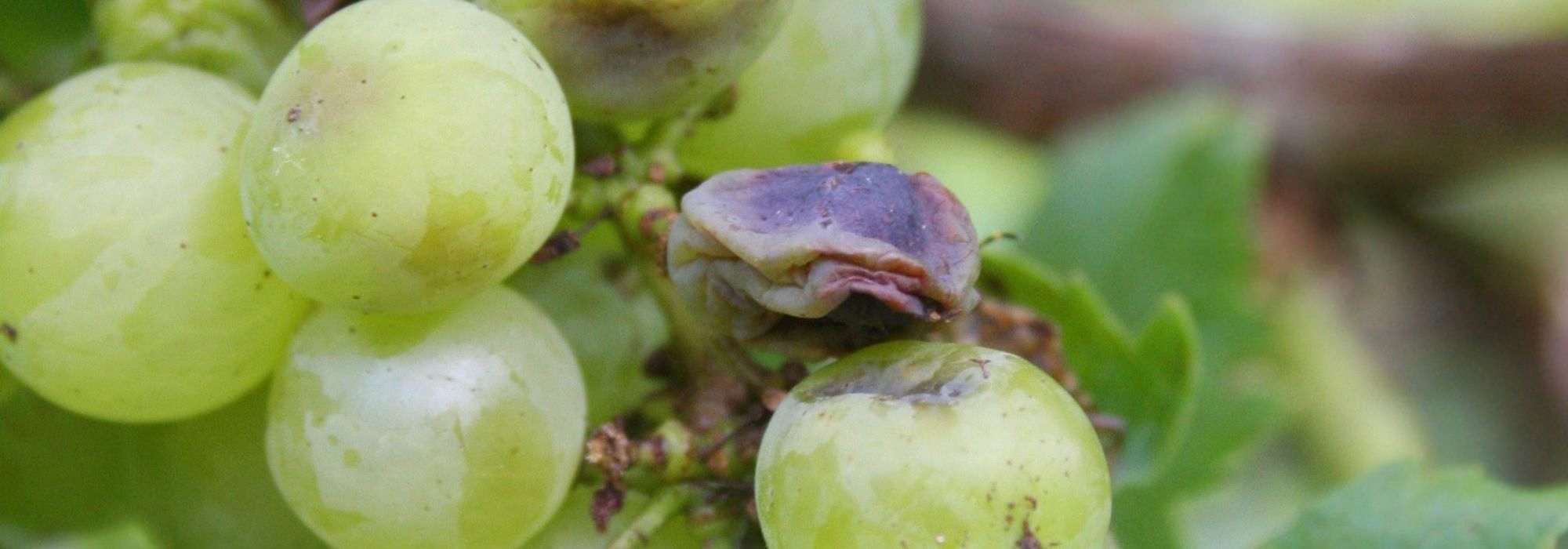
This vine is fairly resistant to classical diseases, powdery mildew, downy mildew and botrytis. On the other hand, it is susceptible to attacks from pests, notably mites (these tiny spiders often collectively called "red spiders") and grape worms (Eudémis).
Planting period
Intended location
Care
Planting & care advice
This item has not been reviewed yet - be the first to leave a review about it.
Recently viewed products
Haven't found what you were looking for?
Hardiness is the lowest winter temperature a plant can endure without suffering serious damage or even dying. However, hardiness is affected by location (a sheltered area, such as a patio), protection (winter cover) and soil type (hardiness is improved by well-drained soil).
In temperate climates, pruning of spring-flowering shrubs (forsythia, spireas, etc.) should be done just after flowering.
Pruning of summer-flowering shrubs (Indian Lilac, Perovskia, etc.) can be done in winter or spring.
In cold regions as well as with frost-sensitive plants, avoid pruning too early when severe frosts may still occur.
The harvesting period indicated on our website applies to countries and regions in USDA zone 8 (France, England, Ireland, the Netherlands).
In colder areas (Scandinavia, Poland, Austria...) fruit and vegetable harvests are likely to be delayed by 3-4 weeks.
In warmer areas (Italy, Spain, Greece, etc.), harvesting will probably take place earlier, depending on weather conditions.
The sowing periods indicated on our website apply to countries and regions within USDA Zone 8 (France, UK, Ireland, Netherlands).
In colder areas (Scandinavia, Poland, Austria...), delay any outdoor sowing by 3-4 weeks, or sow under glass.
In warmer climes (Italy, Spain, Greece, etc.), bring outdoor sowing forward by a few weeks.
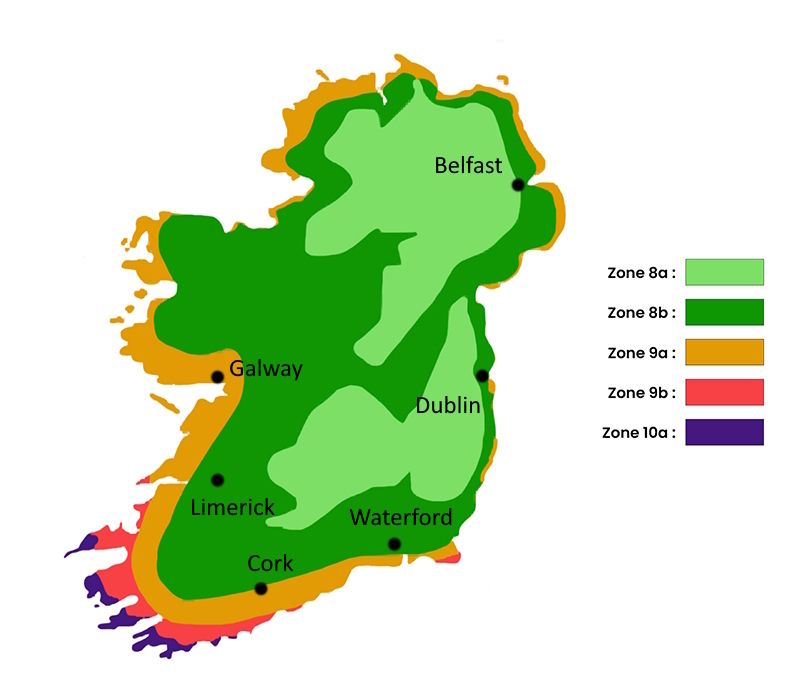
The planting period indicated on our website applies to regions in USDA Zone 9a (East Coast and Midlands: Dublin, Wexford, Waterford, Kilkenny, Portlaoise). It will vary depending on where you live:
- On the west coast and in the north-west (Galway, Limerick, Sligo, Donegal, Westport), delay planting by 1 to 2 weeks in spring and bring it forward by 1 to 2 weeks in autumn compared to the dates given, preferably choosing periods without strong winds.
- In the inland hills and plateaus (Wicklow Mountains, Macgillycuddy’s Reeks, Connemara, Killarney), it is best to plant in spring (April–May) or autumn (September–October), avoiding periods of waterlogged soil in winter and strong winds, which pose the main risk to newly planted trees in these areas.
The flowering period indicated on our website applies to regions in USDA Zone 9a, such as the East Coast and Midlands, including Dublin, Wexford, Waterford, Kilkenny and Portlaoise.
This will vary depending on where you live:
- On the west coast and in the northwest (Galway, Limerick, Sligo, Donegal and Westport), it will be delayed by one to two weeks compared to the given dates, due to stronger Atlantic winds and less spring sunshine.
- In the inland hills and plateaus (the Wicklow Mountains, the Macgillycuddy's Reeks, Connemara and Killarney), flowering will be delayed by two to three weeks. Flowering mainly occurs between May and July, with the limiting factors being less frost and more of the excessive humidity, strong winds and lack of sunshine that are characteristic of these areas.
Shipping country and language
Your country of residence may be:
Your country of residence is:
For a better user experience on our website, you can select:
Your shipping country:
-
 Austria
-
 Belgium
-
 Bosnia & Herzegovina
-
 Bulgaria
-
 Croatia
-
 Cyprus
-
 Czechia
-
 Denmark
-
 Estonia
-
 Finland
-
 France
-
 Germany
-
 Greece
-
 Hungary
-
 Iceland
-
 Ireland
-
 Italy
Italy
-
 Latvia
-
 Liechtenstein
-
 Lithuania
-
 Luxembourg
-
 Malta
Malta
-
 Netherlands
-
 Poland
-
 Portugal
-
 Romania
-
 Serbia
-
 Slovakia
-
 Slovenia
-
 Spain
Spain
-
 Sweden
-
 Switzerland
Language:
-
French
-
 English
-
Spanish
-
Italian
-
German
-
Portuguese
-
Dutch
-
Finnish
My Account
Hello
My wish lists
My cart
Log in / Register
Existing customer?
This form is protected by reCAPTCHA - the Google Privacy Policy and Terms of Service apply.
New customer?
Create an account to track your orders, access our customer service and, if you wish, make the most of our upcoming offers.