Vitis vinifera Crimson Seedless - Grape vine
Vitis vinifera Crimson Seedless - Grape vine
Vitis vinifera Crimson Seedless - Grape vine
Vitis vinifera Crimson Seedless - Grape vine
Vitis vinifera Crimson Seedless - Grape vine
Vitis vinifera Crimson Seedless - Grape vine
Vitis vinifera Crimson Seedless
Common Grape Vine, European Grape, Wine Grape
I thought the price was a bit excessive, but when I received it, it’s worth every penny. It’s very large and sturdy.
Céline , 17/03/2026
Back-to-school special offer!
Get €10 off for every €50 you spend! And get up to €40 off on a single order.
How does it work?
1. Shop your favourites
Add your favourite plants to your basket. For every €50 you spend (excluding delivery charges, store credit and the plastic-free option), you’ll receive a €10 voucher.
€50 spent = €10 voucher
€100 spent = €20 voucher
€150 spent = €30 voucher
€200 spent = €40 voucher
2. Place your order
Once your basket reaches one of the spending thresholds, place your order. You can even choose your delivery date!
3. Receive your voucher
As soon as your order has been shipped, you’ll receive an email containing your personal voucher code and its value.
4. Use it on your next order
Your voucher is valid for 90 days from the date you receive it. It can be used once only, on a new order worth at least the value of the voucher, excluding delivery charges.
Please note: Vouchers can be combined with other offers, but cannot be split or refunded.
Home or relay delivery (depending on size and destination)
Important: You may be charged customs duties by your country’s customs authorities upon delivery.
Schedule delivery date,
and select date in basket
This plant carries a 12 months recovery warranty
More information
We guarantee the quality of our plants for a full growing cycle, and will replace at our expense any plant that fails to recover under normal climatic and planting conditions.

Description
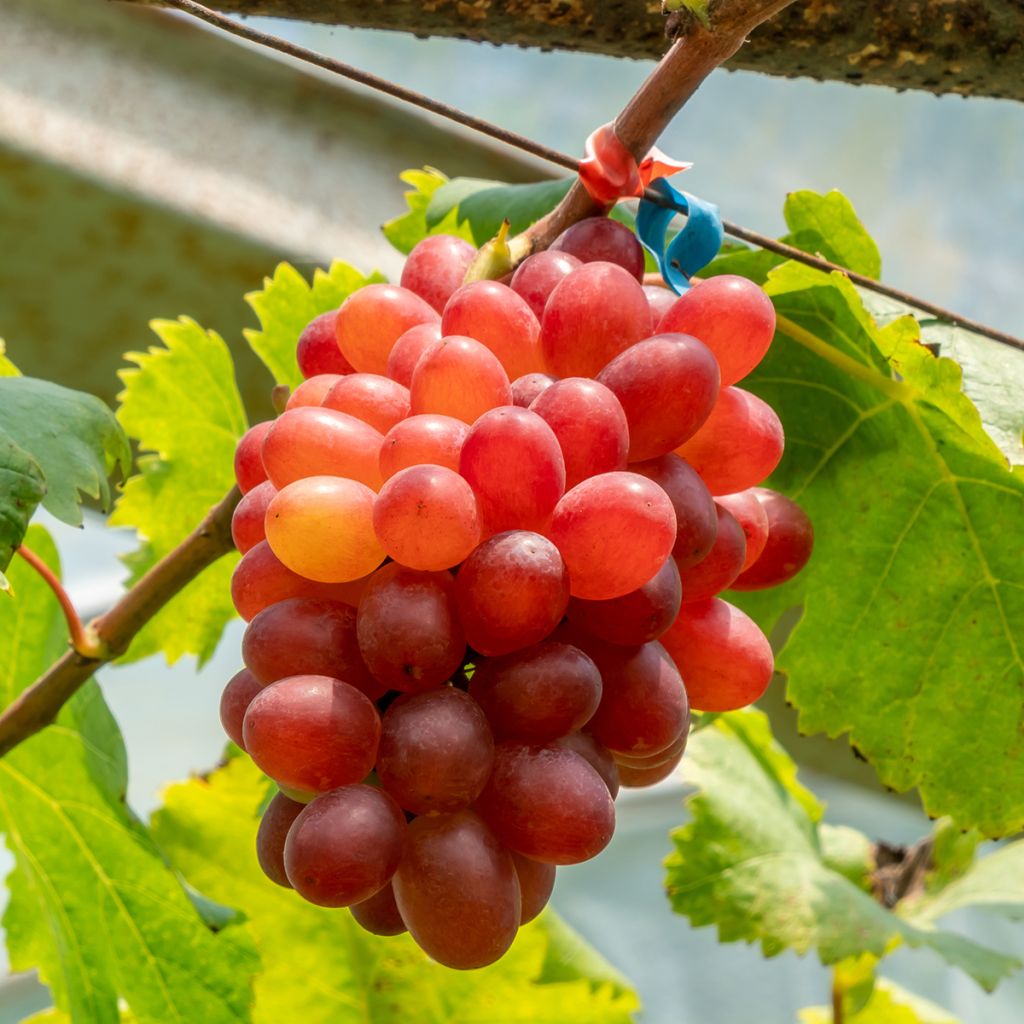
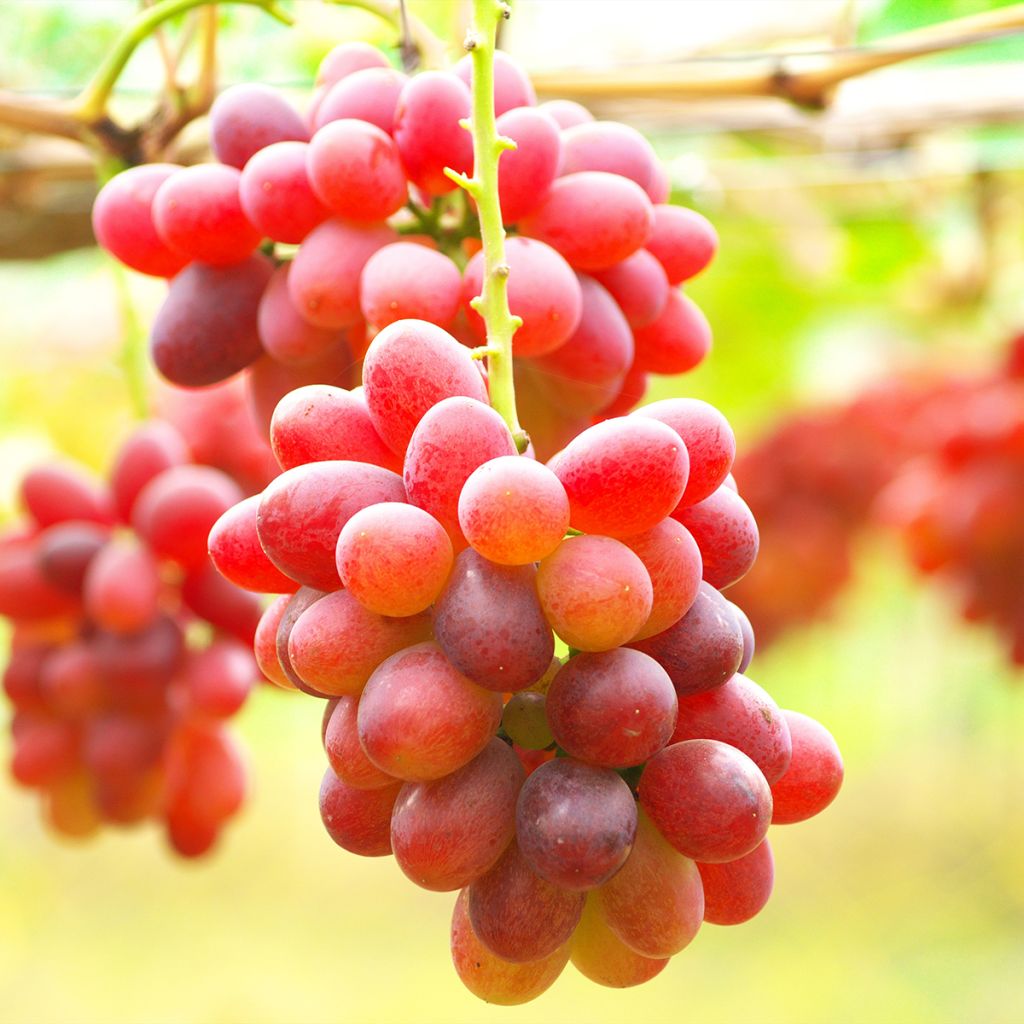
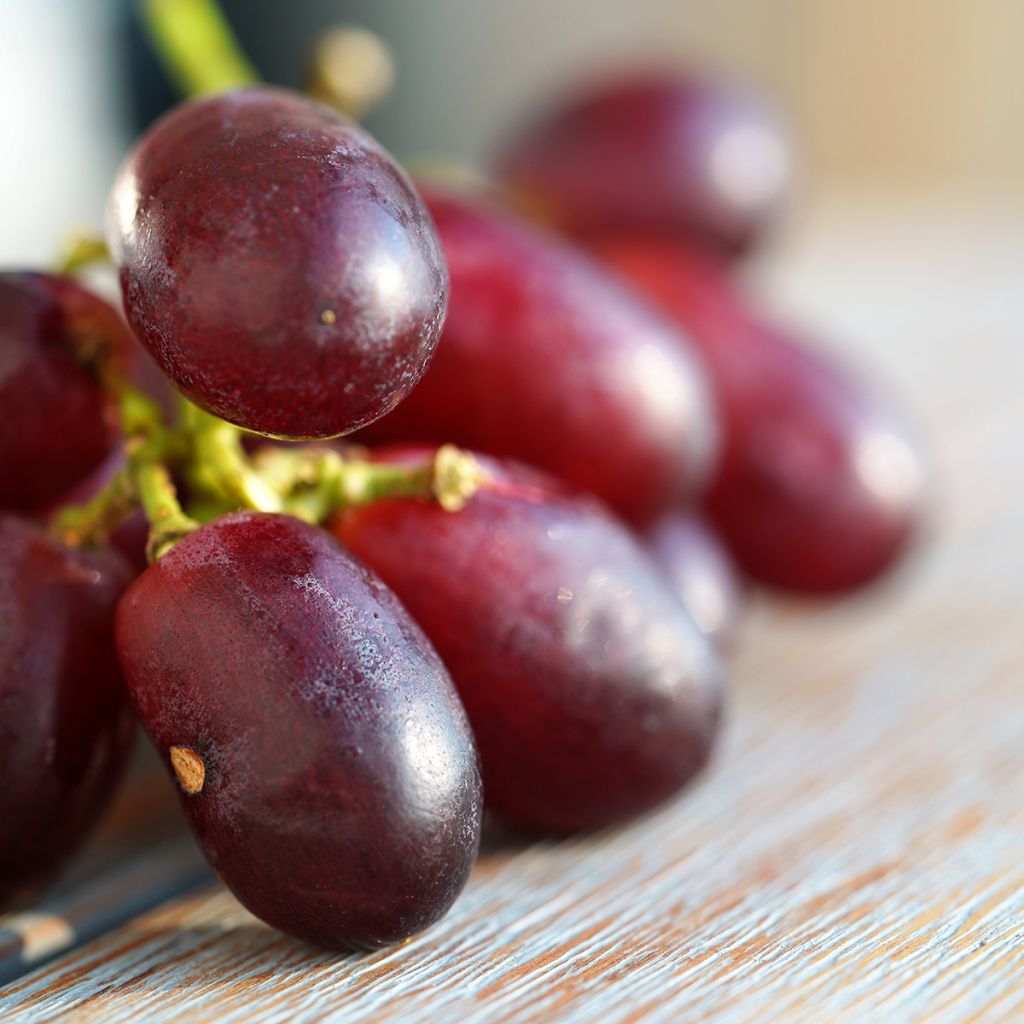
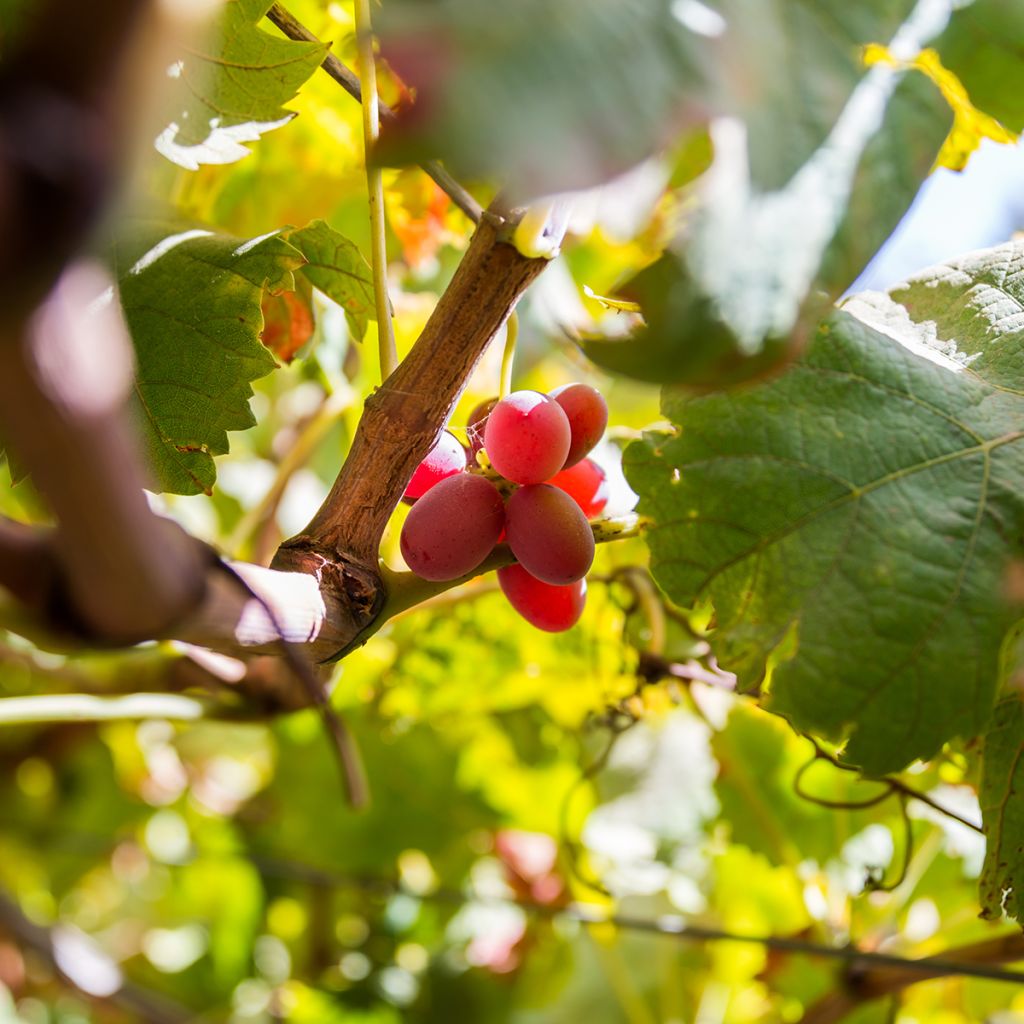
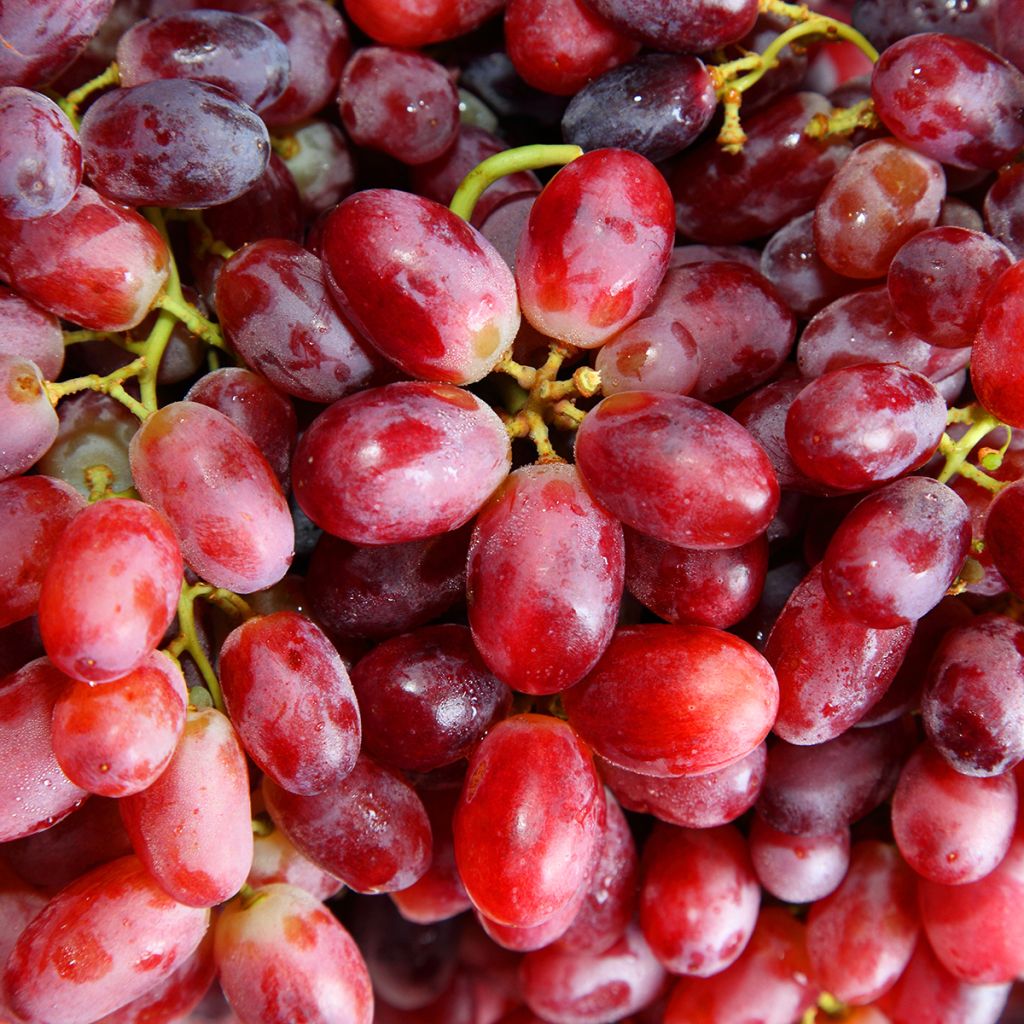
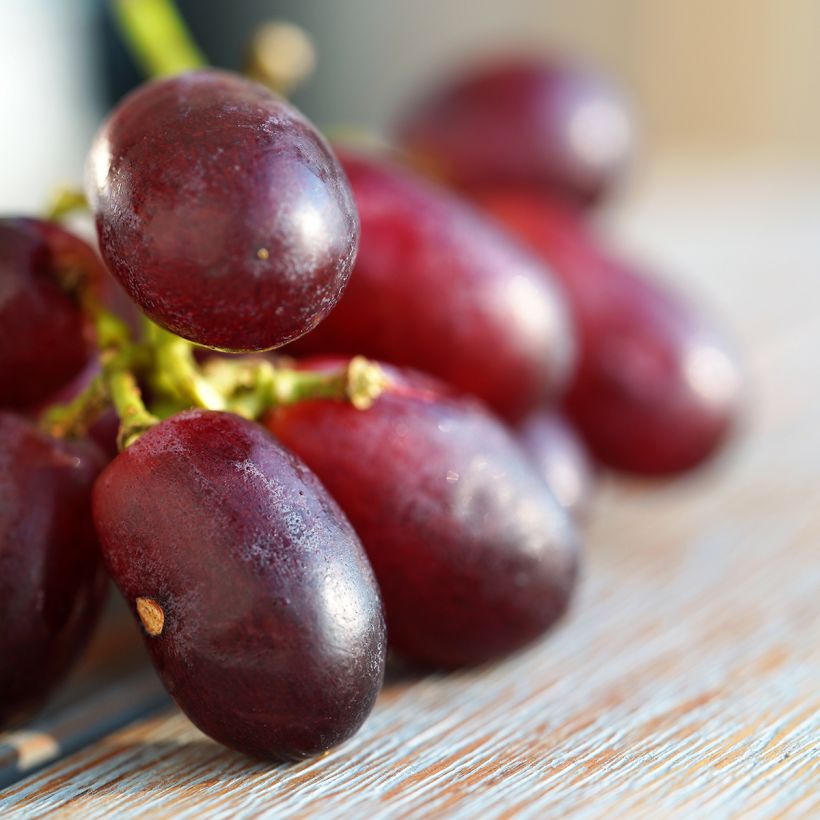
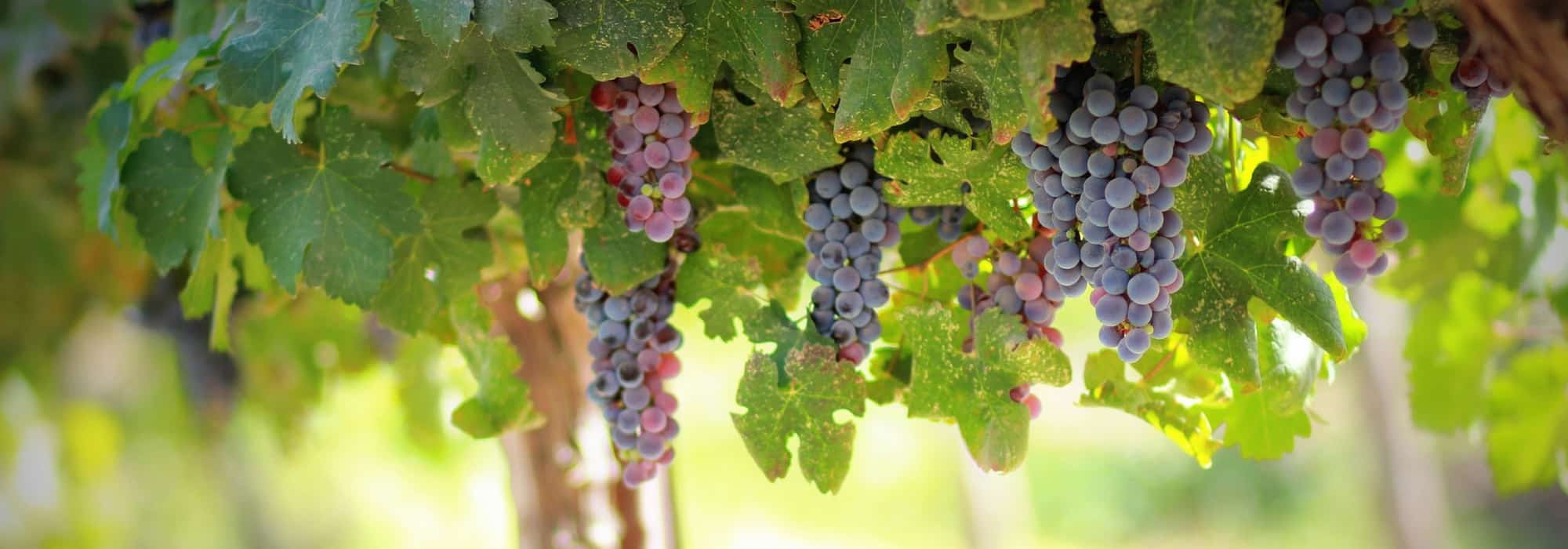
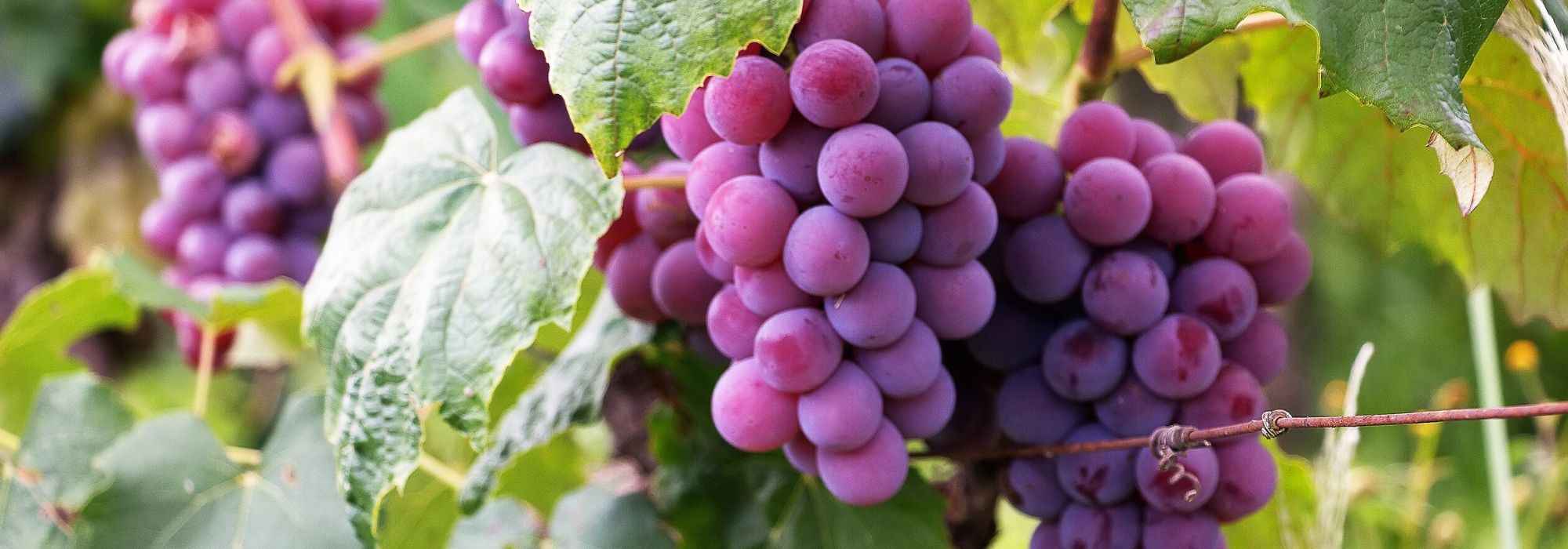
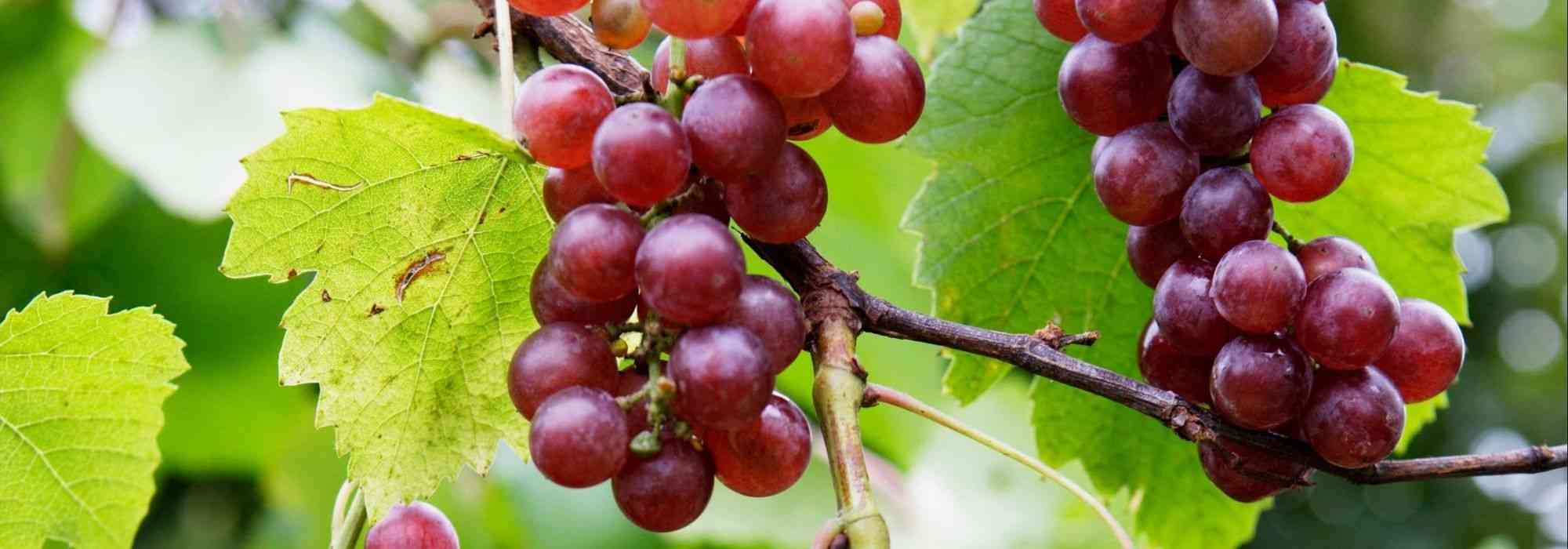
The Crimson Seedless Table Grape is a fairly late variety. Harvest will start around mid-September in the south, and early October in the north of the Loire. In the latter regions, the flowering is not afraid of late frosts, but be careful that the grapes ripen before the arrival of winter. It produces medium to large-sized clusters, conical in shape, more or less compact, with a long and strong stalk, weighing 400 to 500 grams. They are composed of medium-sized grains, elliptical in shape, with a heterogeneous colour ranging from pink to violet-red, covered with a light whitish bloom. The grain is firm and crunchy, with a thick skin and transparent, juicy, sweet flesh, with a fairly neutral taste and without seeds. Dehydrating and refreshing, grapes can be eaten fresh when ripe or transformed into fruit juice, jam, jelly, pastries, fruit salads, etc. This variety is susceptible to mildew, powdery mildew, and gray rot.
The wine grape, in Latin Vitis vinifera, belongs to the Vitaceae family, just like the Virginia creeper. It has been cultivated for thousands of years in North Africa, the Middle East, the Caucasus, and Europe. Between 1000 and 500 BC, it was introduced by the Romans to Italy, Sicily, Spain, Portugal, and southern France. During this ancient period, wines were diluted with water and flavored with herbs and spices. It is from the Middle Ages that wine is found as we know it today. In the 17th century, winemaking shifted towards the production of higher quality wines, but at the end of the 19th century, phylloxera destroyed a large part of the French vineyards, and thus, in the 20th century, the science of wine, oenology, emerged. This species is cultivated for its clustered fruits called "grapes," which can be consumed either fresh as table grapes, fermented into wine, or dried as raisins.
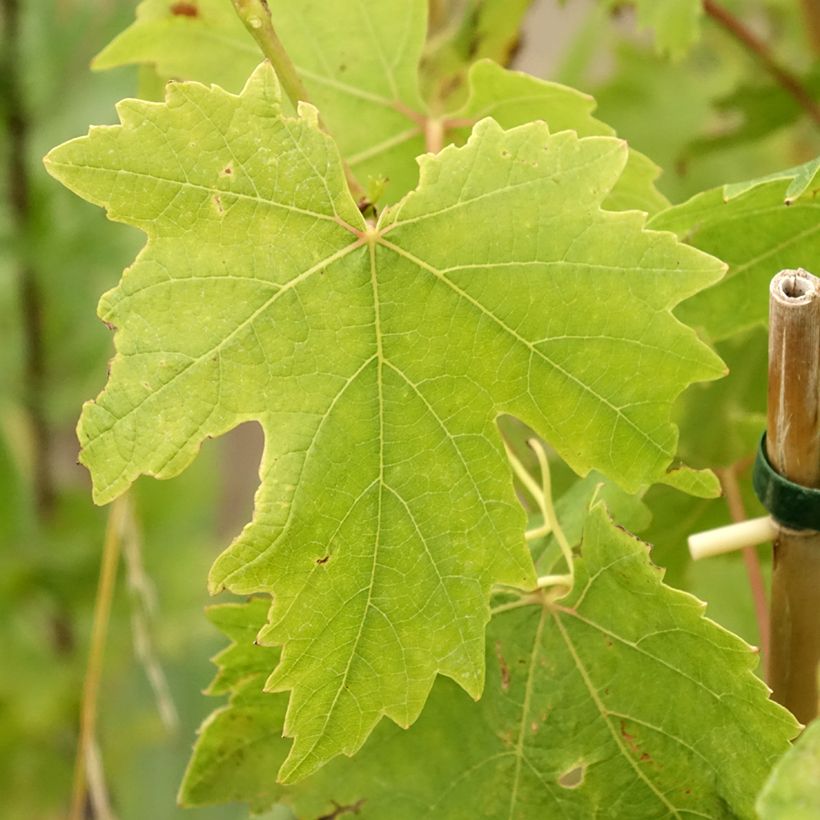
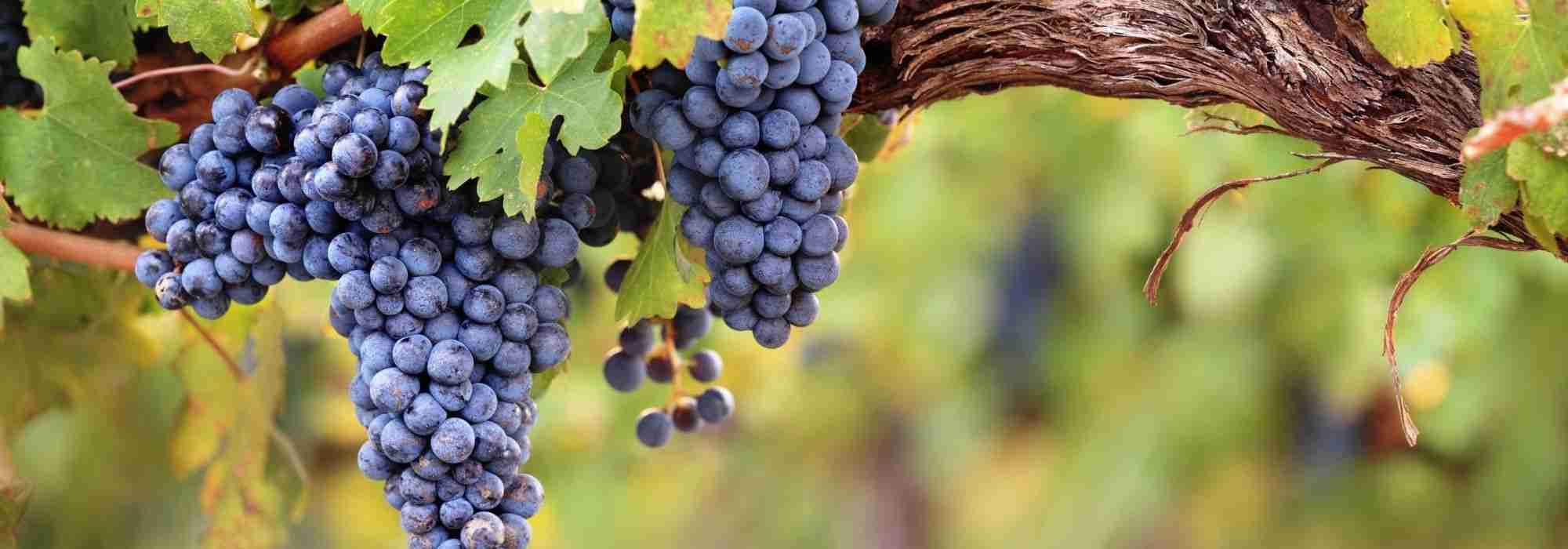
The Crimson Seedless variety was obtained by David Wilder Ramming and Ronald Tarailo in the United States (California), where it has been cultivated since 1989. It is the result of a cross between Emperor (synonyms: Empereur, Red Emperor, Red Emperador, Genova Rossa) and C33-199. Still relatively unknown in France, it is the most common table grape in California and widely grown in South America, South Africa, and Spain. It forms a plant with long, woody, and climbing branches, called canes when they are old and lignified, reaching 4 to 6 meters (13 to 20 feet) in spread, or even more when trained. The shoots are the young branches that bear the leaves, fruits, and tendrils that allow the vine to wrap around a support. Its root system can reach up to 5 meters (16 feet) deep in the soil, providing the vine with good drought resistance. Highly aesthetic, the branches are borne by a twisted trunk with bark that peels off in strips with age. With remarkable longevity, the vine can live for several centuries. Its deciduous foliage consists of large leaves measuring 8 to 16 cm (3 to 6in) in span, alternate, with 5 or 7 lobes, and toothed on the edge, attached to the branches by a long petiole. They change from tender green at bud burst to medium green during the season, and in autumn, they take on colours ranging from golden yellow to orange to violet-red, offering a very colourful spectacle. The very discreet flowering occurs in May-June. Opposite the leaves, it appears as a cluster measuring 10 to 12 cm (4 to 5in) long, composed of small insignificant flowers, yellowish-green, with 5 prominent stamens. As a self-fertile variety, the hermaphroditic flowers self-pollinate. To form the cluster, the fleshy and globular berries are attached to the stem by small pedicels. The floral buds freeze at -2°C (28.4°F), but the relatively late flowering of this variety is not particularly sensitive to spring frosts. This hardy plant can withstand temperatures of around -20°C (-4°F) but dislikes summer humidity, which promotes the appearance of spots on the leaves and fruits (powdery mildew and downy mildew). This variety can be grown anywhere in France in a sunny and warm location, in well-drained, deep, even poor, dry, and chalky soil.
The Crimson Seedless table grape is a productive and vigorous variety, with rapid fruiting, around 2 to 3 years, becoming optimal after 7 to 8 years. However, it is advisable to prune sparingly to avoid exhausting it. To achieve beautiful fruit coloring, light leaf removal can be practiced. The harvest, uniform and abundant, extends from late September to late October depending on the region and climate. It is important to only pick the fruits when they are ripe, as they do not ripen further, and to delicately harvest the cluster with its stalk using pruning shears. A vine can produce a quantity of 20 to 30 kg per year, varying depending on vine management. Grapes can only be stored for a few days in a cool place or in the refrigerator.
Seedless, firm, juicy, and sweet, this table grape is delicious to eat raw. It is also an ideal fruit for making jam, jelly, and fruit juice, for making clafoutis, cakes, custards, or fruit salads, and for accompanying savory dishes based on poultry (turkey, chicken, quail, duck, etc.). It pairs wonderfully with cheese, endives, walnuts, cured ham, etc. Rich in carbohydrates (glucose and fructose) from 16 to 18 g per 100 g, grapes are a calorie-dense fruit (approx. 80 Cal/100 g). Their content of vitamins B (B2, B6) and C, phenolic antioxidants, fiber, manganese, potassium, calcium, magnesium, with a significant contribution of iron, make grapes a health asset. They are a healthy, natural, and tasty fruit.
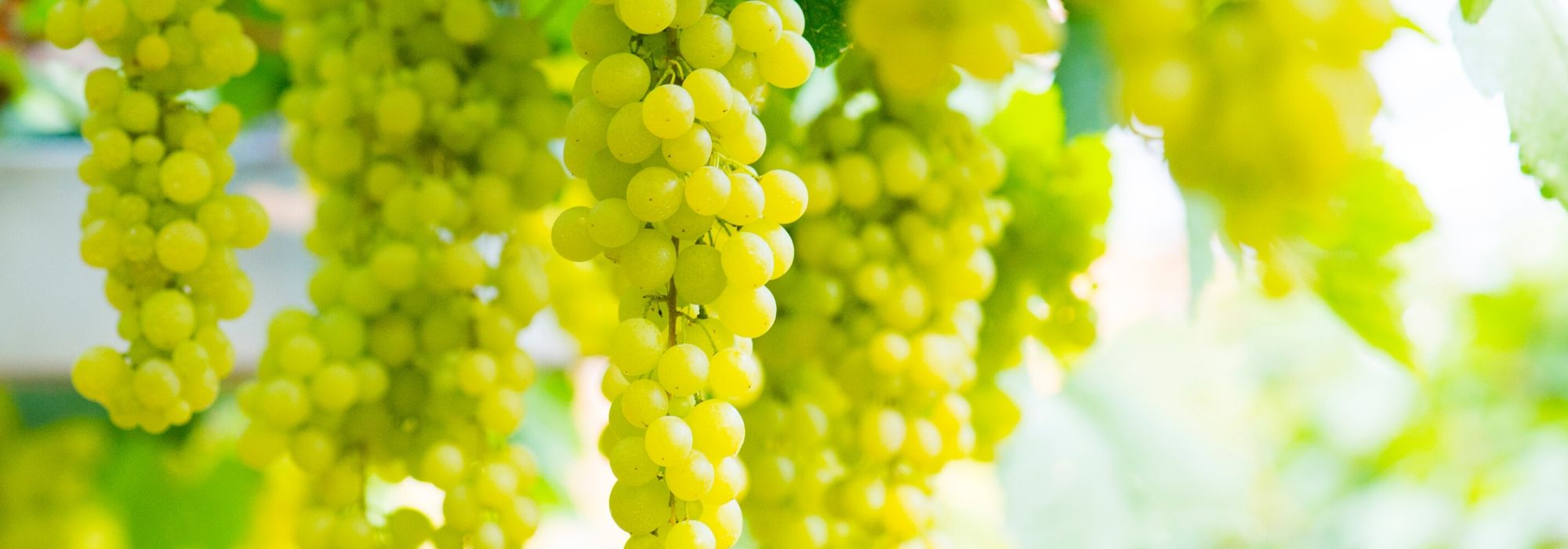
In addition to its fruiting capabilities, the Crimson Seedless table grape can showcase its ornamental qualities when trained on a pergola, arbor, or wall. To offer a tasting of table grapes from August to October, it may be interesting to combine it with other earlier varieties, such as Chasselat doré, Chasselat rose, Roi des précoces, Centennial Seedless, Perlette, Madeleine Royal, or later ones such as Alphonse Lavallée, Centennial Seedless, Exalta, Muscat d'Alexandrie, Muscat de Hambourg, Sultanica bianca. But in any case, among a wide range of grapevines, it is easy to find the one that best suits your desires.
For a more urban use, it is entirely possible to cultivate a vine in a pot on a balcony or terrace, trained in a warm and well-pruned situation. In this configuration, the vine will be highly ornamental.
Vitis vinifera Crimson Seedless - Grape vine in pictures
Plant habit
Fruit
Flowering
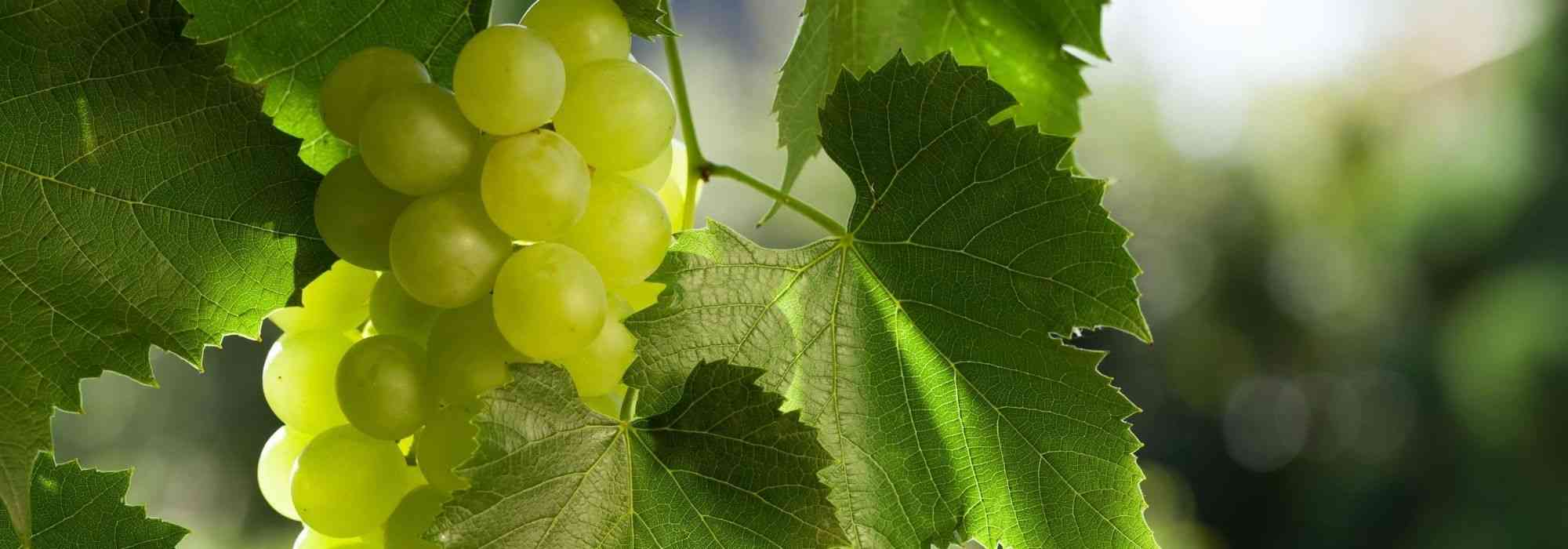
Foliage
Planting and care
Plant the Crimson Seedless vine-plant in autumn, in a deep, well-drained, even rocky, arid, poor and calcareous soil, in a well-sunny position, sheltered from strong winds. Incorporate 3 or 4 handfuls of fertilizer for fruit trees and 2 kg of composted manure for each vine-plant into the planting soil. The roots should not come into contact with the manure. After planting, prune above 2 large buds (buds) to promote the development of two branches. Keep the most vigorous woody climbing stem and tie it to a stake. This will be followed by training pruning, in a vertical cord, which will be detailed in the dedicated chapter.
The vine-plant does not require regular fertilizer application for good yield, on the contrary. Enrich the soil with potash slag, crushed horn or iron chelate, only every 2-3 years.
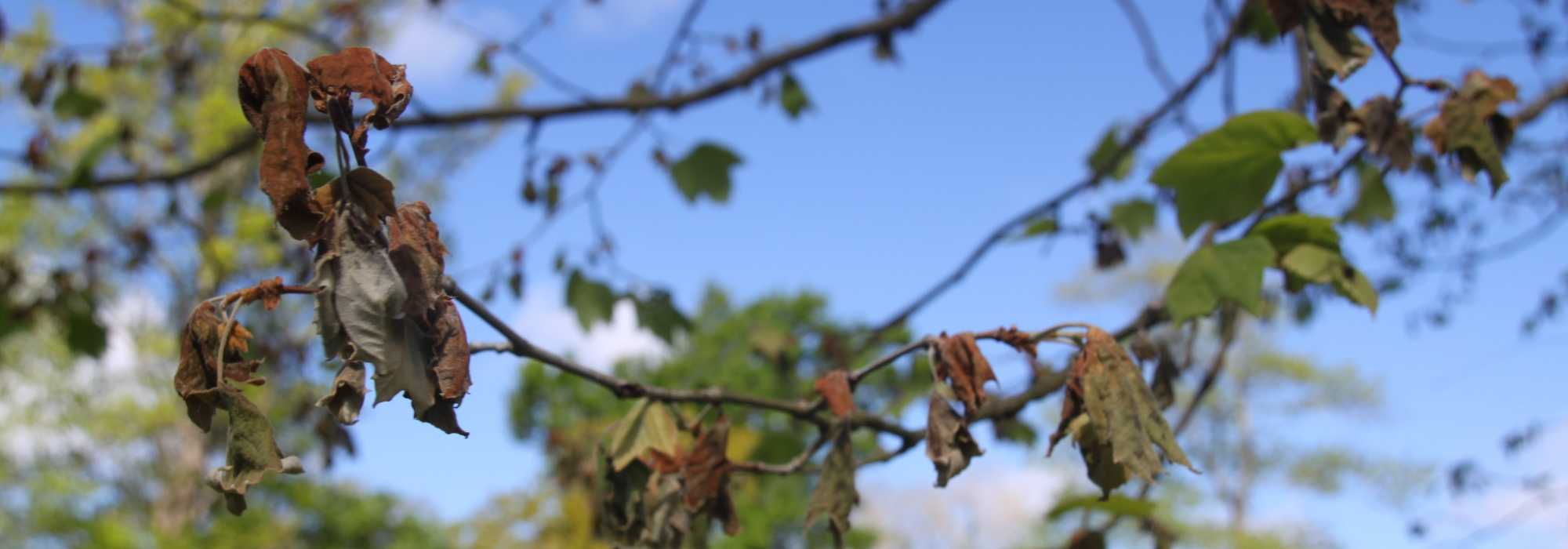
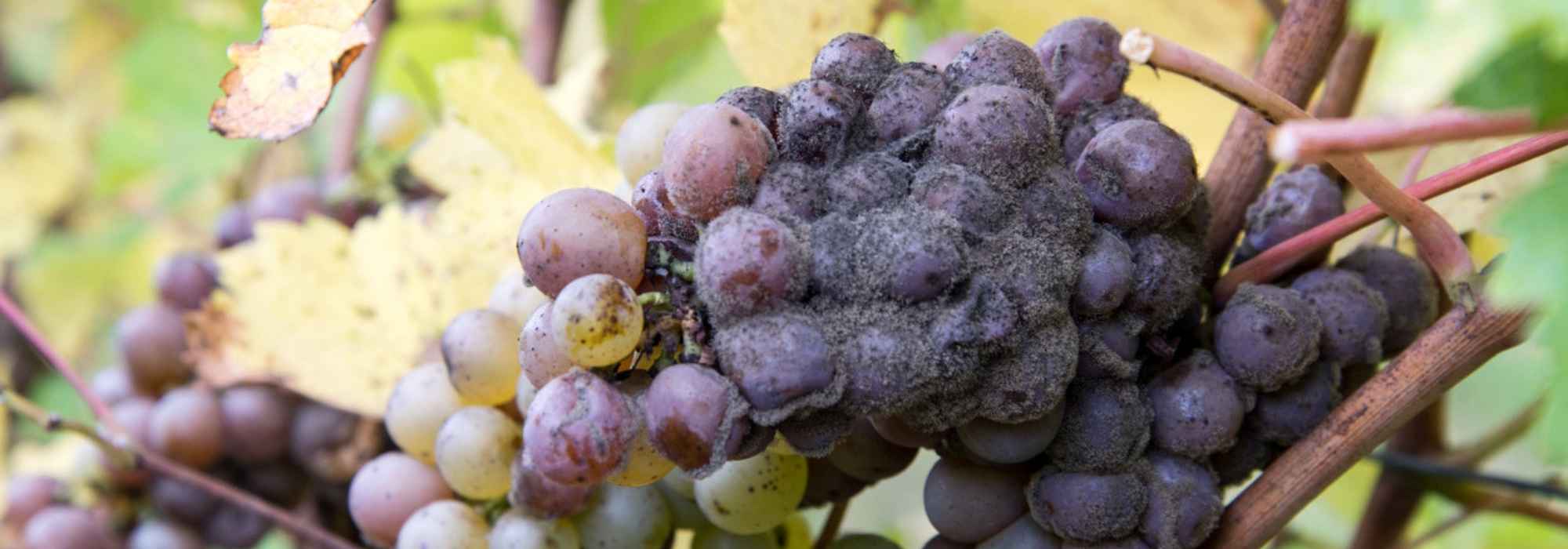
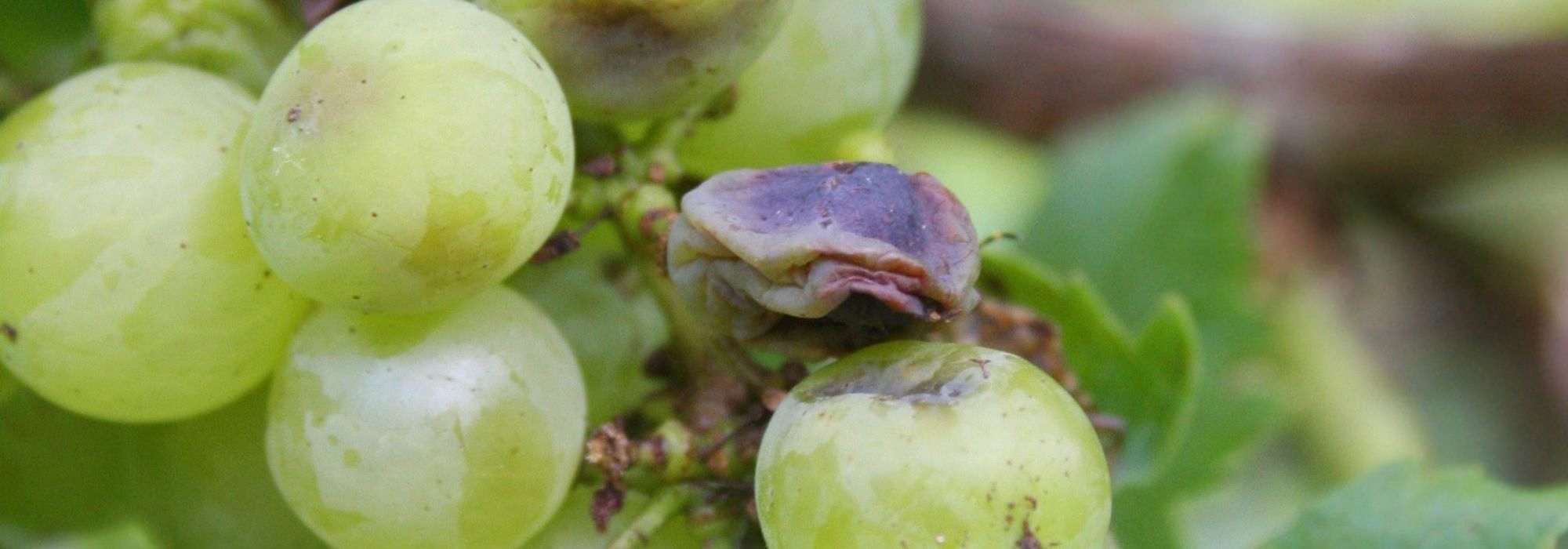
The Crimson Seedless vine-plant is naturally resistant to fungal diseases, particularly Downy Mildew. It does not require regular treatments. The most commonly encountered enemies of the vine-plant are the grapevine moth (Cochylis) and the European grapevine moth (grape berry moth), which should be treated with insecticidal twice at a fifteen-day interval during the growing season. There is also powdery mildew (oil spots on the leaf, white down on the underside) and grey rot (mold on the berries in humid weather). For these two fungal diseases, use Bordeaux mixture at the first symptoms. Alternatively, treat with sulfur against powdery mildew (white-gray felting on the top of the leaves), in good weather, not too hot.
Since the devastating effects of phylloxera at the end of the 19th century, the vine-plant must be grafted onto different rootstocks resistant to this disease and adapted to different types of soil. These rootstocks are derived from American varieties naturally armed against this formidable parasite, which itself originates from America.
Planting period
Intended location
Care
Planting & care advice
-
, onOrder confirmed
Reply from on Promesse de fleurs
Recently viewed products
Haven't found what you were looking for?
Hardiness is the lowest winter temperature a plant can endure without suffering serious damage or even dying. However, hardiness is affected by location (a sheltered area, such as a patio), protection (winter cover) and soil type (hardiness is improved by well-drained soil).
In temperate climates, pruning of spring-flowering shrubs (forsythia, spireas, etc.) should be done just after flowering.
Pruning of summer-flowering shrubs (Indian Lilac, Perovskia, etc.) can be done in winter or spring.
In cold regions as well as with frost-sensitive plants, avoid pruning too early when severe frosts may still occur.
The harvesting period indicated on our website applies to countries and regions in USDA zone 8 (France, England, Ireland, the Netherlands).
In colder areas (Scandinavia, Poland, Austria...) fruit and vegetable harvests are likely to be delayed by 3-4 weeks.
In warmer areas (Italy, Spain, Greece, etc.), harvesting will probably take place earlier, depending on weather conditions.
The sowing periods indicated on our website apply to countries and regions within USDA Zone 8 (France, UK, Ireland, Netherlands).
In colder areas (Scandinavia, Poland, Austria...), delay any outdoor sowing by 3-4 weeks, or sow under glass.
In warmer climes (Italy, Spain, Greece, etc.), bring outdoor sowing forward by a few weeks.
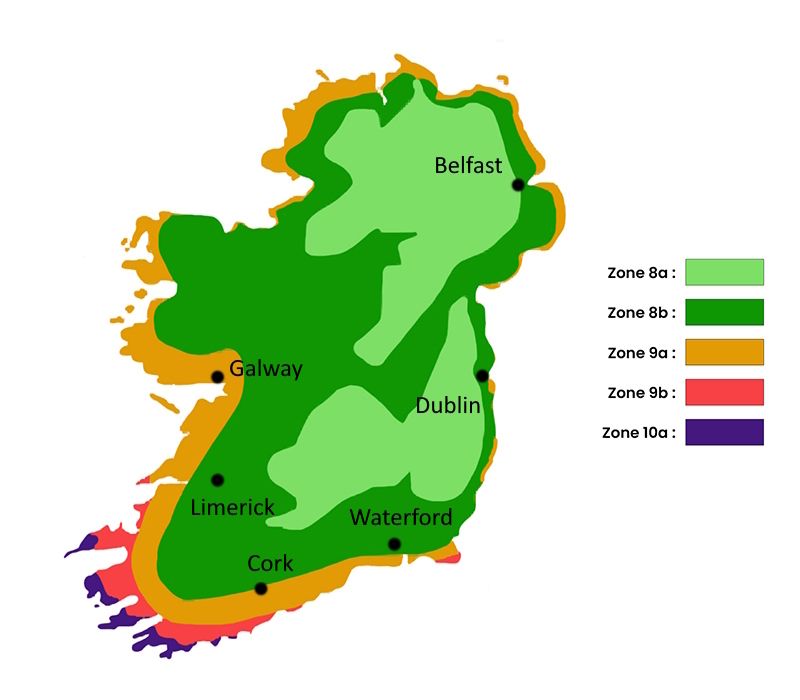
The planting period indicated on our website applies to regions in USDA Zone 9a (East Coast and Midlands: Dublin, Wexford, Waterford, Kilkenny, Portlaoise). It will vary depending on where you live:
- On the west coast and in the north-west (Galway, Limerick, Sligo, Donegal, Westport), delay planting by 1 to 2 weeks in spring and bring it forward by 1 to 2 weeks in autumn compared to the dates given, preferably choosing periods without strong winds.
- In the inland hills and plateaus (Wicklow Mountains, Macgillycuddy’s Reeks, Connemara, Killarney), it is best to plant in spring (April–May) or autumn (September–October), avoiding periods of waterlogged soil in winter and strong winds, which pose the main risk to newly planted trees in these areas.
The flowering period indicated on our website applies to regions in USDA Zone 9a, such as the East Coast and Midlands, including Dublin, Wexford, Waterford, Kilkenny and Portlaoise.
This will vary depending on where you live:
- On the west coast and in the northwest (Galway, Limerick, Sligo, Donegal and Westport), it will be delayed by one to two weeks compared to the given dates, due to stronger Atlantic winds and less spring sunshine.
- In the inland hills and plateaus (the Wicklow Mountains, the Macgillycuddy's Reeks, Connemara and Killarney), flowering will be delayed by two to three weeks. Flowering mainly occurs between May and July, with the limiting factors being less frost and more of the excessive humidity, strong winds and lack of sunshine that are characteristic of these areas.
Shipping country and language
Your country of residence may be:
Your country of residence is:
For a better user experience on our website, you can select:
Your shipping country:
-
 Austria
-
 Belgium
-
 Bosnia & Herzegovina
-
 Bulgaria
-
 Croatia
-
 Cyprus
-
 Czechia
-
 Denmark
-
 Estonia
-
 Finland
-
 France
-
 Germany
-
 Greece
-
 Hungary
-
 Iceland
-
 Ireland
-
 Italy
Italy
-
 Latvia
-
 Liechtenstein
-
 Lithuania
-
 Luxembourg
-
 Malta
Malta
-
 Netherlands
-
 Poland
-
 Portugal
-
 Romania
-
 Serbia
-
 Slovakia
-
 Slovenia
-
 Spain
Spain
-
 Sweden
-
 Switzerland
Language:
-
French
-
 English
-
Spanish
-
Italian
-
German
-
Portuguese
-
Dutch
-
Finnish
My Account
Hello
My wish lists
My cart
Log in / Register
Existing customer?
This form is protected by reCAPTCHA - the Google Privacy Policy and Terms of Service apply.
New customer?
Create an account to track your orders, access our customer service and, if you wish, make the most of our upcoming offers.