Rosa Parfum dEvita - Climbing Rose
Rosa Parfum dEvita - Climbing Rose
Rosa Parfum d'Evita 'Barise'
It's not growing... I'm going to move it somewhere else.
Geralde , 24/05/2025
Back-to-school special offer!
Get €10 off for every €50 you spend! And get up to €40 off on a single order.
How does it work?
1. Shop your favourites
Add your favourite plants to your basket. For every €50 you spend (excluding delivery charges, store credit and the plastic-free option), you’ll receive a €10 voucher.
€50 spent = €10 voucher
€100 spent = €20 voucher
€150 spent = €30 voucher
€200 spent = €40 voucher
2. Place your order
Once your basket reaches one of the spending thresholds, place your order. You can even choose your delivery date!
3. Receive your voucher
As soon as your order has been shipped, you’ll receive an email containing your personal voucher code and its value.
4. Use it on your next order
Your voucher is valid for 90 days from the date you receive it. It can be used once only, on a new order worth at least the value of the voucher, excluding delivery charges.
Please note: Vouchers can be combined with other offers, but cannot be split or refunded.
Why not try an alternative variety in stock?
View all →
Available in 2 sizes

Available in 2 sizes

Available in 2 sizes

Available in 2 sizes

Available in 2 sizes
Available in 2 sizes

Available in 2 sizes

Available in 3 sizes

Available in 2 sizes

Available in 4 sizes
This plant carries a 24 months recovery warranty
More information
We guarantee the quality of our plants for a full growing cycle, and will replace at our expense any plant that fails to recover under normal climatic and planting conditions.


Description
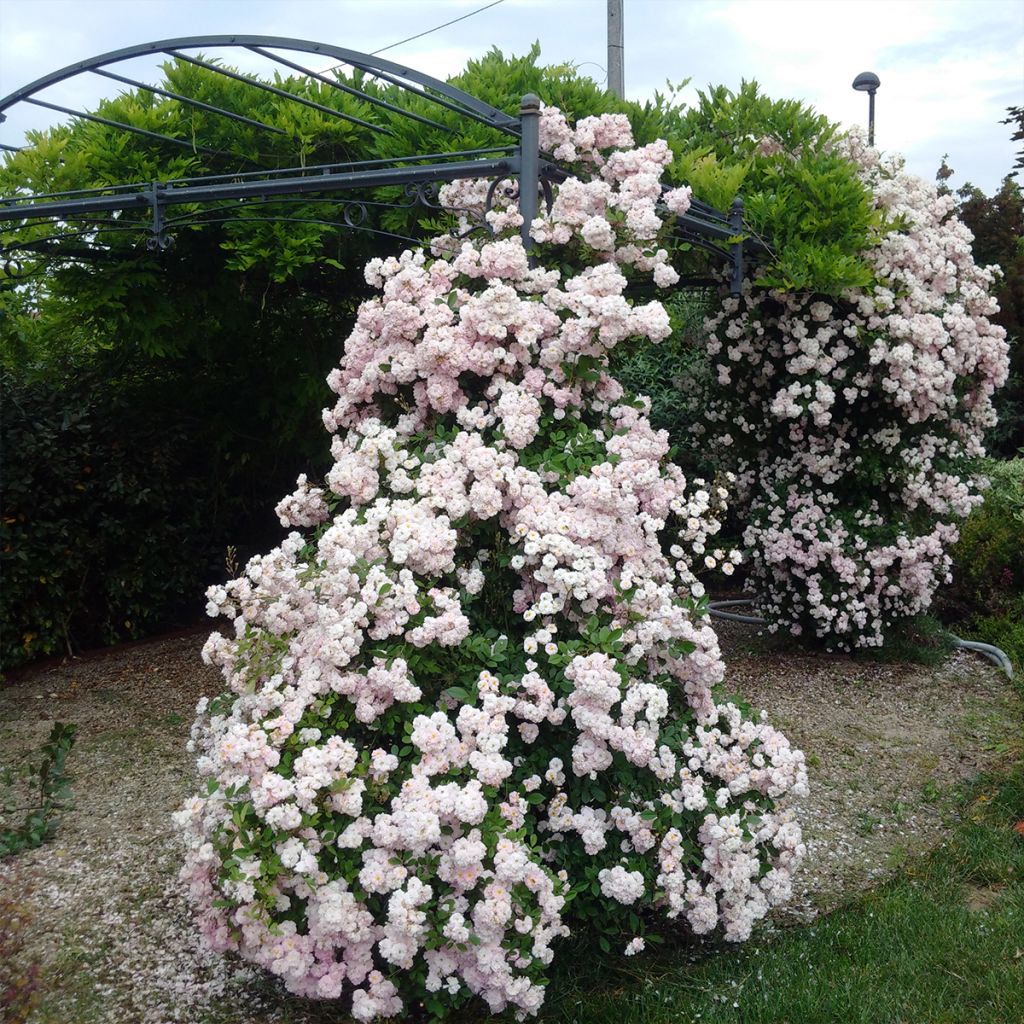
The climbing rose 'Parfum d'Evita' is a wonderful Italian creation that combines many qualities. Not very tall, compact yet vigorous, divinely scented and incredibly floriferous from June to October, it also has excellent natural disease resistance. Its small semi-double flowers in pastel pink tones bloom tirelessly in glorious clusters, perfectly highlighted by dark green foliage that remains attractive throughout the season. A vibrant plant, very easy to grow, and versatile, it can also be trained as a large bush according to each gardener's preferences.
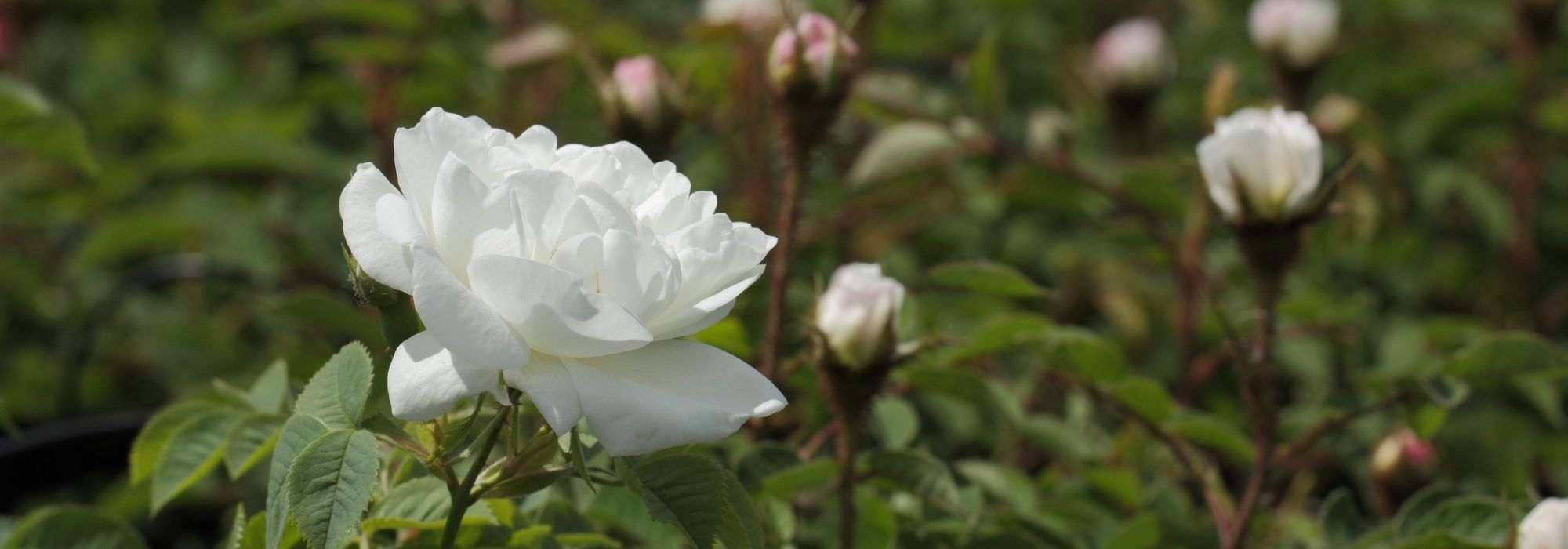
The rose 'Parfum d'Evita' or 'Barise' is sometimes marketed under Brise Parfum. It is an excellent creation from Roses Barni (Italy) in 2006. This rose has obtained the highly demanding German ADR label for its ornamental qualities, fragrance, robustness, and excellent disease resistance. This horticultural hybrid belongs to the floribunda rose family, with flowers arranged in clusters. It grows rapidly, developing long woody climbing stems, upright, green, and more or less covered with sharp prickles, flexible enough to be trained. This variety reaches a height of 2.50 to 4 metres (8 to 13 feet) with a spread of 1 metre (3 feet), depending on how it is pruned and trained. Its stems are covered with finely toothed leaflets of a fairly deep green colour. The roses of 'Parfum d'Evita', measuring 5 cm (2in) in width, have the shape of flat cups and are grouped in large clusters. The flowering continues from May-June to November, as long as there is no frost. The flower buds are pink, and the slightly paler flowers, after opening, gradually fade to lilac. At the centre is a bouquet of yellow stamens crowned with white. Their fragrance is delightful, both powdery and fruity. The deciduous foliage falls in autumn.
'Parfum d'Evita' is an excellent rose for small spaces and container cultivation. It gives an incomparable touch to a wall or fence, which it covers with a flowery mantle for months. Like other climbing roses, it is unmatched for adorning a gate, fences, and small pergolas, but it can also be used as a bush by regularly pruning it to encourage branching and limit its height. In this use, it can be paired with white or mauve lilacs, buddleias in the same tones… Its pastel pink flowering blends well with the 'Prince Charles' clematis, blue or Miss Bateman, with white flowers. It is an ideal companion for sheds, giving a charming appeal. Trained on an arch or placed on a terrace, it dresses up any setting without demanding much effort from the gardener who planted it.

Rosa Parfum dEvita - Climbing Rose in pictures
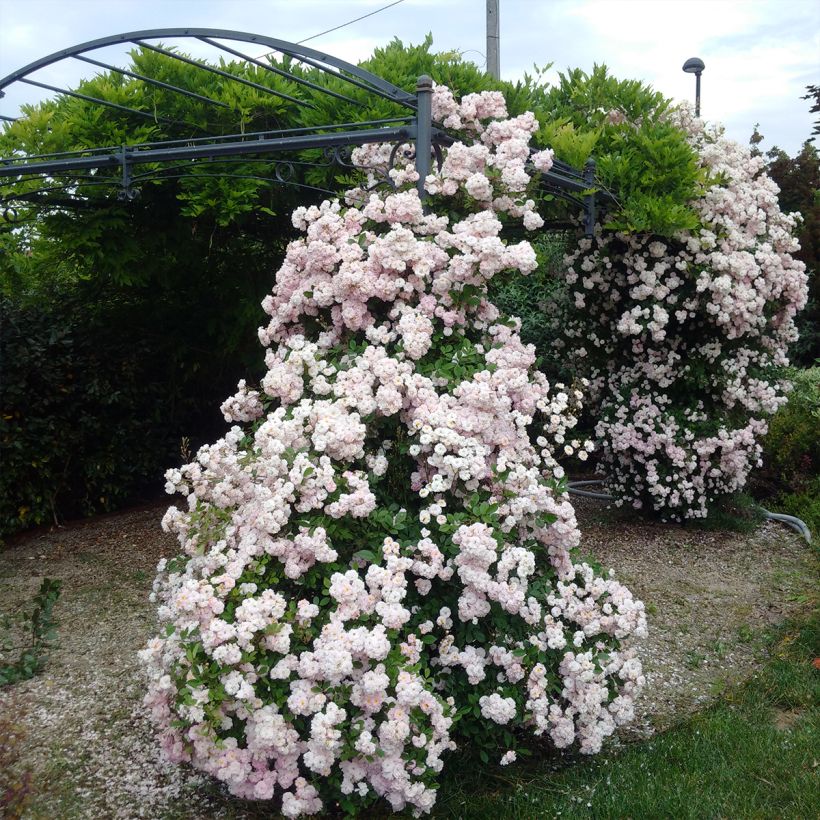
Plant habit
Flowering
Foliage
Botanical data
Rosa
Parfum d'Evita 'Barise'
Rosaceae
Cultivar or hybrid
Planting and care
The climbing rose 'Parfum d'Evita' prefers sunny locations but is sensitive to scorching and confined exposures, which can make it more susceptible to powdery mildew. It is advised to avoid training it against a south or west-facing wall. While it doesn't thrive in excessive limestone, it can tolerate it. The rose prefers deep, fertile, and relatively fresh soils to reach its full potential.
It is adaptable to any garden if the soil is deep, well-worked, and rich enough. To plant the rose, prepare the soil by breaking it up well and adding an amendment, such as blood, fish, and bone, at the bottom of the planting hole. Water generously after planting to eliminate air pockets. Water regularly for a few weeks to facilitate root development and during the first two dry and hot summers. Pruning of this rose is only necessary to limit its vigour. If its spread bothers you, don't hesitate to reduce the branches.
Planting period
Intended location
Care
Planting & care advice
-

-

-

-

-

-

-
-

-
, onOrder confirmed
Reply from on Promesse de fleurs
Haven't found what you were looking for?
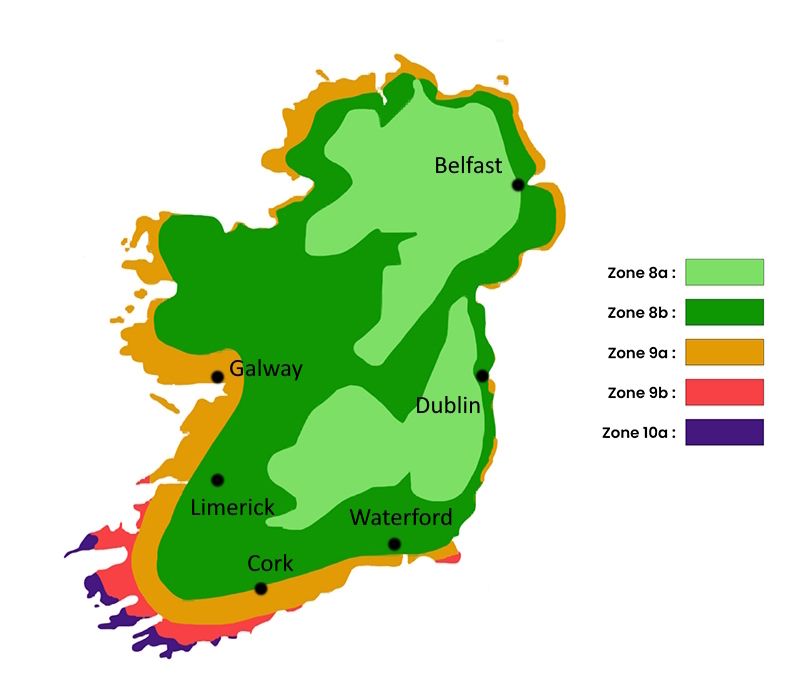
Hardiness is the lowest winter temperature a plant can endure without suffering serious damage or even dying. However, hardiness is affected by location (a sheltered area, such as a patio), protection (winter cover) and soil type (hardiness is improved by well-drained soil).
In temperate climates, pruning of spring-flowering shrubs (forsythia, spireas, etc.) should be done just after flowering.
Pruning of summer-flowering shrubs (Indian Lilac, Perovskia, etc.) can be done in winter or spring.
In cold regions as well as with frost-sensitive plants, avoid pruning too early when severe frosts may still occur.
The sowing periods indicated on our website apply to countries and regions within USDA Zone 8 (France, UK, Ireland, Netherlands).
In colder areas (Scandinavia, Poland, Austria...), delay any outdoor sowing by 3-4 weeks, or sow under glass.
In warmer climes (Italy, Spain, Greece, etc.), bring outdoor sowing forward by a few weeks.
The planting period indicated on our website applies to regions in USDA Zone 9a (East Coast and Midlands: Dublin, Wexford, Waterford, Kilkenny, Portlaoise). It will vary depending on where you live:
- On the west coast and in the north-west (Galway, Limerick, Sligo, Donegal, Westport), delay planting by 1 to 2 weeks in spring and bring it forward by 1 to 2 weeks in autumn compared to the dates given, preferably choosing periods without strong winds.
- In the inland hills and plateaus (Wicklow Mountains, Macgillycuddy’s Reeks, Connemara, Killarney), it is best to plant in spring (April–May) or autumn (September–October), avoiding periods of waterlogged soil in winter and strong winds, which pose the main risk to newly planted trees in these areas.
The flowering period indicated on our website applies to regions in USDA Zone 9a, such as the East Coast and Midlands, including Dublin, Wexford, Waterford, Kilkenny and Portlaoise.
This will vary depending on where you live:
- On the west coast and in the northwest (Galway, Limerick, Sligo, Donegal and Westport), it will be delayed by one to two weeks compared to the given dates, due to stronger Atlantic winds and less spring sunshine.
- In the inland hills and plateaus (the Wicklow Mountains, the Macgillycuddy's Reeks, Connemara and Killarney), flowering will be delayed by two to three weeks. Flowering mainly occurs between May and July, with the limiting factors being less frost and more of the excessive humidity, strong winds and lack of sunshine that are characteristic of these areas.
The harvest period stated on our website applies to regions in USDA zones 8b to 9a (East, South-East and southern coast: Eastern Leinster, County Wexford and County Waterford, Cork region: Dublin, Wexford, Waterford, Kilkenny, Cork). It will vary depending on where you live:
- In the Midlands and the inland plains: the Middle Shannon Valley, Westmeath, Offaly, Longford, Cavan and Monaghan (Athlone, Mullingar, Tullamore, Longford, Cavan, Monaghan), in USDA zones 8a to 8b, the harvest will be delayed by 1 to 2 weeks compared with the dates given. Far from the moderating influence of the sea, these plains experience late frosts right up until the end of spring. The heavy, peaty soils warm slowly here, and damp patches form pockets of frost. Wait until the soil has dried out and warmed up before planting, and protect young plants with a fleece on clear nights.
- In the Atlantic West and North-West: Kerry, Clare, Galway, Connemara, Mayo, Sligo and Donegal (Killarney, Ennis, Galway, Westport, Sligo, Letterkenny), in USDA zones 8b to 10a, the harvest will be delayed by 1 to 3 weeks compared with the dates given. Summers here are cloudier, rainier and windier than in the east, which slows down ripening and encourages late blight and other fungal diseases. Kerry and Clare are at the lower end of the range, whilst Mayo and Donegal, which are cooler and more exposed, are at the upper end. However, the mild coastal winters mean that leafy vegetables and root vegetables can be harvested at dates close to those indicated, or even earlier: shelter crops from the wind with hedges and grow heat-loving plants in greenhouses or polytunnels.
- In the highlands, above 200 m: the Wicklow Mountains, Macgillycuddy’s Reeks, the Galtee and Comeragh ranges, the Twelve Bens in Connemara and the Donegal highlands, in USDA zones 7b to 8a, the harvest will be delayed by 2 to 4 weeks compared with the dates given, depending on the altitude, taking care to beat the first early frosts, which may occur as early as the start of autumn. Wind, constant damp and late frosts lasting into early summer significantly shorten the growing season. Opt for sheltered, south-facing slopes, early-maturing varieties and growing under cover.
Depending on your garden’s aspect, these variations can range from one to two weeks. A frost-prone valley floor delays the harvest, whilst a south-facing wall brings it forward.
Shipping country and language
Your country of residence may be:
Your country of residence is:
For a better user experience on our website, you can select:
Your shipping country:
-
 Austria
-
 Belgium
-
 Bosnia & Herzegovina
-
 Bulgaria
-
 Croatia
-
 Cyprus
-
 Czechia
-
 Denmark
-
 Estonia
-
 Finland
-
 France
-
 Germany
-
 Greece
-
 Hungary
-
 Iceland
-
 Ireland
-
 Italy
-
 Latvia
-
 Liechtenstein
-
 Lithuania
-
 Luxembourg
-
 Malta
-
 Netherlands
-
 Poland
-
 Portugal
-
 Romania
-
 Serbia
-
 Slovakia
-
 Slovenia
-
 Spain
-
 Sweden
-
 Switzerland
Language:
-
French
-
 English
-
Spanish
-
Italian
-
German
-
Portuguese
-
Dutch
-
Finnish
-
[pl]
My Account
Hello
My wish lists
My cart
Log in / Register
Existing customer?
This form is protected by reCAPTCHA - the Google Privacy Policy and Terms of Service apply.
New customer?
Create an account to track your orders, access our customer service and, if you wish, make the most of our upcoming offers.