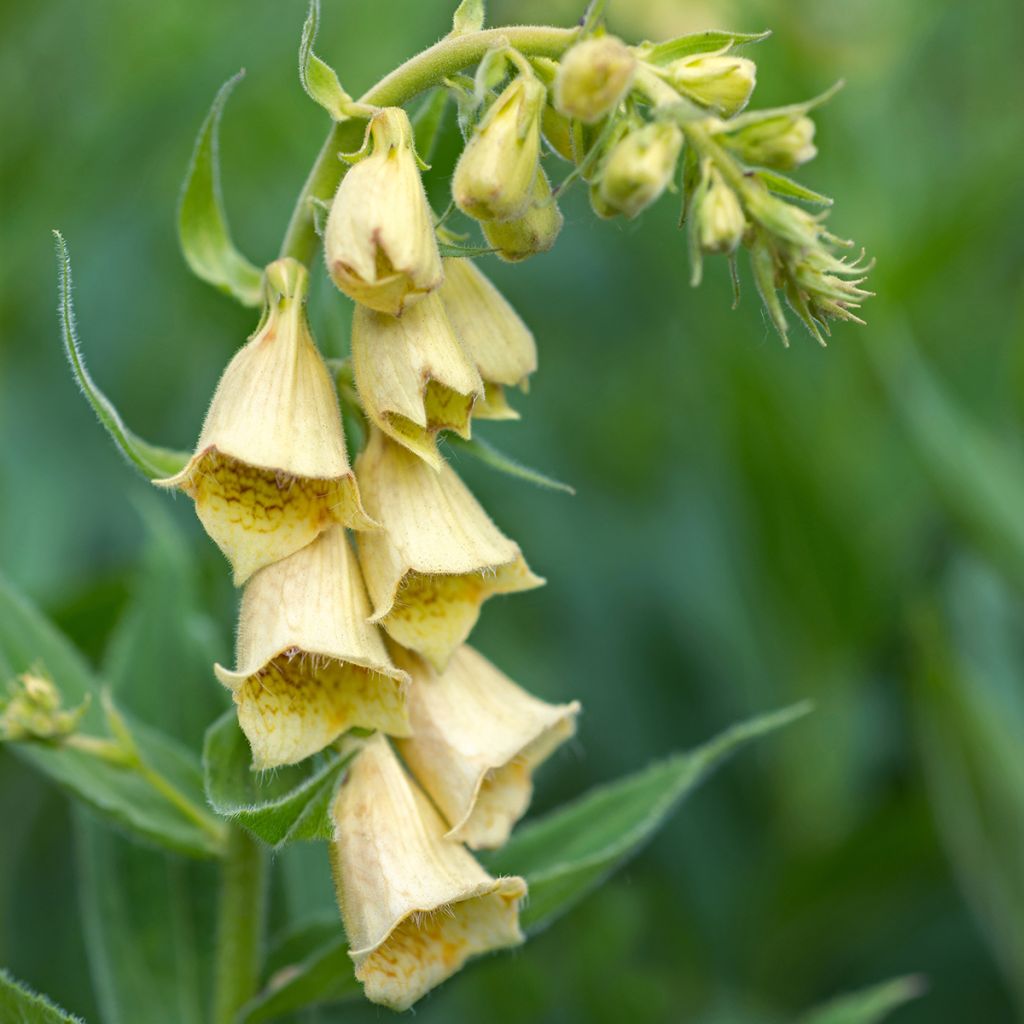
Digitalis grandiflora - Large yellow foxglove
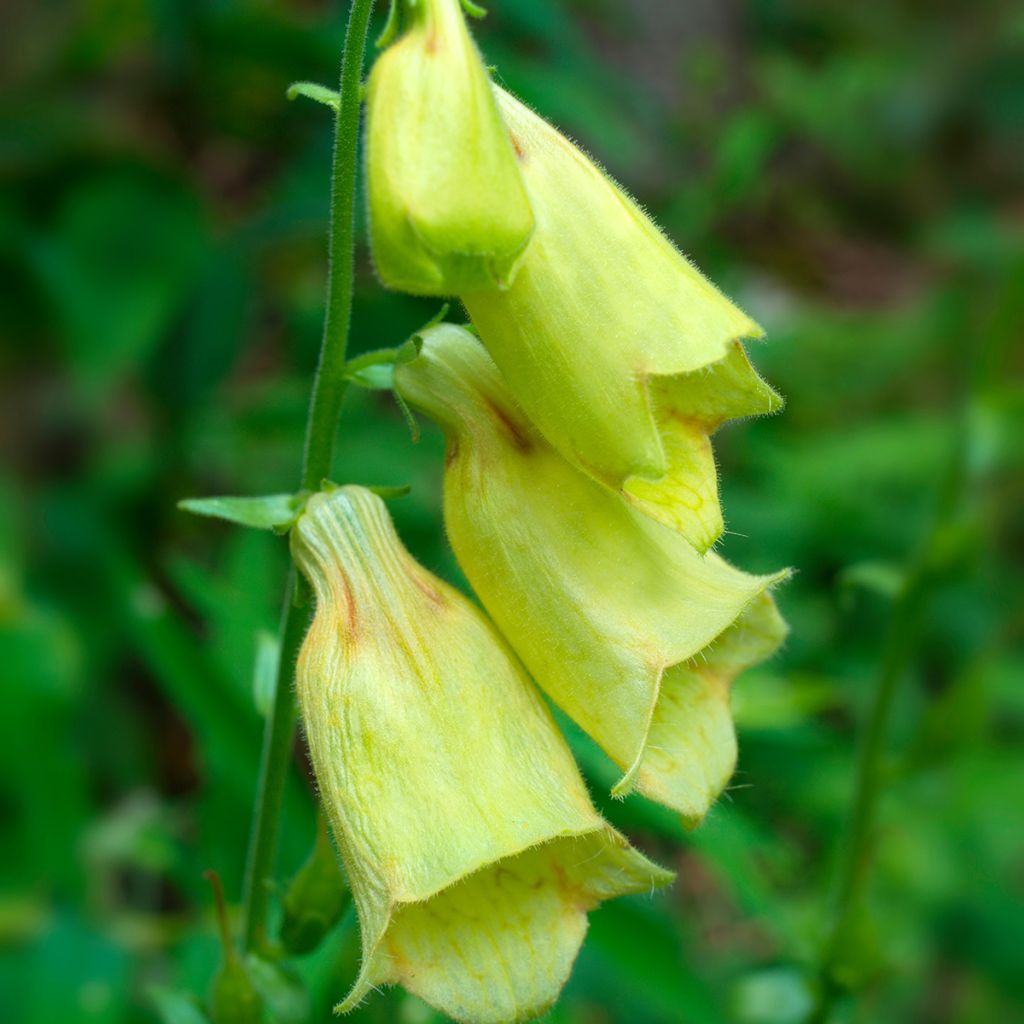
Digitalis grandiflora - Large yellow foxglove
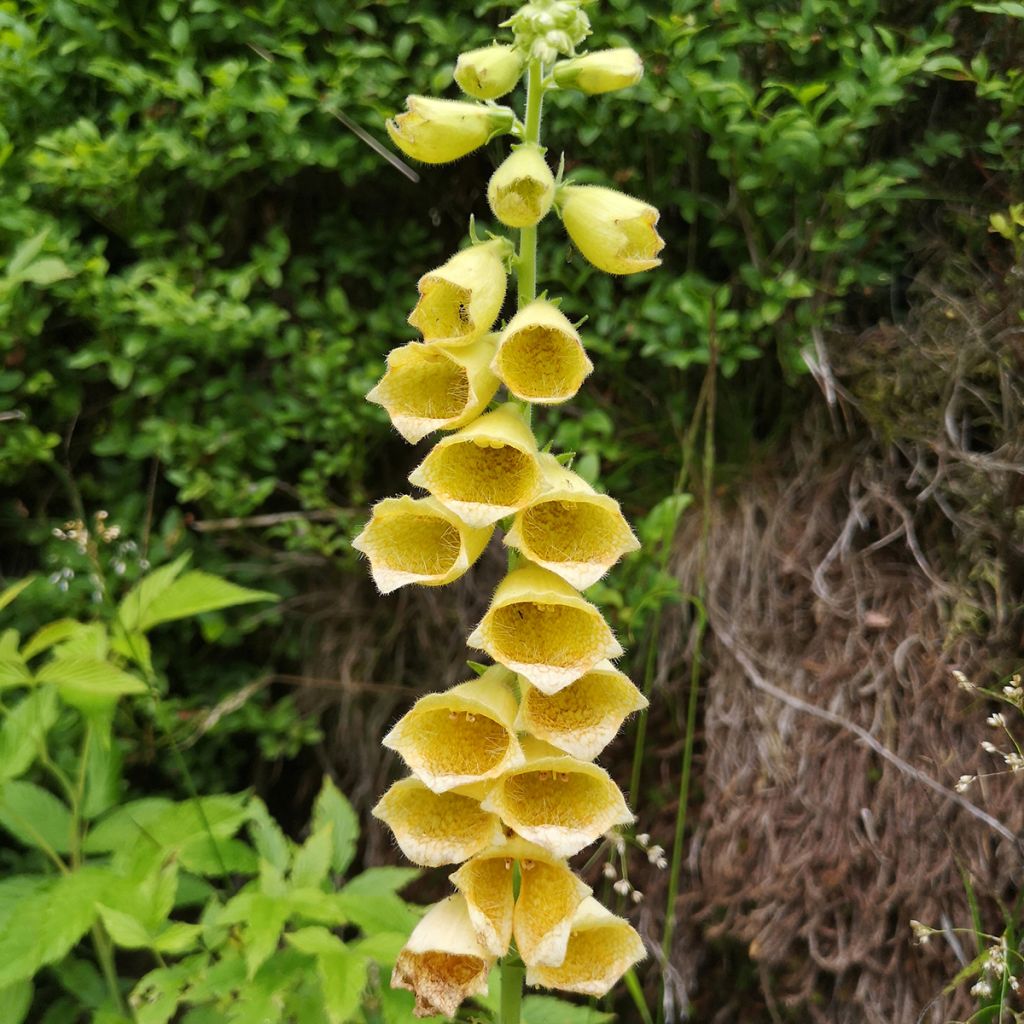
Digitalis grandiflora - Large yellow foxglove
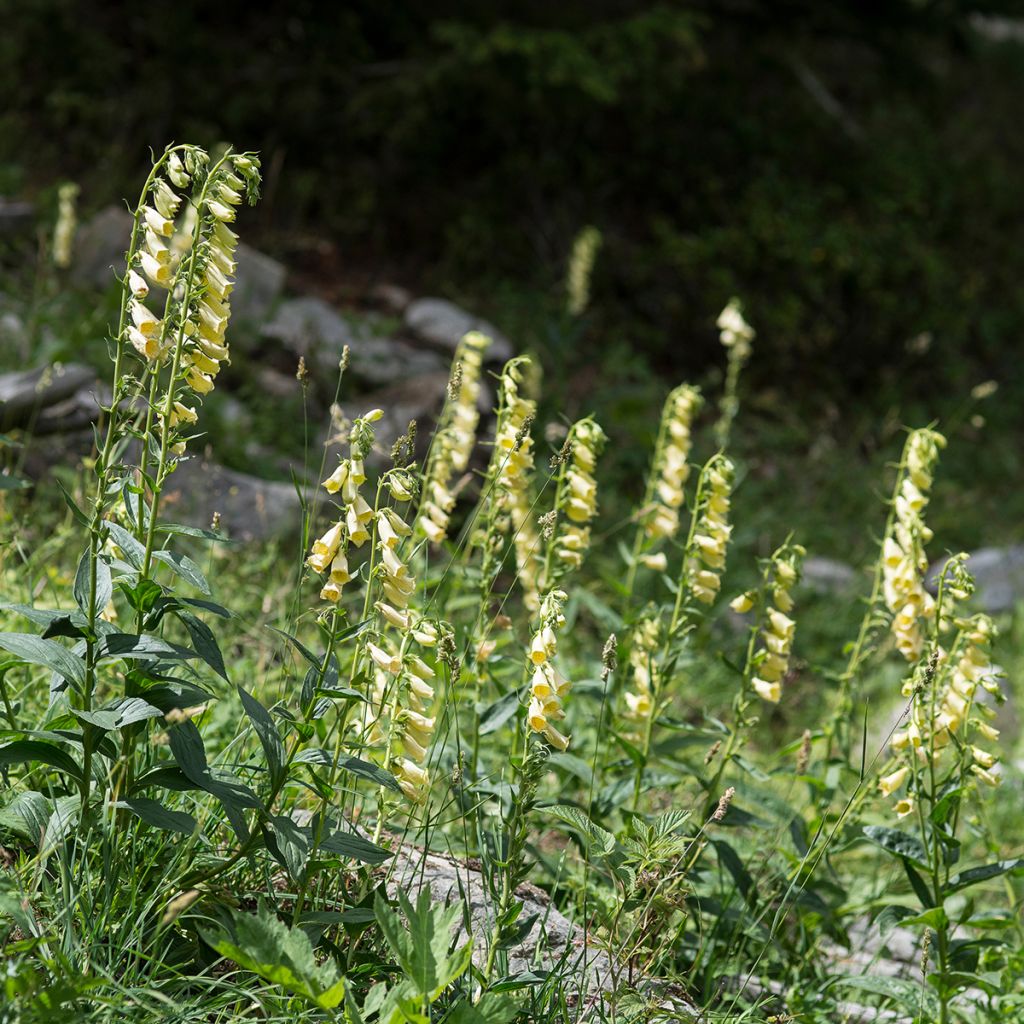
Digitalis grandiflora - Large yellow foxglove
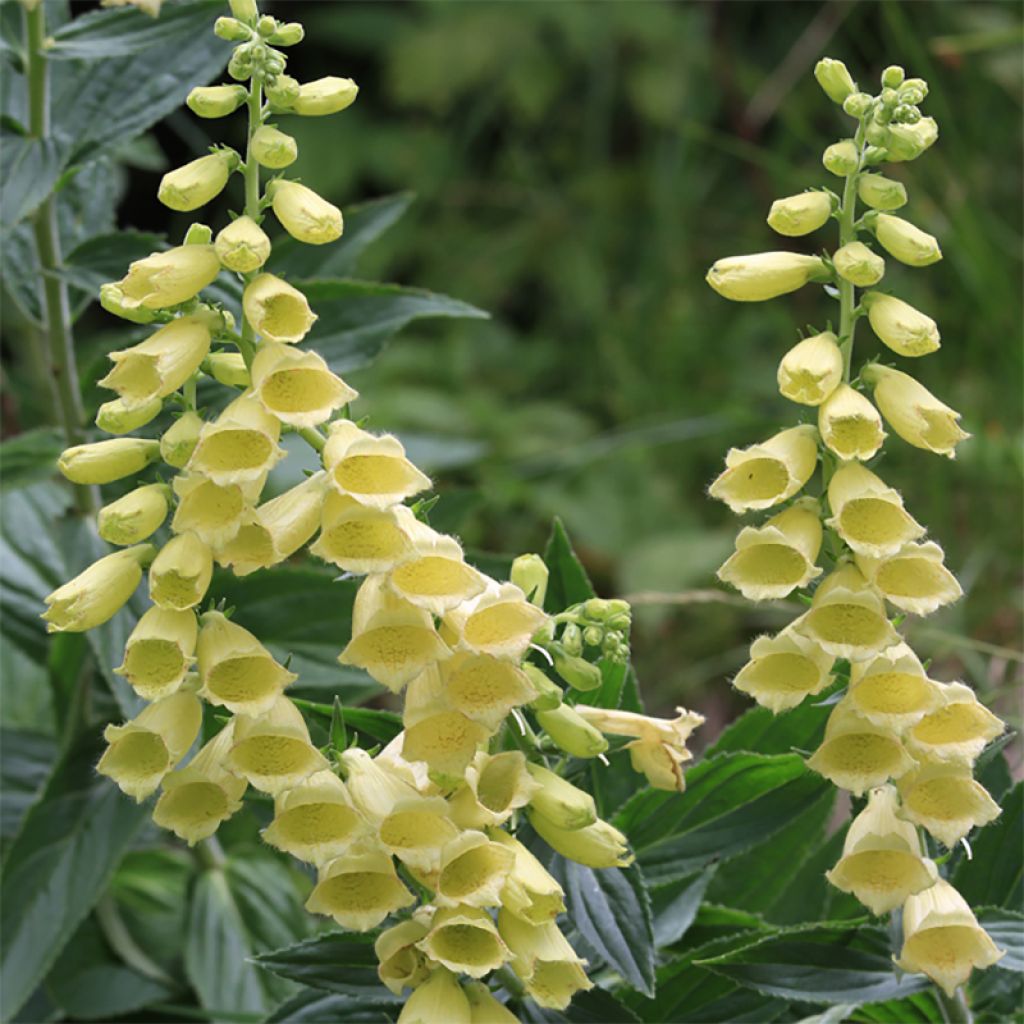
Digitalis grandiflora - Large yellow foxglove
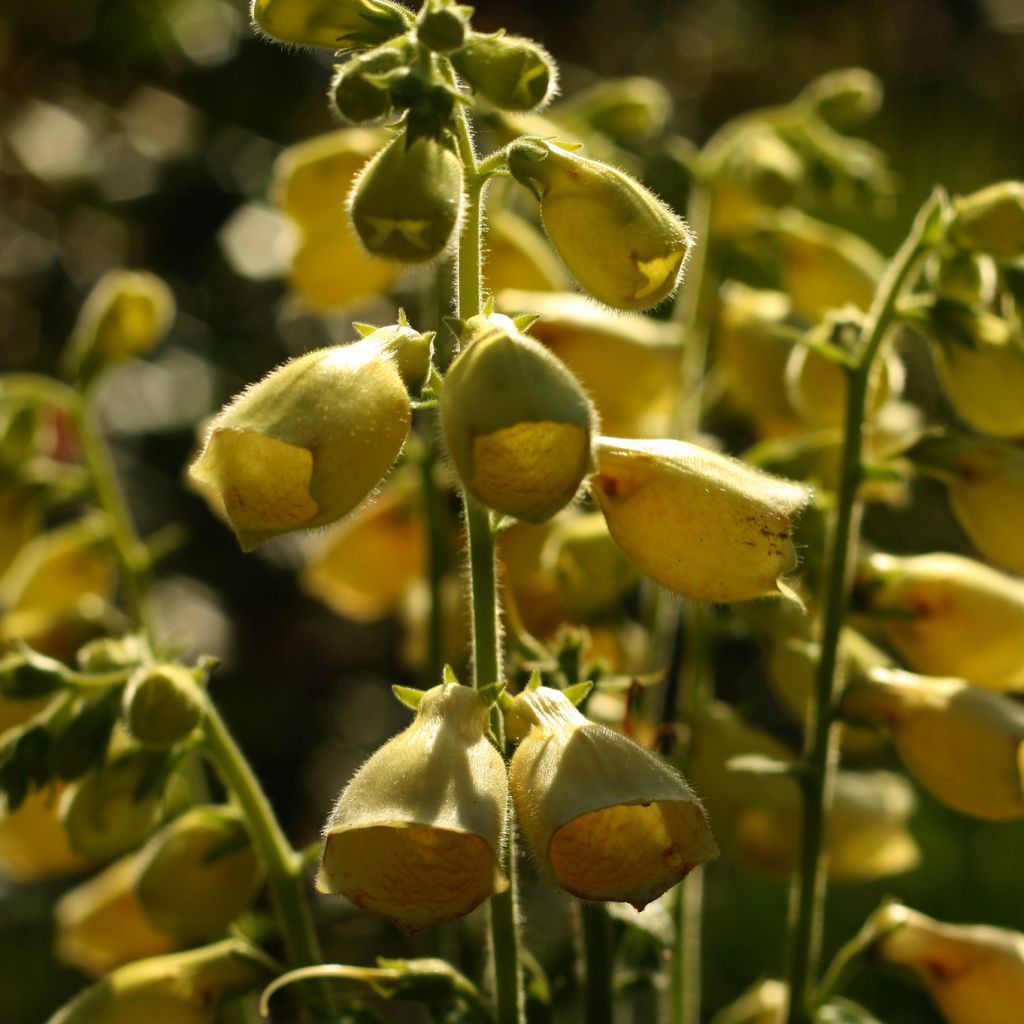
Digitalis grandiflora - Large yellow foxglove
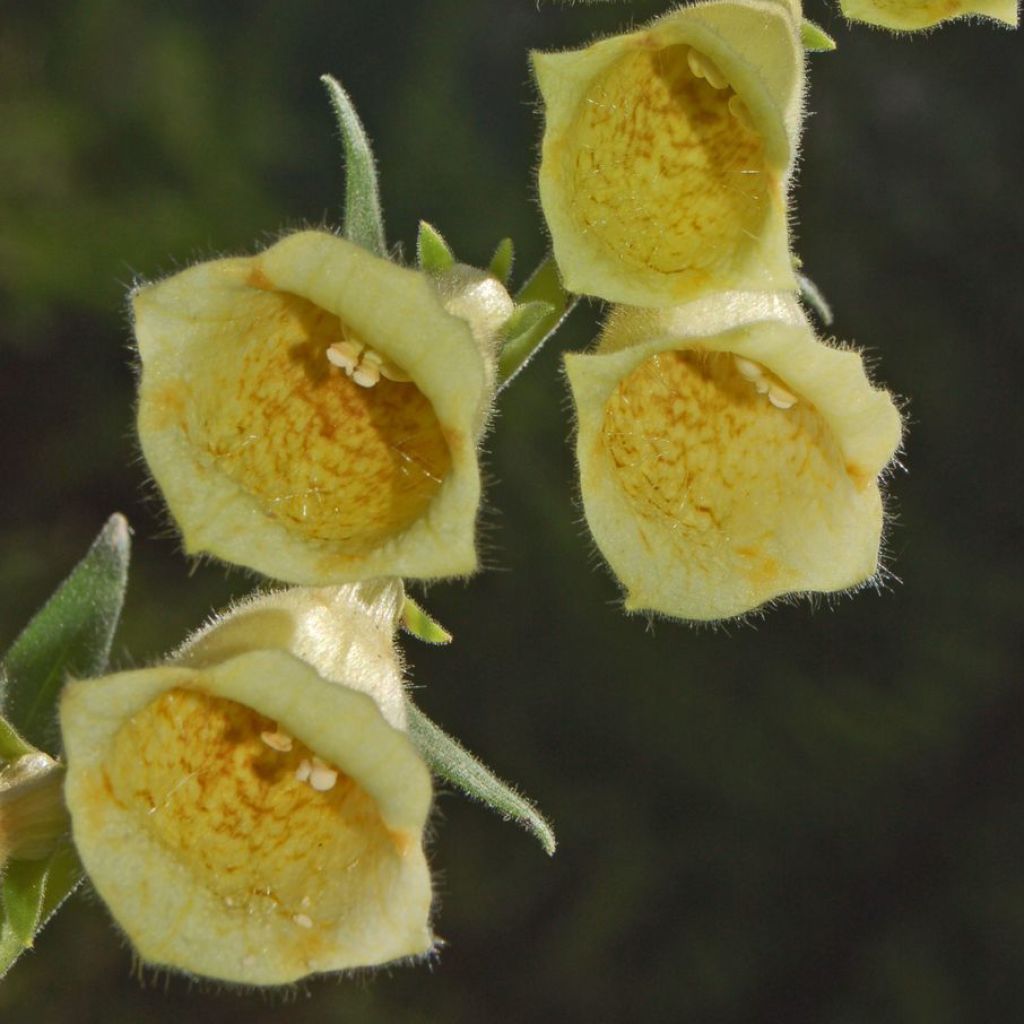
Digitalis grandiflora - Large yellow foxglove
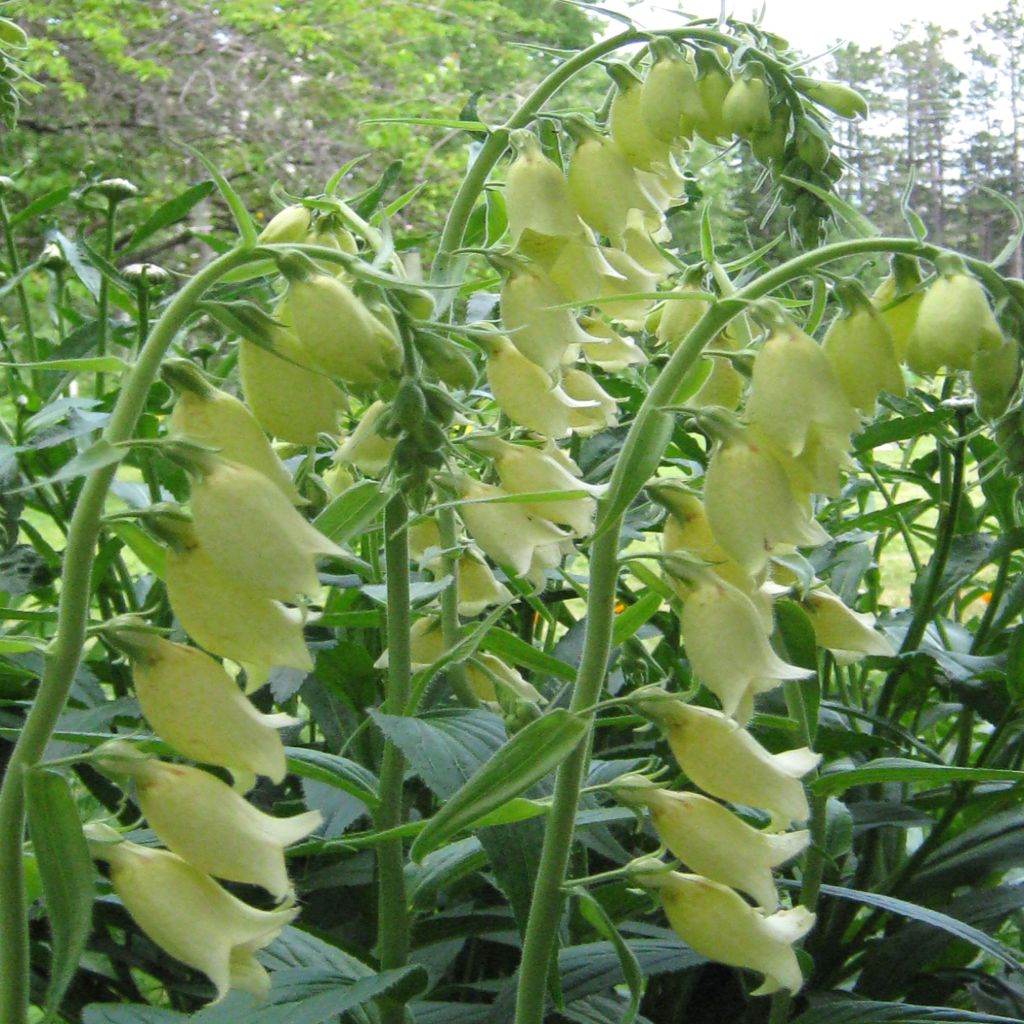
Digitalis grandiflora - Large yellow foxglove
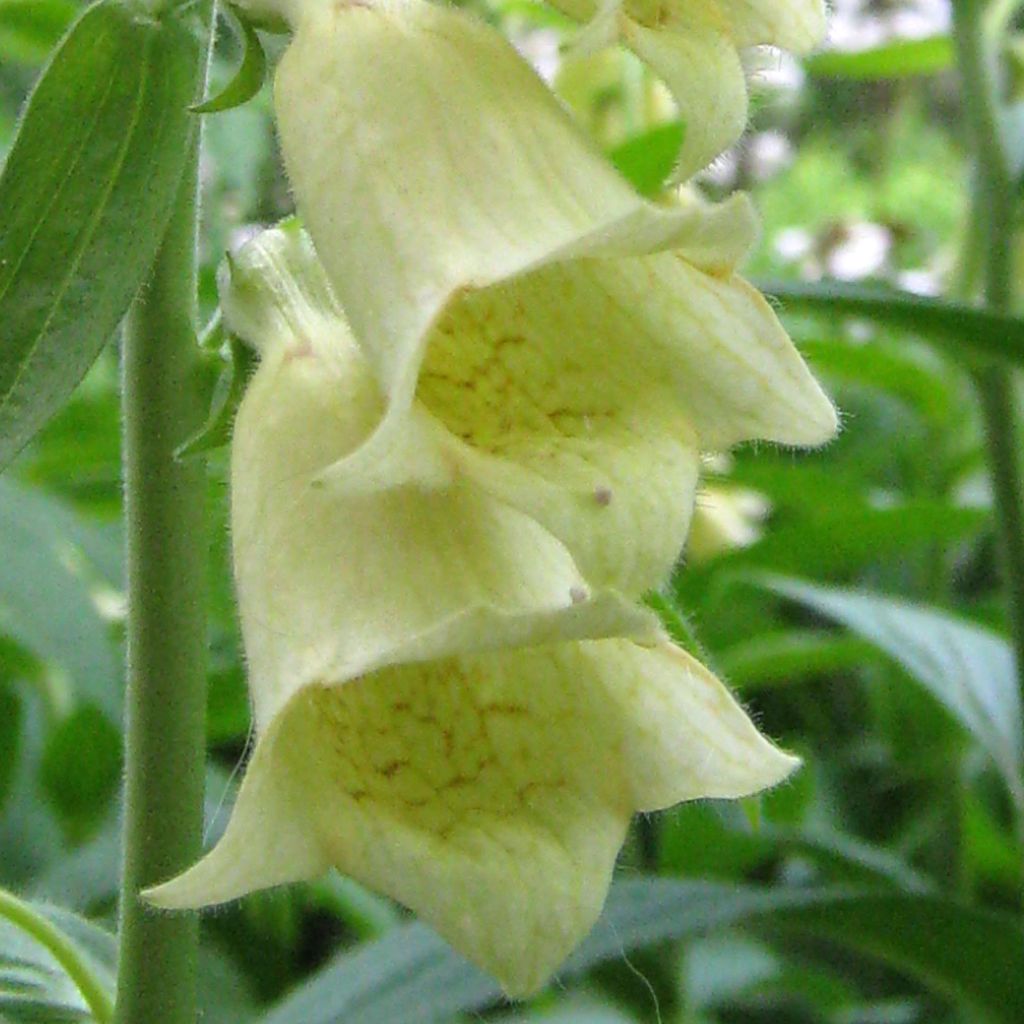
Digitalis grandiflora - Large yellow foxglove
Digitalis grandiflora - Large yellow foxglove
Digitalis grandiflora
Large yellow foxglove, cream-coloured foxglove, great yellow foxglove, large-flowered foxglove, yellow foxglove
Digitalis without much vigor. I am disappointed.
Françoise , 07/03/2025
Back-to-school special offer!
Get €10 off for every €50 you spend! And get up to €40 off on a single order.
How does it work?
1. Shop your favourites
Add your favourite plants to your basket. For every €50 you spend (excluding delivery charges, store credit and the plastic-free option), you’ll receive a €10 voucher.
€50 spent = €10 voucher
€100 spent = €20 voucher
€150 spent = €30 voucher
€200 spent = €40 voucher
2. Place your order
Once your basket reaches one of the spending thresholds, place your order. You can even choose your delivery date!
3. Receive your voucher
As soon as your order has been shipped, you’ll receive an email containing your personal voucher code and its value.
4. Use it on your next order
Your voucher is valid for 90 days from the date you receive it. It can be used once only, on a new order worth at least the value of the voucher, excluding delivery charges.
Please note: Vouchers can be combined with other offers, but cannot be split or refunded.
Home or relay delivery (depending on size and destination)
Important: You may be charged customs duties by your country’s customs authorities upon delivery.
Schedule delivery date
and select date in basket
This plant carries a 12 months recovery warranty
More information
We guarantee the quality of our plants for a full growing cycle, and will replace at our expense any plant that fails to recover under normal climatic and planting conditions.

Does this plant fit my garden?
Set up your Plantfit profile →
Description
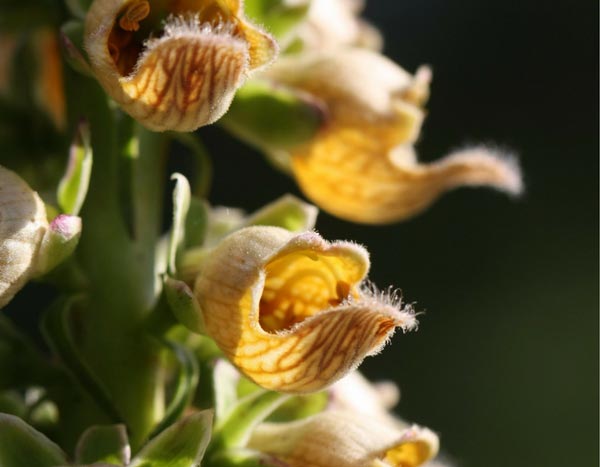
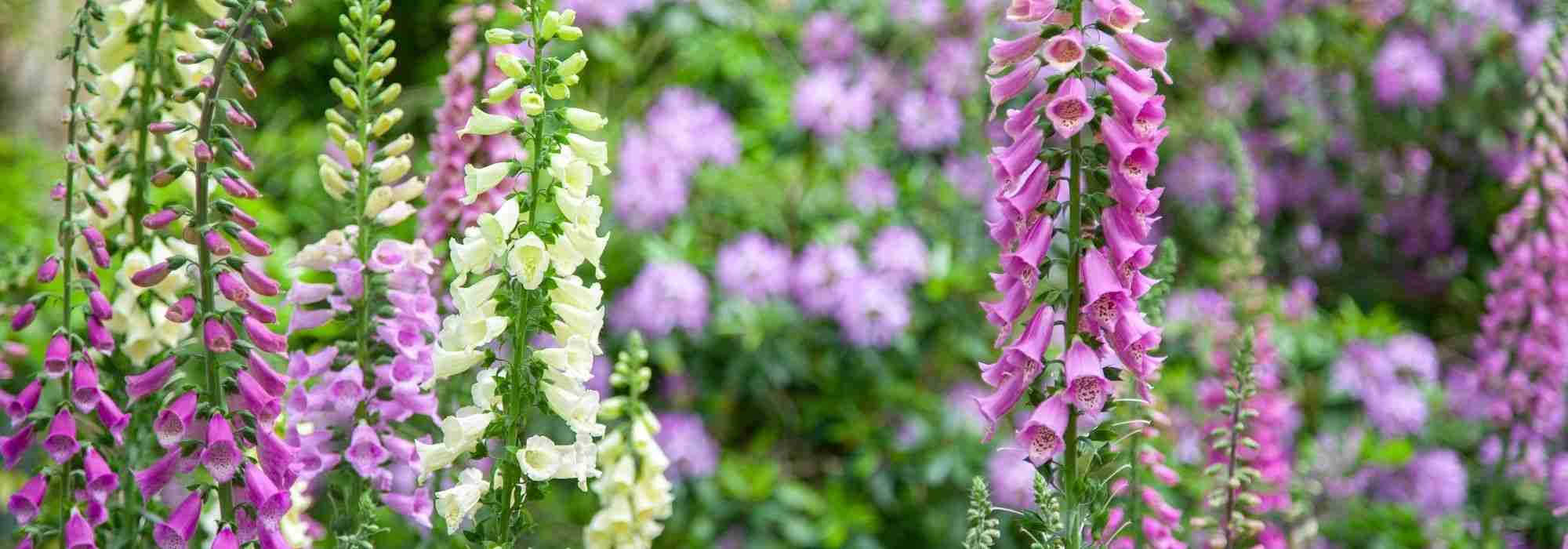
Digitalis grandiflora, la digitale à grandes fleurs, est une vivace robuste reconnaissable à ses grandes fleurs jaune crème, délicatement ponctuées de brun dans la gorge. Plus durable que la digitale pourpre, elle refleurit plusieurs années et peut se ressemer au jardin. Ses hampes florales verticales animent les massifs à mi-ombre au début de l’été. Bien rustique et peu exigeante en termes de sol, cette plante sauvage a reçu l’Award of Garden Merit de la RHS.
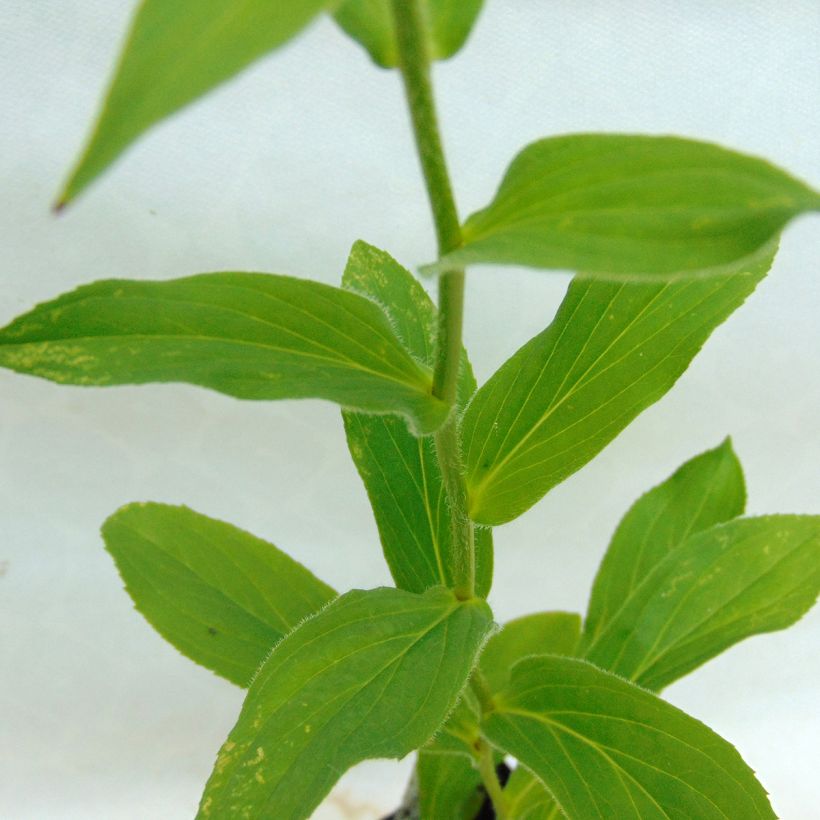
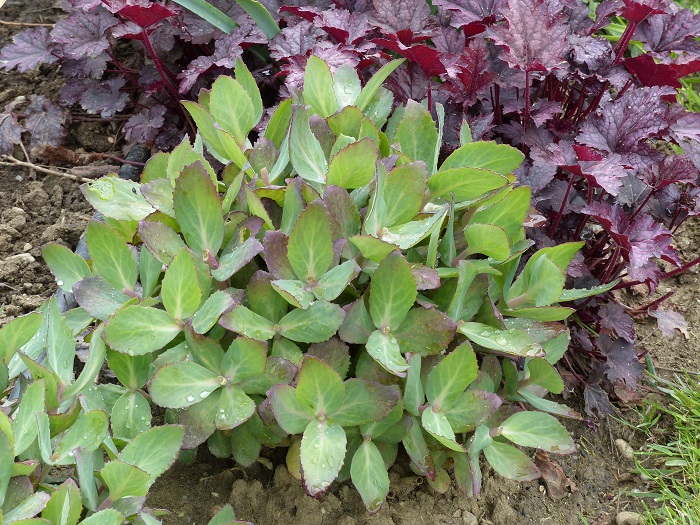
Cette espèce botanique appartient à la famille des Plantaginacées. C’est une vivace herbacée dont la durée de vie est variable, de 4 à 5 ans, certains sujets pouvant se comporter comme des bisannuelles. Son feuillage disposé en rosette basale est persistant à semi-persistant selon la rigueur de l’hiver. Son aire naturelle s’étend de l’Europe centrale au sud-ouest de la Sibérie et englobe une partie de la France. Elle pousse dans les forêts claires, les lisières, les prairies et les pierriers, des collines jusqu’à l’étage subalpin. La digitale à grandes fleurs développe une touffe de feuilles large de 30 à 45 cm. Les feuilles ovales à lancéolées, longues de 10 à 25 cm, sont d'un vert soutenu, luisantes sur le dessus, finement dentées et velues le long des nervures au revers. Au début de l’été, des tiges droites et feuillées s’élèvent à 70 à 90 cm du sol. Elles portent des fleurs tournées vers le même côté qui s’ouvrent progressivement du bas vers le haut. Chaque corolle forme une large cloche tubulaire de 3 à 5 cm de long, de couleur jaune tendre à crème, inclinée vers le sol et ornée d’un fin réseau brun clair dans la gorge. La floraison a lieu de juin à août, selon l’altitude et le climat. Tailler la hampe principale fanée peut provoquer l’apparition de fleurs sur les pousses latérales. Les fleurs fécondées produisent des capsules ovales qui libèrent de nombreuses graines fines permettant un semis spontané. Cette digitale supporte des gelées proches de -20 °C et de courtes périodes sèches une fois enracinée. Toutes ses parties sont très toxiques en cas d’ingestion.
Les digitales à grandes fleurs permettent de reconstituer une ambiance de sous-bois en les associant à des vivaces champêtres comme les astrances, les ancolies, les géraniums des bois et les campanules. Ce sont aussi de bonnes compagnes pour les rosiers blancs, jaunes ou saumonés et les asters géants.
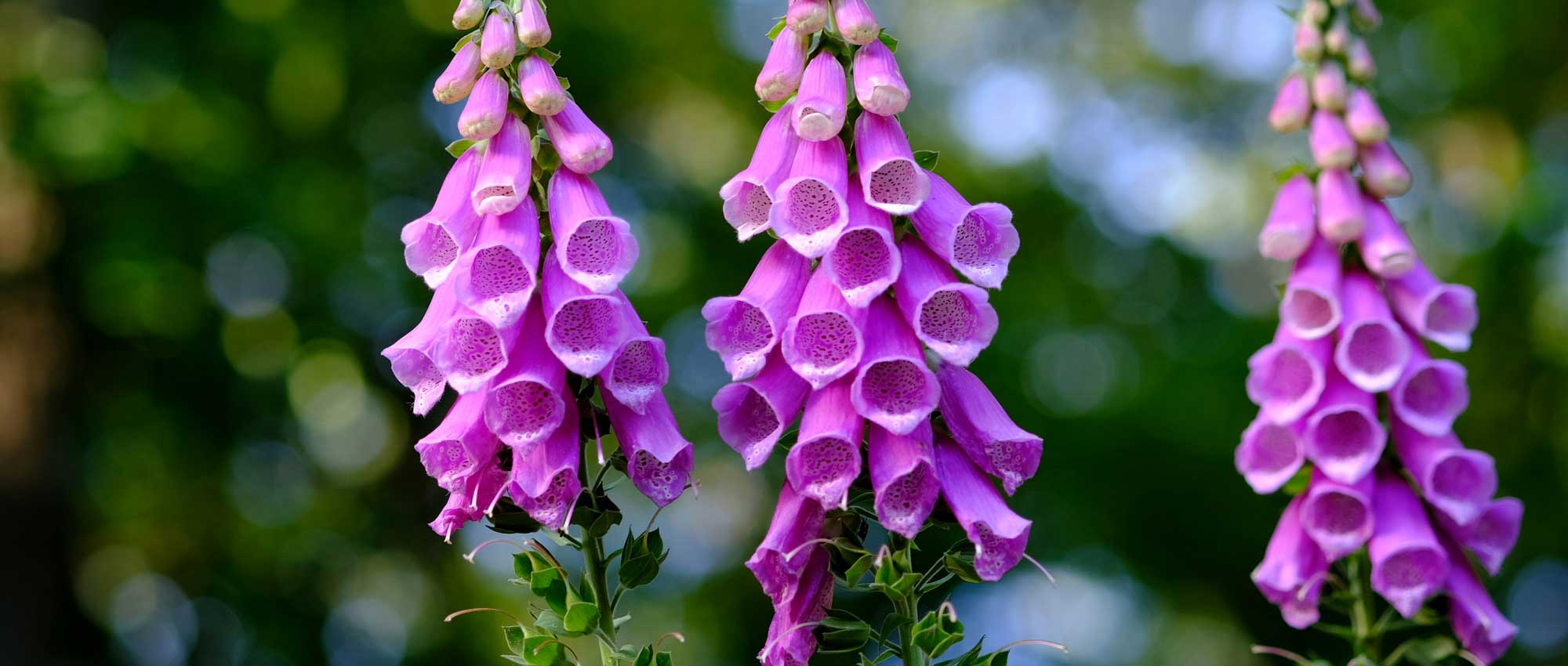
Digitalis grandiflora - Large yellow foxglove in pictures
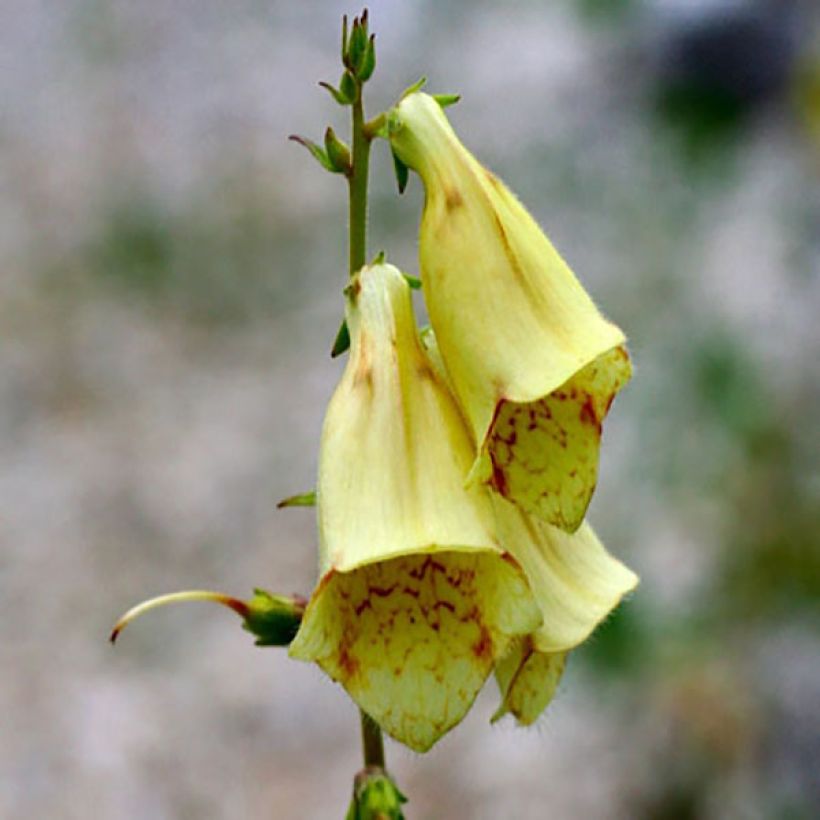
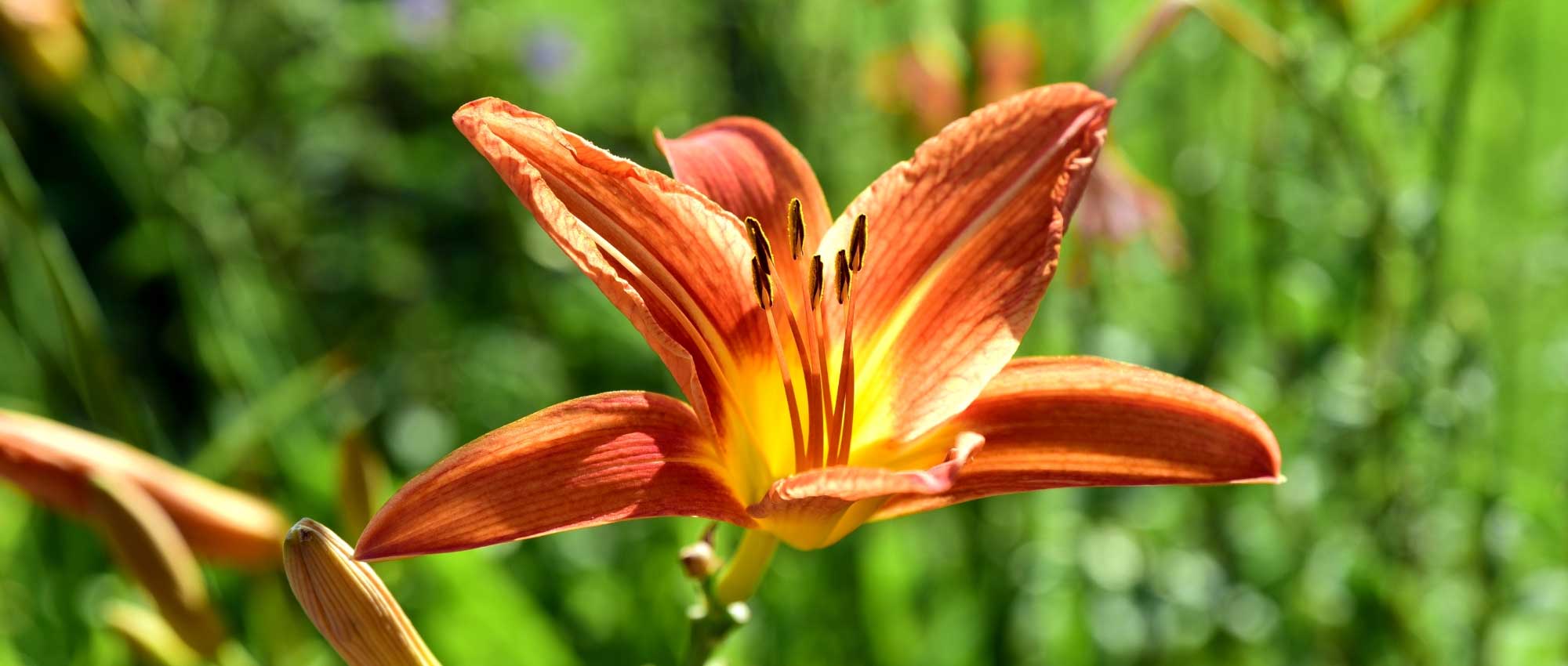
Flowering
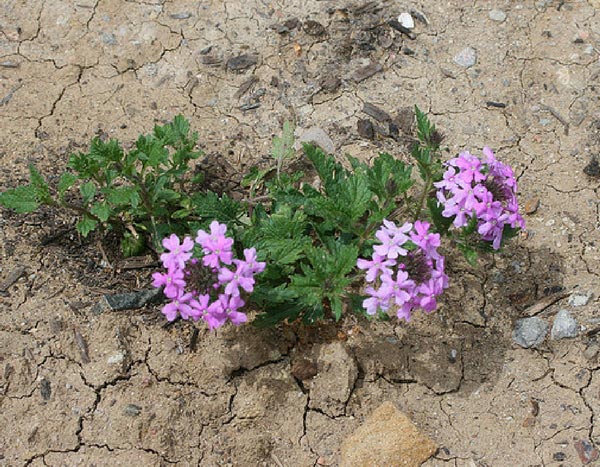
Foliage
Plant habit
Safety measures
Botanical data
Digitalis
grandiflora
Plantaginaceae
Large yellow foxglove, cream-coloured foxglove, great yellow foxglove, large-flowered foxglove, yellow foxglove
Digitalis ambigua, Digitalis orientalis, Digitalis macrantha
Western Europe, Central Europe, Russia
ingestion
Cette plante est toxique si elle est ingérée volontairement ou involontairement.
Ne la plantez pas là où de jeunes enfants peuvent évoluer, et lavez-vous les mains après l'avoir manipulée.
Pensez à conserver l'étiquette de la plante, à la photographier ou à noter son nom, afin de faciliter le travail des professionnels de santé.
Davantage d'informations sur https://plantes-risque.info
Planting and care
Digitalis grandiflora is planted from September to November or from March to April, when there is no frost. Choose a position in bright partial shade; non-scorching sun is tolerated in cool regions if the soil does not dry out in summer. This plant prefers a deep, humus-bearing, moist but well-drained soil, with a slightly acidic to neutral pH; in the garden, it also tolerates slightly chalky soil. Clay soil suits it if you lighten it with mature compost and if water drains well in winter. Water regularly during the first summer. An established clump tolerates a brief shortage of water, but flowers better if the soil retains moisture.
Planting period
Intended location
Care
Planting & care advice
-
-
-
-

-
-
-
-
-
, onOrder confirmed
Reply from on Promesse de fleurs
Haven't found what you were looking for?
Hardiness is the lowest winter temperature a plant can endure without suffering serious damage or even dying. However, hardiness is affected by location (a sheltered area, such as a patio), protection (winter cover) and soil type (hardiness is improved by well-drained soil).
In temperate climates, pruning of spring-flowering shrubs (forsythia, spireas, etc.) should be done just after flowering.
Pruning of summer-flowering shrubs (Indian Lilac, Perovskia, etc.) can be done in winter or spring.
In cold regions as well as with frost-sensitive plants, avoid pruning too early when severe frosts may still occur.
The sowing periods indicated on our website apply to countries and regions within USDA Zone 8 (France, UK, Ireland, Netherlands).
In colder areas (Scandinavia, Poland, Austria...), delay any outdoor sowing by 3-4 weeks, or sow under glass.
In warmer climes (Italy, Spain, Greece, etc.), bring outdoor sowing forward by a few weeks.
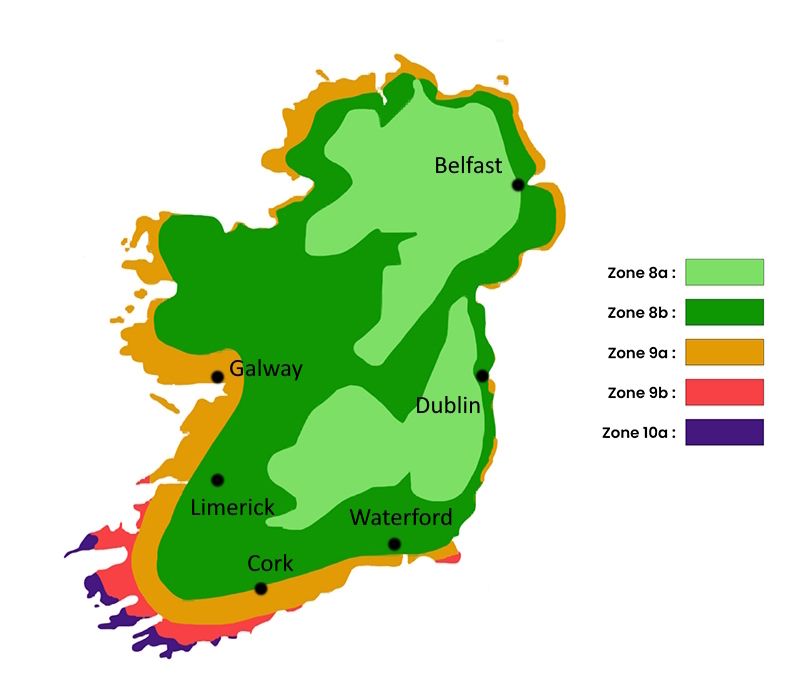
The planting period indicated on our website applies to regions in USDA Zone 9a (East Coast and Midlands: Dublin, Wexford, Waterford, Kilkenny, Portlaoise). It will vary depending on where you live:
- On the west coast and in the north-west (Galway, Limerick, Sligo, Donegal, Westport), delay planting by 1 to 2 weeks in spring and bring it forward by 1 to 2 weeks in autumn compared to the dates given, preferably choosing periods without strong winds.
- In the inland hills and plateaus (Wicklow Mountains, Macgillycuddy’s Reeks, Connemara, Killarney), it is best to plant in spring (April–May) or autumn (September–October), avoiding periods of waterlogged soil in winter and strong winds, which pose the main risk to newly planted trees in these areas.
The flowering period indicated on our website applies to regions in USDA Zone 9a, such as the East Coast and Midlands, including Dublin, Wexford, Waterford, Kilkenny and Portlaoise.
This will vary depending on where you live:
- On the west coast and in the northwest (Galway, Limerick, Sligo, Donegal and Westport), it will be delayed by one to two weeks compared to the given dates, due to stronger Atlantic winds and less spring sunshine.
- In the inland hills and plateaus (the Wicklow Mountains, the Macgillycuddy's Reeks, Connemara and Killarney), flowering will be delayed by two to three weeks. Flowering mainly occurs between May and July, with the limiting factors being less frost and more of the excessive humidity, strong winds and lack of sunshine that are characteristic of these areas.
The harvest period stated on our website applies to regions in USDA zones 8b to 9a (East, South-East and southern coast: Eastern Leinster, County Wexford and County Waterford, Cork region: Dublin, Wexford, Waterford, Kilkenny, Cork). It will vary depending on where you live:
- In the Midlands and the inland plains: the Middle Shannon Valley, Westmeath, Offaly, Longford, Cavan and Monaghan (Athlone, Mullingar, Tullamore, Longford, Cavan, Monaghan), in USDA zones 8a to 8b, the harvest will be delayed by 1 to 2 weeks compared with the dates given. Far from the moderating influence of the sea, these plains experience late frosts right up until the end of spring. The heavy, peaty soils warm slowly here, and damp patches form pockets of frost. Wait until the soil has dried out and warmed up before planting, and protect young plants with a fleece on clear nights.
- In the Atlantic West and North-West: Kerry, Clare, Galway, Connemara, Mayo, Sligo and Donegal (Killarney, Ennis, Galway, Westport, Sligo, Letterkenny), in USDA zones 8b to 10a, the harvest will be delayed by 1 to 3 weeks compared with the dates given. Summers here are cloudier, rainier and windier than in the east, which slows down ripening and encourages late blight and other fungal diseases. Kerry and Clare are at the lower end of the range, whilst Mayo and Donegal, which are cooler and more exposed, are at the upper end. However, the mild coastal winters mean that leafy vegetables and root vegetables can be harvested at dates close to those indicated, or even earlier: shelter crops from the wind with hedges and grow heat-loving plants in greenhouses or polytunnels.
- In the highlands, above 200 m: the Wicklow Mountains, Macgillycuddy’s Reeks, the Galtee and Comeragh ranges, the Twelve Bens in Connemara and the Donegal highlands, in USDA zones 7b to 8a, the harvest will be delayed by 2 to 4 weeks compared with the dates given, depending on the altitude, taking care to beat the first early frosts, which may occur as early as the start of autumn. Wind, constant damp and late frosts lasting into early summer significantly shorten the growing season. Opt for sheltered, south-facing slopes, early-maturing varieties and growing under cover.
Depending on your garden’s aspect, these variations can range from one to two weeks. A frost-prone valley floor delays the harvest, whilst a south-facing wall brings it forward.
Shipping country and language
Your country of residence may be:
Your country of residence is:
For a better user experience on our website, you can select:
Your shipping country:
-
 Austria
-
 Belgium
-
 Bosnia & Herzegovina
-
 Bulgaria
-
 Croatia
-
 Cyprus
-
 Czechia
-
 Denmark
-
 Estonia
-
 Finland
-
 France
-
 Germany
-
 Greece
-
 Hungary
-
 Iceland
-
 Ireland
-
 Italy
-
 Latvia
-
 Liechtenstein
-
 Lithuania
-
 Luxembourg
-
 Malta
-
 Netherlands
-
 Poland
-
 Portugal
-
 Romania
-
 Serbia
-
 Slovakia
-
 Slovenia
-
 Spain
-
 Sweden
-
 Switzerland
Language:
-
French
-
 English
-
Spanish
-
Italian
-
German
-
Portuguese
-
Dutch
-
Finnish
-
[pl]
My Account
Hello
My wish lists
My cart
Log in / Register
Existing customer?
This form is protected by reCAPTCHA - the Google Privacy Policy and Terms of Service apply.
New customer?
Create an account to track your orders, access our customer service and, if you wish, make the most of our upcoming offers.