Marigold, also known as Calendula officinalis, is an easy plant to grow and is valued for its very bright orange or yellow flowers. After flowering, it produces seeds that can easily be collected and resown the following year. Discover all our advice on when and how to harvest, sort and store them!
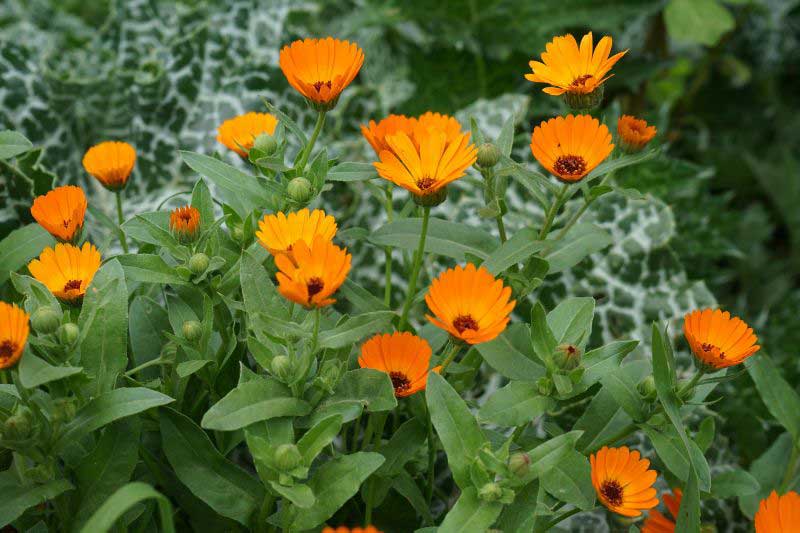
When should you harvest marigold seeds?
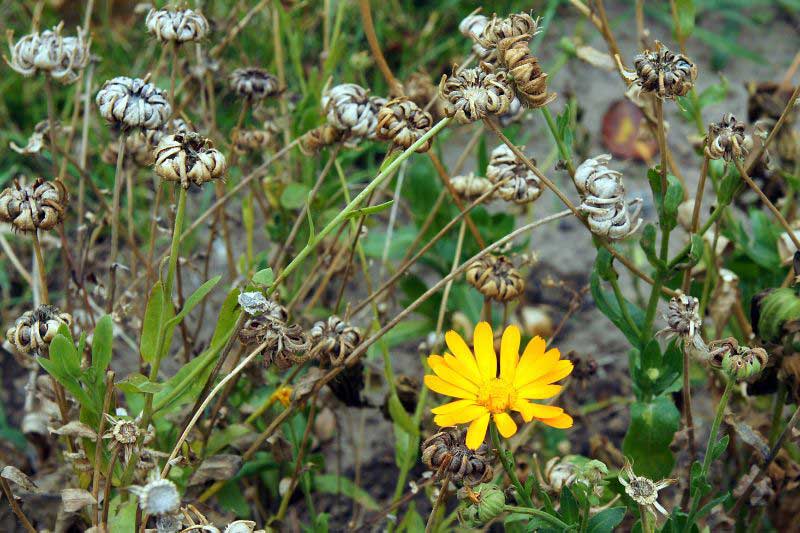
Marigolds flower from June until the first frosts. The seeds therefore ripen gradually, generally from late summer into autumn, around 4 to 6 weeks after flowering, when the flowers have completely faded and dried. It is important to wait until they are fully ripe to obtain seeds that will germinate well.
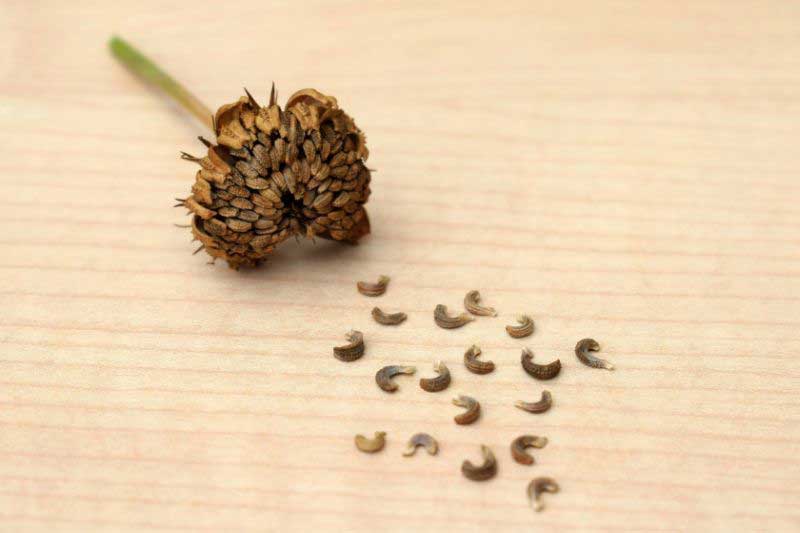
After the petals fall, the flower head turns into a rounded head of small, curved, crescent-shaped achenes. The seeds are ready to harvest when:
- the flower head is completely dry, brown and brittle;
- the seeds are beige to light brown, hard and dry, and come away easily when touched;
- the seed does not bend under your fingernail (a green or soft seed is not ripe).
Harvest in dry weather, towards the end of the morning, once the dew has evaporated. Damp seeds may become mouldy during drying. Do not wait too long: once ripe, the seeds fall naturally to the ground and self-seed.
Tip: select your seed-bearing plants in summer. Mark the best plants (with the largest flowers, clear colour and vigorous growth) and leave a few flowers on them to go to seed.
How do you collect marigold seeds?
Harvesting
- Cut the dry flower heads with secateurs or scissors, leaving 2 to 3cm of stem.
- Place them in a paper bag or a small cardboard box. Avoid plastic, which traps moisture.
- If autumn is wet, you can pick the flower heads slightly before they are fully ripe (brown but still slightly soft) and finish drying them indoors.
Drying
Even if the seeds already seem dry, it is advisable to leave them to dry for a few more days before storing them:
- spread the flower heads out in a thin layer on newspaper, a plate or a sieve;
- place them somewhere dry, well ventilated and out of direct sunlight (a garage, shed or ventilated room);
- avoid full sun and any direct source of heat, which could damage the seeds;
- stir them from time to time to prevent mould.
Sorting and cleaning
- Remove the seeds from the flower heads by rubbing them between your fingers over a bowl. The seeds come away easily.
- Separate out the impurities: petal debris, sepal fragments and pieces of stem. A medium-mesh sieve is very useful. You can also blow gently to remove the lighter residues (winnowing).
- Sort the seeds: keep the largest, well-formed, firm seeds with an even colour. Discard any that are shrivelled, hollow, marked or affected by insects.
How do you store marigold seeds?
After harvesting and drying, the seeds must be stored in the right conditions to preserve their seed viability.
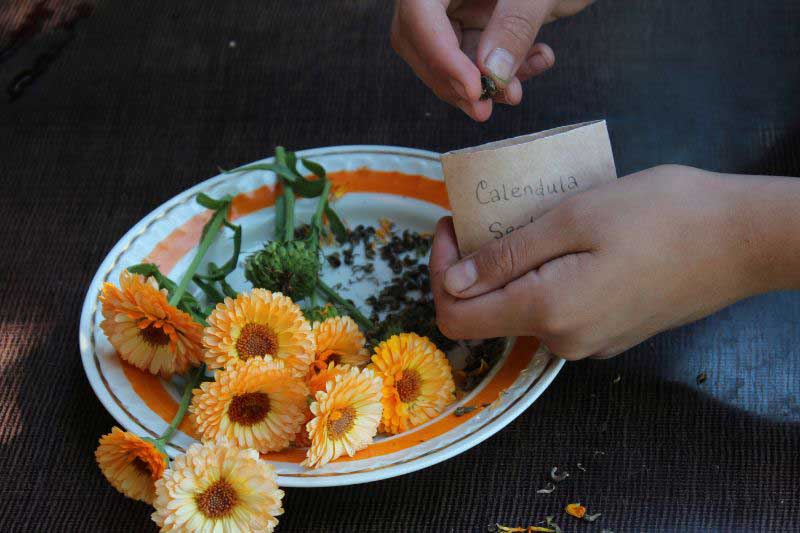
Preferably place them in a paper envelope or kraft paper bag, which you can then put in an airtight container if necessary to keep out moisture. Remember to write the name of the plant and the variety (or flower colour), along with the year of harvest, on the packaging.
Then store the seeds somewhere dry, cool and out of the light. Avoid places that are too hot or damp, such as a greenhouse or a poorly insulated garden shed. Moisture should be avoided as it can encourage mould.
Marigold seeds retain good seed viability for around 3 to 5 years if stored correctly. Germination rates nevertheless decline over time. For the best results, use seeds that are 1 to 2 years old and sow slightly more thickly when using older seeds.


































Comments