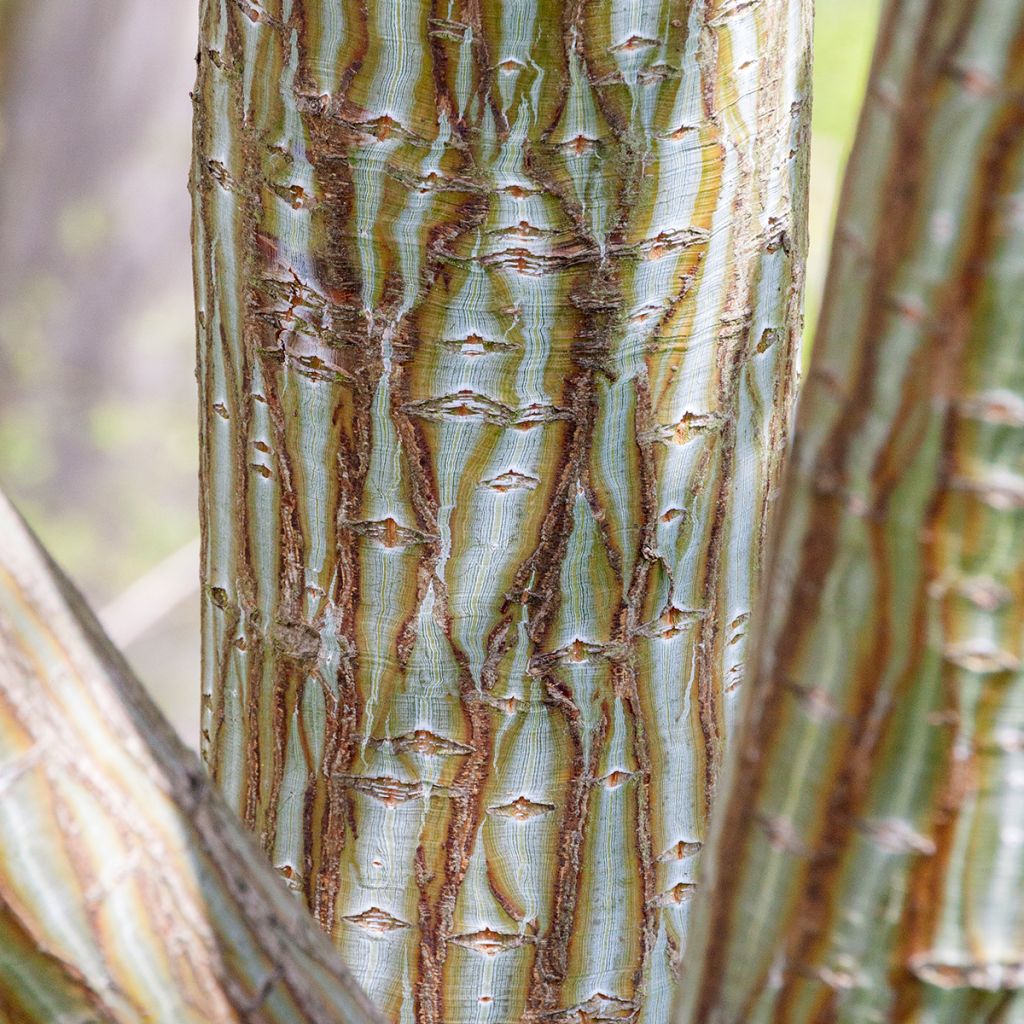
Acer davidii - Erable du père David, Erable peau de serpent, Erable jaspé
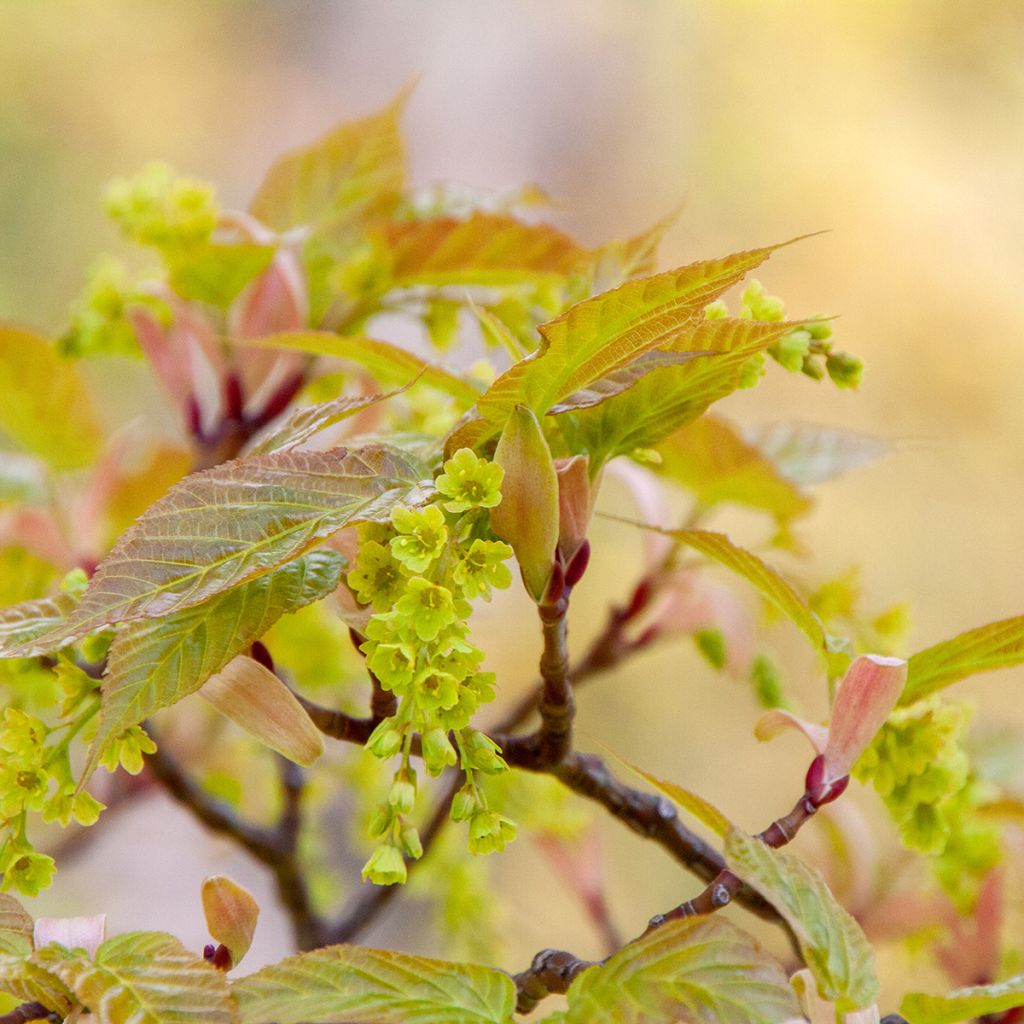
Acer davidii - Erable du père David, Erable peau de serpent, Erable jaspé
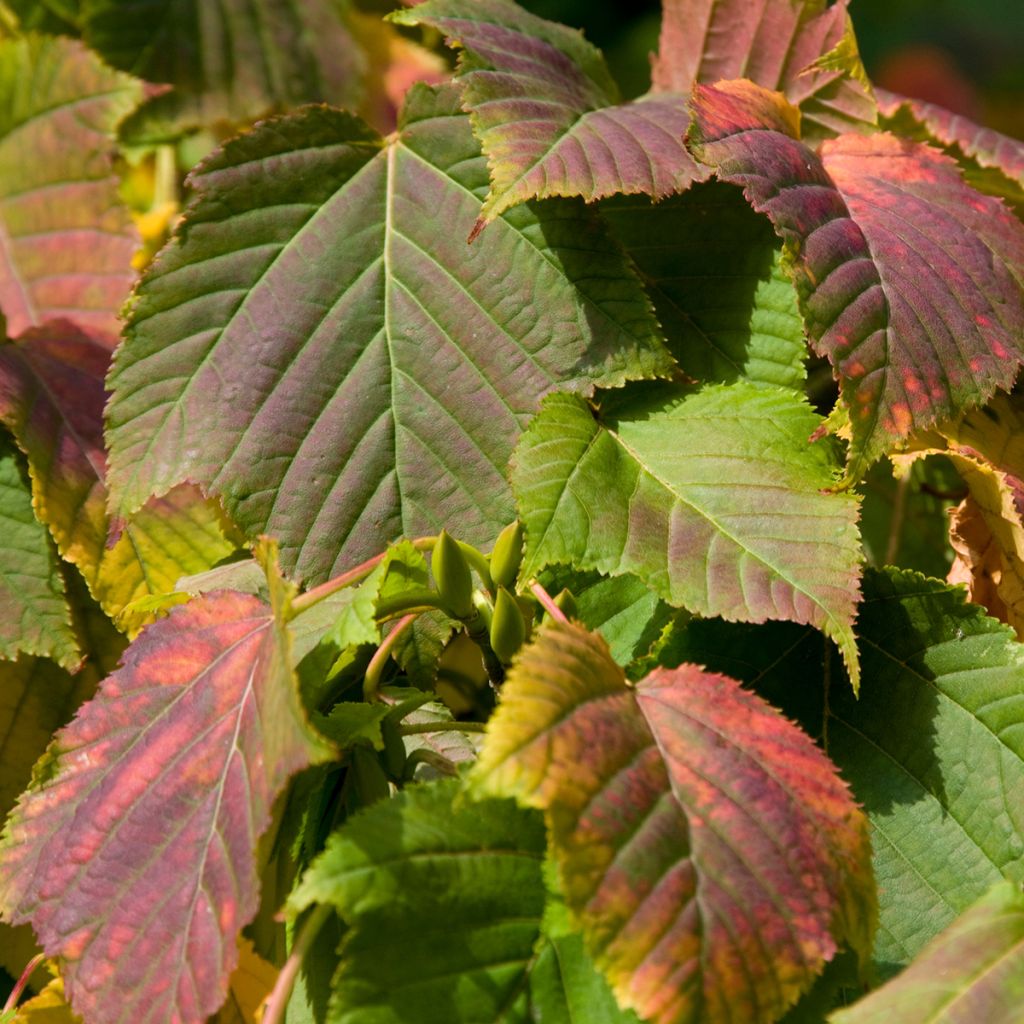
Acer davidii - Erable du père David, Erable peau de serpent, Erable jaspé
Acer davidii - Erable du père David, Erable peau de serpent, Erable jaspé
Acer davidii
Back-to-school special offer!
Get €10 off for every €50 you spend! And get up to €40 off on a single order.
How does it work?
1. Shop your favourites
Add your favourite plants to your basket. For every €50 you spend (excluding delivery charges, store credit and the plastic-free option), you’ll receive a €10 voucher.
€50 spent = €10 voucher
€100 spent = €20 voucher
€150 spent = €30 voucher
€200 spent = €40 voucher
2. Place your order
Once your basket reaches one of the spending thresholds, place your order. You can even choose your delivery date!
3. Receive your voucher
As soon as your order has been shipped, you’ll receive an email containing your personal voucher code and its value.
4. Use it on your next order
Your voucher is valid for 90 days from the date you receive it. It can be used once only, on a new order worth at least the value of the voucher, excluding delivery charges.
Please note: Vouchers can be combined with other offers, but cannot be split or refunded.
Why not try an alternative variety in stock?
View all →
Available in 1 sizes
Available in 1 sizes
Available in 1 sizes
Available in 1 sizes
Available in 1 sizes
Available in 1 sizes
Available in 1 sizes
Available in 1 sizes
Available in 1 sizes
Available in 1 sizes
This plant carries a 6 months recovery warranty
More information
We guarantee the quality of our plants for a full growing cycle, and will replace at our expense any plant that fails to recover under normal climatic and planting conditions.
Does this plant fit my garden?
Set up your Plantfit profile →
Description
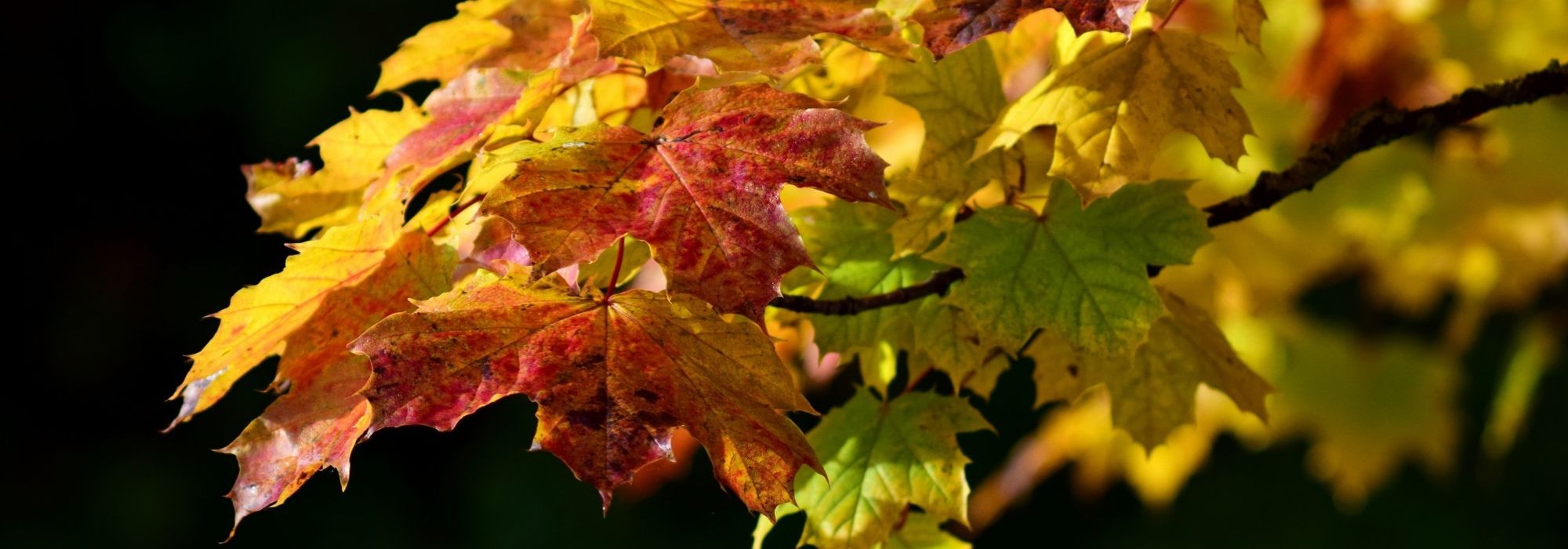
Acer davidii is commonly known as the Snakebark maple due to its highly ornamental bark. This medium-sized tree, with an upright habit that spreads to form a more or less rounded crown, is greatly admired for its marbled bark, which green background is adorned with silvery-white veins. Its leaves are entire (not lobed) with a heart-shaped base, and a beautiful, pure green that perfectly complements that of the branches. In autumn, they take on lovely yellow and red hues before falling, revealing the beauty of the bark. Preferring light shade that protects the trunk from harsh sun, this charming maple thrives in cool, well-drained, neutral to acidic, humus-bearing soil. Sowing is a good propagation method, which can generate some variability between individuals.
Formerly a member of the Aceraceae family, from which it derived its name, the genus Acer (Maple) is now part of the Sapindaceae family. Rich with approximately 2000 species, it hosts other ornamental genera such as Xanthoceras, a superb bush still too rarely planted, or the Koelreuteria, a charming small tree more common in our gardens.
A genus favoured by collectors, the maple comprises around 150 species, a large majority originating from Asia. This is the case with Acer davidii, discovered by Father David (and named in his honour), a French missionary sent to China in the 19th century, who sent it to the Jardin des Plantes in Paris in 1879. The species grows wild in the Chinese provinces of Yunnan, Hubei and Sichuan, forming a tree reaching 12 to 17 m in height. It develops within temperate mixed forests, at altitudes of 1000 to 3000 m, and withstands cold well, down to -20° to -25°C. In our climates, it forms a large multi-stemmed shrub, or a small tree, often branched quite low, reaching 5 or 6 m in height in 10 years, then around 9 m in 20 years and at ripeness, it typically peaks at 12-14 m.
Its growth is very ramified, with main branches frequently almost vertical and secondary shoots at a diagonal, with V-shaped insertion angles. Consequently, spreading over time, it eventually forms a relatively rounded crown. The bark covering the main trunk and branches is one of the most decorative among ornamental trees. Green in colour, it is streaked with grey, white, and silvery veins that justify its nickname of "Snakebark" maple (even though other species exhibit this characteristic, such as Acer capillipes, A. pensylvanicum or A. rufinerve). The bark is all the more beautiful the younger the branches are, and when it is protected from harsh sun by light shade. It is further enhanced by rain, which brings out the colours and encourages enjoying the garden.
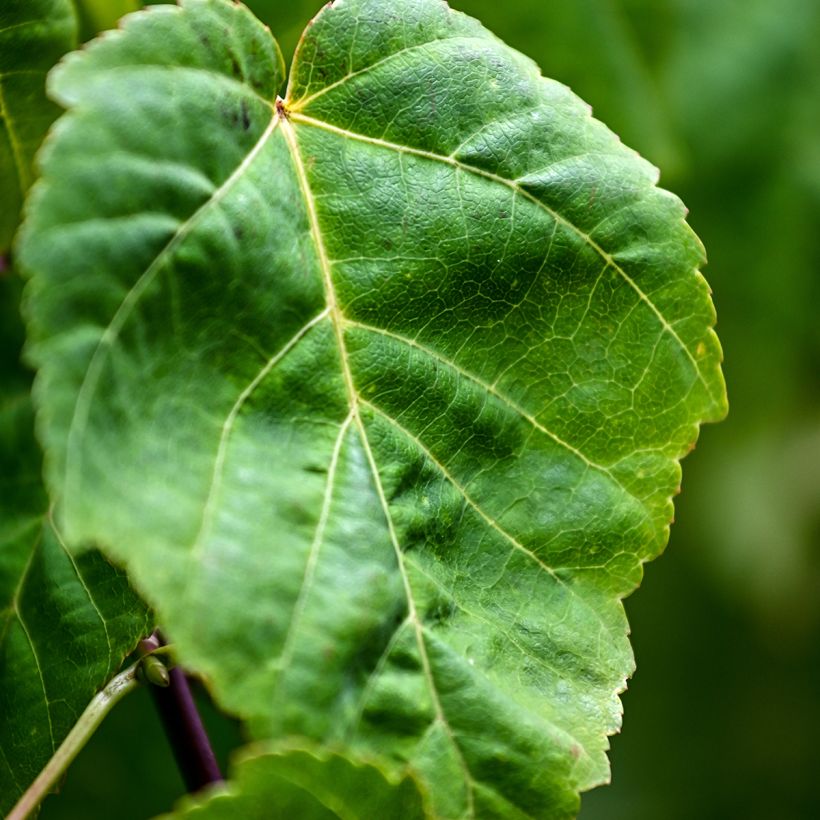
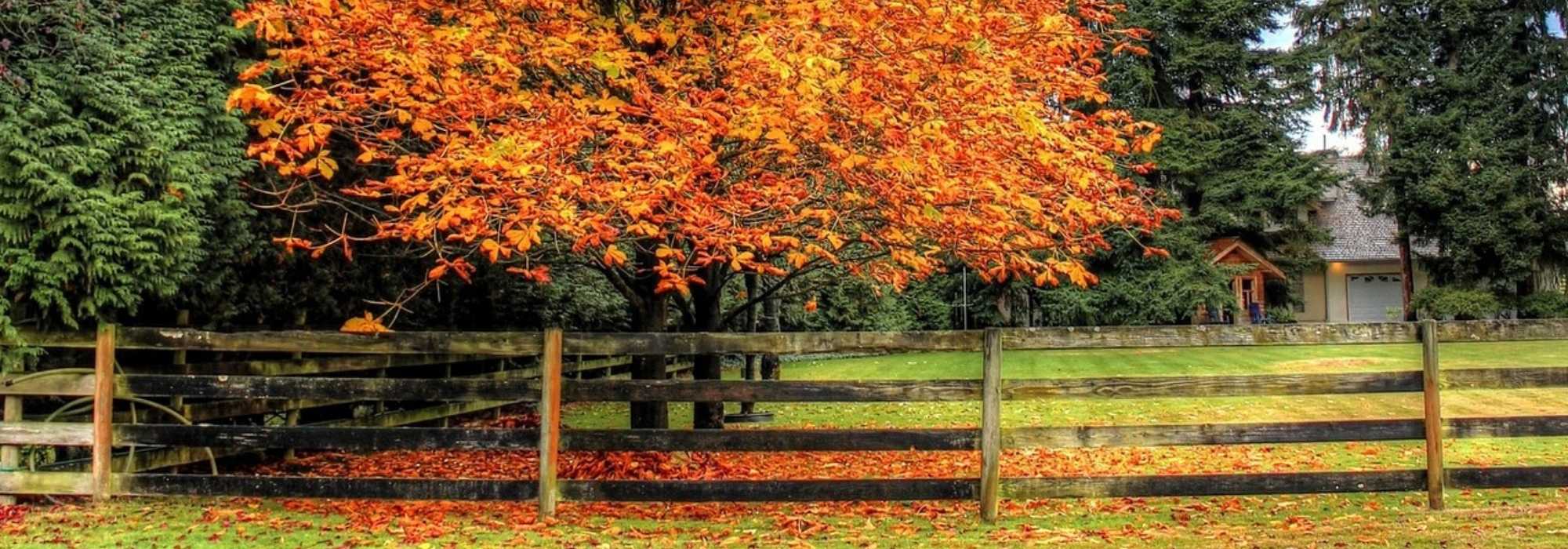
The foliage is hardly lobed as it is in many other species, the leaves are heart-shaped at the base then quite elongated, measuring 8 to 16 cm long. Their edge is dentate, and they are a beautiful satin green. The laminae are borne on a sometimes red petiole, which then contrasts harmoniously with the surrounding green. Nevertheless, some individuals have green petioles, the species naturally exhibiting a certain variability. When autumn arrives, the tree takes on warm colours, in yellow and red tones, expressed occasionally differently between individuals.
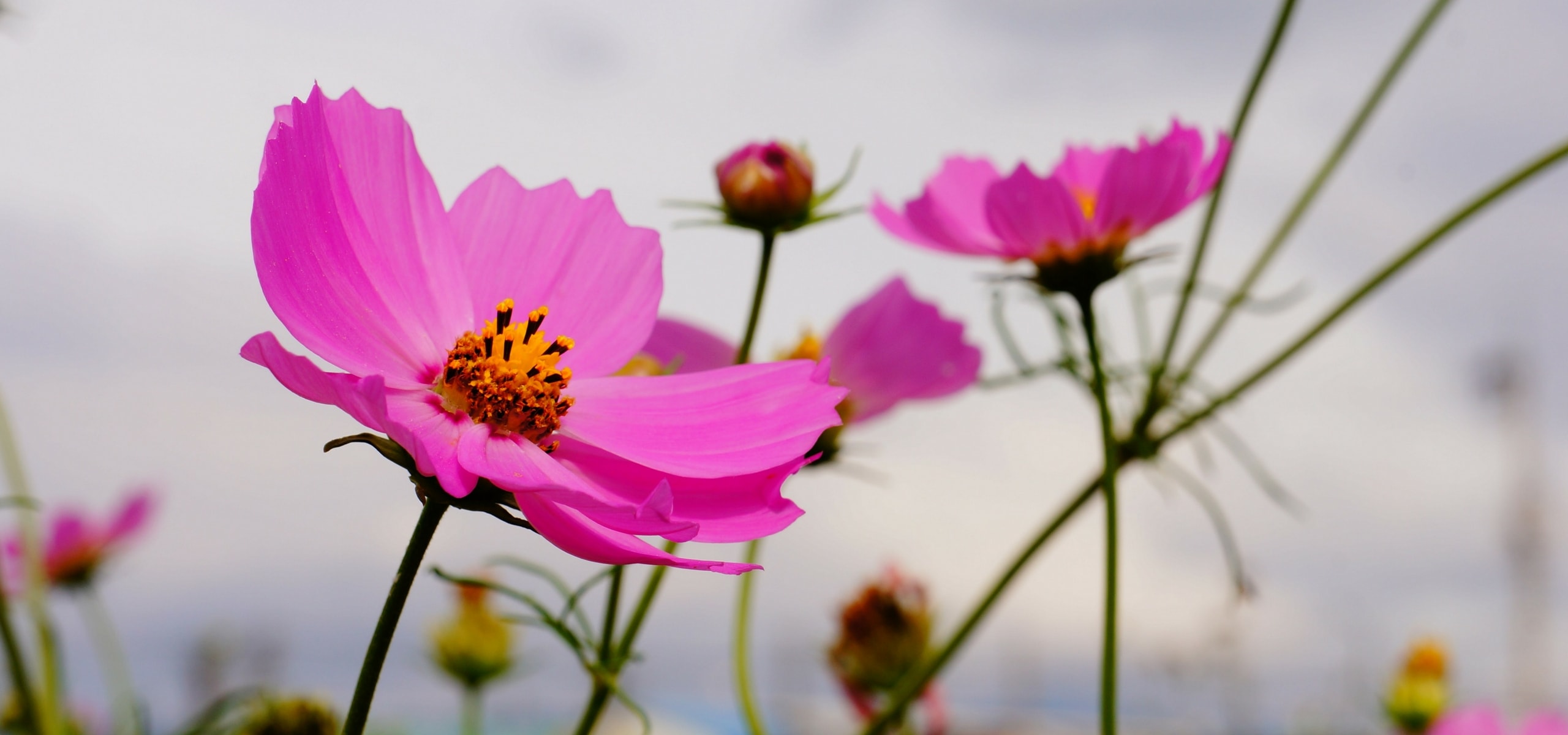
The flowering, which appears around April, at the same time or a little after the young leaves, is pleasant but without great ornamental interest. Clusters of about twenty small flowers form then, but their greenish-yellow colour contrasts too little with the foliage. After fertilization, they will produce in autumn the doubly winged seeds, which botanists call a pair of samaras and children "helicopters", because they fall to the ground spinning. Green in colour, occasionally slightly red, then turning brown, they have no more ornamental interest than the flowers, but allow the tree to ensure its progeny. Winter temperatures then ensure dormancy break, allowing the seed to germinate in spring when the soil temperature rises in a natural medium. It is this natural phenomenon that is reproduced by stratifying the seeds in a moist sandy or peaty medium kept in the fridge before sowing.
Acer davidii is a superb small tree with warm autumn colours and decorative bark all year round. You can create a superb scene by associating it with other plants with ornamental bark, such as Prunus maackii 'Amber Beauty', with its fabulous orange trunk, white flowering, and foliage turning yellow at the end of the season. In the background, the Himalayan birch will provide your maple with the light shade it appreciates, while its luminous white bark will perfectly complement the others. To complete your scene, install in the foreground a Cornus 'Baton Rouge' with branches of a brilliant coral red.
Acer davidii - Erable du père David, Erable peau de serpent, Erable jaspé in pictures
Flowering
Foliage
Plant habit
Botanical data
Acer
davidii
Sapindaceae
Acer sikkimense subsp. davidii
China
Planting and care
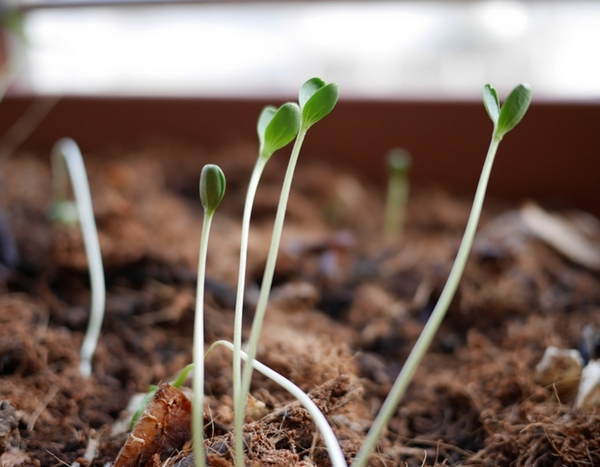
Prior to sowing Acer davidii, it is advisable to stratify the seeds. Place them in a bag with moist turf or moist sand and then put the bag in a refrigerator at a temperature of 3 to 5 °C for 3 to 4 months. This helps to break the seed dormancy so they are ready to germinate. Then sow the seeds in trays, pots, etc., in a special sowing compost mixed with perlite, which you will place in a mini greenhouse or a warm spot to maintain an optimal temperature of 18 to 20°C. Press the seeds to a depth of 1 cm after moistening the substrate (without excess). Keep the substrate slightly moist by spraying water regularly. Germination occurs within approximately 4 to 8 weeks.
When the young plants reach 5 to 10 cm and have developed their first true leaves, you can transplant them into individual containers to grow them. Place them in a bright location but without direct sunlight to avoid the risk of burning the young leaves. When they have reached about twenty centimetres in height, you can plant them in the ground in their final position. Choose a slightly shaded spot, especially if you are in a southern region. This tree likes deep, rich, humus-bearing soils with a neutral or slightly acidic pH. It dislikes limestone, soil and atmospheric drought, and poor, shallow soils.
Note: sowing can also be done directly outdoors in spring when the soil has warmed sufficiently.
Sowing period
Intended location
Planting & care advice
-
-
-
-
-

-
-
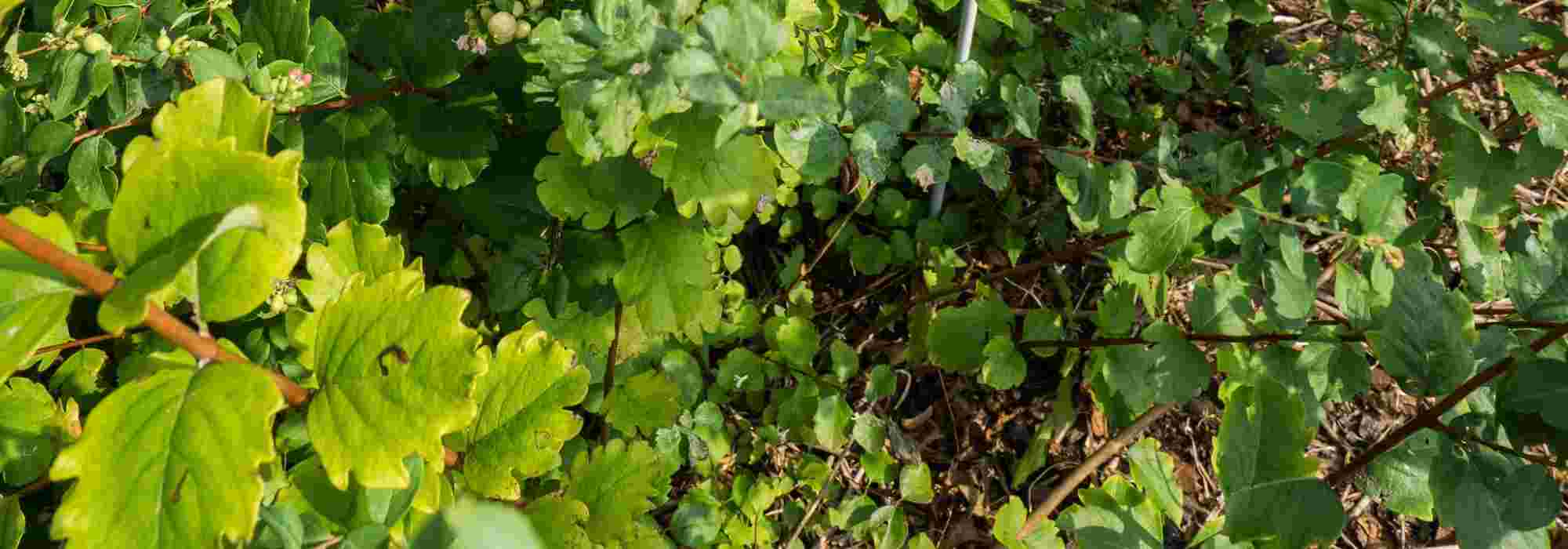
-
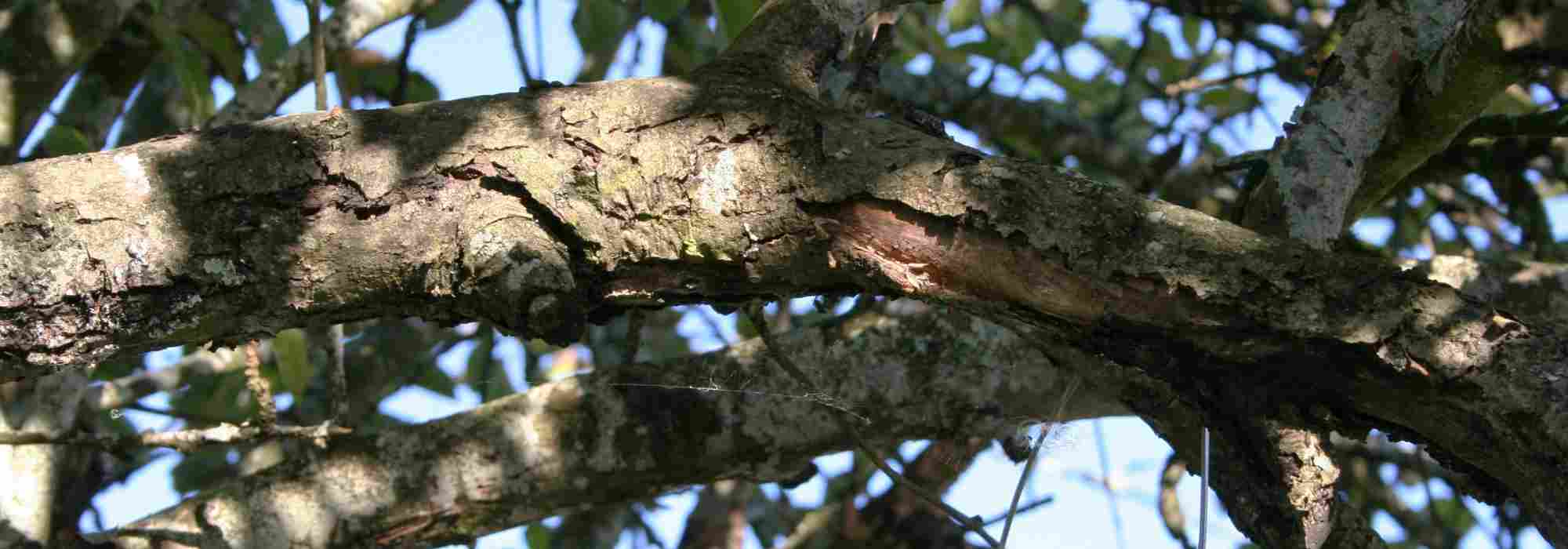
This item has not been reviewed yet - be the first to leave a review about it.
Recently viewed products
Haven't found what you were looking for?
Hardiness is the lowest winter temperature a plant can endure without suffering serious damage or even dying. However, hardiness is affected by location (a sheltered area, such as a patio), protection (winter cover) and soil type (hardiness is improved by well-drained soil).
In temperate climates, pruning of spring-flowering shrubs (forsythia, spireas, etc.) should be done just after flowering.
Pruning of summer-flowering shrubs (Indian Lilac, Perovskia, etc.) can be done in winter or spring.
In cold regions as well as with frost-sensitive plants, avoid pruning too early when severe frosts may still occur.
The harvesting period indicated on our website applies to countries and regions in USDA zone 8 (France, England, Ireland, the Netherlands).
In colder areas (Scandinavia, Poland, Austria...) fruit and vegetable harvests are likely to be delayed by 3-4 weeks.
In warmer areas (Italy, Spain, Greece, etc.), harvesting will probably take place earlier, depending on weather conditions.
The sowing periods indicated on our website apply to countries and regions within USDA Zone 8 (France, UK, Ireland, Netherlands).
In colder areas (Scandinavia, Poland, Austria...), delay any outdoor sowing by 3-4 weeks, or sow under glass.
In warmer climes (Italy, Spain, Greece, etc.), bring outdoor sowing forward by a few weeks.
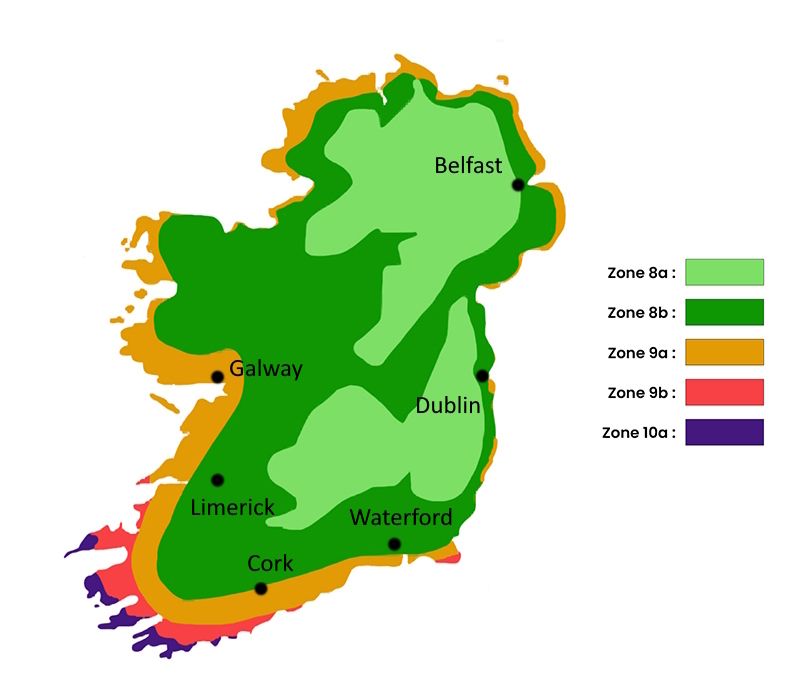
The planting period indicated on our website applies to regions in USDA Zone 9a (East Coast and Midlands: Dublin, Wexford, Waterford, Kilkenny, Portlaoise). It will vary depending on where you live:
- On the west coast and in the north-west (Galway, Limerick, Sligo, Donegal, Westport), delay planting by 1 to 2 weeks in spring and bring it forward by 1 to 2 weeks in autumn compared to the dates given, preferably choosing periods without strong winds.
- In the inland hills and plateaus (Wicklow Mountains, Macgillycuddy’s Reeks, Connemara, Killarney), it is best to plant in spring (April–May) or autumn (September–October), avoiding periods of waterlogged soil in winter and strong winds, which pose the main risk to newly planted trees in these areas.
The flowering period indicated on our website applies to regions in USDA Zone 9a, such as the East Coast and Midlands, including Dublin, Wexford, Waterford, Kilkenny and Portlaoise.
This will vary depending on where you live:
- On the west coast and in the northwest (Galway, Limerick, Sligo, Donegal and Westport), it will be delayed by one to two weeks compared to the given dates, due to stronger Atlantic winds and less spring sunshine.
- In the inland hills and plateaus (the Wicklow Mountains, the Macgillycuddy's Reeks, Connemara and Killarney), flowering will be delayed by two to three weeks. Flowering mainly occurs between May and July, with the limiting factors being less frost and more of the excessive humidity, strong winds and lack of sunshine that are characteristic of these areas.
Shipping country and language
Your country of residence may be:
Your country of residence is:
For a better user experience on our website, you can select:
Your shipping country:
-
 Austria
-
 Belgium
-
 Bosnia & Herzegovina
-
 Bulgaria
-
 Croatia
-
 Cyprus
-
 Czechia
-
 Denmark
-
 Estonia
-
 Finland
-
 France
-
 Germany
-
 Greece
-
 Hungary
-
 Iceland
-
 Ireland
-
 Italy
Italy
-
 Latvia
-
 Liechtenstein
-
 Lithuania
-
 Luxembourg
-
 Malta
Malta
-
 Netherlands
-
 Poland
-
 Portugal
-
 Romania
-
 Serbia
-
 Slovakia
-
 Slovenia
-
 Spain
Spain
-
 Sweden
-
 Switzerland
Language:
-
French
-
 English
-
Spanish
-
Italian
-
German
-
Portuguese
-
Dutch
-
Finnish
My Account
Hello
My wish lists
My cart
Log in / Register
Existing customer?
This form is protected by reCAPTCHA - the Google Privacy Policy and Terms of Service apply.
New customer?
Create an account to track your orders, access our customer service and, if you wish, make the most of our upcoming offers.