Malus Ballerina Red Leaf - Ballerina Apple Tree
Malus Ballerina Red Leaf - Ballerina Apple Tree
Malus ballerina Red Leaf
Ballerina Apple Tree
Apple tree visibly growing again...
Dane, 27/09/2025
Back-to-school special offer!
Get €10 off for every €50 you spend! And get up to €40 off on a single order.
How does it work?
1. Shop your favourites
Add your favourite plants to your basket. For every €50 you spend (excluding delivery charges, store credit and the plastic-free option), you’ll receive a €10 voucher.
€50 spent = €10 voucher
€100 spent = €20 voucher
€150 spent = €30 voucher
€200 spent = €40 voucher
2. Place your order
Once your basket reaches one of the spending thresholds, place your order. You can even choose your delivery date!
3. Receive your voucher
As soon as your order has been shipped, you’ll receive an email containing your personal voucher code and its value.
4. Use it on your next order
Your voucher is valid for 90 days from the date you receive it. It can be used once only, on a new order worth at least the value of the voucher, excluding delivery charges.
Please note: Vouchers can be combined with other offers, but cannot be split or refunded.
Home or relay delivery (depending on size and destination)
Important: You may be charged customs duties by your country’s customs authorities upon delivery.
Schedule delivery date,
and select date in basket
This plant carries a 24 months recovery warranty
More information
We guarantee the quality of our plants for a full growing cycle, and will replace at our expense any plant that fails to recover under normal climatic and planting conditions.

Does this plant fit my garden?
Set up your Plantfit profile →
Description
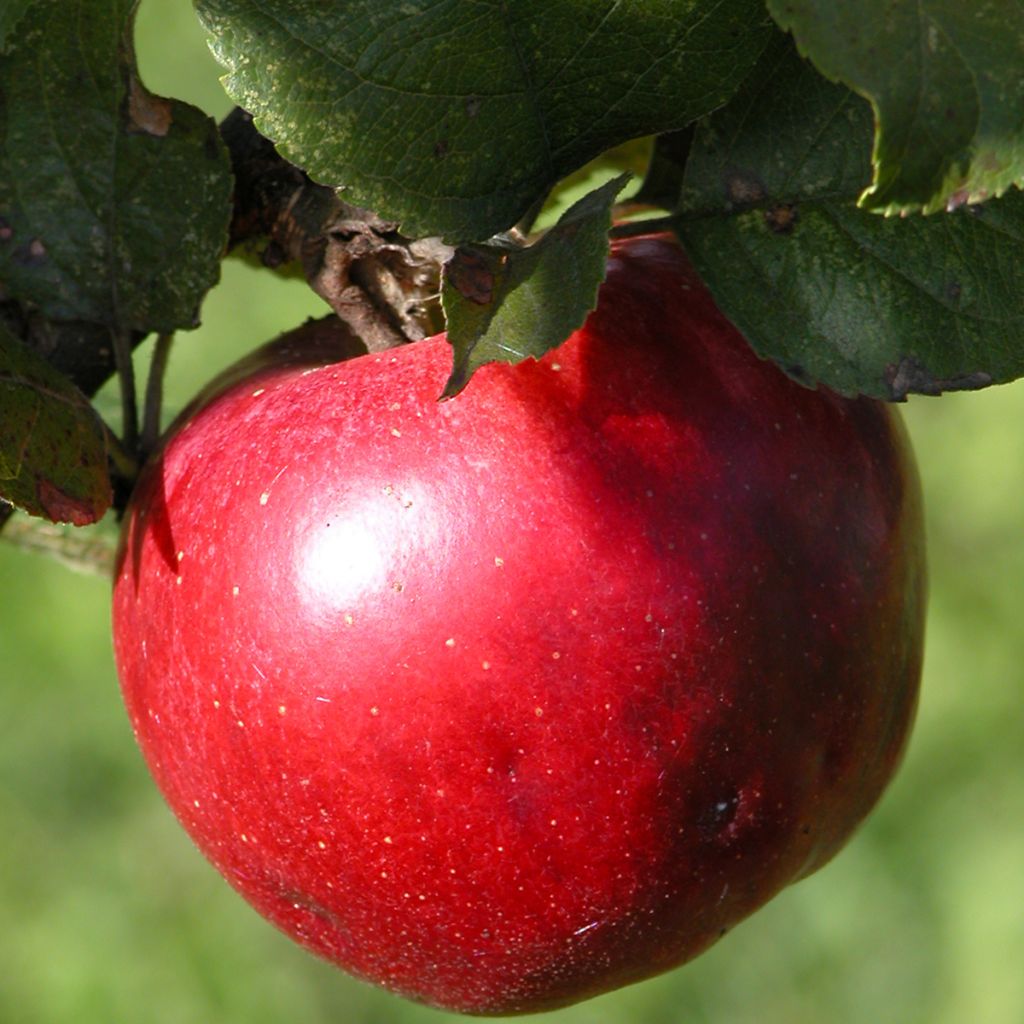
The Malus domestica 'Red Leaf' will pleasantly surprise you with its many qualities. A self-fertile dwarf tree with a columnar habit is suitable for small gardens and can even be grown in a container on a terrace. A fruiting variety, it is also ornamental with its young reddish leaves in spring and its beautiful pale pink flowers. As they ripen, they develop into beautiful red apples with a highly developed aroma. They can be consumed as soon as they are harvested and also store very well. This small tree, which does not exceed 2m (7ft), is very hardy and grows well in soil that is not too alkaline or acidic and mainly not too dry. Plant it in a sunny location to promote fruit ripening.
The Malus domestica, also called Malus communis or Malus pumila over the centuries, is commonly known as the Common or Domestic Apple Tree. It belongs to the large family of Rosaceae, which includes many fruit species (Pear trees, Cherry trees, Peach trees), ornamental species (Roses, of course, Amelanchier, Kerria, Photinia), as well as small fruits (blackberries, raspberries, strawberries) and numerous wild species found in our countryside and forests. Present in France and Europe since ancient times, the Malus domestica is a fruit tree native to the forests of central Asia, probably from Kazakhstan. It is highly hardy and is likely the most cultivated fruit tree in Northern Europe. There are approximately 20,000 varieties, including around 10,000 of American origin, 2,000 of English origin, and 2,000 of Chinese origin.
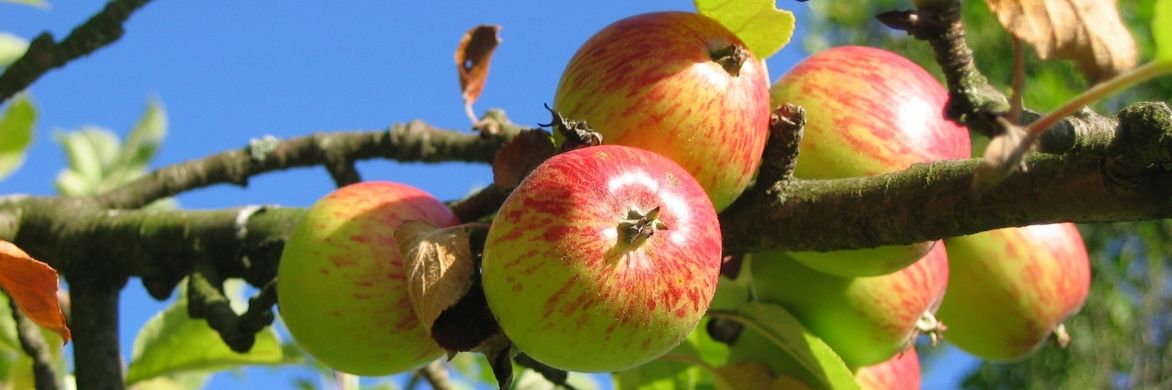
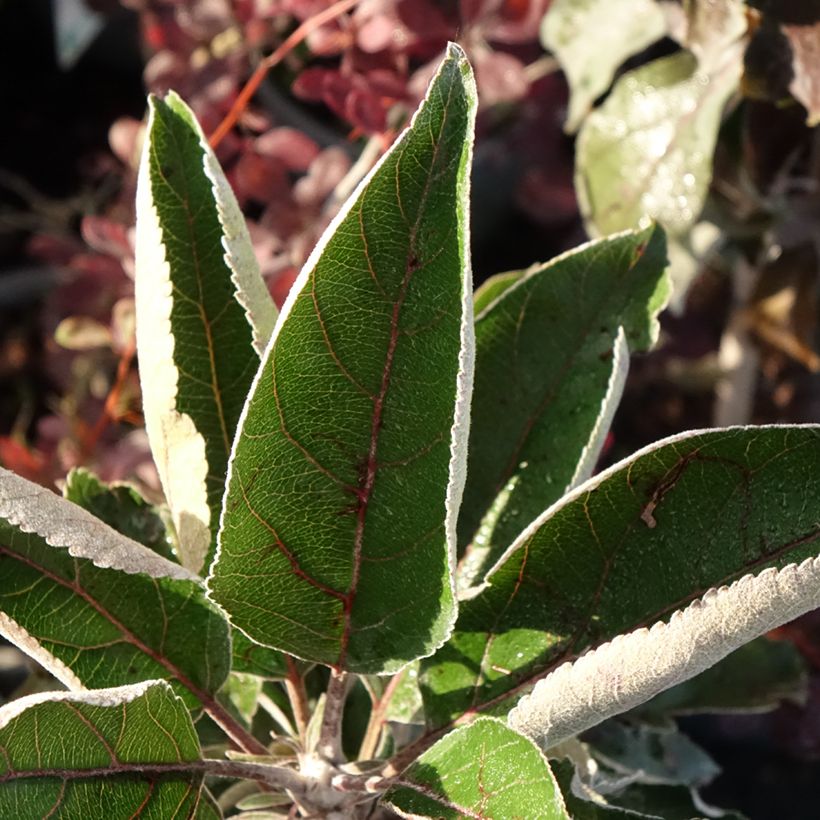
'Red Leaf' is a distinctive columnar variety, forming a small tree that reaches a height of 1.50 to 2m (5 to 7ft) and a width of less than 1m (3ft). In spring, the emerging young foliage reveals a beautiful wine-coloured red, hence its name, Red Leaf. It gradually turns green during the growing season. In April, pink flower buds open into single flowers with pale pink petals until May, which generally protects them from frost. The flowers are indeed destroyed by frost from -2 to -3°C. However, the tree itself is very hardy and suitable for cultivation in all regions of France. Red Leaf is a self-fertile variety that does not require another tree nearby for pollination. The fertilised flowers develop into beautiful, shiny red apples, ripe in September-October. The flesh is highly aromatic and slightly acidic, and while they are delicious to eat when harvested, they also have good storage ability. They can be stored in a cool, dry place, away from light, around 8 to 10°C, or in a cold room, sealed off from outside air, at 1 to 3°C. Apples release ethylene, a gas that promotes fruit ripening. Place your apples next to them to accelerate the ripening of your other fruits or vegetables. Apples are a highly satiating fruit. Rich in carbohydrates and fructose, they are invigorating, energising, and hydrating. Their content of vitamins A, B, C, and E, minerals, antioxidants, and fibre make apples a healthy asset.
This variety is very hardy and will thrive in sunny exposures and most soils. However, it does not tolerate dry soils.
With its compact size, which allows it to be grown in any garden and even in a container on a terrace, Red Leaf is part of the dwarf fruit trees that will enable everyone to enjoy homegrown fruits. Treat yourself to a peach tree like Bonanza, a self-fertile variety that will delight you with its fruits from early August. The Garden Pearl Dwarf Pear Tree, with fruits as large as conventional varieties, will also be a good choice for your small orchard and the Goldust Dwarf Plum Tree, another dwarf fruit tree with yellow and sweet fruits.
Malus Ballerina Red Leaf - Ballerina Apple Tree in pictures
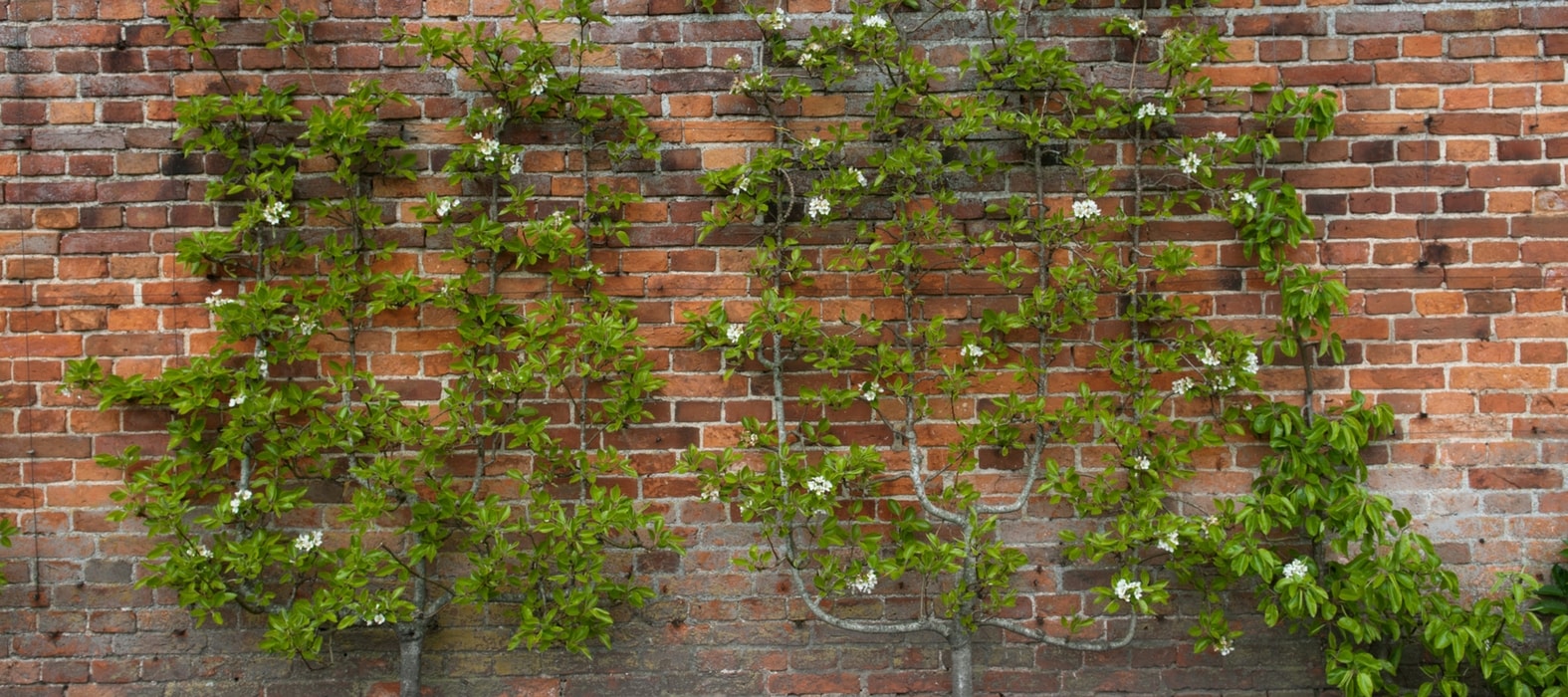
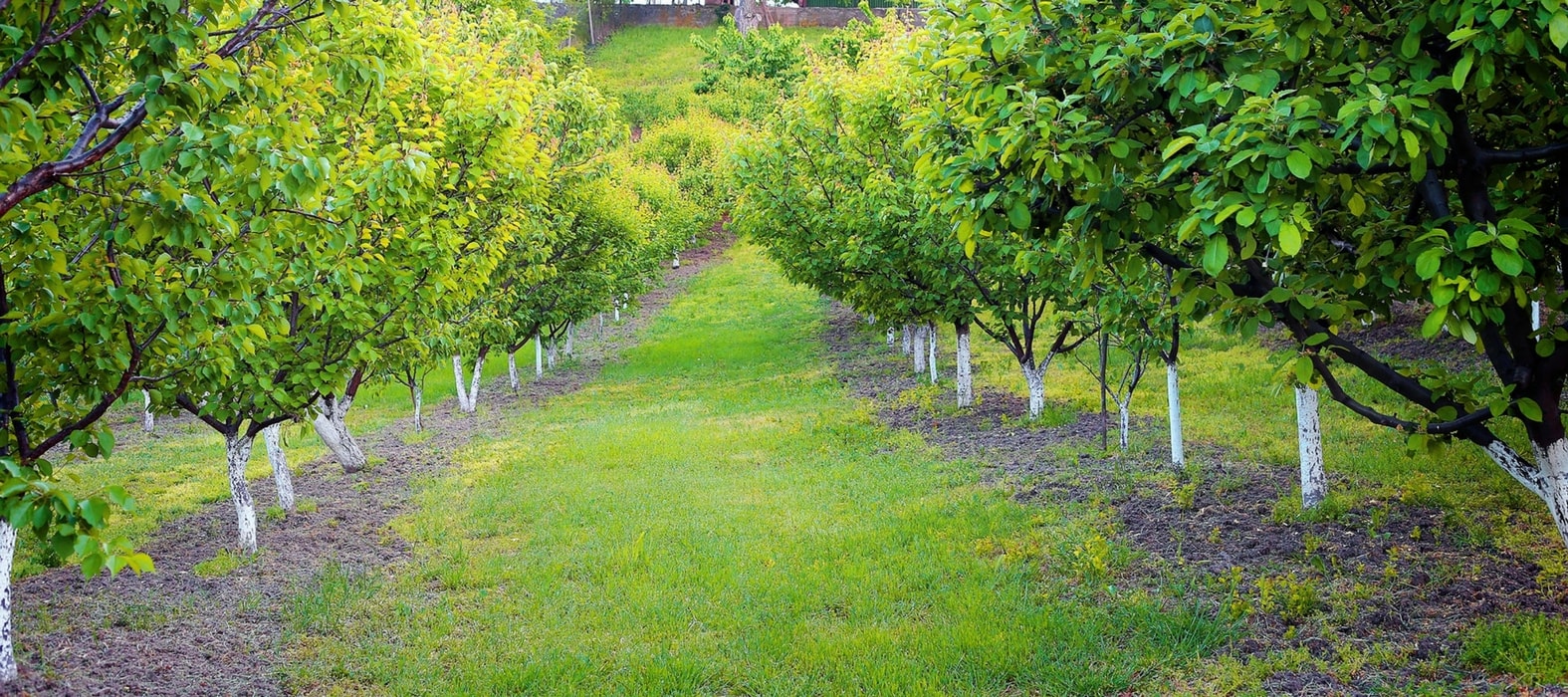
Plant habit
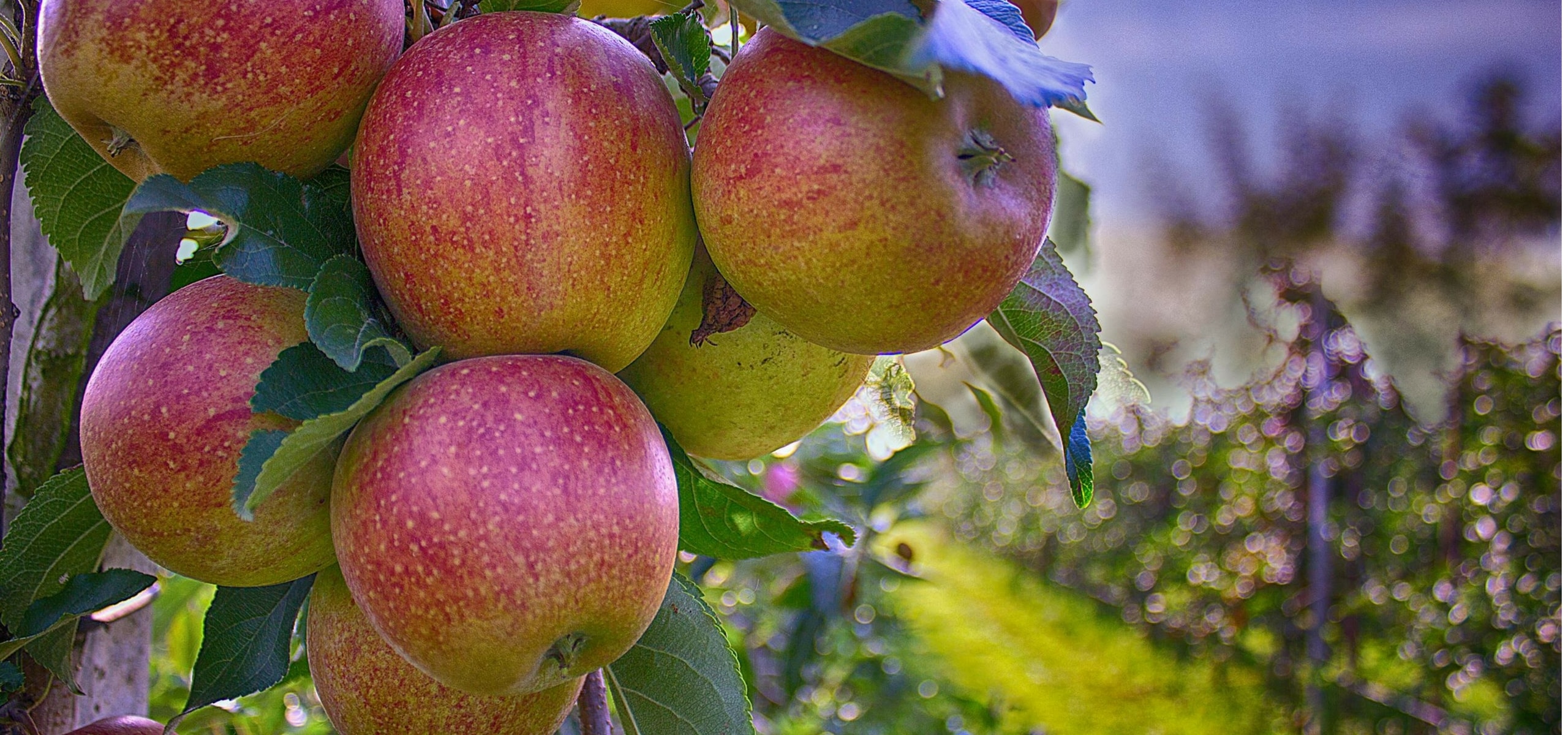
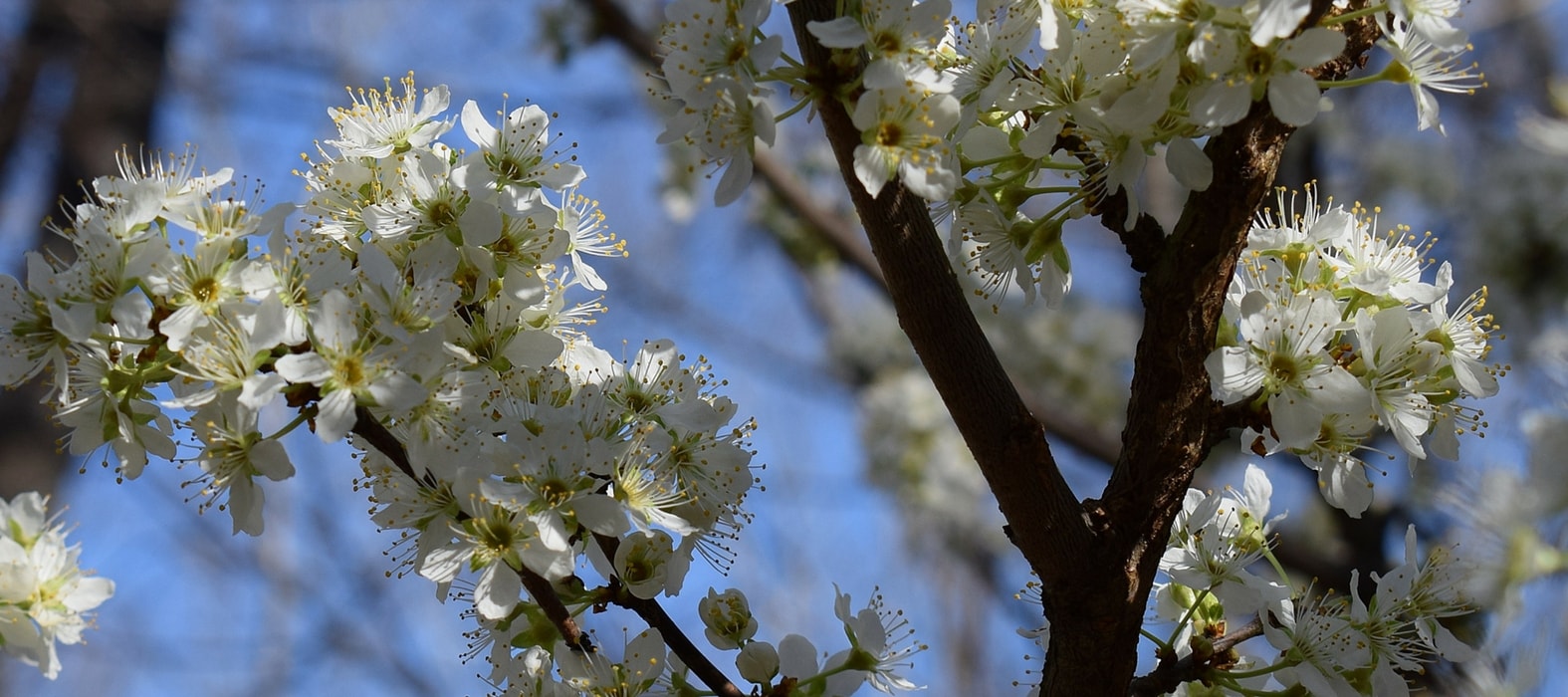
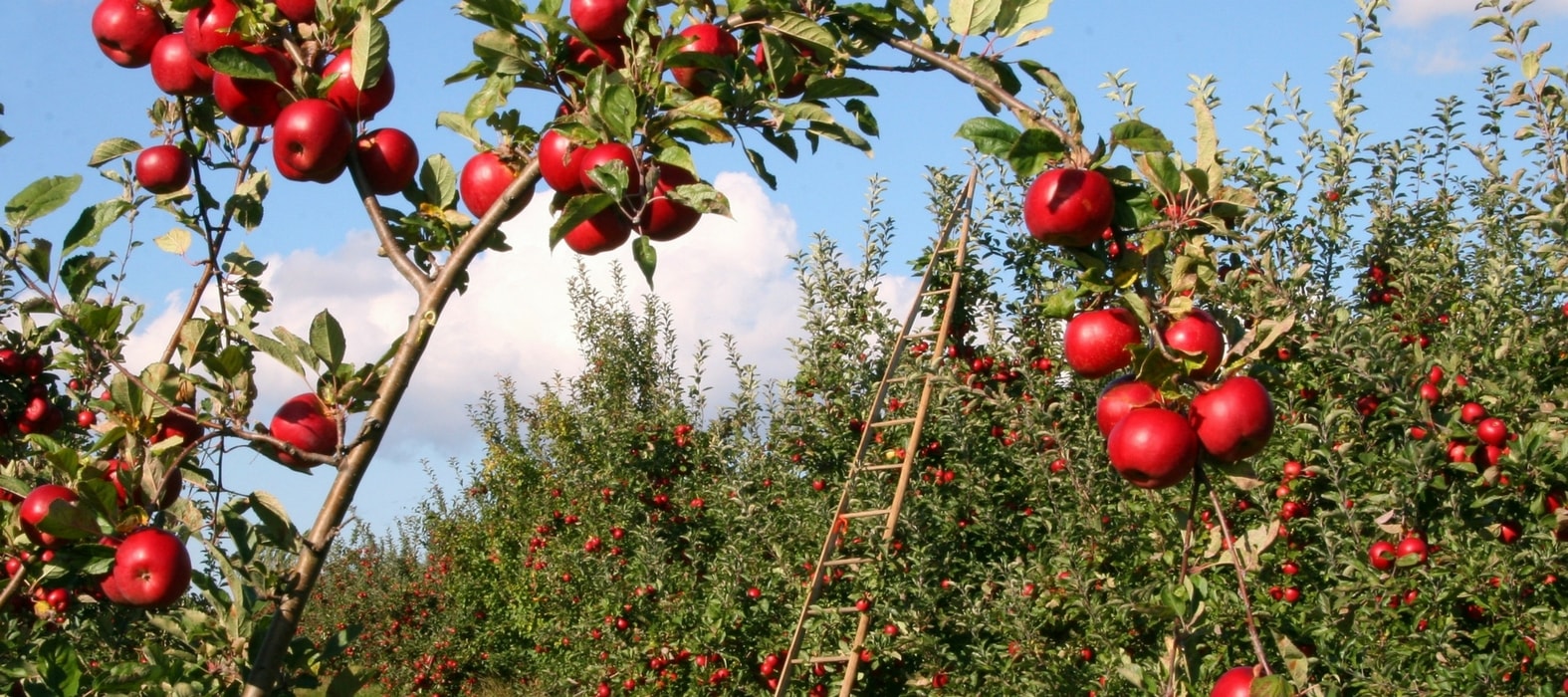
Flowering
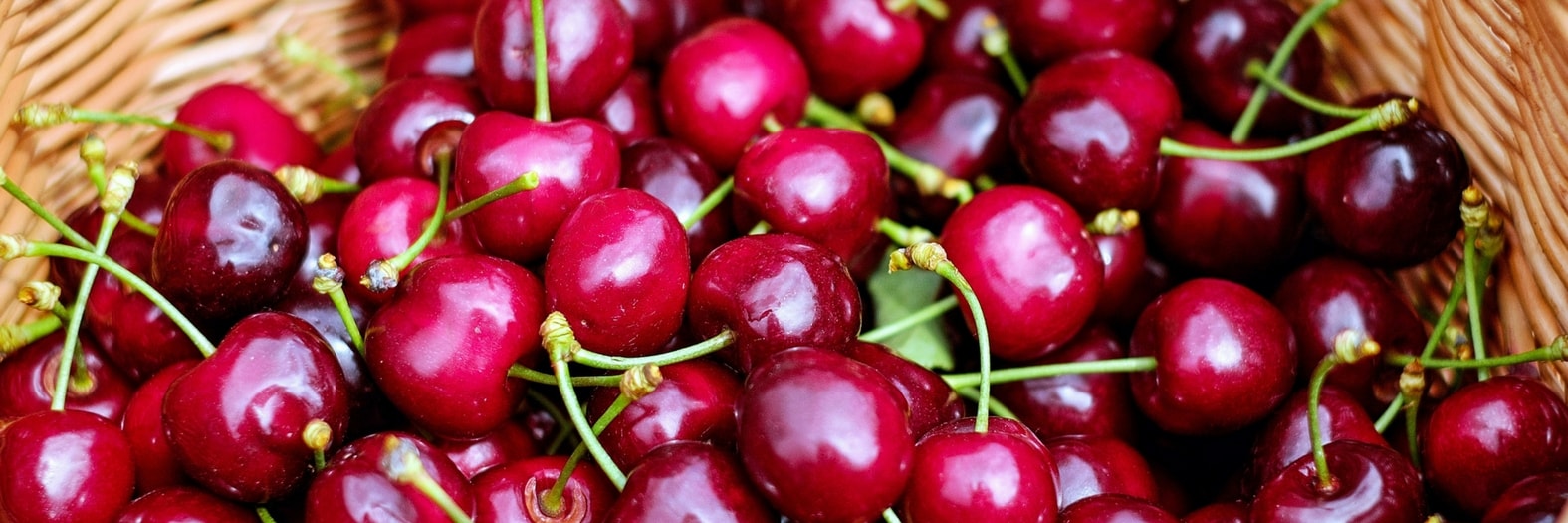
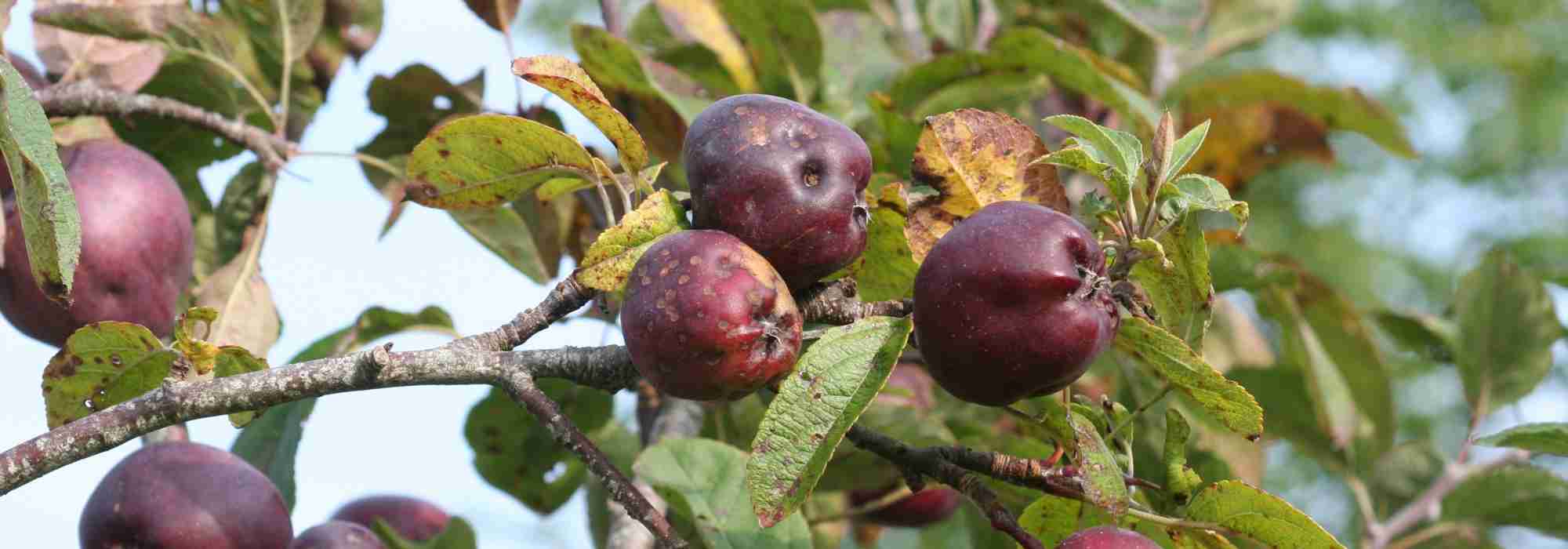
Foliage
Planting and care
Choose a well-sunlit location for your 'Red Leaf' Columnar Apple tree; the soil can be slightly chalky or acidic but not excessively. Dig a wide planting hole at least three times the volume of the root ball. Simultaneously, organic matter (potting soil, compost, etc.) and a basal fertiliser such as bonemeal should be added. Do not bury the graft collar and stake if necessary. Water abundantly during planting, even in winter, and even if it rains. Fruit trees are ideally planted between October and March, outside of the freezing period. Container-grown plants can be grown year-round, except during high heat or frost periods.
The advantage of columnar fruit trees is that they can be planted in outdoor containers. Choose a container of at least 60L. Ensure the container is perforated and provides good drainage by filling the bottom with a thick clay pellets or gravel layer. In pots, your trees will naturally require more regular watering. In winter, move your fruit trees to a sheltered location away from the wind and stop watering during frost periods. Practice top-dressing at least every two years, which involves replacing the topsoil with fresh soil and fertilising before flowering; choose a special fertiliser with potassium, but not too rich in nitrogen.
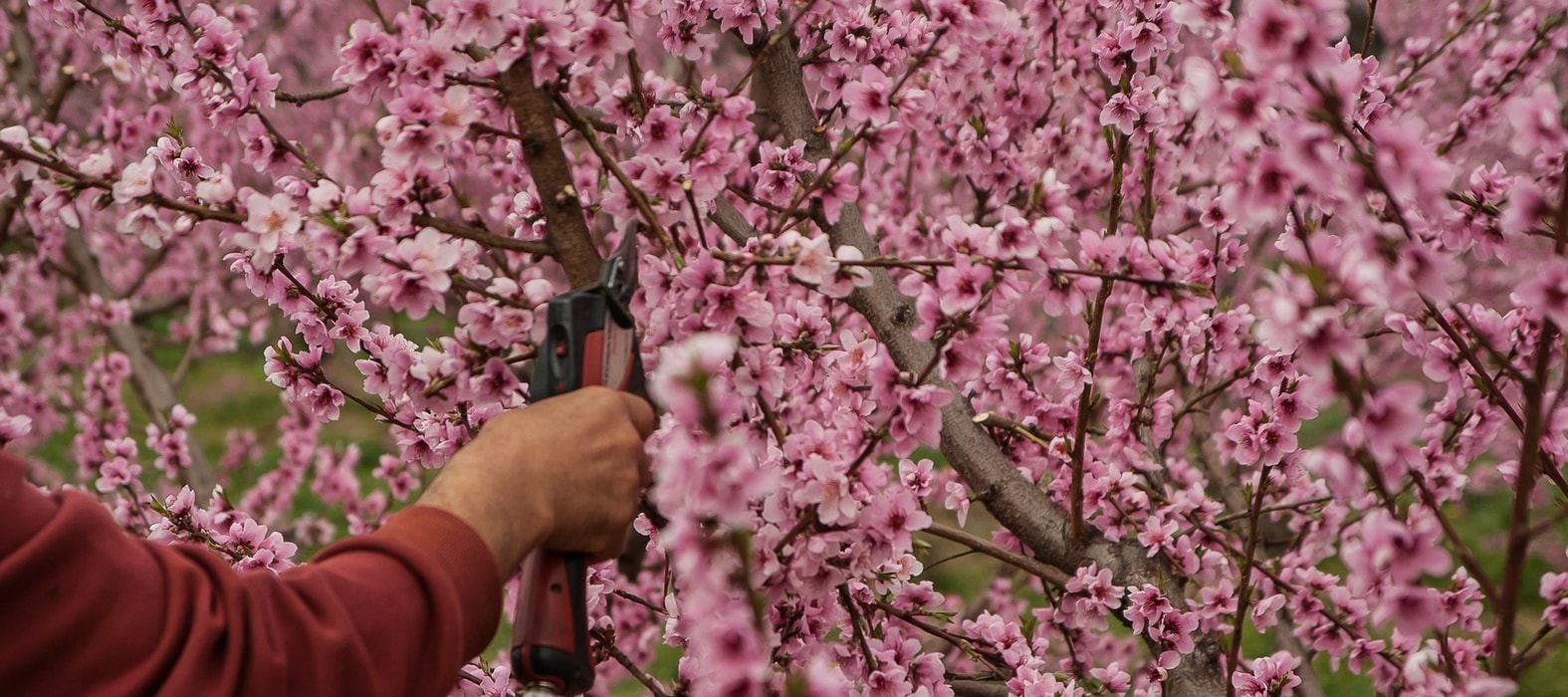
During winter, it's recommended to add a small amount of wood ash, which is rich in potash, to the soil surface around the base of the tree to improve fruiting. To prevent diseases and pests from affecting apple trees, it's important to space them out sufficiently and plant diverse hedges, birdhouses or insect hotels to attract beneficial insects. It's best to prioritise diversity. The primary diseases that affect apple trees are scab (which causes brown spots on the leaves), brown rot (which results in wilting of flowers and rotting of fruits on the tree), and powdery mildew (which creates a white powdery coating on the leaves). To prevent diseases from attacking your plants, it's a good idea to spray them with a horsetail concoction. If the attack is severe, you can use a fungicide. The codling moth, also known as fruit worm, is a small caterpillar that creates galleries inside the fruit after the butterfly lays its eggs. To prevent this attack, you can promote the establishment of tits, mice, and bats by installing nest boxes. And if your plants are infested with aphids, spraying a solution based on black soap is an effective remedy.
Only keep the picked fruits during the September harvest. For good storage, place the apple with its stem downwards on racks or in crates. Choose a location that is preferably completely dark, dry, and cool but frost-free.
Planting period
Intended location
Care
Planting & care advice
-
-
-
-
-
-
-
-
-
, onOrder confirmed
Reply from on Promesse de fleurs
Recently viewed products
Haven't found what you were looking for?
Hardiness is the lowest winter temperature a plant can endure without suffering serious damage or even dying. However, hardiness is affected by location (a sheltered area, such as a patio), protection (winter cover) and soil type (hardiness is improved by well-drained soil).
In temperate climates, pruning of spring-flowering shrubs (forsythia, spireas, etc.) should be done just after flowering.
Pruning of summer-flowering shrubs (Indian Lilac, Perovskia, etc.) can be done in winter or spring.
In cold regions as well as with frost-sensitive plants, avoid pruning too early when severe frosts may still occur.
The harvesting period indicated on our website applies to countries and regions in USDA zone 8 (France, England, Ireland, the Netherlands).
In colder areas (Scandinavia, Poland, Austria...) fruit and vegetable harvests are likely to be delayed by 3-4 weeks.
In warmer areas (Italy, Spain, Greece, etc.), harvesting will probably take place earlier, depending on weather conditions.
The sowing periods indicated on our website apply to countries and regions within USDA Zone 8 (France, UK, Ireland, Netherlands).
In colder areas (Scandinavia, Poland, Austria...), delay any outdoor sowing by 3-4 weeks, or sow under glass.
In warmer climes (Italy, Spain, Greece, etc.), bring outdoor sowing forward by a few weeks.
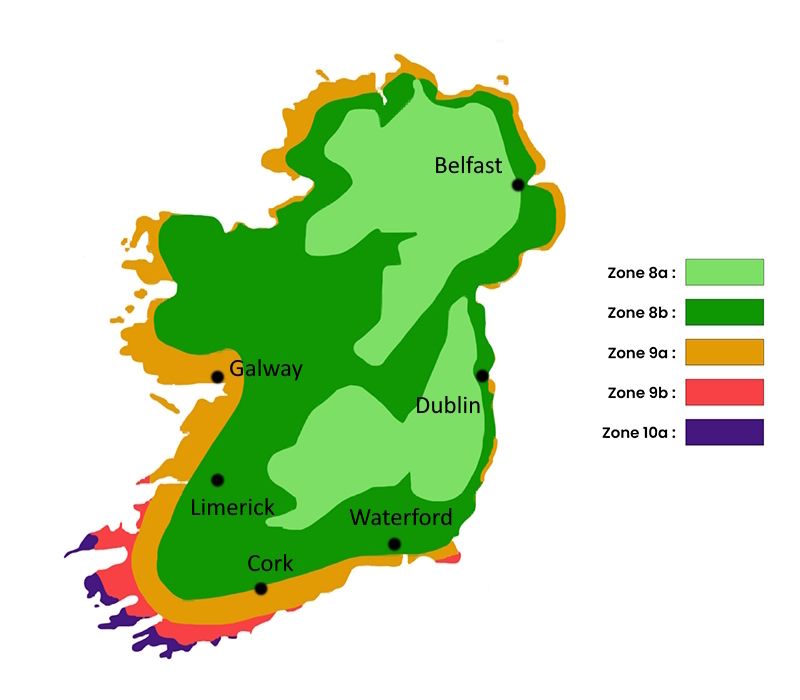
The planting period indicated on our website applies to regions in USDA Zone 9a (East Coast and Midlands: Dublin, Wexford, Waterford, Kilkenny, Portlaoise). It will vary depending on where you live:
- On the west coast and in the north-west (Galway, Limerick, Sligo, Donegal, Westport), delay planting by 1 to 2 weeks in spring and bring it forward by 1 to 2 weeks in autumn compared to the dates given, preferably choosing periods without strong winds.
- In the inland hills and plateaus (Wicklow Mountains, Macgillycuddy’s Reeks, Connemara, Killarney), it is best to plant in spring (April–May) or autumn (September–October), avoiding periods of waterlogged soil in winter and strong winds, which pose the main risk to newly planted trees in these areas.
The flowering period indicated on our website applies to regions in USDA Zone 9a, such as the East Coast and Midlands, including Dublin, Wexford, Waterford, Kilkenny and Portlaoise.
This will vary depending on where you live:
- On the west coast and in the northwest (Galway, Limerick, Sligo, Donegal and Westport), it will be delayed by one to two weeks compared to the given dates, due to stronger Atlantic winds and less spring sunshine.
- In the inland hills and plateaus (the Wicklow Mountains, the Macgillycuddy's Reeks, Connemara and Killarney), flowering will be delayed by two to three weeks. Flowering mainly occurs between May and July, with the limiting factors being less frost and more of the excessive humidity, strong winds and lack of sunshine that are characteristic of these areas.
Shipping country and language
Your country of residence may be:
Your country of residence is:
For a better user experience on our website, you can select:
Your shipping country:
-
 Austria
-
 Belgium
-
 Bosnia & Herzegovina
-
 Bulgaria
-
 Croatia
-
 Cyprus
-
 Czechia
-
 Denmark
-
 Estonia
-
 Finland
-
 France
-
 Germany
-
 Greece
-
 Hungary
-
 Iceland
-
 Ireland
-
 Italy
Italy
-
 Latvia
-
 Liechtenstein
-
 Lithuania
-
 Luxembourg
-
 Malta
Malta
-
 Netherlands
-
 Poland
-
 Portugal
-
 Romania
-
 Serbia
-
 Slovakia
-
 Slovenia
-
 Spain
Spain
-
 Sweden
-
 Switzerland
Language:
-
French
-
 English
-
Spanish
-
Italian
-
German
-
Portuguese
-
Dutch
-
Finnish
My Account
Hello
My wish lists
My cart
Log in / Register
Existing customer?
This form is protected by reCAPTCHA - the Google Privacy Policy and Terms of Service apply.
New customer?
Create an account to track your orders, access our customer service and, if you wish, make the most of our upcoming offers.